



Victorian Ink Bottle
These Victorian ink bottle examples are desk accessories crafted during the nineteenth century, offering a tactile connection to historical writing desks.
Victorian Ink Bottle
A victorian ink bottle search reveals desk accessories ranging from simple glass wells to elaborate inkstands housed in papier-mache or walnut bases. Buyers encounter individual vessels alongside desk sets that incorporate pen stands and letter racks.
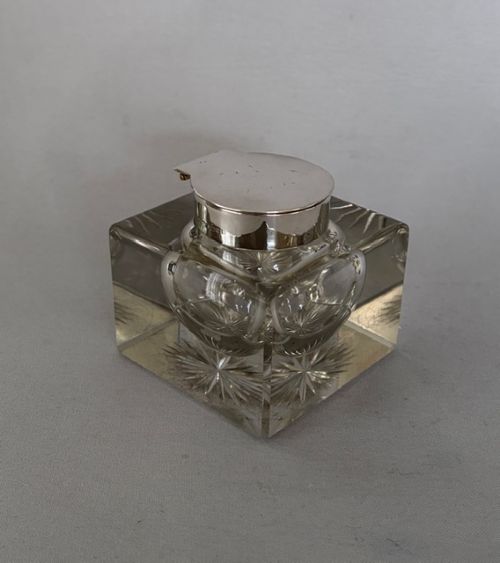
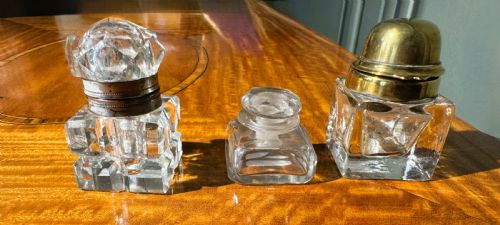
The objects span periods from the mid-nineteenth century through the Edwardian era, showing materials such as cut crystal, brass, horn, and silver plate. Most pieces combine a glass or crystal receptacle with metal or wooden mountings to anchor them securely to a desk.
Materials and construction
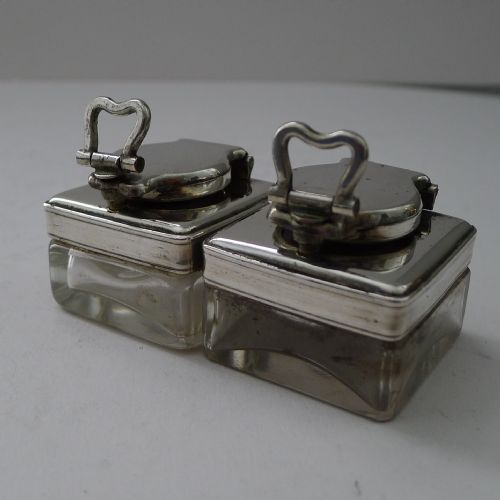
Glass and crystal form the primary liquid containers, often heavily cut to refract light and add weight to the base. Artisans combined these glass bodies with fitted metal collars and hinged lids made from sterling silver, silver plate, or brass.
Structural housings utilise organic and manufactured materials, including papier-mache, walnut, oak, and horn. Metalwork components frequently display manufacturer stamps or assay office marks indicating origin.
Victorian Ink Bottle Retail Price Guide 2026
Typical asking prices for victorian ink bottle among the pieces listed under this phrase on Sellingantiques today, from the lower quarter to the upper quarter. They describe what is for sale here now, not the wider market.
Some travel versions were built so securely that nineteenth-century writers could ink their letters while jolting along in a horse-drawn carriage.
Judging quality in desk accessories
Quality rests upon the harmony of materials and the integrity of the fitted components. Pieces that integrate multiple media, such as horn with silver plate or papier-mache with fitted glass interiors, demonstrate greater ambition in design.
The precision of the metal mounts and the clarity of the glass or crystal determine the upper tier of the range. Maker attribution and dated hallmarks further distinguish standard utility pieces from exceptional desk furnishings.
James Cartland And Sons
The Victorian Ink Bottle Glossary
- Inkstand
- A complete desk stand holding one or more ink bottles alongside space for pens. These pieces often feature integrated trays or letter racks.
- Papier-mache
- A composite material made from paper pulp or layers of paper bound with glue, pressed and varnished to form rigid decorative objects. It provides a glossy dark surface popular for mid-nineteenth-century desk sets.
- Silver plate
- A thin layer of silver fused to a base metal such as copper or brass. This technique offered the appearance of solid silver at a lower cost.
- Cut glass
- Glass decorated by cutting facets or patterns into the surface using a rotating wheel. This process creates deep geometric designs that catch the light.
Victorian Ink Bottle: Frequently Asked Questions
What are these items?
These pieces are nineteenth-century and early twentieth-century desk accessories designed to hold liquid ink for writing with dip pens. They range from standalone glass bottles to comprehensive stands incorporating pen rests and letter holders.
Materials include cut crystal, brass, silver plate, horn, and papier-mache. They reflect the varied writing habits of the Victorian and Edwardian periods.
How were they used?
Users filled the glass or crystal inserts with liquid ink, keeping them on writing desks or libraries for daily correspondence and document signing. Hinged metal lids helped prevent the ink from evaporating too quickly or collecting dust.
Travel versions featured secure screw-down or tightly fitted caps to prevent spills in luggage. Desk sets often grouped the ink container alongside slots for nibs, stamps, and blotting paper.
How do I live with them?
These desk accessories integrate naturally onto modern tables, sideboards, or home office desks. They function well as small display items or practical containers for modern desk supplies.
Care involves gentle cleaning of glass inserts and avoiding abrasive polishes on silver plate or papier-mache surfaces. Keeping them out of direct sunlight preserves the original wooden and organic finishes.
How are periods told apart?
Mid-Victorian examples often employ papier-mache or heavily carved wooden bases, reflecting earlier decorative tastes. Later nineteenth-century pieces increasingly incorporate marked silver components and crisper cut glass.
Edwardian and turn-of-the-century items frequently feature simpler oak frames and lighter brass mountings. Hallmarks and registration dates stamped on the metal parts provide precise chronological markers.