





Victorian Imari China
Victorian imari china brings together bold palettes and intricate patterns on sturdy ceramic bodies, giving tables a striking visual weight.
Victorian Imari China
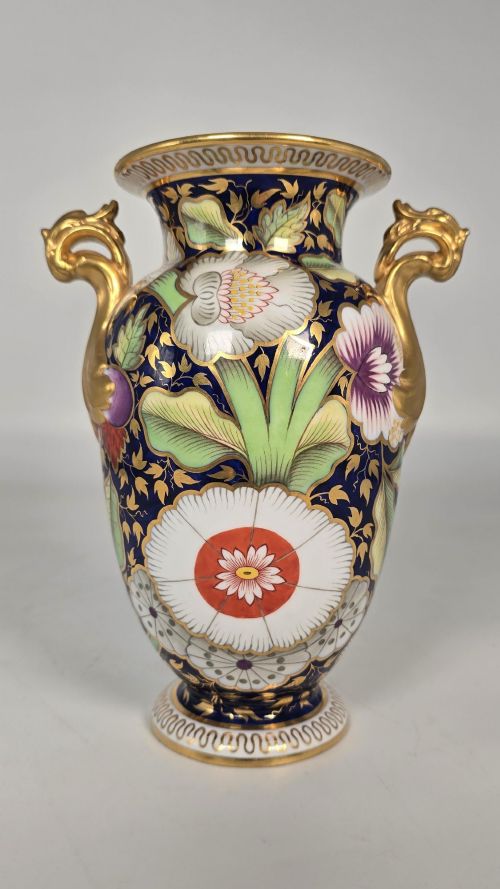
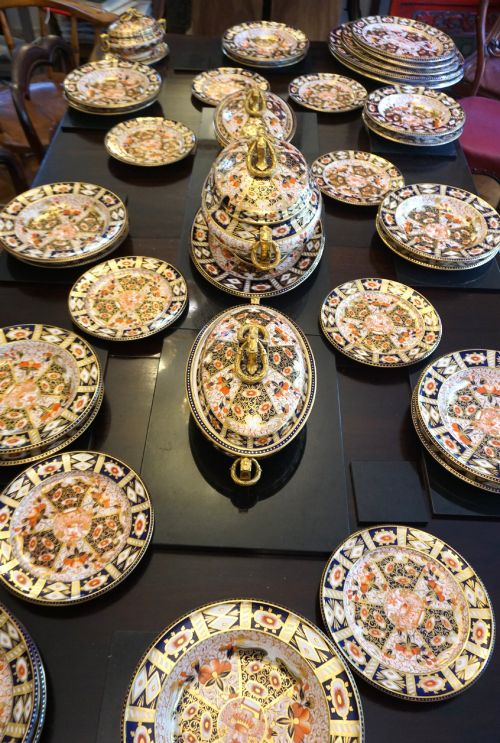
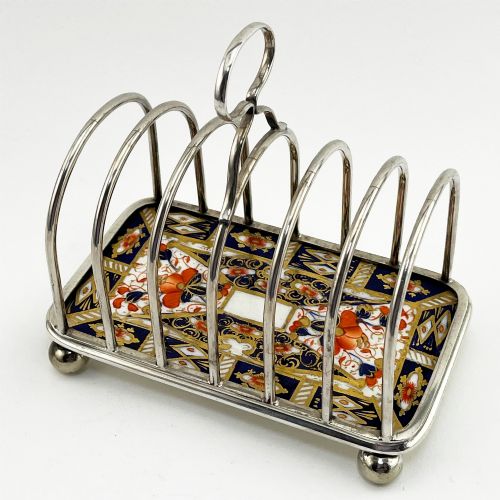
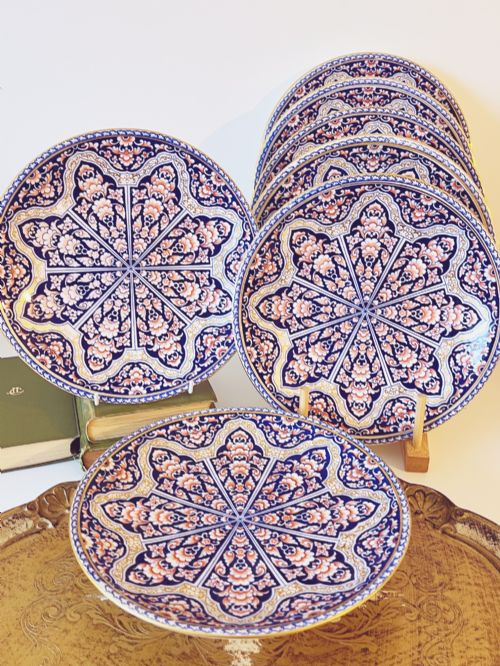
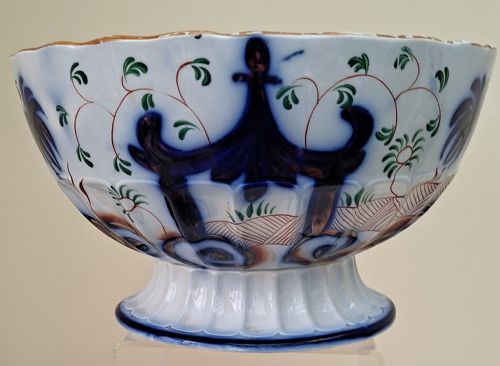
Victorian imari china encompasses a range of domestic and decorative objects produced during the nineteenth century, drawing heavily on Japanese and English chinoiserie design traditions. Buyers searching this phrase meet everything from dessert services and dinner sets to individual jugs, pitchers, bowls, and sauce tureens.
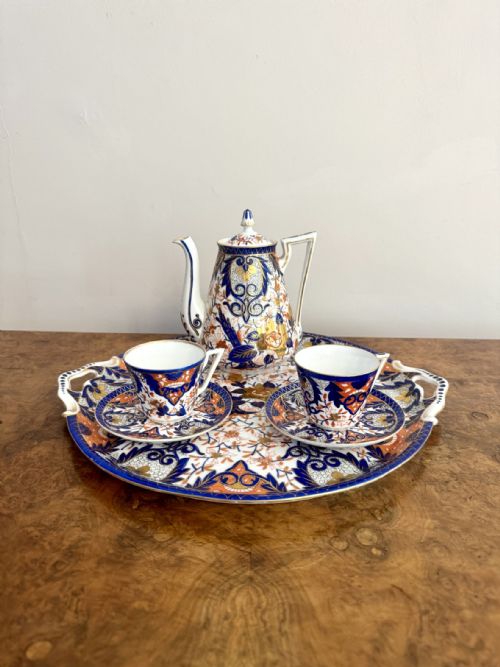
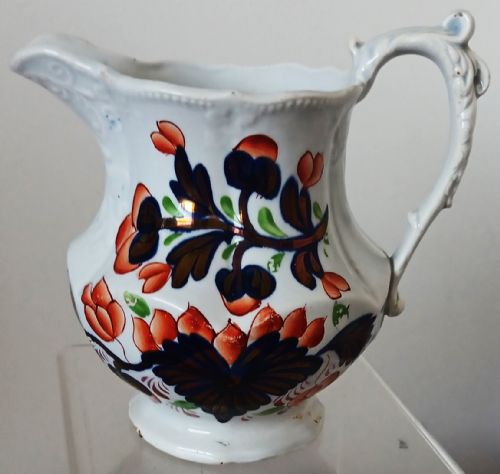
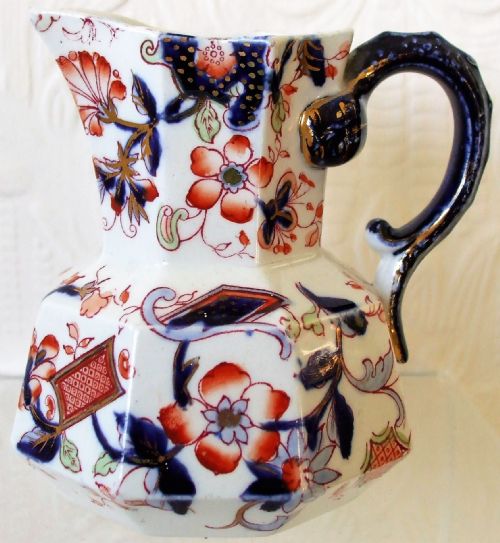
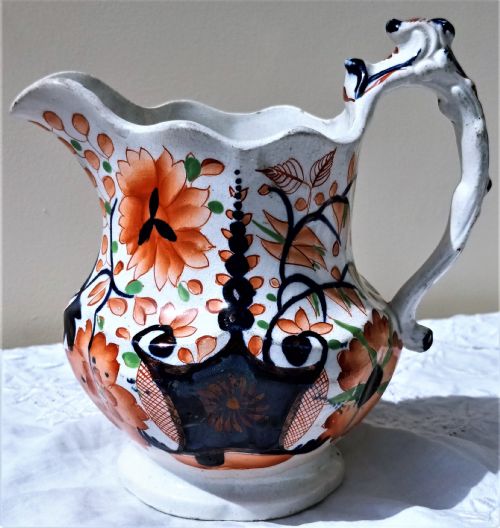
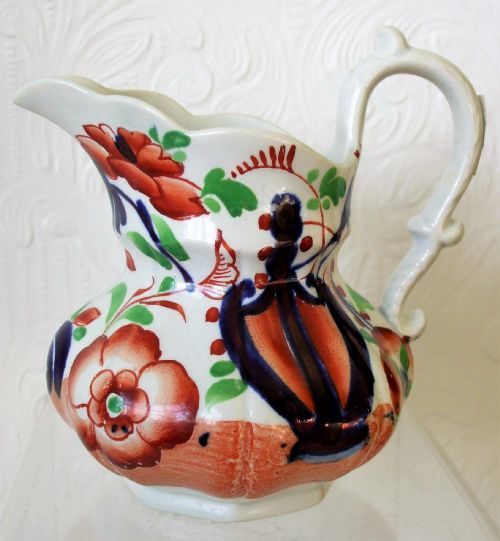
The objects frequently take the form of Mason's ironstone vessels, Royal Crown Derby tea wares, and Gaudy Welsh pottery jugs bearing distinct floral or pagoda motifs. These pieces span utility and display, functioning as functional tableware or ornamental centrepieces.
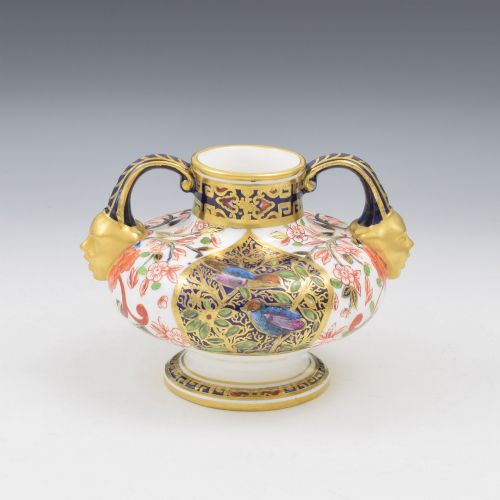
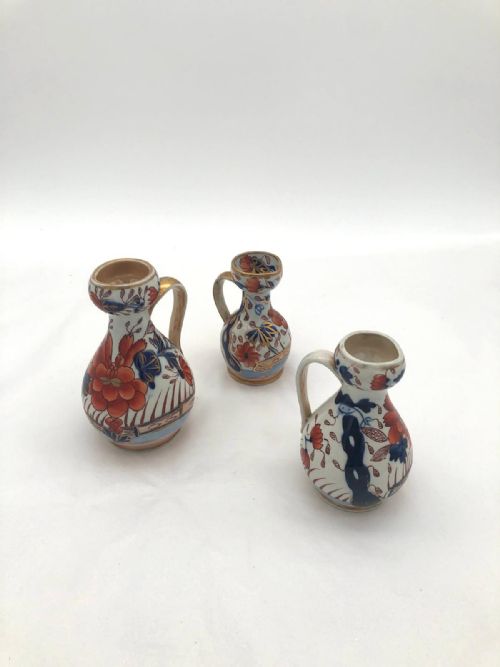
Originating largely from English potteries influenced by Eastern aesthetics, the selection mirrors the period's fascination with rich ironstone bodies and polychrome enamel decoration. Pieces range from large basin sets to miniature vases and spoon warmers.
How They Were Made
Makers utilised dense ironstone, earthenware, and porcelain bodies, applying durable glazes that protected the underlying ceramic structure during daily use. These heavy-duty pastes provided a stable canvas for the elaborate painted schemes.
Decorators applied rich enamel colours, frequently complemented by gold leaf highlights or gilt detailing, creating the characteristic high-contrast palette. Hand-painted elements often appeared alongside transfer-printed outlines, fusing traditional craftsmanship with expanding industrial production methods.
Victorian Imari China Retail Price Guide 2026
Typical asking prices for victorian imari china among the pieces listed under this phrase on Sellingantiques today, from the lower quarter to the upper quarter. They describe what is for sale here now, not the wider market.
The listings show a prevalence of 19th-century ironstone and porcelain forms, dominated by plates, jugs, and dinner services.
What Varies In Quality
Quality rests in the crispness of the hand-painted enamels and the precision of the gilt work applied over the glaze. Superior examples show careful registration of patterns and vibrant, saturated pigments that remain sharp across the surface.
The physical weight and balance of the ironstone or porcelain body also set pieces apart, alongside the complexity of the chosen form, such as octagonal jugs or moulded tureens. Well-preserved gilding and intact glaze surfaces separate everyday utility items from finer display wares.
Royal Crown Derby·Mason's·Wedgwood·Keeling and Company·Royal Davenport·Ridgways·Stevenson and Hancock·Coalbrookdale
The Victorian Imari China Glossary
- Ironstone
- A dense, durable type of earthenware patented in the nineteenth century. It resists chipping better than standard porcelain while retaining a similar visual weight.
- Imari
- A style of ceramic decoration originating in Japan and widely copied in Britain. It typically employs a palette of cobalt blue, iron red, and gilt.
- Tureen
- A deep, covered vessel designed for serving soup or sauce at the table. These often sit on matching platters or include ladles.
- Gilt
- A thin layer of gold applied to the ceramic surface for decorative accent. It catches the light and frames the painted panels.
Victorian Imari China: Frequently Asked Questions
What is Victorian imari china?
Victorian imari china refers to nineteenth-century ceramics decorated in the distinct Japanese-inspired imari palette of iron red, cobalt blue, and gold. Makers applied these rich patterns to robust ironstone and porcelain bodies.
These items range from large dinner services and soup tureens to individual tea sets, jugs, and decorative plates designed for both display and dining.
How were these pieces used?
Many items served practical functions in nineteenth-century dining rooms, including large dinner services, sauce tureens, and dessert plates. Tea sets and coffee sets catered to formal social gatherings.
Other pieces, such as miniature vases, spoon warmers, and decorative bowls, functioned primarily as ornamental items within the Victorian interior.
How do I care for Victorian imari china?
These ceramics require gentle hand washing in warm water with mild detergent to preserve the hand-painted enamels and delicate gilt highlights. Abrasive sponges and modern dishwashers can damage the surface decoration over time.
Store pieces securely on stable surfaces, using felt dividers between stacked plates to prevent scratching the glaze and the gold leaf detailing.
How do I identify periods and types?
Dating relies on maker marks stamped or painted on the underside, alongside characteristic potting styles of specific decades. Shape and material provide further clues, distinguishing heavy ironstone from finer porcelain bodies.
Stylistic shifts between standard Victorian output, Regency survivals, and Japanese imari influences help narrow down the production era of each piece.