
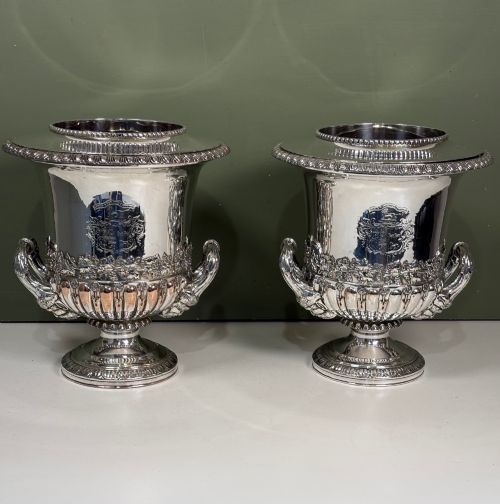


Victorian Ice Bucket
A victorian ice bucket brings nineteenth-century hospitality to the table, combining heavy metalwork with timber or glass.
Victorian Ice Bucket
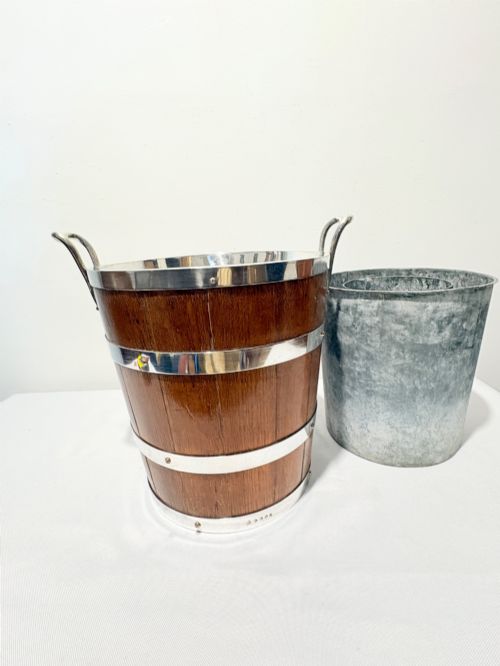
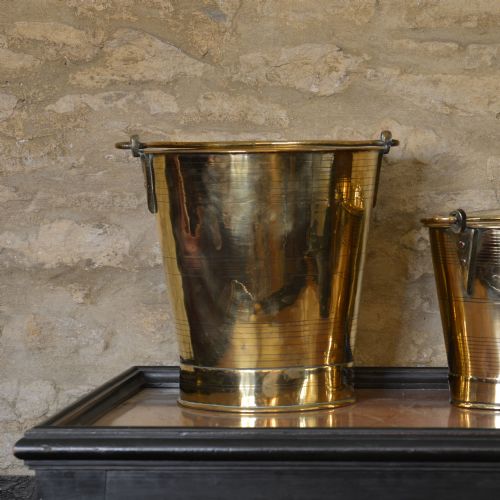
A victorian ice bucket serves as a refined vessel for chilling wine or holding ice at the dining table. The selection spans traditional silver plated coolers, brass campaign vessels, and oak staved buckets.
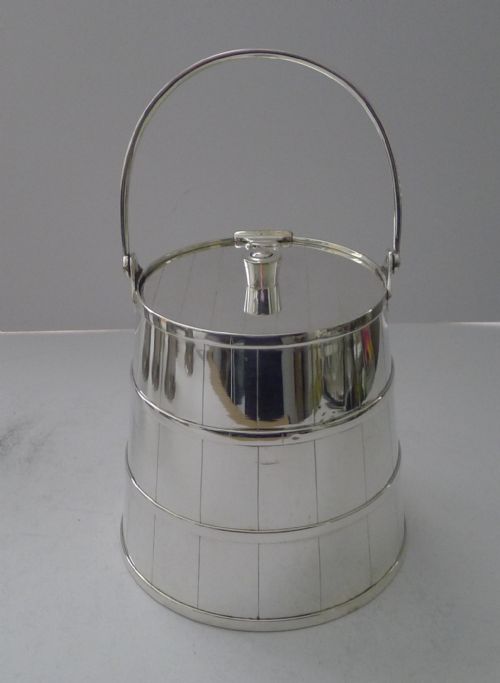
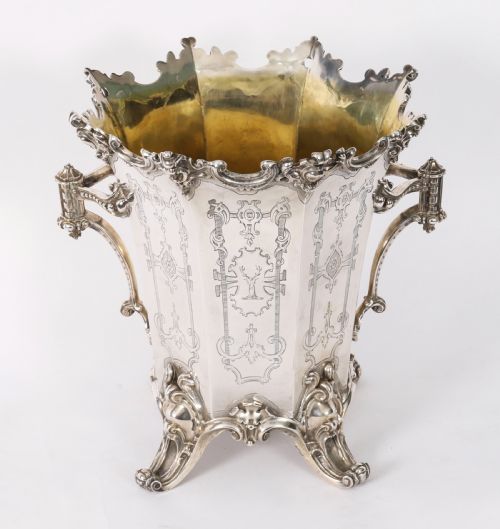
Makers produced these items in various guises, including drum form biscuit barrels, glass pails, and two-handled trophy vases. Oak and silver plate combinations frequently appear alongside brass-bound mahogany.
Materials and construction
Silver plate and electroplated nickel silver provide the reflective metallic surface on many pieces, often paired with staved oak or mahogany bodies. Brass banding secures the wooden staves, while internal ceramic, tortoiseshell, or glass liners retain cold temperatures.
Cast mounts, swing handles, and applied revival ornament define the decorative metalwork. Glass components utilise spiral cutting and crackle techniques to catch the light.
Some nineteenth-century hosts preferred novelty drum containers that disguised ice storage as military hardware.
Assessing the work
Execution lies in the weight of the silver plate and the tightness of the coopered wooden joints. Substantial gauge metal and crisp cast handles distinguish superior examples.
Original internal liners, whether ceramic, glass, or tortoiseshell, elevate the piece. Maker marks from established firms indicate workshop pedigree.
Elkington, Mason & Co·Hawksworth, Eyre & Co
The Victorian Ice Bucket Glossary
- Silver plate
- A thin layer of silver fused to a base metal such as copper or nickel silver. This technique allowed manufacturers to produce domestic items with the appearance of solid silver at lower cost.
- Coopered
- Wood construction formed of narrow stave pieces fitted together and bound with metal hoops. This method derives from barrel-making traditions.
- Electroplated nickel silver
- A base alloy of copper, nickel, and zinc coated with silver using an electrical current. It became widely adopted by industrial manufacturers in the nineteenth century.
- Rococo Revival
- A nineteenth-century design style drawing on eighteenth-century French motifs, characterised by C-scrolls, asymmetric cartouches, and naturalistic foliage.
- Campaign bucket
- A portable vessel constructed for travel or military use, typically fitted with drop handles and robust brass mounts.
Victorian Ice Bucket: Frequently Asked Questions
What were victorian ice buckets used for?
These vessels chilled wine bottles at the dining table or held ice for social gatherings.
Some variants doubled as biscuit barrels or novelty containers for domestic entertaining.
How do I clean a silver plated bucket?
Use a soft cloth and a gentle silver polish formulated for plated items to preserve the finish.
Avoid abrasive materials that can wear through the plating down to the base metal.
Are original liners important?
Original ceramic, glass, or tortoiseshell liners complete the interior and maintain the intended thermal function of the vessel.
Finding a piece with its corresponding liner remains a notable advantage for collectors.
How do I distinguish oak and brass styles?
Oak examples usually feature coopered staves bound with brass hoops, reflecting maritime and brewing construction methods.
All-metal versions rely on cast brass or silver plate with applied handles and decorative embossing.