






Victorian Hunting Plaque
A victorian hunting plaque brings the atmosphere of the nineteenth-century lodge straight to the wall.
Victorian Hunting Plaque
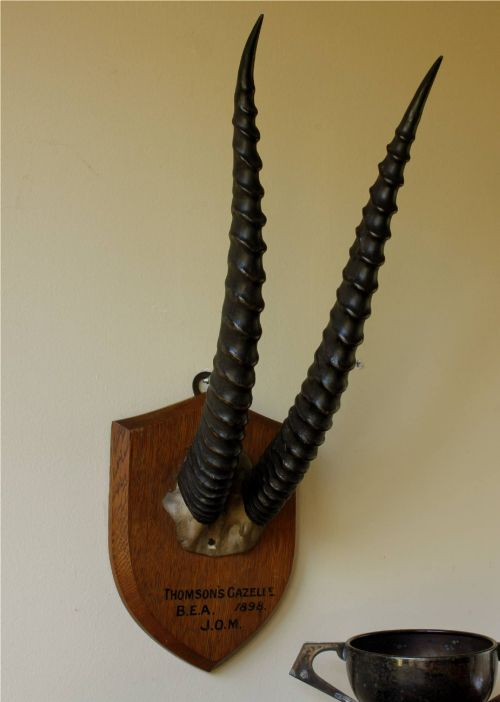
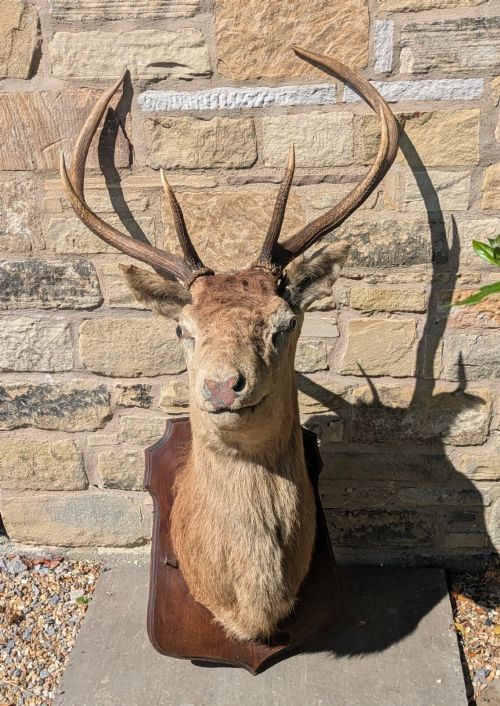
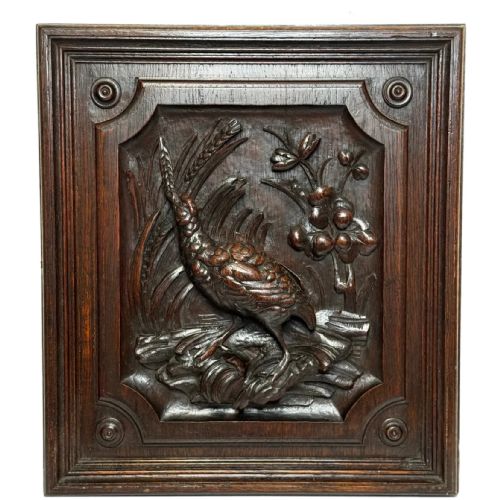
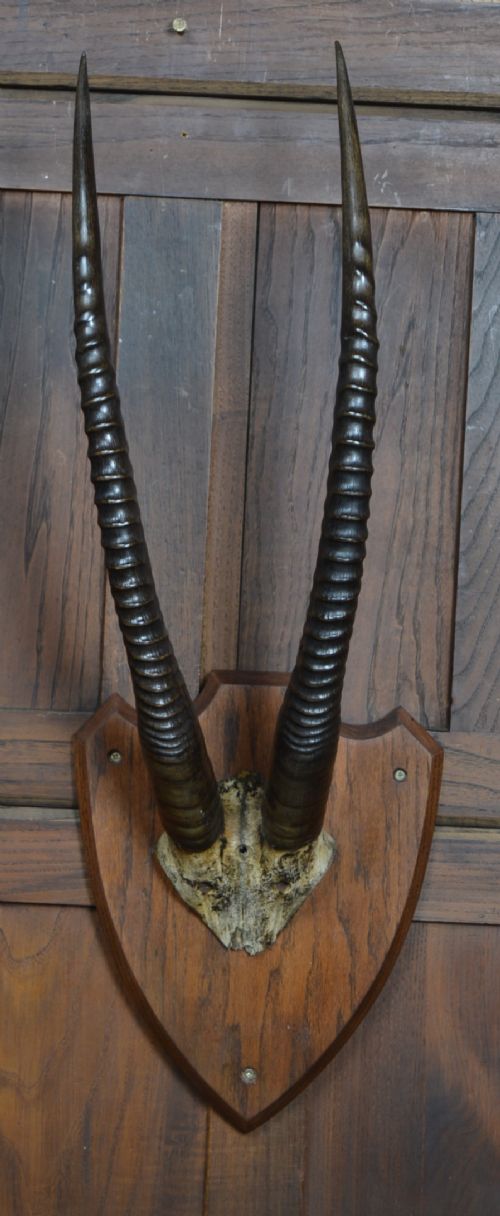
A victorian hunting plaque combines taxidermy, carved wood, and animal mounts to celebrate sporting pursuits. When searching for a victorian hunting plaque, buyers encounter wall panels, taxidermy trophies, and carved shields originating from the nineteenth century.
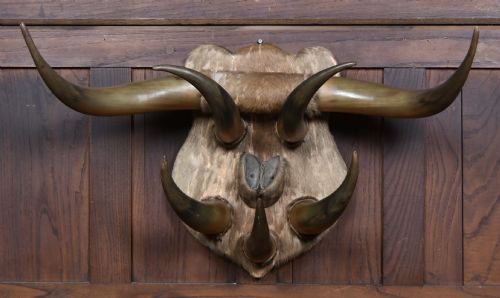
The pieces on this page span styles from Black Forest to Gothic Revival and Highland Hunting Lodge. Most examples utilise oak, timber, and natural animal elements such as horns, hooves, and antlers.
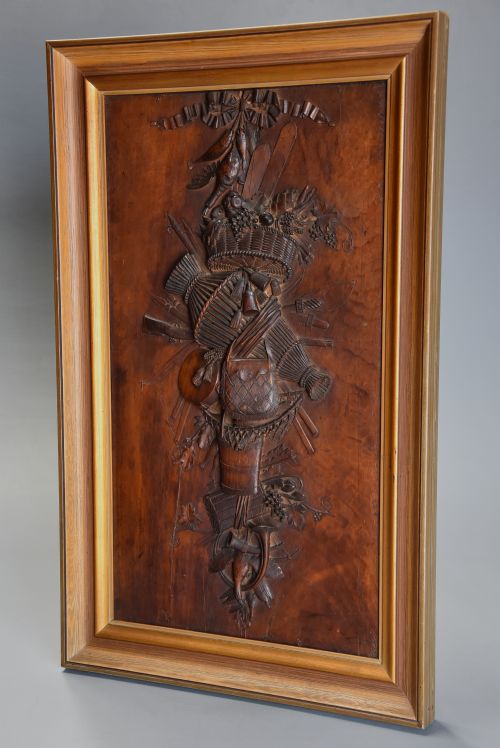
Forms range from large carved wood panels depicting hunting scenes to mounted animal heads and horn arrangements. These wall reliefs served as dramatic interior decorations in studies and country houses.
Materials and construction
Carvers shaped dense timbers like oak, walnut, and fruitwood into high-relief panels and mounting shields. Artisans secured natural materials including horn, bone, natural hide, and antlers directly onto these wooden backs.
Taxidermists prepared animal masks and trophies using traditional preservation methods before mounting them onto carved wooden plaques. Brass and other metals frequently appeared as supplementary hardware or decorative elements on equestrian and sporting pieces.
A horse's head made of oak and brass waits patiently to hold your daily crop.
Distinctions in quality
Quality rests in the depth and sharpness of the wood carving, especially visible in floral motifs, animal anatomy, and human figures. Finer panels display crisp detail without mechanical tool marks across the timber surface.
The taxidermy preparation dictates the standard of animal trophies, requiring realistic glass eyes, well-groomed fur, and stable hides. Master taxidermists achieved lifelike expressions and secure skeletal attachments that withstand age.
Peter Spicer & Sons
The Victorian Hunting Plaque Glossary
- Taxidermy trophy
- The preserved skin or head of an animal mounted for display. These pieces capture the likeness of hunted game.
- Black Forest
- A nineteenth-century carving style originating in Germany, known for deep relief and naturalistic animal subjects. It frequently depicts woodland creatures.
- Gothic Revival
- An architectural and decorative style drawing on medieval forms. Pieces in this style utilise pointed arches and heavy tracery.
- Highland hunting lodge
- An aesthetic associated with Scottish sporting estates. It relies on deer antlers, mounted horns, and rugged timber mounts.
- Relief panel
- A sculptural wall plaque where figures project from a flat background. Carvers remove the surrounding wood to create depth.
Victorian Hunting Plaque: Frequently Asked Questions
Where should I hang a plaque?
These pieces suit rooms with traditional timber panelling, studies, or hallways with high ceilings. They require sturdy wall anchors to support the combined weight of dense wood and taxidermy.
Keep them away from direct sunlight and strong heat sources to protect natural hides, horns, and wooden panels from drying out.
What woods were commonly used?
Oak is the predominant timber found across these nineteenth-century pieces, often selected for its durability and grain. Walnut and fruitwood appear in Continental and specialised relief carvings.
Carvers chose these hardwoods because they hold crisp detail in high-relief scenes without splintering.
Are horns and antlers original?
The horns, antlers, and hooves on these wall mounts are natural animal elements sourced during the nineteenth and early twentieth centuries. They are typically secured to wooden shields or carved backings using historical iron or brass fixings.
Examine the mounting points to understand how the natural horn integrates with the carved timber.