





Alpine Wood Carving
These alpine wood carving pieces bring rustic animal figures, lidded chalices, and tables into the home with traditional mountain craftsmanship.
Alpine Wood Carving
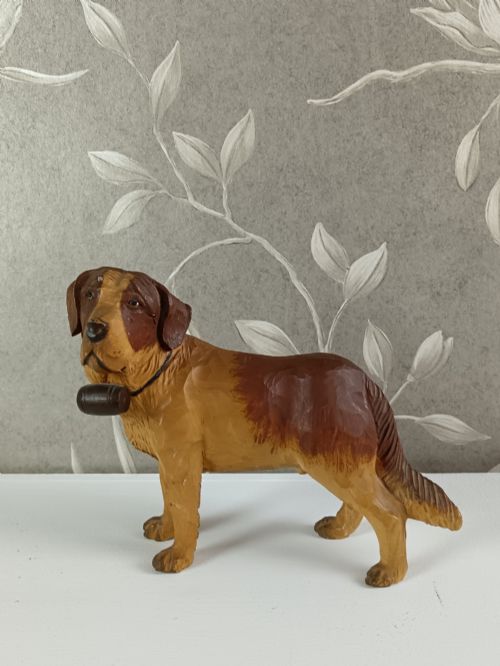
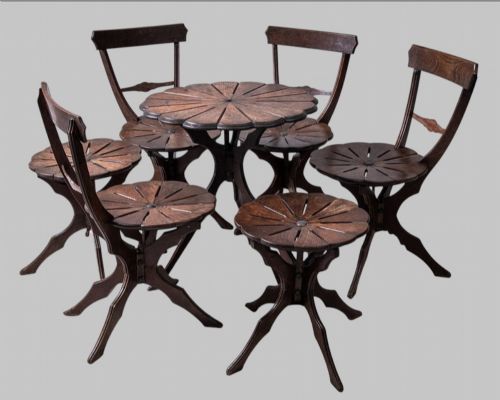
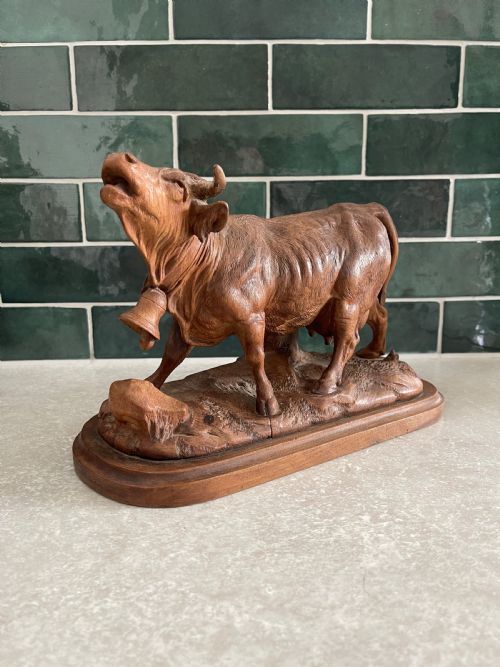
Alpine wood carving encompasses expressive sculptures, animal figures, and practical furnishings originating from mountain regions during the eighteenth and nineteenth centuries. Collectors encounter items ranging from small figures of Saint Bernard dogs and chamois to elaborate parlour suites, occasional tables, and wall plaques. The selection spans distinct regional expressions such as Swiss Brienz and Black Forest folk art.
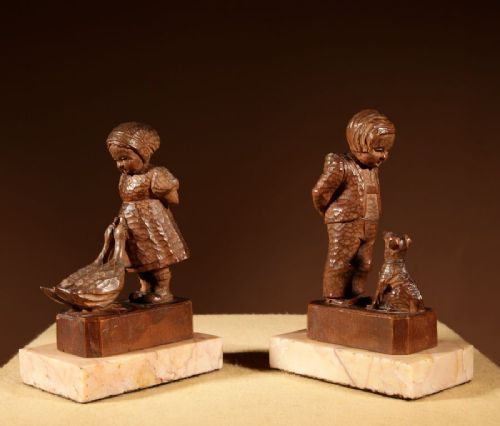
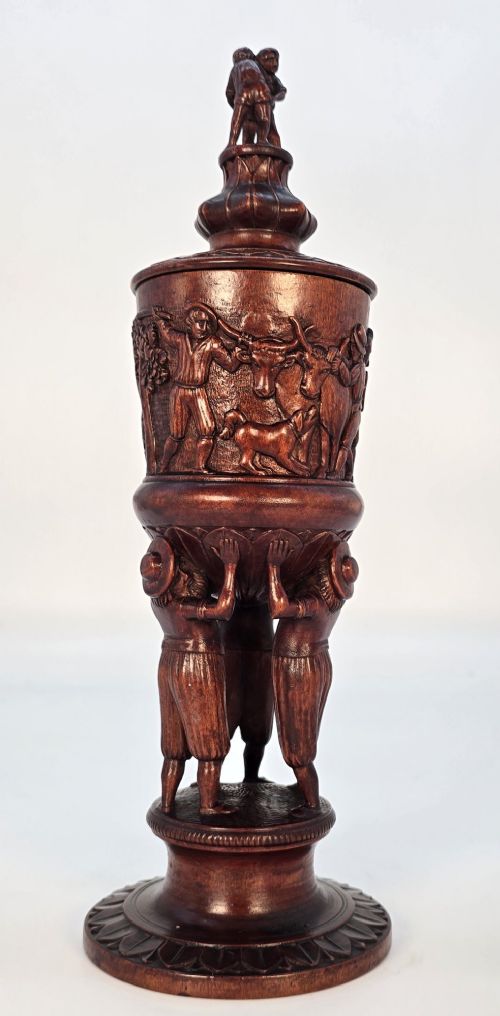
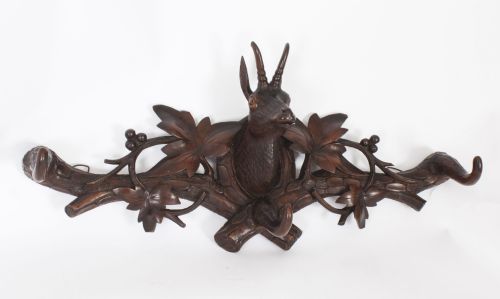
Domestic objects also appear frequently within these pieces, including decorative chalices, game box sets, and bevelled mirrors set into carved wooden frames. Animal trophies and hat racks reflect the utilitarian yet ornate nature of the tradition. Figures of peasant couples and saints demonstrate the figurative scope available to buyers.
Materials and Techniques
Carvers utilised local timbers such as walnut, oak, fruitwood, and linden wood to execute detailed three-dimensional forms. Pear wood and elm also appear in specific sculptural works and seating furniture. Marquetry inlay sometimes supplements the carved surfaces on tables and occasional furniture.
Listings feature eighteenth-century tables alongside nineteenth-century Black Forest animal sculptures and Edwardian mirrors.
Assessing Quality and Execution
Depth of relief and anatomical precision differentiate superior sculptures from standard decorative items. The treatment of fur, muscle structure, and facial expression reveals the hand of a skilled artisan rather than mass production. Signed works by documented makers demonstrate higher artistic ambition.
The integration of functional elements, such as hinged boxes or sturdy parlour suite joints, affects the overall standard of preservation and utility. Wood selection and the crispness of marquetry inlay further separate simpler vernacular pieces from elaborate workshop commissions.
The Alpine Wood Carving Glossary
- Black Forest
- A style of wood carving originating from the mountainous region of central Europe, known for realistic animal studies and rustic furnishings. These works often depict bears, dogs, and forest game.
- Swiss Brienz
- A specific centre of wood carving excellence in Switzerland, famous for highly detailed animal sculptures and chalet-style decorative objects. Carvers here utilised linden wood and walnut.
- Linden wood
- A pale, fine-grained timber favoured by traditional carvers for its smooth texture and resistance to splitting. It allows for intricate undercutting and delicate detail work.
- Marquetry
- The art of applying small pieces of veneer to a wooden structure to form decorative patterns or pictures. This technique often appears on tables and boxes.
- Escabelle
- A traditional type of wooden chair or stool with a solid board seat and splayed legs. These functional pieces form part of regional alpine seating sets.
Alpine Wood Carving: Frequently Asked Questions
What subjects do these carvings usually show?
Most pieces depict native alpine animals, including Saint Bernards, chamois, ibex, and cattle, alongside human figures like peasant couples and saints. Functional items such as hunting trophies, clocks, and mirrors also feature prominently.
These subjects reflect the rural mountain environment and cultural traditions of nineteenth-century European carvers.
How do I identify Swiss Brienz pieces?
Swiss Brienz works typically exhibit exceptional anatomical realism and deep, crisp carving in woods like linden and walnut. They often take the form of animals, chalices, or detailed small-scale figures.
The region gained renown for its mastery of naturalistic animal sculpture during the nineteenth century.
How should I care for antique wooden carvings?
Keep wooden pieces away from direct sunlight and extreme temperature fluctuations to prevent the timber from drying out or splitting. Dust gently with a soft brush and avoid harsh chemical polishes.
Maintaining stable humidity in the room preserves the integrity of both the carved details and any inlaid elements.