

Victorian Howard Style Seat
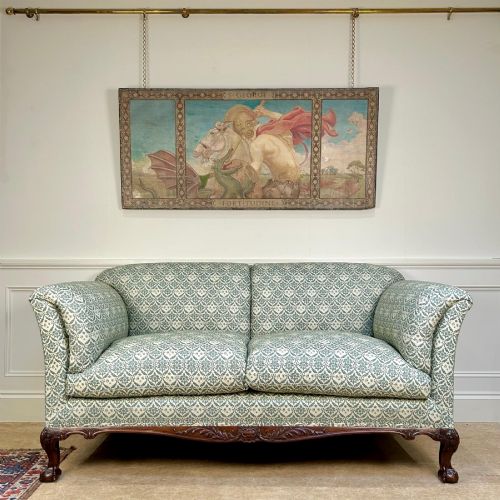
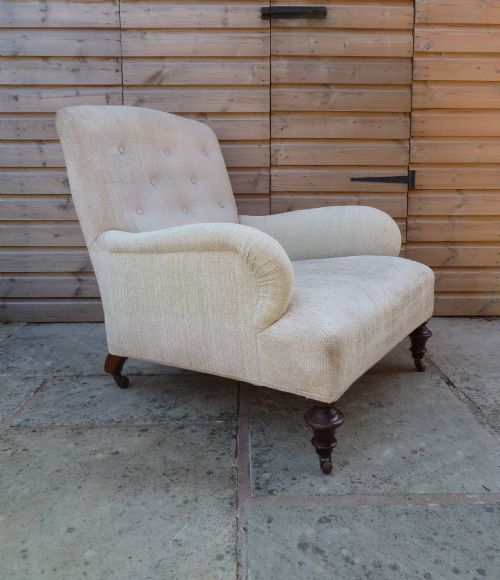
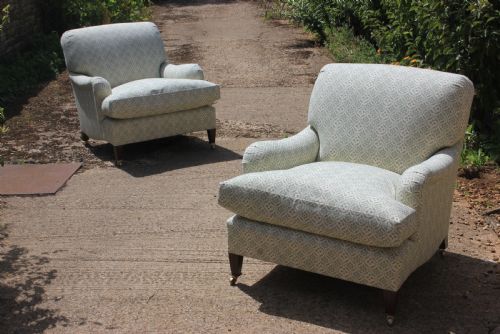
These victorian howard style seat pieces bring deep, sprung comfort and English country house character to a room.
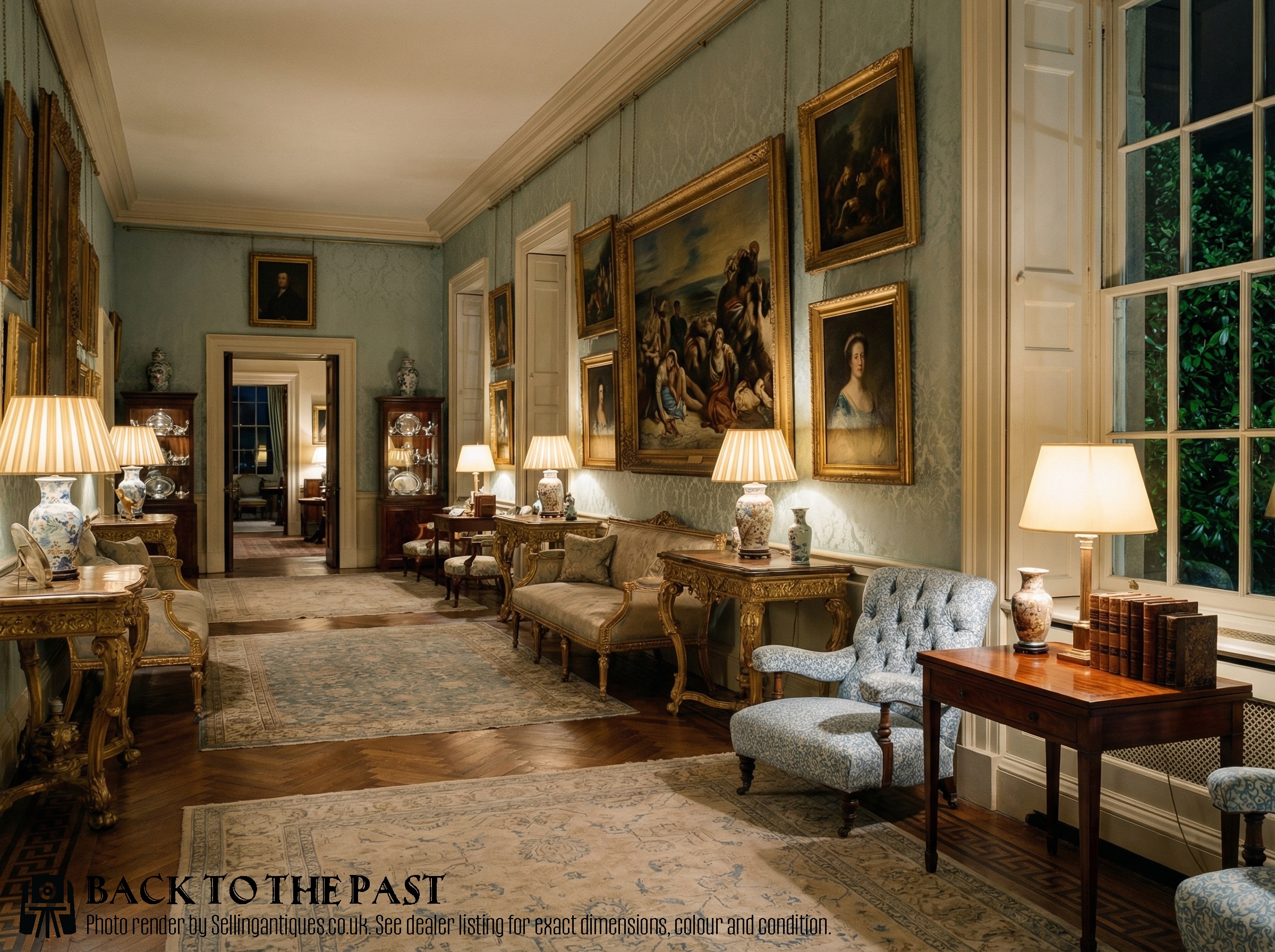
Victorian Howard Style Seat
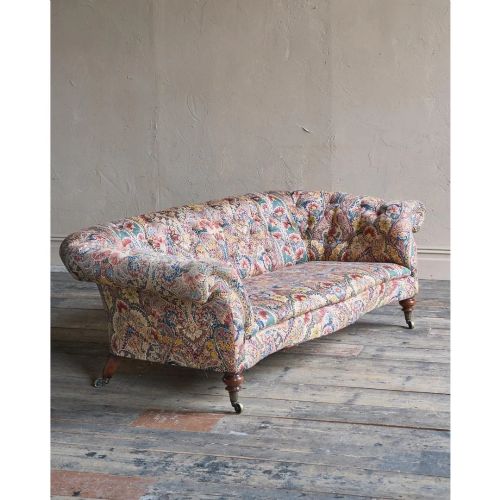
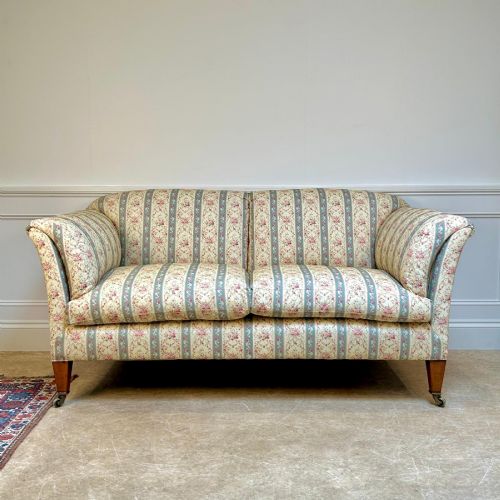
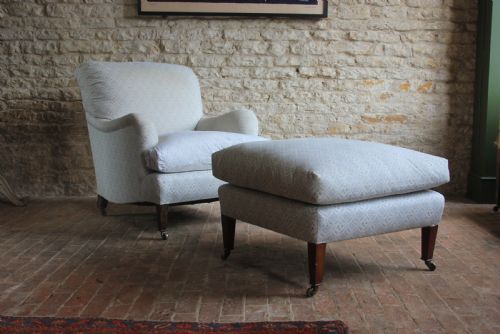
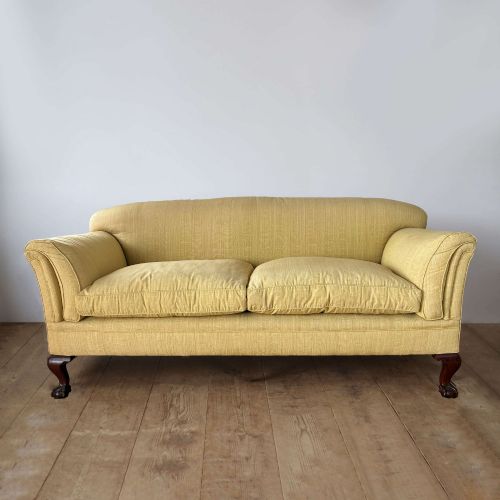
A victorian howard style seat encompasses deep armchair designs, large club seating, and low country house sofas built for comfort. Buyers on this page encounter pieces dating from the nineteenth century through the Edwardian period, often reflecting traditional English country house aesthetics.
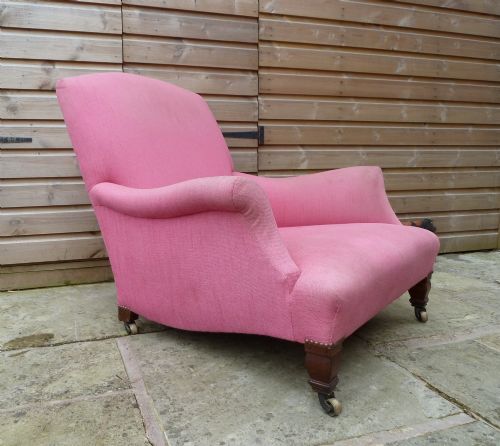
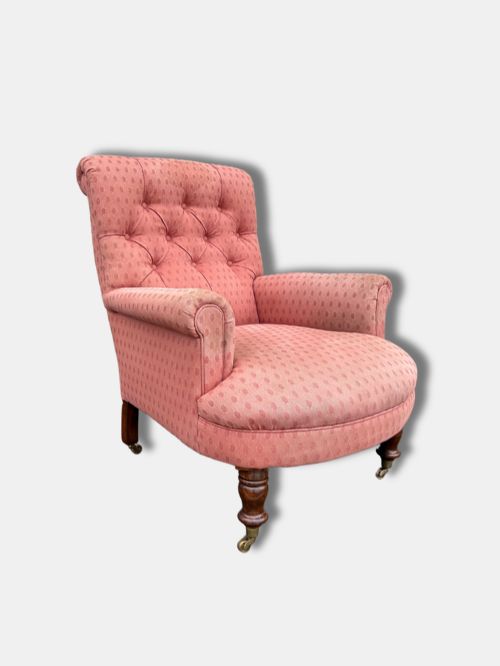
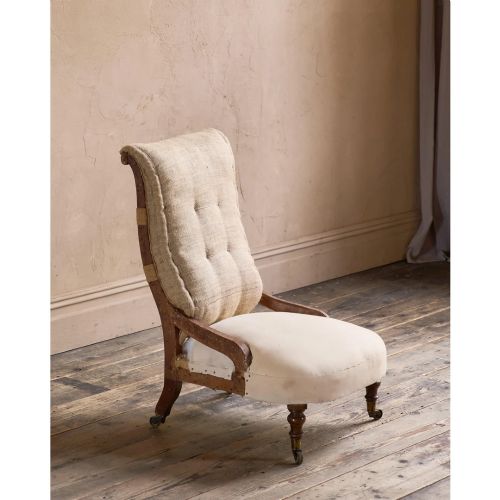
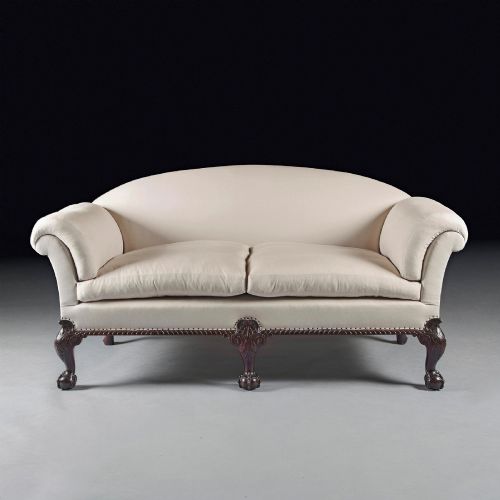
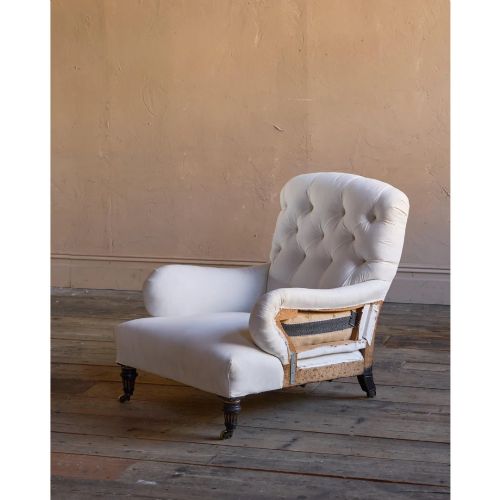
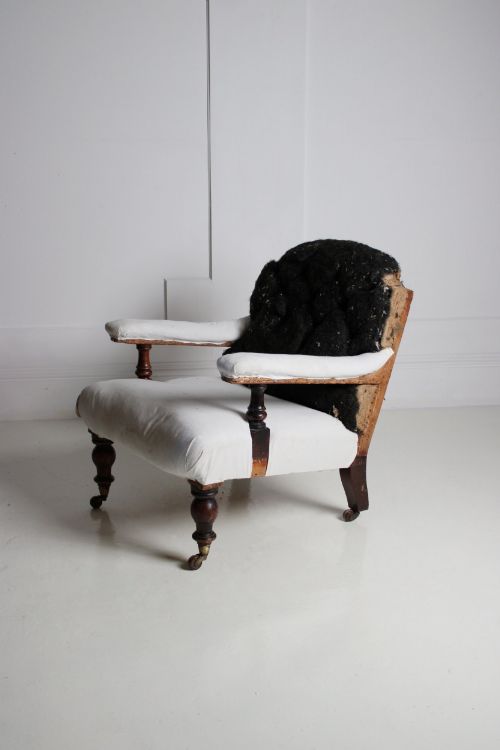
The selections span from open armchairs and button back designs to large sofas and slipper chairs. Many examples originate from the Victorian era, displaying the characteristic low profile and generous proportions associated with nineteenth century seating.
Makers such as Howard and Sons, James Shoolbred, and Trollope and Sons established the template for these forms. Today, buyers find both original productions and later pieces made in the established style.
Materials and Construction
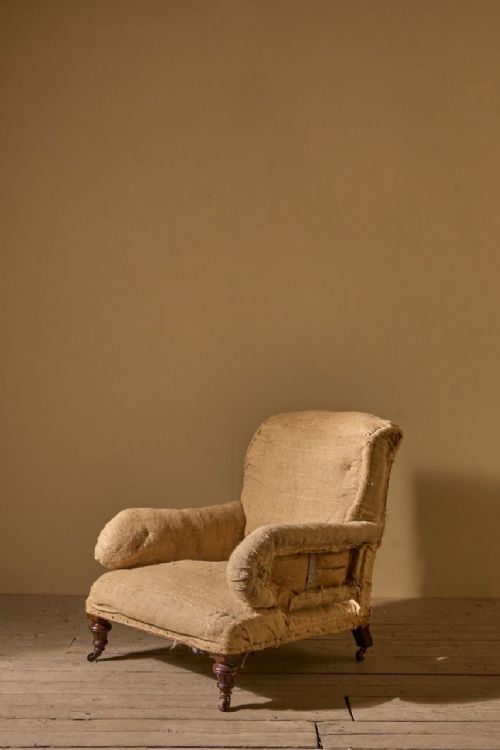
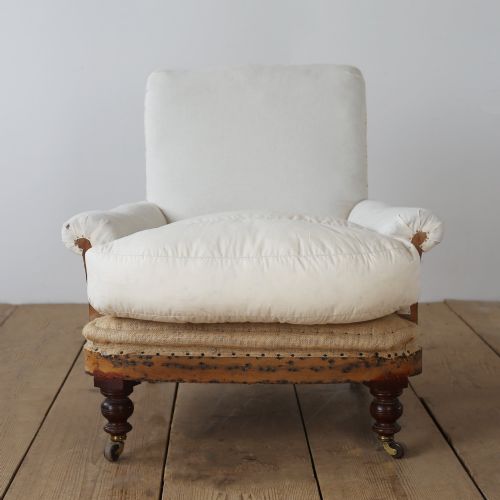
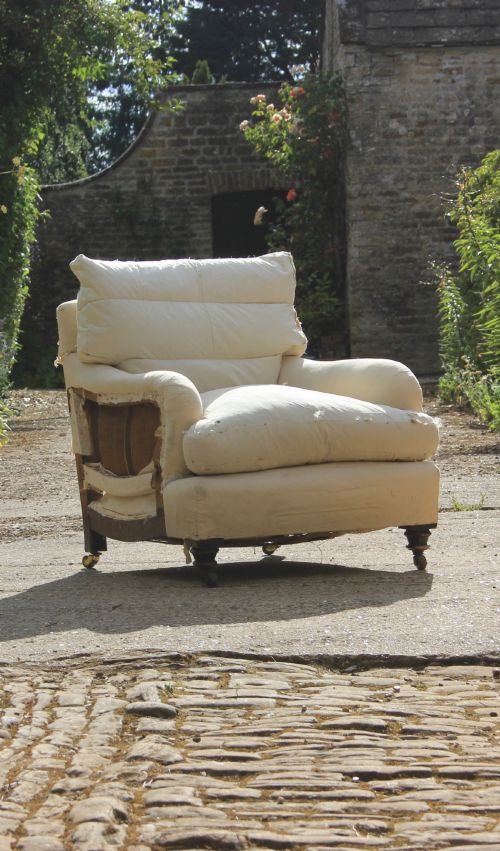
Frames rely on sturdy timbers including mahogany, walnut, and general hardwood to support heavy internal springing. Upholsters built the foundations using materials like hessian, calico, and fabric over traditional coil springs.
Exposed elements show turned wooden legs, often mounted on brass castors for mobility. Aesthetic movement examples introduce distinct leg carvings, while other pieces utilise ball and claw feet.
Victorian Howard Style Seat Retail Price Guide 2026
Typical asking prices for victorian howard style seat among the pieces listed under this phrase on Sellingantiques today, from the lower quarter to the upper quarter. They describe what is for sale here now, not the wider market.
The selection includes Edwardian items alongside Victorian pieces displaying aesthetic movement legs and ball and claw feet.
Distinctions in Quality
Quality rests in the integrity of the frame timber and the depth of the original upholstery build. Heavier hardwoods and robust internal springing separate standard commercial work from superior country house production.
The subtlety of the proportions and the fidelity of the maker's stamp or upholstery markings elevate certain examples above unbranded workshop pieces.
Howard and Sons·James Shoolbred·Trollope and Sons·SF Cullen
The Victorian Howard Style Seat Glossary
- Ticking
- A heavy, tightly woven cotton or linen fabric traditionally used as a dust cover or under-upholstery layer on nineteenth century seating. It appears frequently on country house armchairs and sofas.
- Button back
- An upholstery method where depressions are formed in the backrest by pulling buttons deep into the padding. This technique creates a tufted surface seen on Victorian seating.
- Castor
- A small wheel attached to the base of a furniture leg to allow smooth movement across carpets and flooring. Brass fittings are common on nineteenth century upholstered chairs.
- Bridge-water
- A specific armchair configuration associated with comfortable club seating and low proportions. These pieces often coordinate with matching footstools.
- Slipper chair
- A low-seated bedroom chair designed without arms or with low arms for ease of dressing. Nineteenth century examples retain deep padding and compact dimensions.
Victorian Howard Style Seat: Frequently Asked Questions
What defines a victorian howard style seat?
These seats are characterised by deep, sprung comfort, low profiles, and generous proportions designed for nineteenth century country house living. They utilise sturdy hardwood frames hidden beneath heavy upholstery.
Many examples incorporate turned legs with brass castors and traditional ticking covers. The style prioritises ergonomic ease over rigid formality.
How do I identify an original nineteenth century piece?
Look for period construction methods, traditional materials like hessian and horsehair beneath the surface, and maker markings on the castors or frame. Original pieces typically show age-appropriate wear to the timber and internal webbing.
Comparing the proportions and leg styles against documented nineteenth century examples helps confirm the period. Many pieces also carry stamps or paper labels from the original cabinet makers or upholsterers.
Where were these seats placed originally?
Country houses and large Victorian drawing rooms served as the primary locations for these deep-seated armchairs and sofas. Their comfortable proportions made them suitable for libraries and reading rooms.
Smaller variants, such as bedroom chairs and slipper chairs, found use in private chambers. Today, they transition easily into modern living rooms and studies.
How should I care for the upholstery?
Protect the fabric from direct sunlight to prevent fading of traditional ticking and decorative covers. Regular light vacuuming removes dust from the deep crevices and button folds.
Professional upholstery cleaning preserves the internal stuffing and maintains the integrity of the original materials. Avoid harsh chemical treatments on antique textiles.