
Victorian Howard Style Chair
When you search for a victorian howard style chair, you enter a tradition of deep-seated English country house comfort that defines traditional seating.
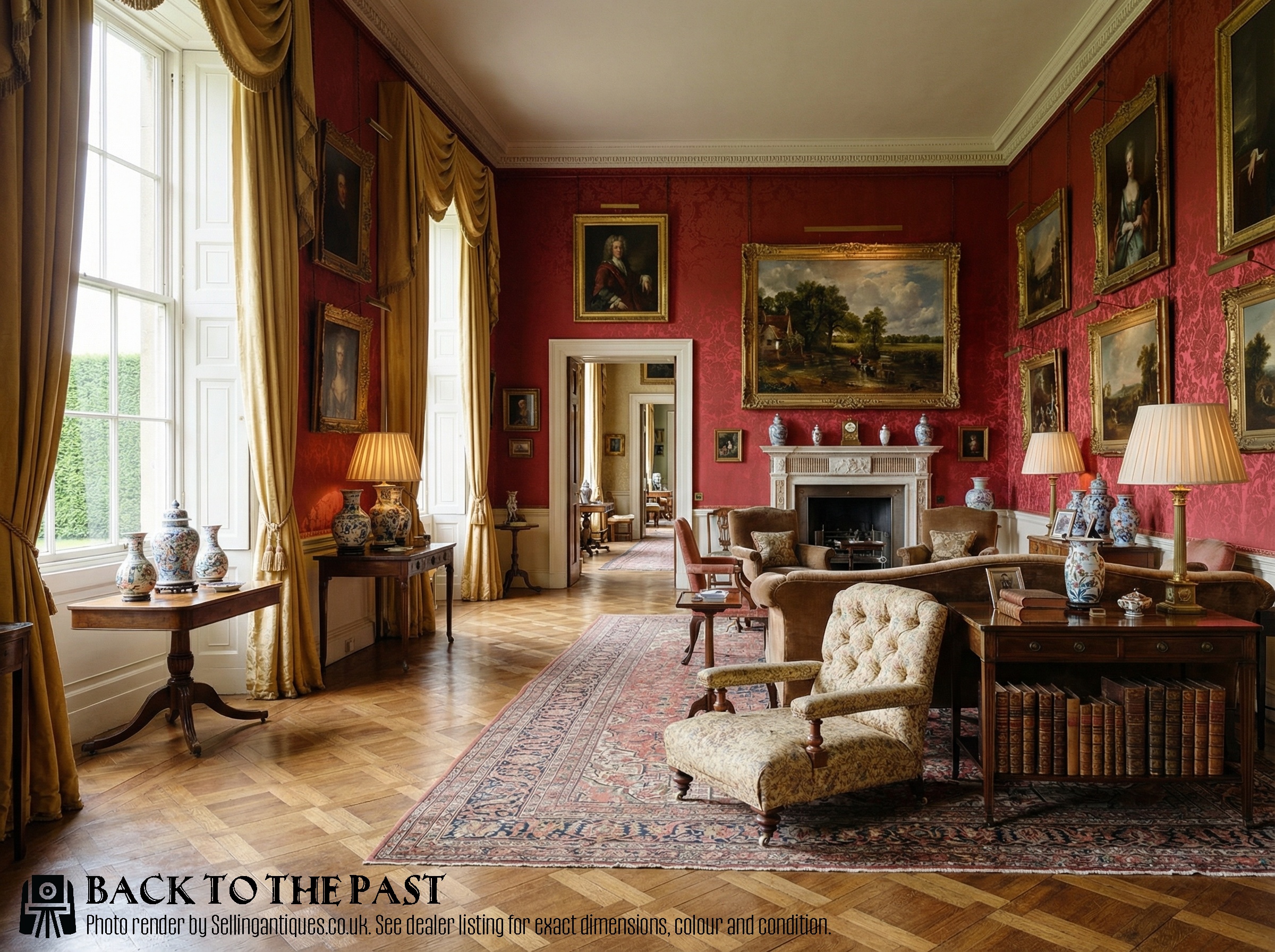
Victorian Howard Style Chair
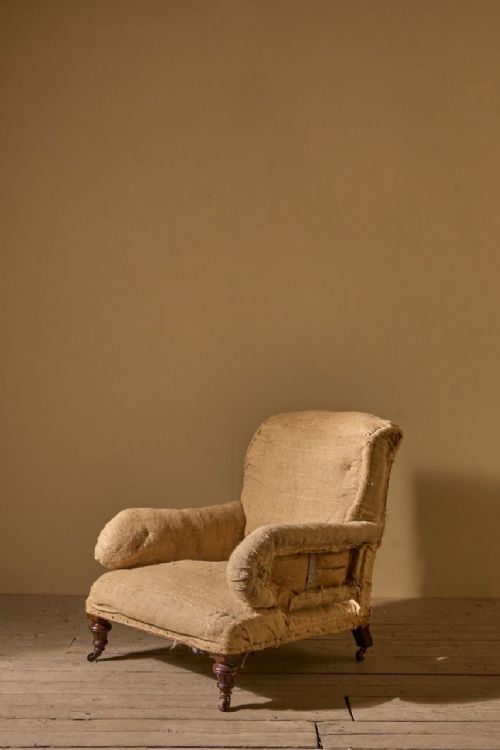
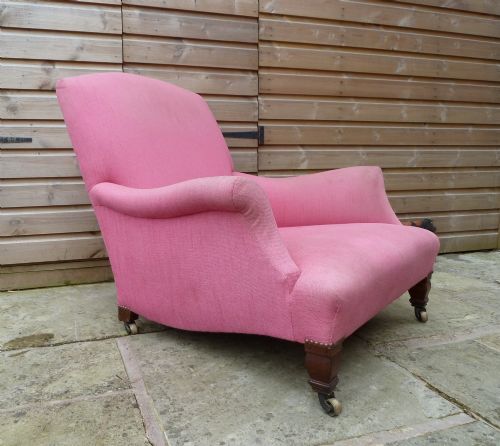
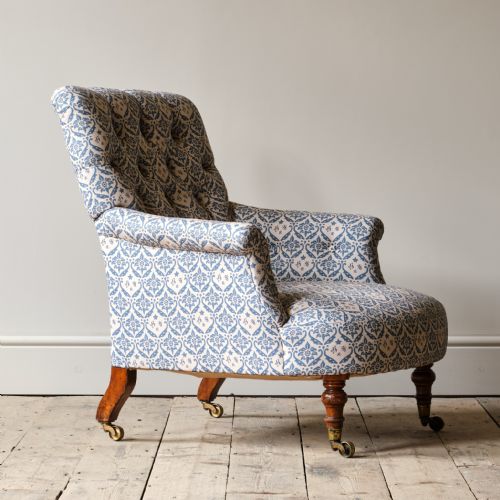
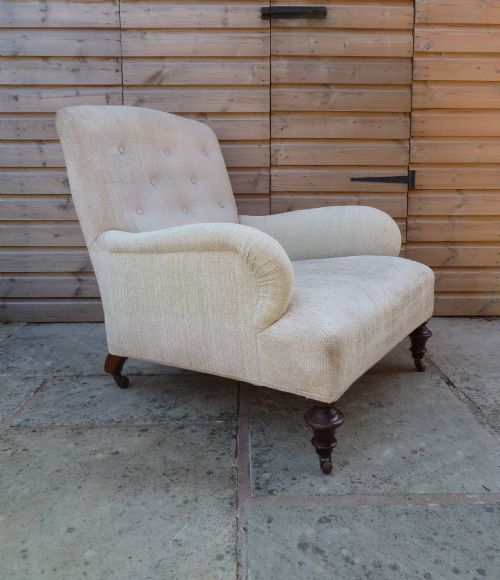
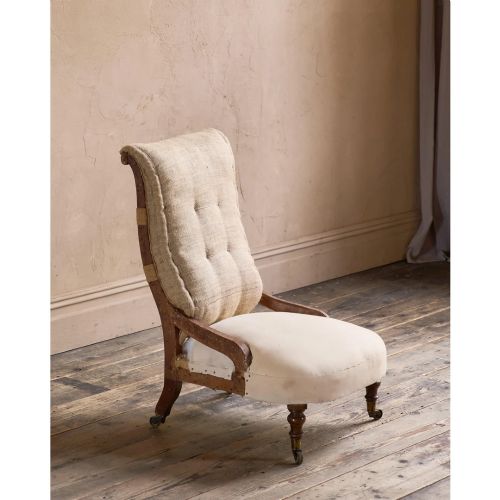
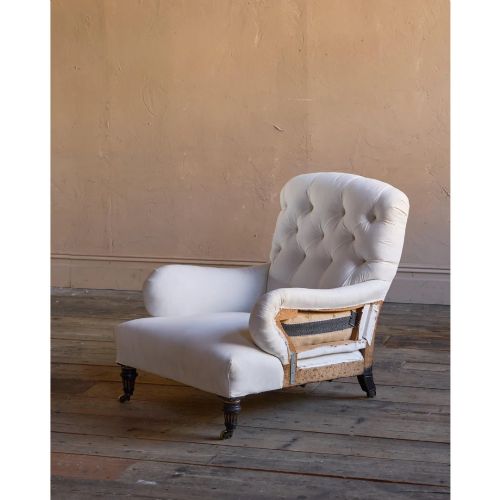
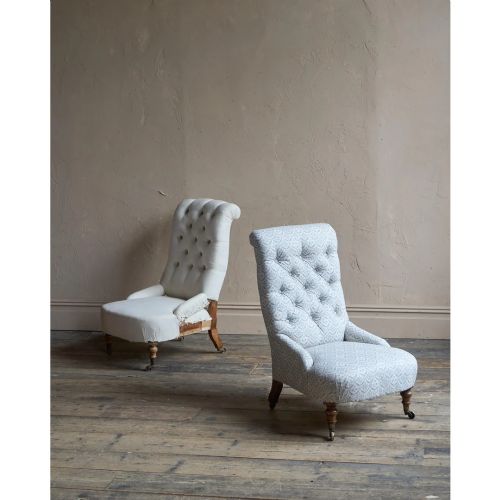
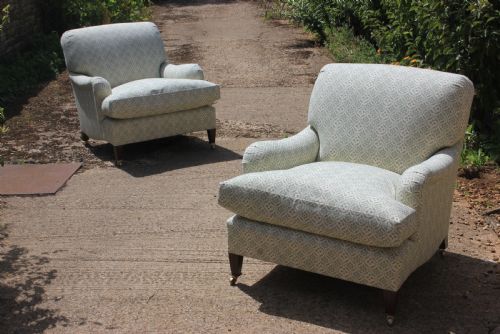
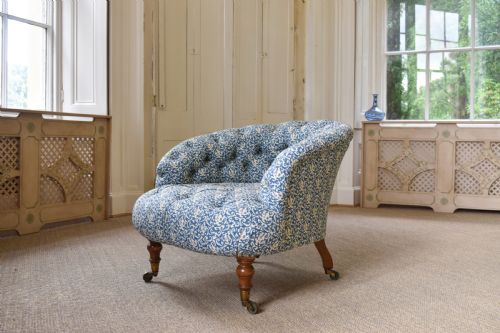
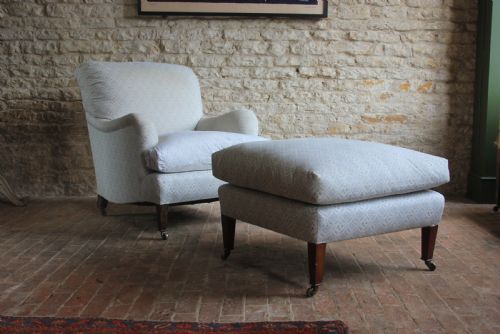
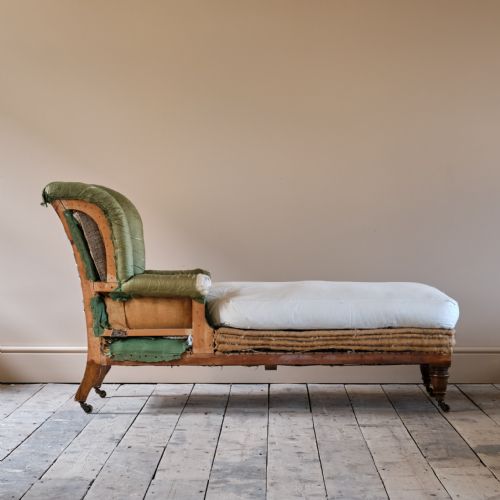
A victorian howard style chair is a deeply padded, low-slung armchair built for relaxation, typically featuring scrolled arms and generous proportions. These pieces range from standard club armchairs to long-seated variations, daybeds, and occasional chairs designed for country houses.
The versions most commonly found combine robust wooden frames with sprung upholstery, often upholstered in ticking, cotton, calico, or heavy fabric. They trace their origins through the nineteenth century, reflecting the evolution of domestic comfort from the Victorian era into the Edwardian period.
How they were made
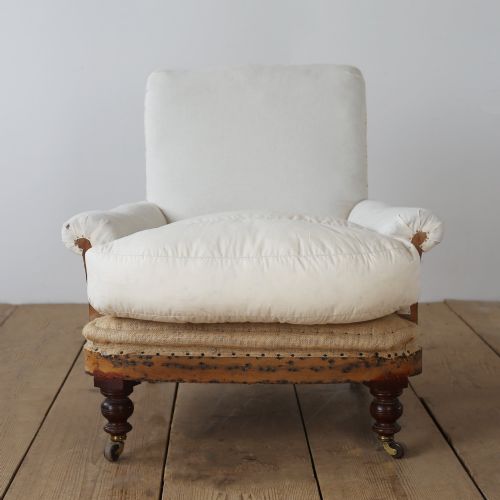
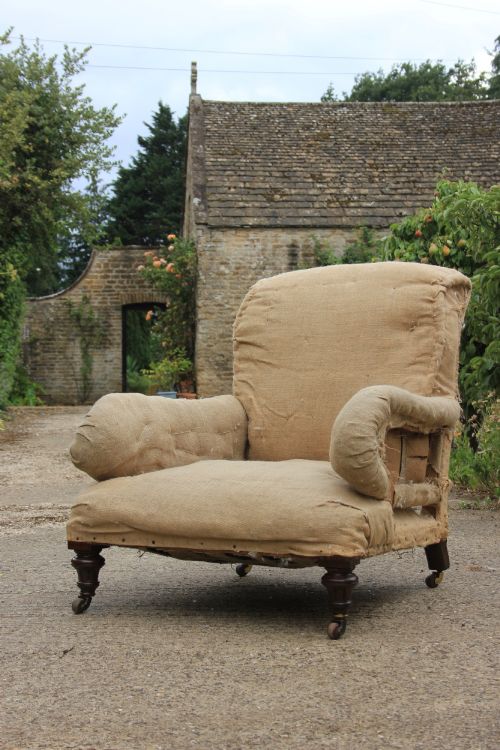
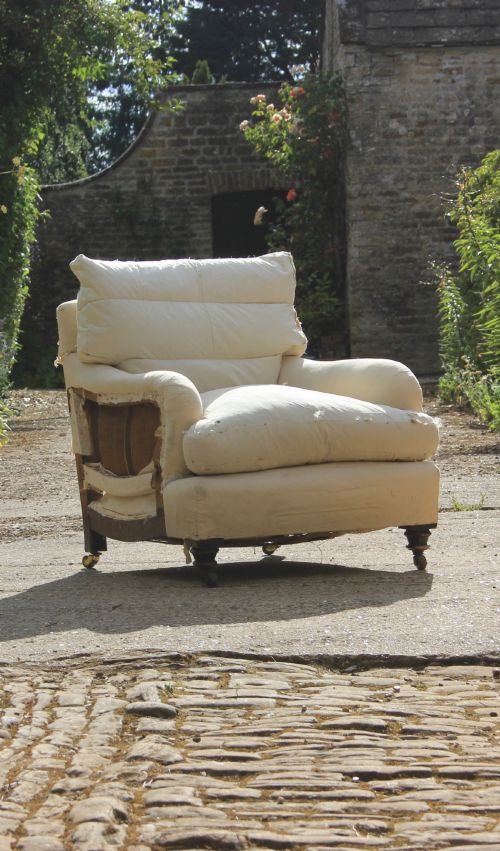
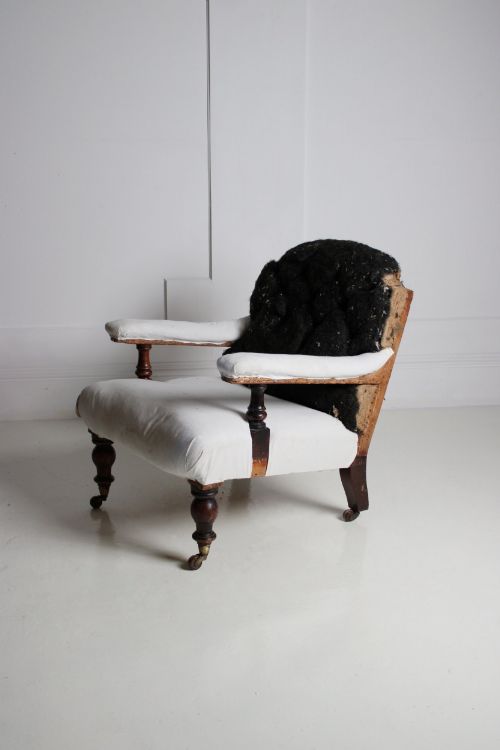
Makers constructed the foundational frames using sturdy hardwoods such as mahogany, walnut, oak, and general timber, ensuring structural resilience for heavy domestic use. These frames supported complex internal spring systems layered with traditional materials like hessian, hair, and cotton stuffing.
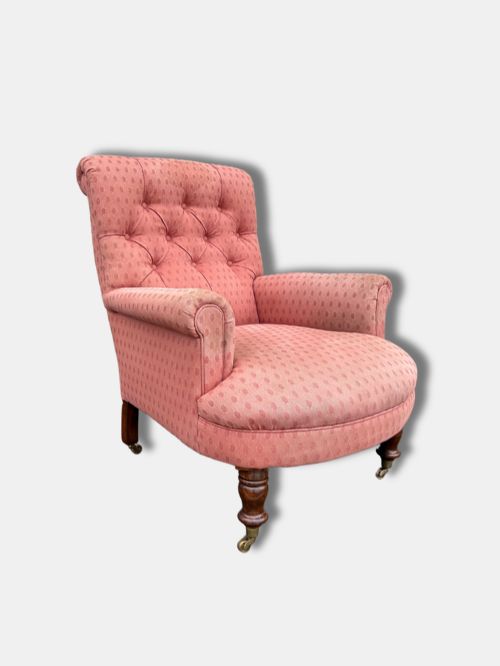
Outer upholstery relied on durable textiles including cotton, calico, and ticking, often supported by brass castors on turned wooden legs. Final detailing frequently incorporated decorative elements such as button backs or specific maker stamps on the legs and castors.
Listings feature pieces spanning the 1850s through to the Edwardian period, constructed from walnut, mahogany, oak, and general wood.
What varies in quality
Quality rests primarily in the integrity of the internal springing and the rigidity of the hardwood frame beneath the upholstery. Pieces featuring maker attribution or documented provenance from notable workshops command greater attention from collectors.
The subtlety of the proportions and the crispness of the turned wooden legs or brass castors distinguish finer examples from standard production. Upholstery choices, ranging from simple ticking to patterned fabric or leather, also alter the character and historical weight of the piece.
Howard and Sons·Robert Strahan·James Shoolbred·Trollope and Sons·Cornelius V Smith·SF Cullen
The Victorian Howard Style Chair Glossary
- Bridgwater armchair
- A specific armchair variant characterised by low, rolled arms and a deep seat designed for maximum lounging. This form became a staple of English country house interiors.
- Ticking
- A tightly woven cotton or linen fabric historically used as a durable inner or outer cover for heavy upholstery. Its striped pattern remains closely associated with traditional country house seating.
- Hessian
- A coarse woven fabric, typically made from jute fibres, utilised inside upholstery construction as a foundation layer. It provides structural support beneath the stuffing and springs.
- Castor
- A small wheel mounted on a swivel attached to the base of furniture legs for ease of movement. Brass versions are frequently encountered on nineteenth-century upholstered seating.
- Button back
- An upholstery technique where depressions are formed in the padding by stitching through to the frame, secured with fabric-covered buttons. This method adds structural tautness and decorative texture.
Victorian Howard Style Chair: Frequently Asked Questions
How do I identify a Howard style chair?
Look for low, scrolled arms, generous seating depths, and turned wooden legs finished with brass castors. Many genuine examples or period interpretations also feature stamped markings on the frame or castors.
Proportions are typically lower and wider than standard Victorian armchairs, prioritising relaxed posture over upright formal sitting.
What fabrics were originally used on these chairs?
Original upholstery frequently utilised heavy cotton ticking, plain calico, or durable woollen fabrics. Many pieces were designed as foundations for loose slipcovers.
Later restorations often incorporate patterned textiles, leather, or William Morris fabrics, reflecting both historical preference and modern decorative choices.
Are these chairs comfortable for daily use?
These pieces were engineered specifically for long periods of relaxation in nineteenth-century country houses. The deep seats and complex spring systems provide substantial support.
Their generous dimensions require adequate floor space, making them ideal as primary lounge seating rather than compact occasional chairs.
How can I date a nineteenth-century armchair?
Dating relies on examining the timber species, castor design, and internal construction methods visible beneath the upholstery. Earlier examples often feature mahogany or walnut frames.
Stylistic shifts, such as the introduction of aesthetic movement details or specific maker signatures, help narrow the period of manufacture between the 1850s and the Edwardian era.