



Victorian Horn Table
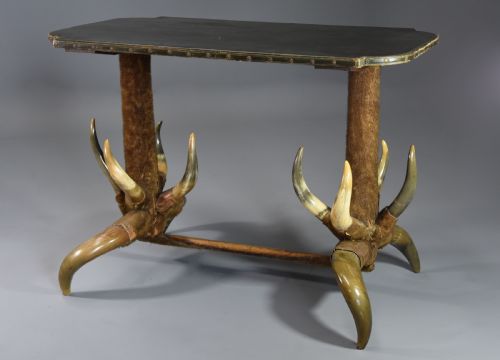
These striking victorian horn table objects combine organic material with metalwork to create functional conversation pieces for a room.
Victorian Horn Table
Most items stem from the nineteenth century and the Edwardian era, reflecting a period taste for taxidermy and natural curiosities in domestic interiors. Cow horn and ram horn form the primary structural components of these functional conversation pieces.
Buyers encounter distinct forms ranging from substantial dinner gongs supported by oak and horn to smaller decorative bowls and novelties. Each piece showcases the distinctive curved texture of natural horn combined with metal mounts characteristic of the period.
Materials and construction
Maker workshops utilised natural cow horn and ram horn, shaping the organic material through heat to achieve the desired curves and structures. These horn sections were then joined to sturdy timber bases like oak or mounted directly onto metal frameworks.
Craftsmen secured the organic elements using brass, sterling silver, and silver plate for mounts, hinges, and decorative rims. Silver mounts frequently bear hallmarks that indicate the precise year of assay and the workshop responsible for the metalwork.
Victorian Horn Table Retail Price Guide 2026
Typical asking prices for victorian horn table among the pieces listed under this phrase on Sellingantiques today, from the lower quarter to the upper quarter. They describe what is for sale here now, not the wider market.
Listings feature items spanning the Victorian era, the late 19th century, and the Edwardian period.
Assessing quality
The standard of a piece depends heavily on the integration between the organic horn and the metal mounts, where tighter joints and heavier gauge silver or brass elevate the construction. Superior examples display clean horn surfaces with well-preserved natural grain and minimal cracking.
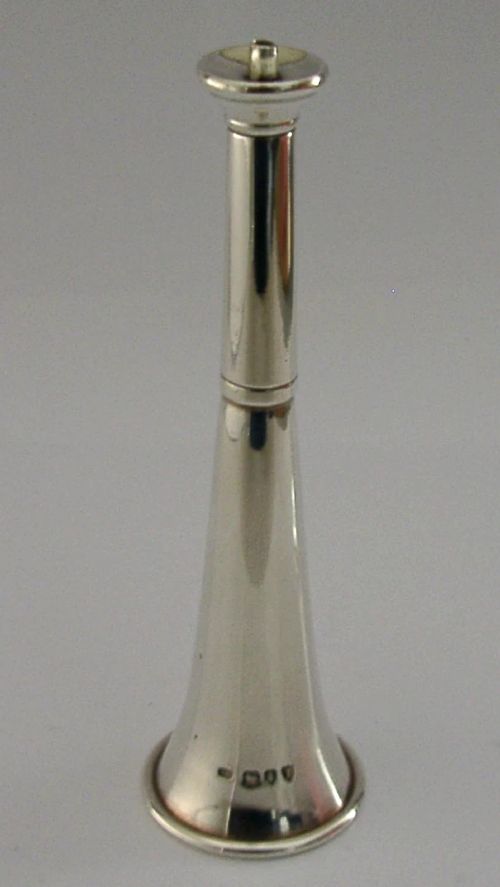
Design ambition also separates standard items from exceptional ones, with novelty forms like hunting horns and figural table lighters demanding greater skill from the maker. Original mounts and uncompromised structural integrity contribute significantly to the standing of any given object.
BRAHAM·Horace Woodward & CO LTD
The Victorian Horn Table Glossary
- Dinner gong
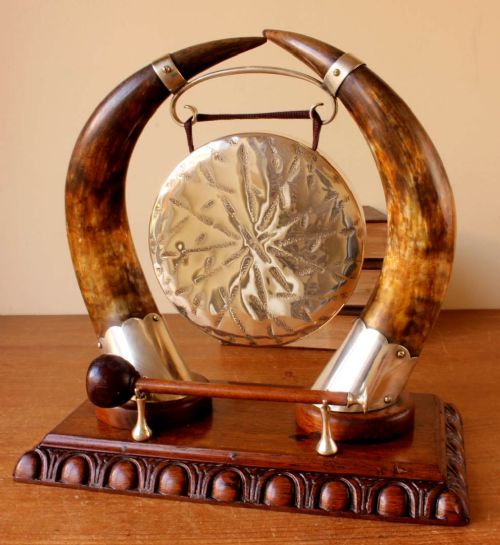
- A percussion instrument mounted on a stand, traditionally struck to signal the start of a meal. These often feature large cow horns attached to oak backing boards.
- Snuff mull
- A container used for holding dry snuff tobacco, commonly fashioned from a ram horn and fitted with metal lids and mounts. Scottish examples frequently display hinged pewter or silver lids.
- Table lighter
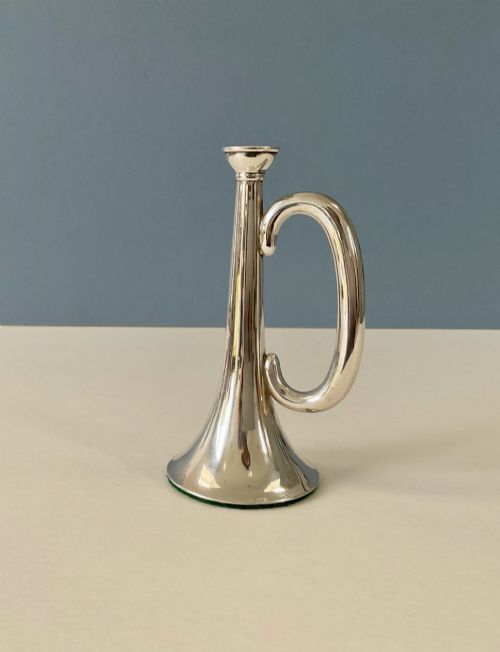
- A mechanical device designed to sit on a tabletop and provide a flame for cigars or pipes, often styled as a hunting horn in sterling silver.
- Silver plate
- A layer of silver applied to a base metal core such as copper or brass. This technique allowed makers to achieve the appearance of solid silver at a lower cost.
- Vaseline glass
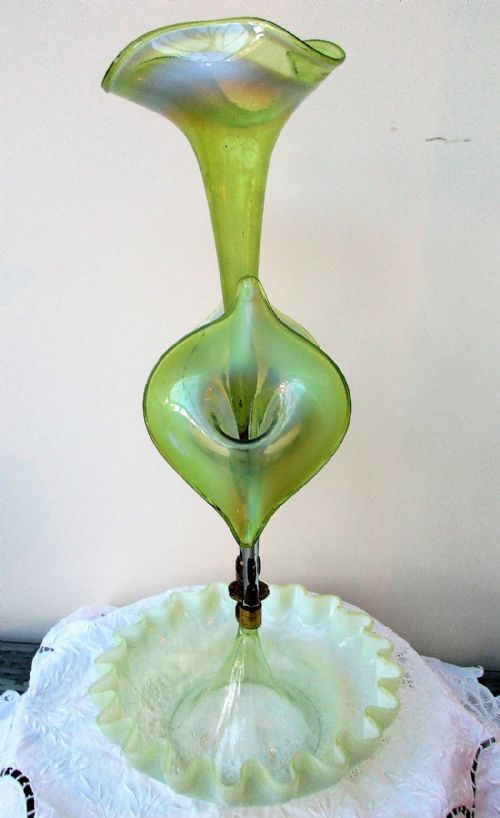
- A type of glass coloured with uranium dioxide that exhibits a distinct yellow-green fluorescence under ultraviolet light. It appears alongside horn objects in nineteenth-century table settings.
Victorian Horn Table: Frequently Asked Questions
How were horn dinner gongs used?
These gongs sat on side tables in large nineteenth-century homes where household staff struck them with a mallet to announce dinner. The resonant quality of the horn and metal combination carried sound effectively across multiple rooms.
Today they function primarily as decorative conversation pieces on side tables or sideboard surfaces. Their striking organic silhouette brings a distinct nineteenth-century aesthetic to domestic interiors.
What is a horn table?
This descriptor refers to occasional furniture constructed using animal horn as a primary structural or decorative element. Such pieces often incorporate brass or silver mounts to secure the curved horn sections.
They reflect the Victorian fascination with natural history and exotic materials in home furnishing. Surviving examples remain unusual items within nineteenth-century decorative arts.
How do I care for horn objects?
Natural horn responds well to occasional light conditioning with neutral oils to prevent the material from drying out. Keep these items away from direct sunlight and excessive heat sources to avoid warping.
Metal mounts require gentle cleaning with appropriate silver or brass polishes while avoiding contact with the surrounding horn. Careful handling ensures the structural joints remain secure over time.
Are these pieces strictly Victorian?
The majority of items date from the Victorian era and the late nineteenth century, reflecting the peak of this decorative trend. Edwardian examples also appear, continuing the preference for natural curiosities into the early twentieth century.
Assay marks on silver mounts and general construction styles help distinguish between different decades. Most pieces retain characteristics tied directly to nineteenth-century workshop practices.