



Victorian Historical Watercolour
A victorian historical watercolour captures the texture of past centuries through pigment and paper, offering an intimate window into nineteenth-century subjects and scenes.
Victorian Historical Watercolour
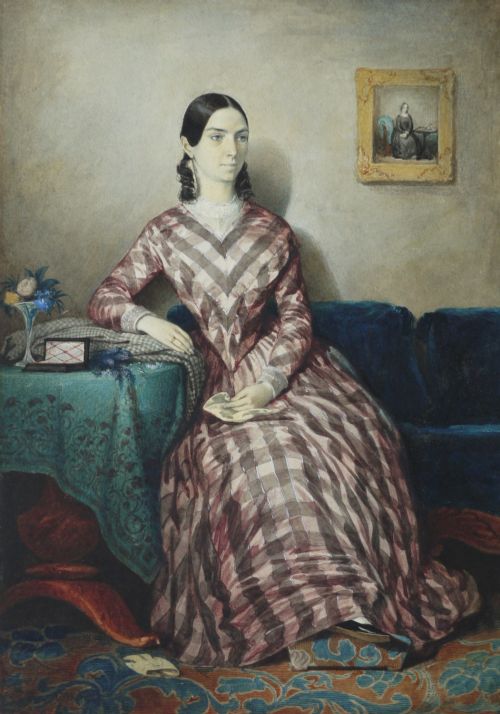
A victorian historical watercolour brings together detailed portraiture, topographical landscapes, and narrative scenes executed on paper during the nineteenth century. These works frequently depict named historical figures, architectural landmarks, or domestic interiors that evoke earlier eras like the Georgian period.
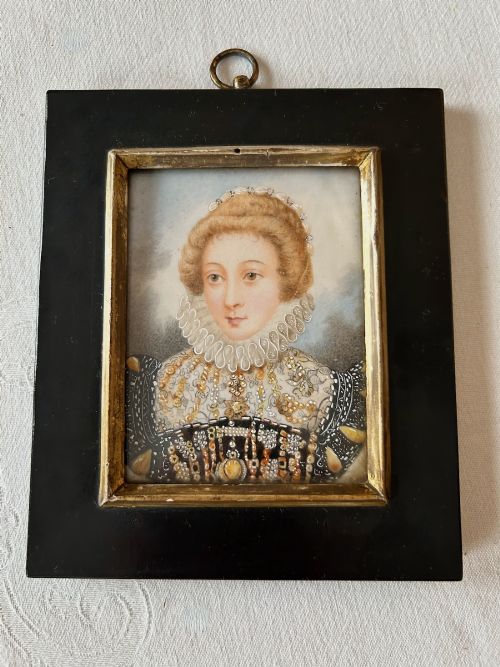
Buyers encountering this selection will find examples ranging from early nineteenth-century portrait miniatures to expansive landscape and genre paintings spanning into the early twentieth century. The prevailing aesthetic draws upon Victorian British School conventions, Romantic Revival moods, and careful Realism.
Works on this page encompass framed paintings under glass, often housed in ebonised wood or gilt metal frames. The subjects bridge personal likenesses, such as named sitters and royalty, alongside river views, streetscapes, and dramatic narrative compositions.
Materials and execution
Protection and presentation were integral to the survival of these works, leading to framing in ebonised wood and gilt metal, frequently sealed behind glass. This combination shielded delicate pigments on paper from atmospheric moisture and handling over successive decades.
Victorian Historical Watercolour Retail Price Guide 2026
Typical asking prices for victorian historical watercolour among the pieces listed under this phrase on Sellingantiques today, from the lower quarter to the upper quarter. They describe what is for sale here now, not the wider market.
One cheerful interior scene captures an afternoon snooze by the fireside, proving that even Victorian historical artists appreciated a quiet nap.
Distinctions in craftsmanship
The distinction between standard examples and the finest works rests upon the precision of brushwork and the complexity of the composition. Portrait miniatures and large narrative scenes by established artists demonstrate superior command of likeness, perspective, and tonal gradation.
Condition and context further elevate specific pieces, particularly where original framing, clear artist attribution, and well-preserved paper integrity remain intact. Superior examples maintain the vibrancy of the watercolour pigment without excessive fading or discoloration from historical exposure.
Henri Fradelle·J Bizo·Arthur Hopkins·William Wyld·Henry Barlow Carter·Walter Duncan·Henry Spernon Tozer·Frank Dadd·Edward Smyth·Mary Eley·Walter Emsley·Frank Wasley·George Cattermole·George Goodwin Kilburne·Herbert John Finn
The Victorian Historical Watercolour Glossary
- Watercolour pigment
- The finely ground colour particles suspended in a water-soluble binder used to create these paintings on paper. These pigments allow for delicate washes and layered details.
- Portrait miniature
- A small-scale painting capturing the likeness of an individual with exceptional detail. These intimate works often feature historical figures or family members.
- Topographical watercolour
- An accurate, detailed painting recording specific geographical locations, buildings, or streetscapes. They serve as historical records of towns and rivers.
- Ebonised wood
- Timber treated to resemble dense, black ebony wood, frequently used for nineteenth-century frames. This dark finish provides a strong contrast to gilt metal accents.
- Gilt metal
- Metal treated with a thin layer of gold or gold-coloured finish, commonly utilised in period framing. It enhances the decorative presentation of works under glass.
Victorian Historical Watercolour: Frequently Asked Questions
How should I frame a watercolour?
Watercolours require framing behind glass with acid-free mounts to prevent direct contact between the paper surface and the glass. This protects the delicate pigments from moisture and environmental damage.
Keep these paintings away from direct sunlight to preserve the original strength of the watercolour paint over time.
What subjects are most common?
The available pieces predominantly feature portraits of named individuals, historical narrative scenes, and architectural views of British cities and rivers. Interiors and domestic moments also appear frequently among nineteenth-century works.
Landscapes range from Yorkshire cityscapes to views along the River Thames and the River Medway.
How do I date these watercolours?
Dating relies on artist signatures, period inscriptions, costume details of the sitters, and stylistic conventions associated with the nineteenth century. Many pieces carry direct documentation from the artist or specific exhibition markers.
Materials such as ebonised wood frames and early paper supports also provide reliable chronological indicators.
Are these works original paintings?
Every piece listed is an original painting executed by hand utilising watercolour pigment and paint on paper. These are unique works rather than mass-produced prints or reproductions.
Signatures from historical artists frequently appear on the face or reverse of the paper.