
Victorian Genre Scene
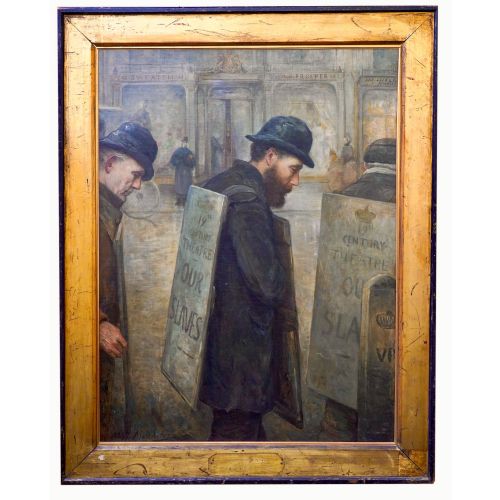
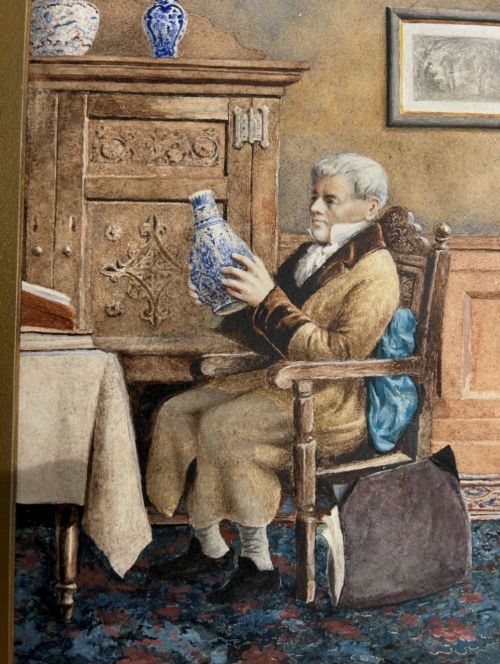
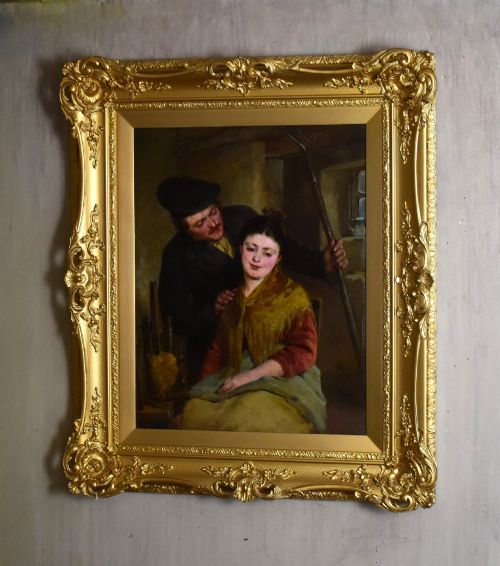
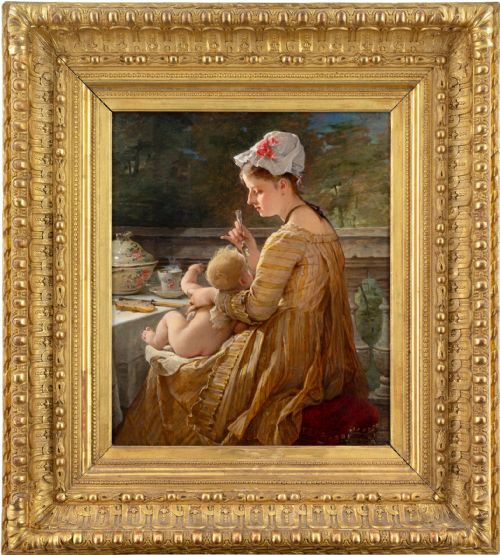
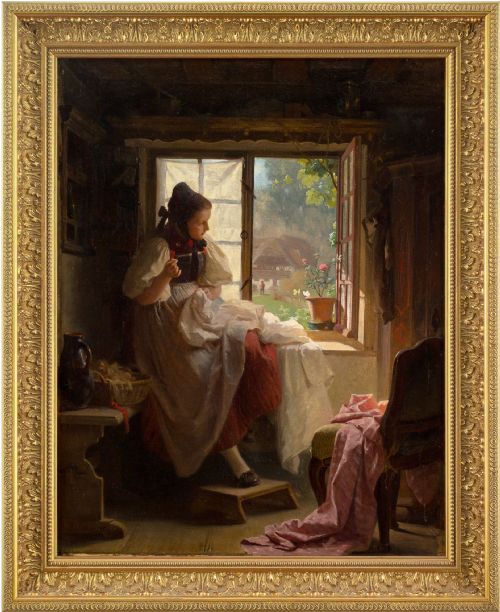
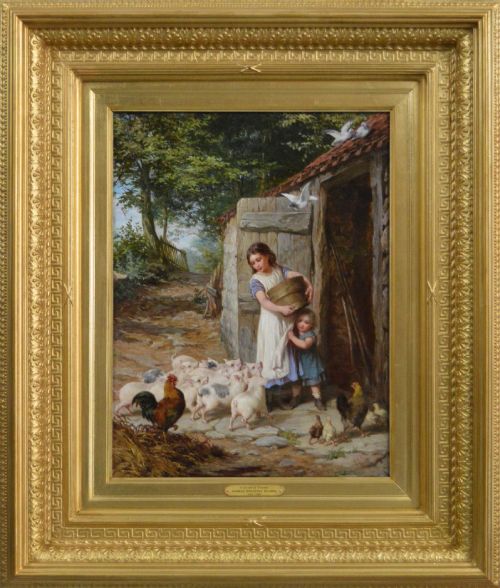
A victorian genre scene captures the domestic and social life of the nineteenth century through painted narratives of everyday people.
Victorian Genre Scene
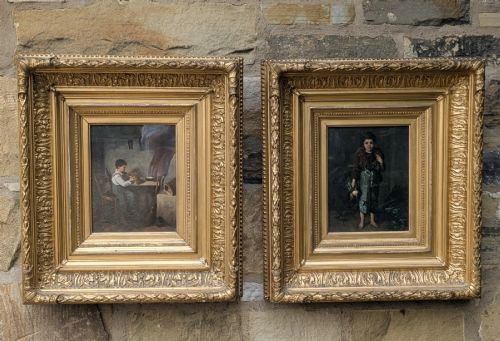
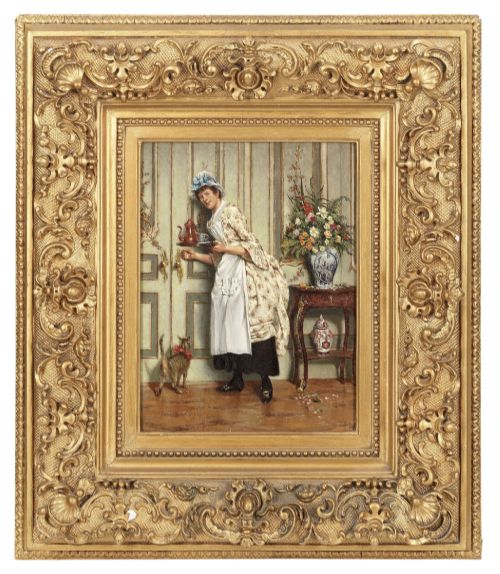
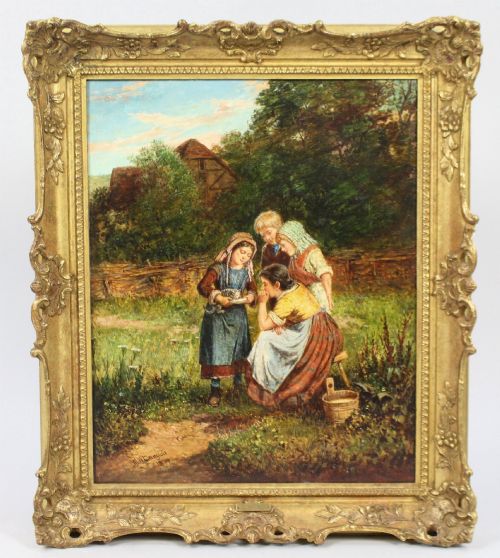
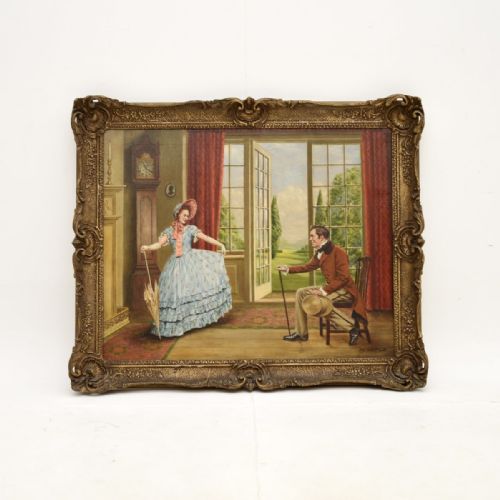
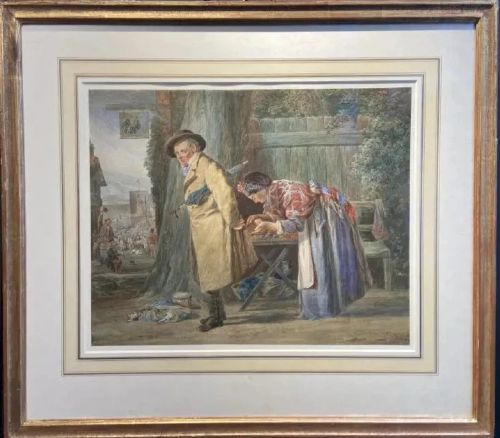
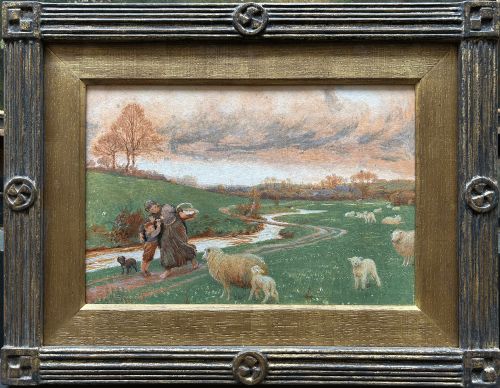
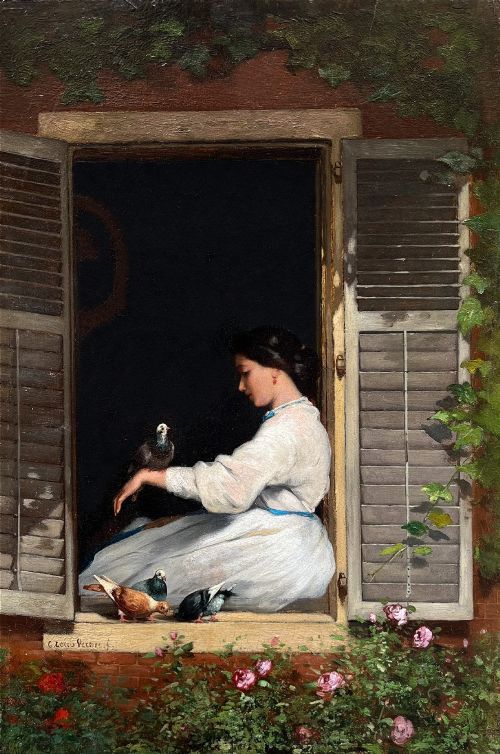
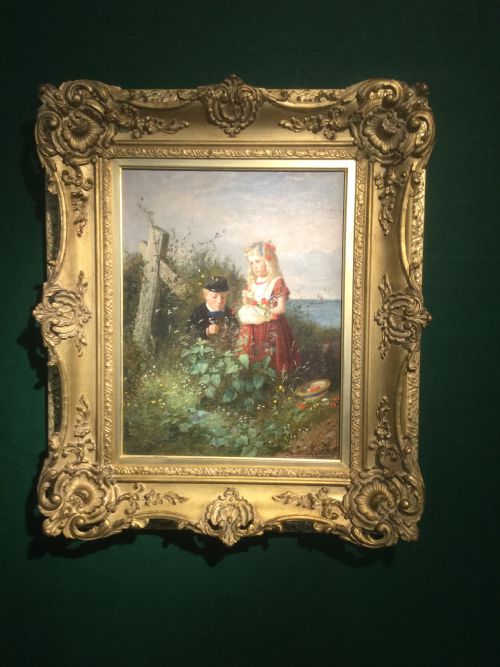
A victorian genre scene represents everyday human subjects, from children playing in cottages to labourers resting by the sea, captured in painted moments of daily life. These works draw the viewer into domestic interiors, country houses, and rural landscapes populated by ordinary people.
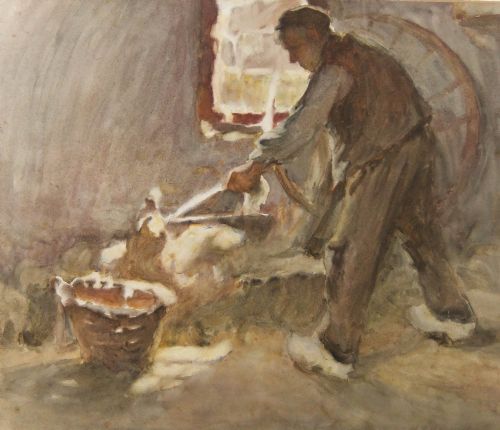
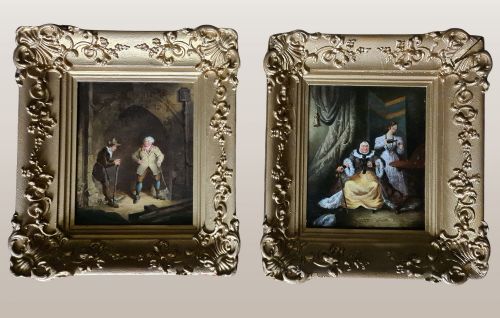
The pieces on this page appear predominantly as oil paintings on canvas or panel, alongside watercolour paintings and framed prints from the nineteenth century. Common subjects include cottage scenes, tea times, blacksmiths, and children feeding animals.
Makers and artists range from named academic painters such as George Augustus Holmes and Mark William Langlois to followers and artists working in the broader Victorian realism and social realism traditions.
Judging Quality
Quality rests upon the artist's ability to render facial expression, gesture, and narrative clarity within the scene, transforming a simple domestic moment into a compelling social record. Stronger works demonstrate confident brushwork, balanced composition, and a careful handling of light across interior or exterior spaces.
The preservation of the original paint surface and the matching quality of the period giltwood or gesso frame contribute significantly to the standing of an individual piece.
Listings feature works created across the nineteenth century, utilising oil on canvas, watercolour on paper, and giltwood frames.
Felix Stone Moscheles·Henry Stacy Marks·Stephen Samuel Lewin·Mark William Langlois·Alfred Lyndon Grace·Howard Helmick·Adelaïde Salles-Wagner·Max Kaltenmoser·George Augustus Holmes·Joseph H Barnes·Frederick Walker·Louis Charles Verwee·Joseph Farquharson·Renato Moretti·Delapoer Downing·Miles Birkett Foster·Albert Ludovici Jnr·James Hayllar·Charles Edward Wilson·Harry Brooker·George Kilburne·John Arthur Lomax·Haynes King·Thomas G Appleton·James Kyd
The Victorian Genre Scene Glossary
- Genre Painting
- A pictorial representation of everyday life and ordinary people engaged in common activities. Such works avoid historical or mythological themes in favour of relatable human moments.
- Social Realism
- An artistic movement focusing on the everyday conditions of the working classes and the poor. These works depict social realities without idealisation.
- Gesso
- A plaster-like mixture applied to wood or canvas as a base for painting or moulded into decorative relief on picture frames. It provides a smooth surface for gilding.
- Mezzotint
- A printmaking process of the engraving family that achieves tonal gradation through roughening the copper plate. It allows for rich dark areas and subtle mid-tones.
Victorian Genre Scene: Frequently Asked Questions
What defines a victorian genre scene?
A victorian genre scene depicts ordinary people engaged in everyday activities, such as children playing, families at tea, or labourers at work. These paintings offer a window into nineteenth-century social life and domestic interiors.
Unlike portraits or landscapes, the primary focus is the narrative interaction between the figures and their immediate environment.
How should I hang a victorian genre scene?
These works suit traditional reception rooms, studies, or hallways where their narrative details can be appreciated at close range. Pairing them with period lighting enhances the warmth of the oil paint and the giltwood frame.
Ensure the artwork is kept away from direct sunlight to protect both the canvas and the delicate gold leaf on the frame.
How can I tell watercolours from oil paintings?
Oil paintings feature a textured paint layer on canvas or wood panel, often exhibiting visible brushstrokes and a rich gloss or satin finish. Watercolours are executed on paper under glass, showing translucent washes of colour.
Watercolour paintings from this period also require protective framing behind glass to prevent moisture damage to the paper support.
What subjects are most common in these paintings?
Cottage interiors, rural workers, children playing, and domestic meals dominate the surviving body of work. Artists frequently recorded the quiet moments of daily existence, from spinning wool to resting by the sea.
These subjects reflect the nineteenth-century interest in both sentimental storytelling and social realism.