




Victorian Hearth Stand
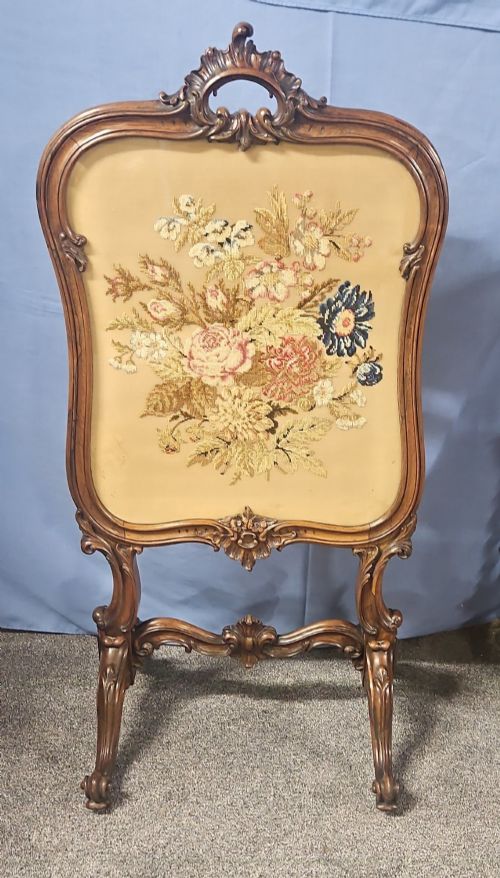
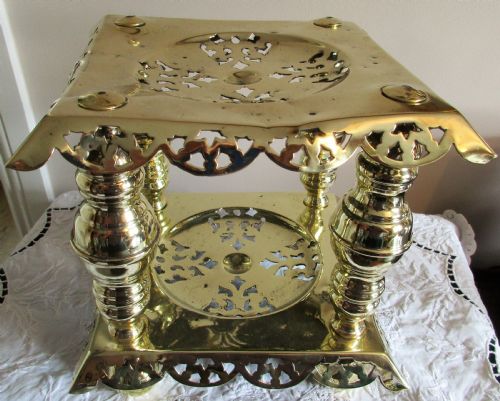
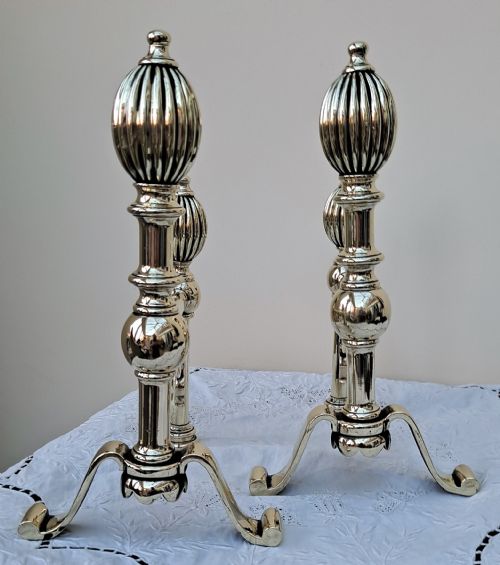
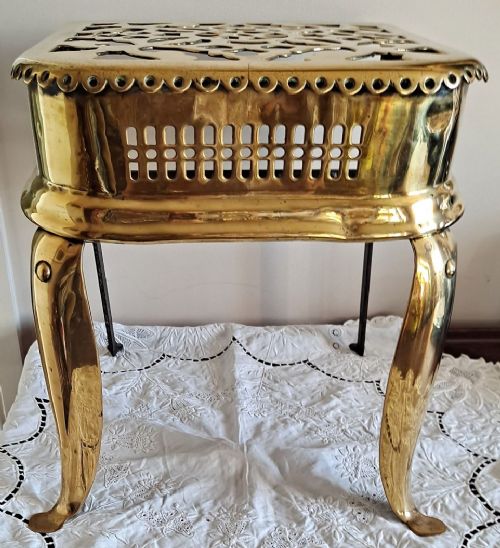
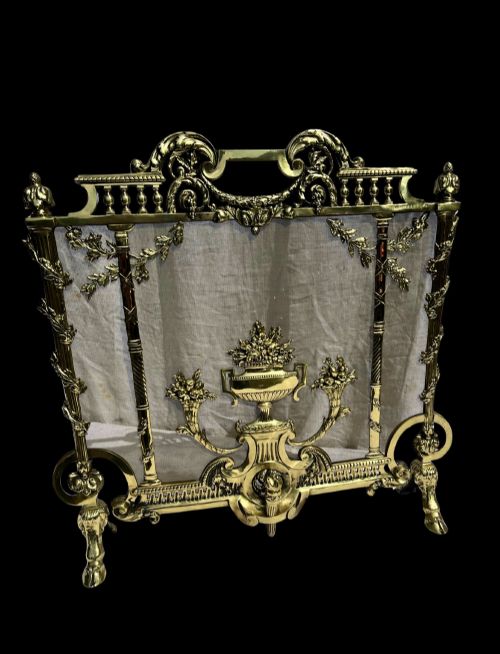
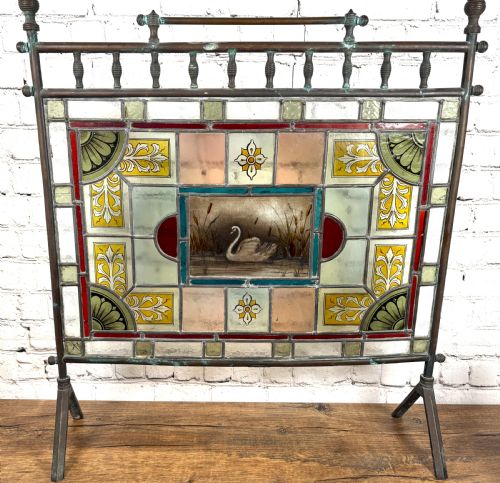
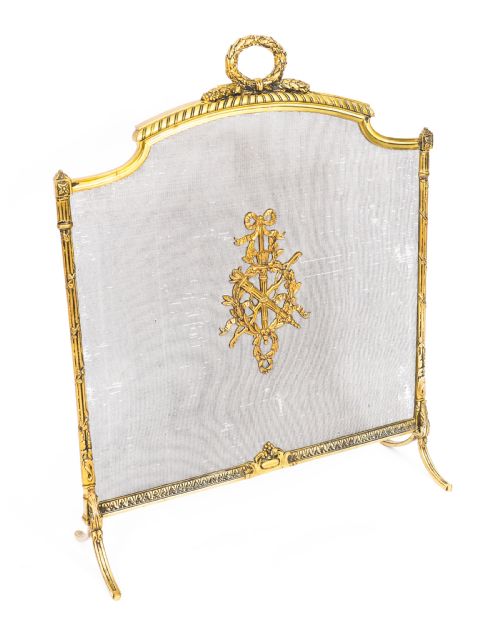
These pieces are a victorian hearth stand, built to warm plates or mount beside the fire with brass and iron.
Victorian Hearth Stand
A victorian hearth stand encompasses brass footmen, trivets, kettle stands, and companion sets designed for the fireplace. These objects originate largely from the nineteenth century, reflecting domestic routines centred on coal and wood fires.
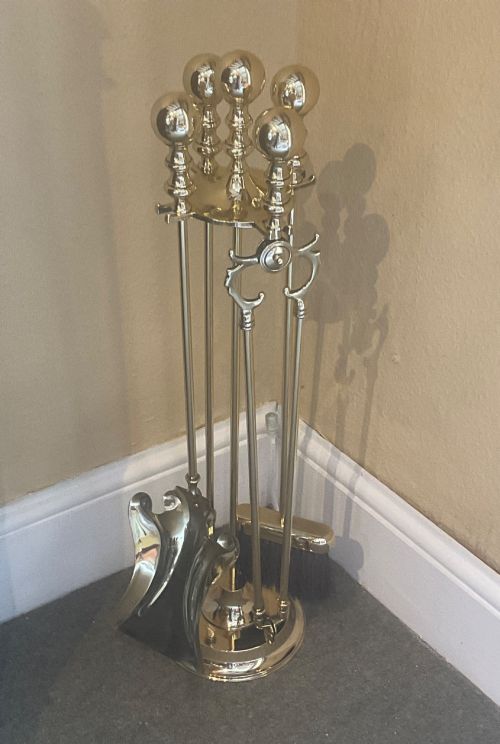
The most common examples met on this page are heavy brass footmen and hearth stands alongside companion sets in iron and brass. They served practical duties keeping food warm or holding fire irons close to the hearth.
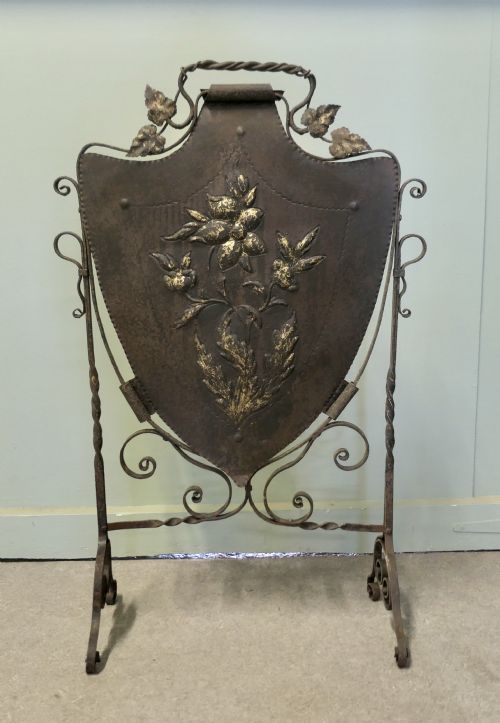
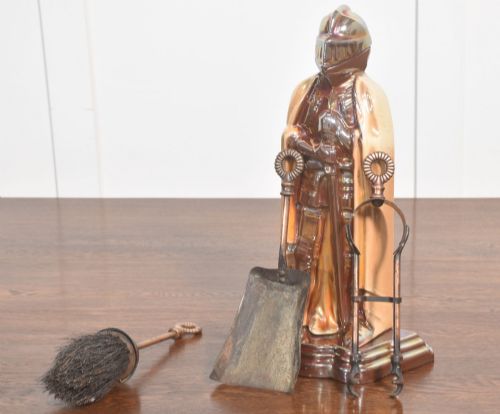
The selection ranges from simple Georgian and Victorian brass trivets to elaborately styled Aesthetic Movement tool rests and Arts and Crafts copper items. Each piece relates directly to the management of the domestic fire.
Materials and Technique
Brass and cast iron dominate the construction, providing the necessary weight and heat resistance for use near the fire. Smiths shaped these metals through casting, forging, and riveting.
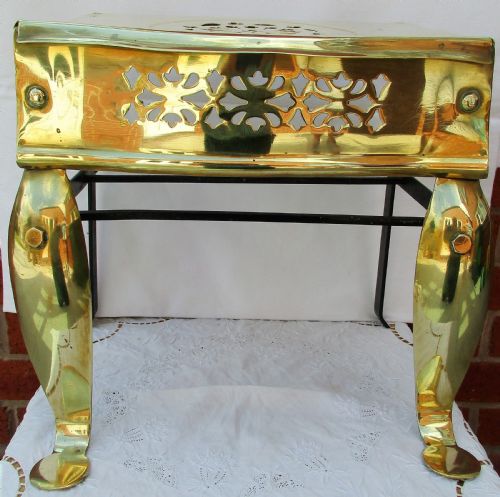
Footmen and trivets combine brass tops with sturdy iron legs, while companion sets utilise painted metal or cast bronze. Detail emerges through fine surface casting and hand-finished piercing on plates and stands.
Listings feature materials including brass, cast iron, wrought iron, mahogany, and copper across Victorian and Georgian periods.
Standard and Execution
Quality rests in the weight of the metal and the crispness of the casting. Substantial brass components and neatly joined steel frames distinguish finer pieces from lighter, mass-produced alternatives.
Design detail separates standard items from the best examples. Pierced brass aprons, well-turned legs, and carefully balanced companion sets show a higher level of workshop execution.
The Victorian Hearth Stand Glossary
- Footman
- A metal stand placed by the hearth to hold plates or kettles near the fire. These typically feature a brass top plate raised on iron legs.
- Trivet
- A three-legged stand used to support a kettle or heating vessel over the hearth. They appear in brass and iron across Georgian and Victorian periods.
- Companion set
- A group of fireplace tools, including pokers, tongs, and shovels, kept together on a stand or rest. Sets often match the style of the surrounding fire furniture.
- Andirons
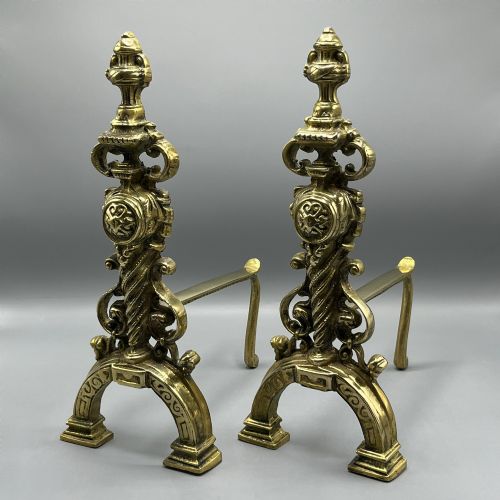
- A pair of horizontal metal supports placed in a fireplace to hold logs. They are frequently cast in brass or iron with decorative fronts.
Victorian Hearth Stand: Frequently Asked Questions
What is a footman used for?
A footman stands by the hearth to warm plates or keep food hot near the fire. Its metal surface absorbs heat effectively without scorching.
These stands were standard items in nineteenth-century kitchens and formal hearths alike.
How do I clean antique brass?
Antique brass requires gentle dusting and occasional cleaning with a mild polish to maintain its appearance. Heavy scrubbing removes the aged patina that collectors value.
Leaving the surface undisturbed preserves the character acquired over decades near the fire.
Are these stands safe to use?
Most brass and iron hearth stands remain entirely functional for holding decorative items or supporting light vessels. Care should be taken with modern weight distributions.
Their robust construction in cast metal ensures continued stability.
What period do these pieces date from?
The listings span the Georgian, Regency, and Victorian eras, with the majority originating in the nineteenth century. Stylistic details help narrow down the specific decade of manufacture.
Arts and Crafts and Aesthetic Movement examples introduce late-Victorian design variations.