

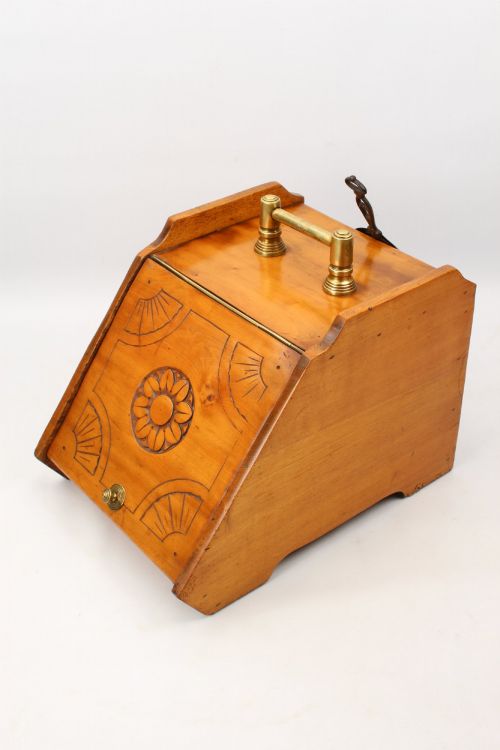


Victorian Hearth Log Storage
Victorian hearth log storage brings together solid timber and polished metal to keep fuel ready beside the fireplace.
Victorian Hearth Log Storage
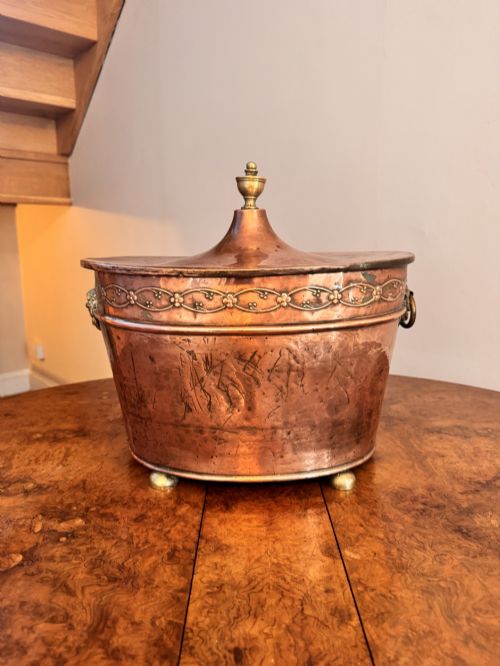
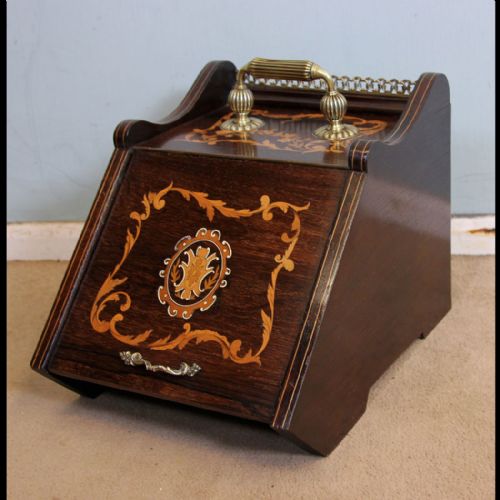
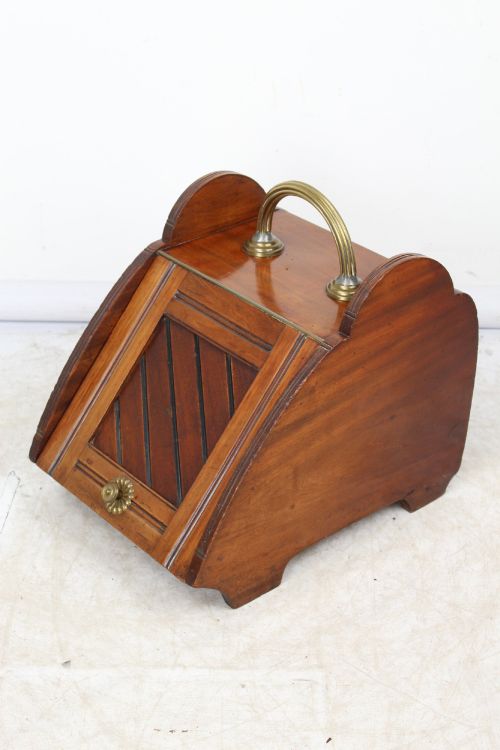
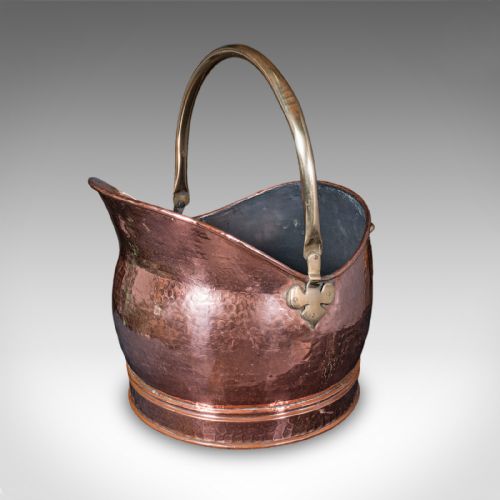
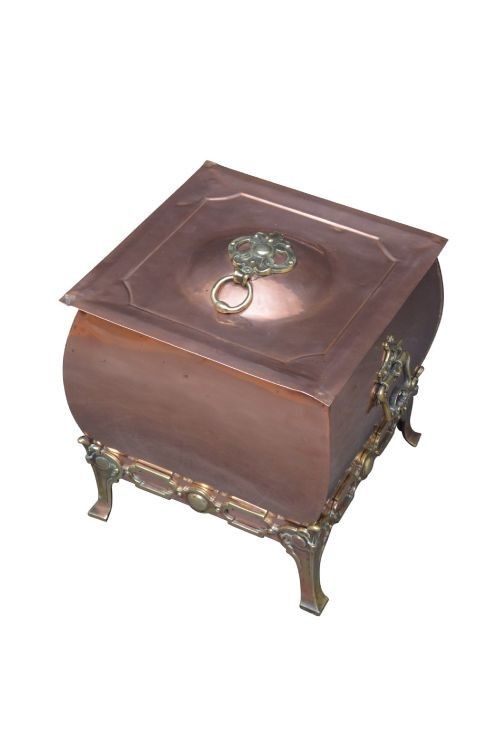
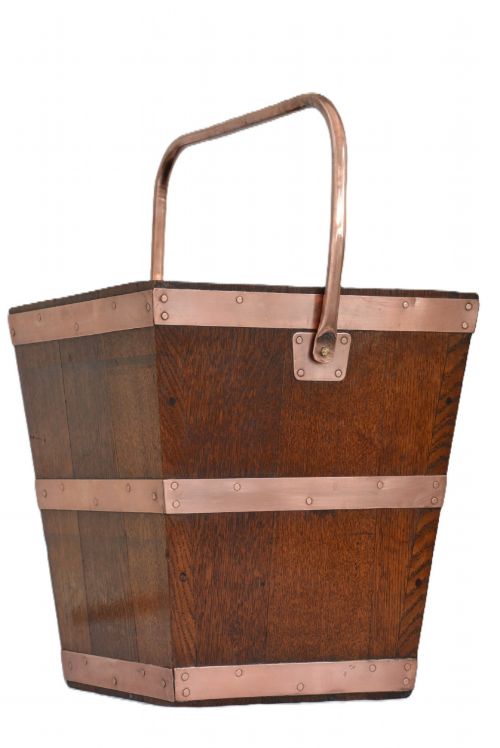
When you search for Victorian hearth log storage, you are looking at functional fireside containers designed to hold coal, peat or logs. The items appearing here take many forms, from simple buckets and cylindrical bins to hinged coal boxes and helmet-shaped scuttles.
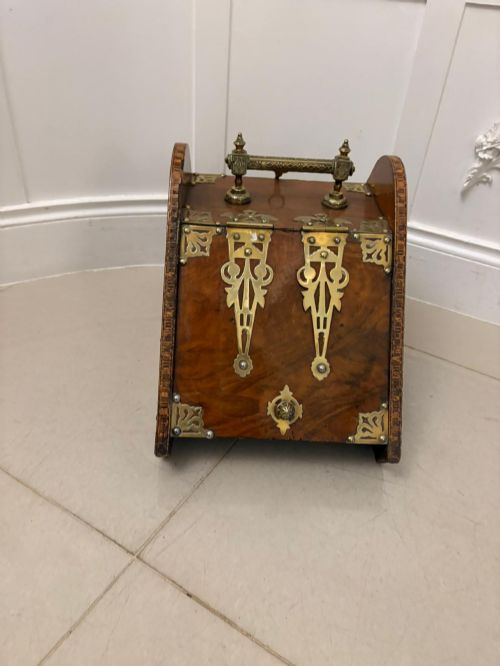
The pieces originate predominantly from the nineteenth and early twentieth centuries, spanning Victorian, Edwardian and Arts and Crafts periods. Oak, walnut, mahogany and pine appear alongside heavy metal vessels intended for daily domestic service.
Materials and Technique
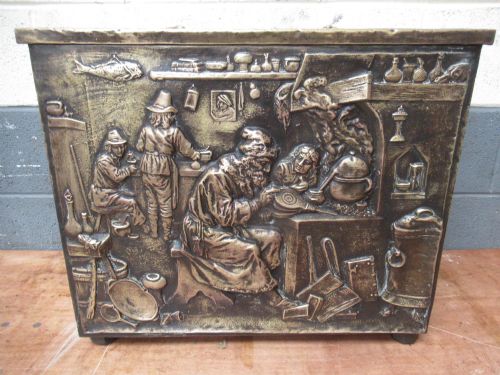
The construction relies heavily on durable hardwoods like oak and walnut, frequently combined with sheet brass or hammered copper panels. Makers employed traditional joinery for wooden boxes and robust riveting for metal buckets.
Decorative touches include hand-embossed motifs, iron banding and turned wooden handles. Blacksmiths also produced utilitarian wrought iron and cast iron fuel keepers designed to withstand intense hearthside heat.
Victorian Hearth Log Storage Retail Price Guide 2026
Typical asking prices for victorian hearth log storage among the pieces listed under this phrase on Sellingantiques today, from the lower quarter to the upper quarter. They describe what is for sale here now, not the wider market.
One exceptional coal wagon includes miniature blacksmith-made wheels, ready to roll your fuel across the hearth rug.
Standards of Manufacture
Quality in these fireside containers rests on the gauge of the metal and the stability of the timber frames. Thicker brass and heavier copper resist dents from heavy fuel, while tight joints prevent timber from warping beside the grate.
Finishing details distinguish standard utilitarian vessels from finer examples. Superior pieces feature crisp repoussé decoration, well-fitted metal liners and original handles rather than later replacements.
William Soutter And Sons
The Victorian Hearth Log Storage Glossary
- Coal scuttle
- A portable container with a sloping mouth and a handle, designed for carrying fuel to the grate. These often take the shape of helmets or deep buckets.
- Repoussé
- A metalworking technique where the design is hammered into relief from the reverse side. This method appears frequently on decorative brass and copper log boxes.
- Metamorphic
- A descriptive term for furniture that alters its form for a secondary use. Some coal boxes incorporate internal compartments or tipping mechanisms.
- Arts and Crafts
- A design movement prioritising traditional craftsmanship and simple forms over mass production. Pieces from this style often feature hand-hammered copper surfaces.
Victorian Hearth Log Storage: Frequently Asked Questions
How were these bins used originally?
These containers sat beside the fireplace to hold coal, wood or peat for daily refuelling. They kept fuel close at hand while containing dust and debris.
Many designs included removable metal liners to make carrying fuel from the cellar or coal bunker cleaner and easier.
What is the difference between a coal box and a log bucket?
Coal boxes generally feature hinged wooden lids and lined interiors to conceal the fuel and contain coal dust. They often double as fireside seats or side tables.
Log buckets and bins are typically open-topped metal vessels designed to hold larger, bulkier logs without restriction.
How do I care for antique brass and copper?
Polishing depends entirely on the desired finish and the age of the piece. Many collectors prefer to leave a warm, aged patina undisturbed.
If cleaning is necessary, use a mild metal cleaner suitable for unlacquered brass and copper to avoid stripping the historical surface.
Can I still use these for real logs?
Most of these historic pieces remain structurally robust enough for modern fireside use. Wooden boxes benefit from checking the internal lining for moisture.
Metal buckets and bins handle logs easily, though placing very damp wood directly inside unlined iron can cause surface rusting over time.