

Victorian Hearth Kerb
A Victorian hearth kerb organises the fireplace surround, holding back embers and framing the hearth with solid metal or leather.
Victorian Hearth Kerb
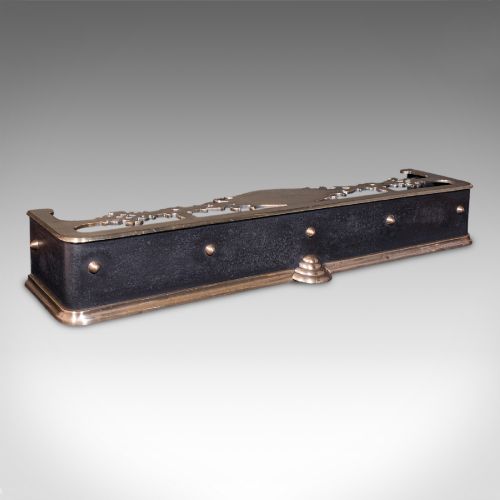
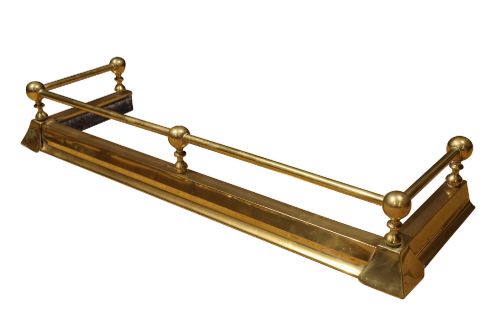
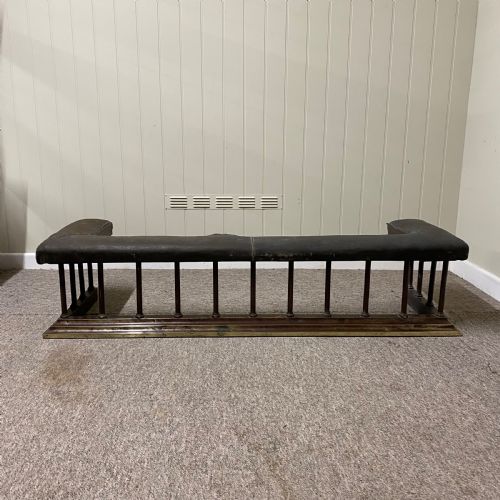
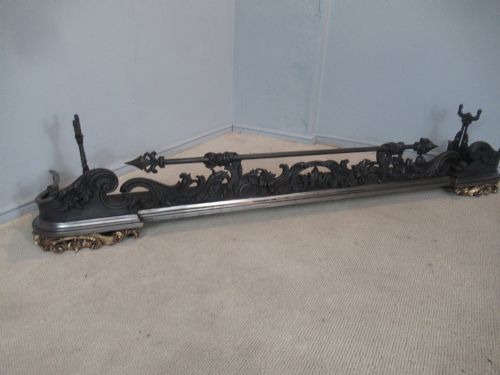
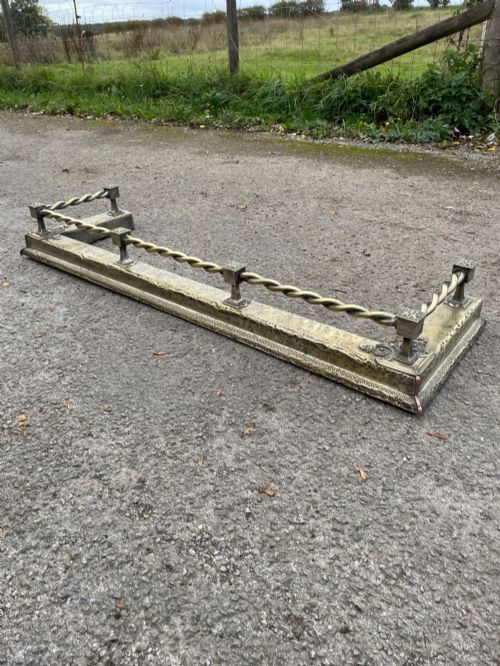
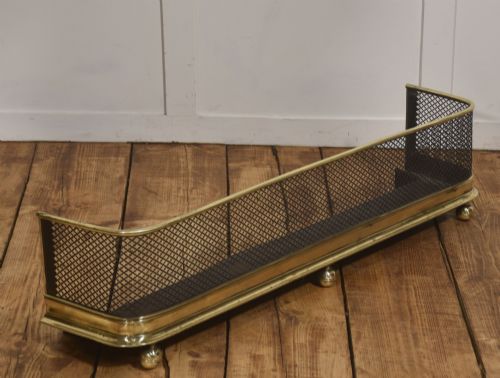
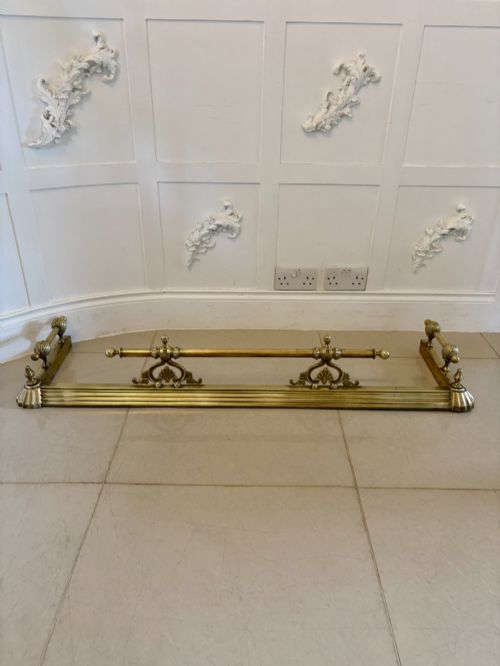
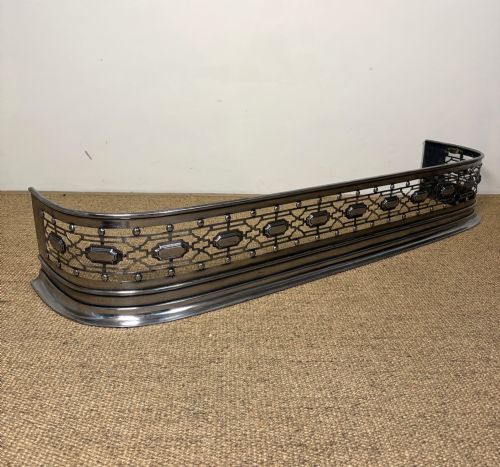
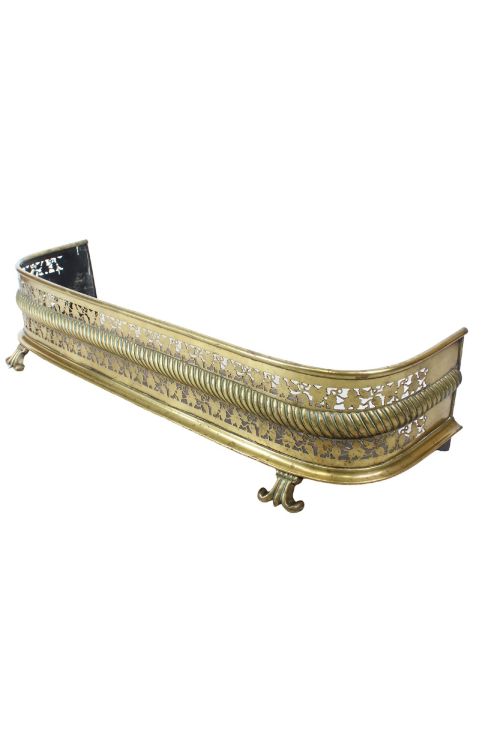
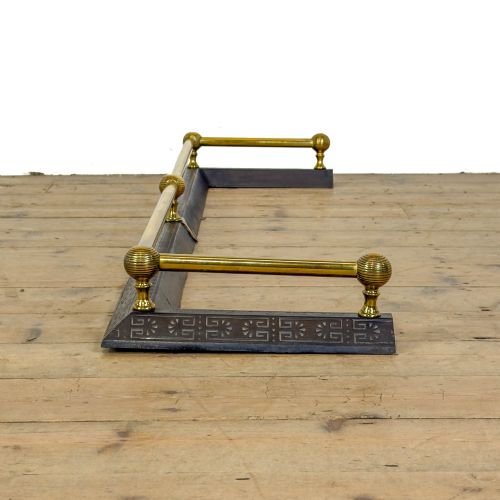
A Victorian hearth kerb sits directly on the floor around the opening of a fireplace to protect the room from stray sparks and hot ash. These metal guards and surrounds define the hearth boundary while anchoring the decorative scheme of the chimney breast. Buyers find various forms here, ranging from simple metal rails to substantial club fenders topped with upholstered seats.
The pieces listed span the nineteenth century and the Edwardian period, with Victorian examples appearing most frequently. Brass dominates the selection, often combined with iron, steel, copper, or bronze. Makers worked within prevailing aesthetics of the era, producing items in Victorian Neoclassical, Arts and Crafts, Art Nouveau, and Rococo Revival styles.
How they were made
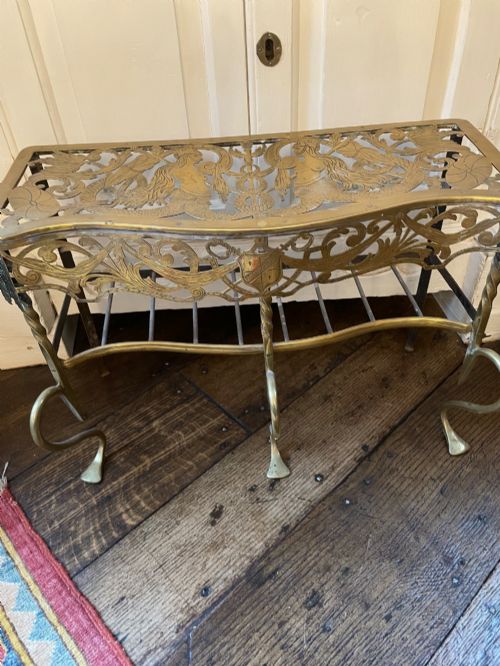
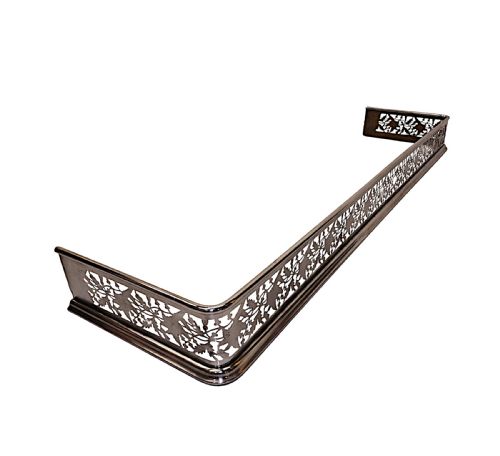
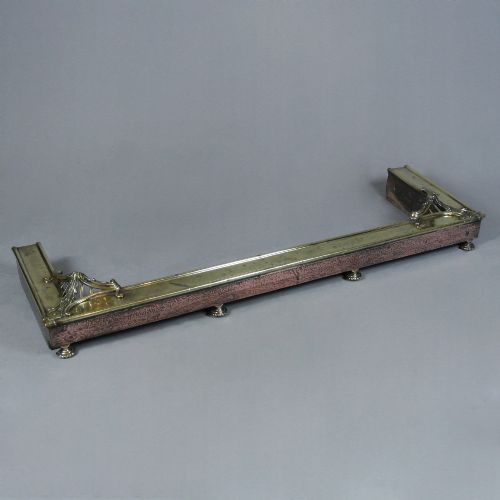
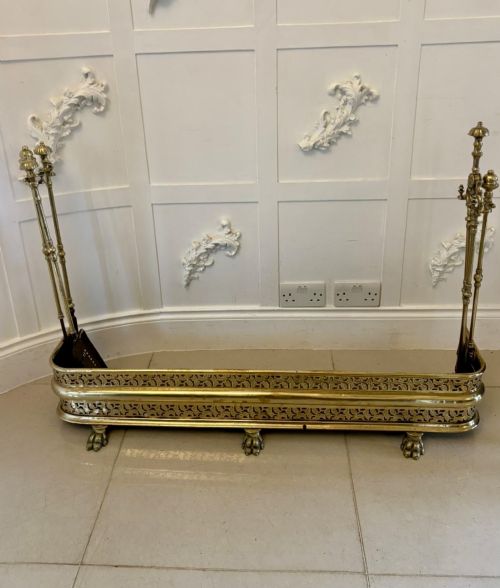
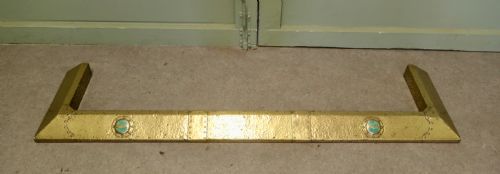
Foundries and metalworkers shaped brass, iron, copper, and steel through casting, piercing, riveting, and beating. Pierced brass work created openwork galleries of geometric or floral patterns, while copper surfaces received hand-beaten textures and applied details such as flower pateras. Heavy cast components provided structural weight, and some models incorporated adjustable frames or leather upholstery for club seating.
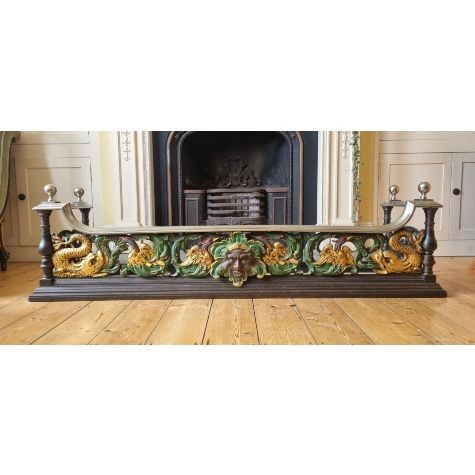
Makers utilised contrasting metals within a single piece, pairing polished brass rails with blackened iron bases or steel supports. Details such as green enamel cabochons, polychrome paint, and lions added decorative enrichment to the primary metal structure. These construction methods balanced utilitarian strength around the fire with decorative refinement.
Victorian Hearth Kerb Retail Price Guide 2026
Typical asking prices for victorian hearth kerb among the pieces listed under this phrase on Sellingantiques today, from the lower quarter to the upper quarter. They describe what is for sale here now, not the wider market.
Listings feature nineteen-century materials including brass, iron, copper, steel, cast iron, bronze, and leather across Victorian and Edwardian periods.
What varies in quality
The distinction between standard production and superior examples lies in the substance of the metal gauge and the depth of the hand finishing. Heavier brass and cast iron frames retain their rigidity and alignment over decades of heat exposure, whereas thinner sheet metal bends more readily under pressure. Pierced designs show varying levels of crispness in the fretwork, separating sharp, hand-finished apertures from softer castings.
Detailing determines distinction at the upper end of the range, visible in riveted copper panels, integrated leather seat pads, and refined decorative motifs like flower pateras. The quality of the original surface patination, whether aged bronze or polished brass, indicates how well the piece has survived centuries of hearthside use and cleaning.
The Victorian Hearth Kerb Glossary
- Hearth kerb
- A low metal or stone barrier placed around a fireplace hearth to contain embers. These surrounds also act as a formal border between the fire and the room flooring.
- Club fender
- A low, U-shaped fireplace surround featuring padded leather seats on either side. They provide auxiliary seating close to the warmth of the fire.
- Patera
- A circular ornamental bas-relief disc resembling a classical medallion or flower. Makers frequently applied these details to brass and copper kerb rails.
- Pierced brass
- Metal sheet perforated with decorative cut-out patterns to let light through. This technique lightened the visual weight of heavy nineteenth-century fire guards.
Victorian Hearth Kerb: Frequently Asked Questions
What is a club fender?
A club fender is a hearth surround fitted with cushioned leather seats running along the sides. They originated in English country houses to provide warm seating close to the hearth.
Buyers select them for libraries and drawing rooms where fireside seating is desirable. The upholstered top rests on a sturdy metal frame that secures the fire area.
How do I measure for a fender?
Measure the width and depth of your fireplace hearth to ensure the kerb fits the perimeter correctly. Take measurements from the outside edges where the metal will sit on the floor.
Account for adjustable models if exact dimensions are difficult to match. Leave sufficient clearance around the fire opening for safety and aesthetics.
Are these fenders adjustable in size?
Some period fenders feature a sliding mechanism that allows the width to expand or contract. This design helped fit the surround to different fireplace openings during installation.
Check individual listings to see if an extending frame is present. Fixed models require precise measurement against your hearth dimensions.
How do I clean a brass kerb?
Clean brass surfaces with a soft cloth and mild soapy water to remove accumulated dust and soot. Avoid harsh abrasive cleaners that strip away historical patination.
Allow the metal to retain its aged character rather than polishing it to a bright shine. Regular dusting preserves the surface finish without damaging the metal.