



Victorian Hearth Coal Box
These Victorian hearth coal boxes tidy solid fuel beside the grate, combining sturdy utility with decorative presence.
Victorian Hearth Coal Box
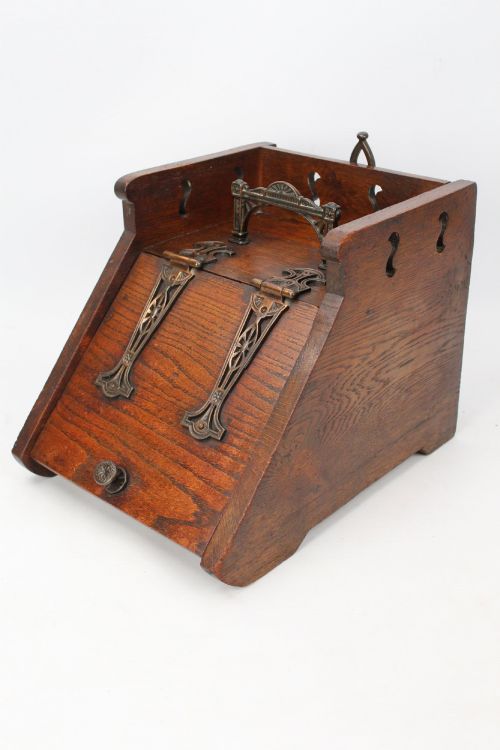
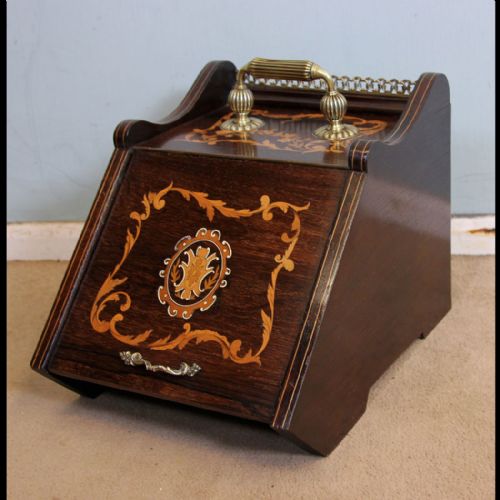
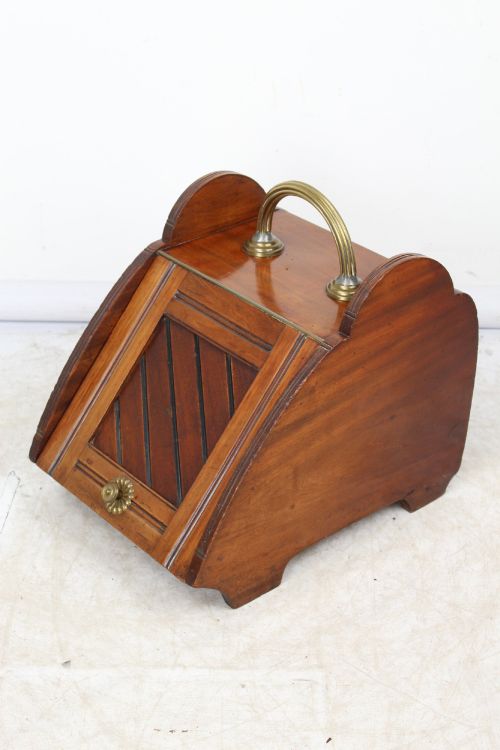
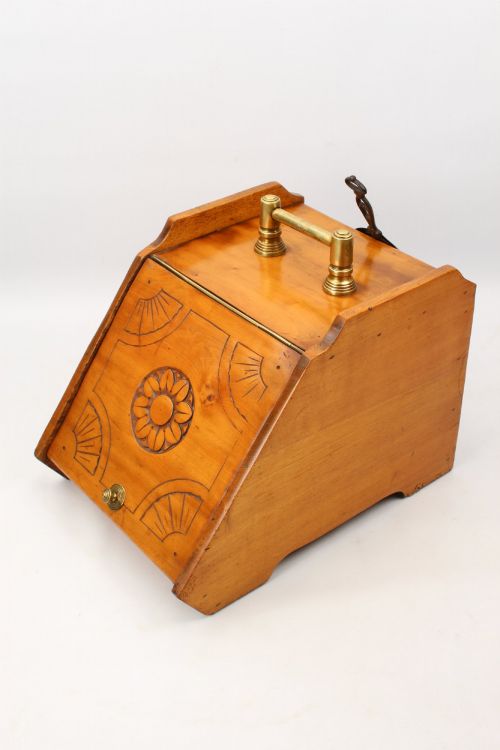
A Victorian hearth coal box serves as a functional fireside storage container, appearing in forms such as scuttles, purdoniums, bins and buckets. These pieces originate predominantly from the Victorian and Edwardian periods, stretching from the late 19th century into the early decades of the 20th century.
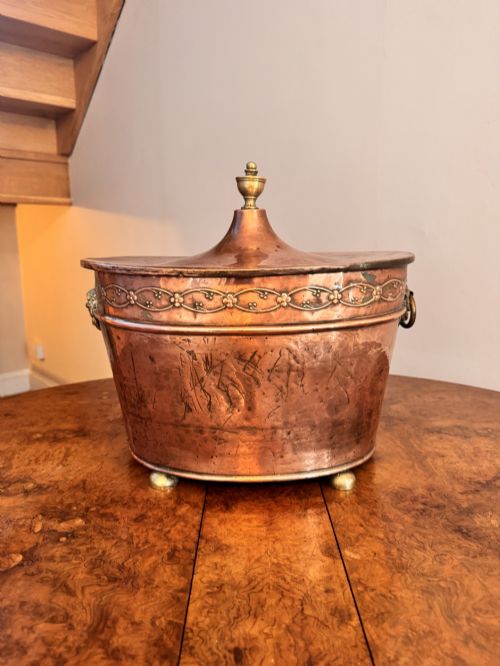
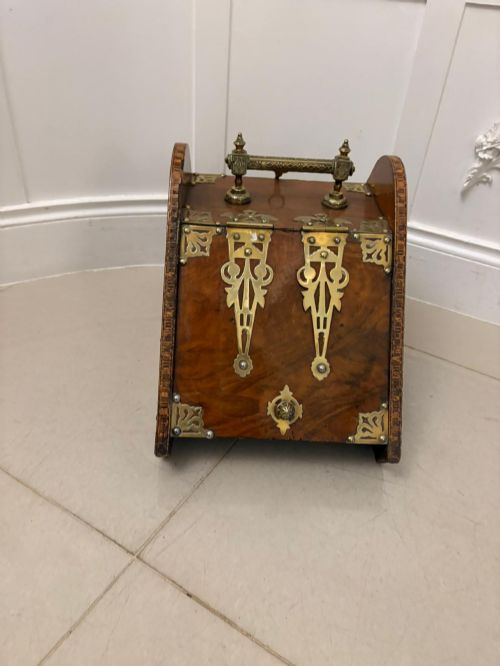
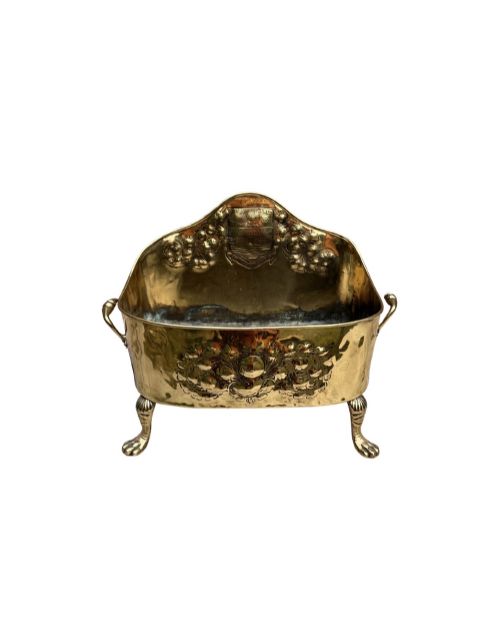
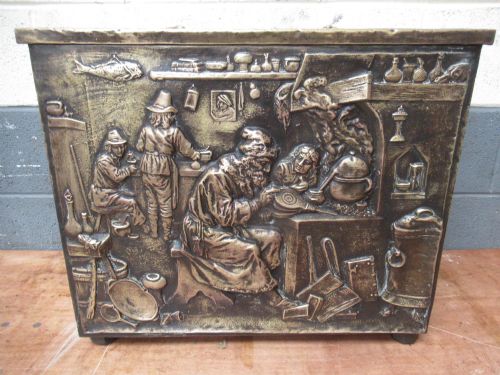
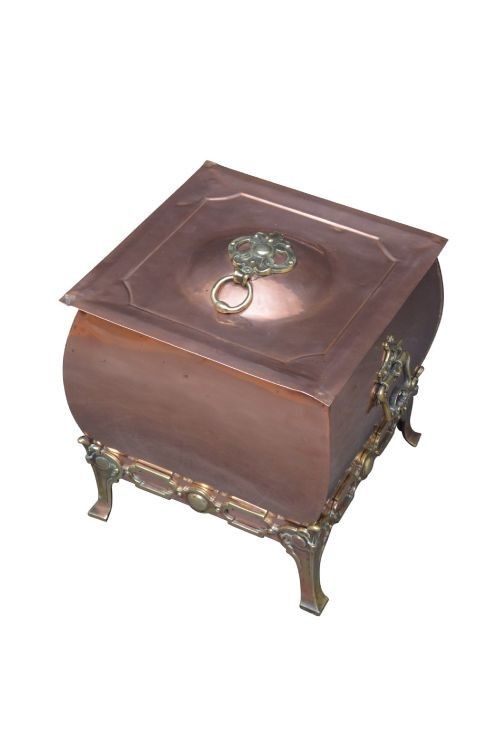
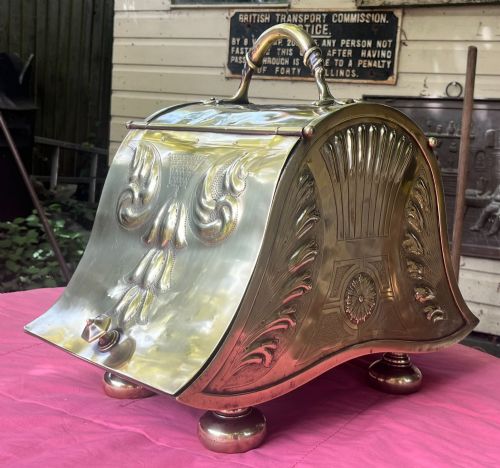
Wooden variations constructed from oak, mahogany, walnut, rosewood and pine frequently feature inlaid details, carved surfaces and brass mountings. Metal versions fashioned from brass, copper, iron and wrought iron often display embossed patterns, helmet shapes or industrial silhouettes.
Materials and construction
Craftsmen built wooden boxes using sturdy timbers like oak and mahogany, incorporating internal metal liners to protect the wood from moisture and debris. Metal iterations relied on sheet brass and copper, sometimes shaped by hand or hammered within Arts and Crafts traditions.
Hinges, drop handles, ceramic knobs and companion shovels formed integral parts of the design. Blacksmiths also produced rugged iron and steel wagons and bins intended for heavy domestic service.
Victorian Hearth Coal Box Retail Price Guide 2026
Typical asking prices for victorian hearth coal box among the pieces listed under this phrase on Sellingantiques today, from the lower quarter to the upper quarter. They describe what is for sale here now, not the wider market.
Materials span heavy brass, copper, iron, wrought iron, oak, mahogany, walnut, rosewood, pine and metal.
Assessing construction and design standards
Superior examples demonstrate careful joinery in cabinet timbers, intricate floral or geometric inlay, and heavy-gauge brass or copper that resists denting. Lower grades rely on thinner metals and simpler softwood carcases without decorative refinement.
The presence of matching original accessories, such as internal metal liners and companion shovels, elevates a piece. Makers with established reputations for metalwork also distinguish higher-tier items from anonymous workshop production.
Benham and Froud·Henry Loveridge
The Victorian Hearth Coal Box Glossary
- Purdonium
- A specialised coal box featuring a sloping front door that drops forward to release fuel. This cabinet-style container usually houses an internal metal liner and includes a matching shovel stored in a side compartment.
- Coal scuttle
- A bucket or pail designed for carrying and storing solid fuel by the fireplace. Traditional versions often incorporate a fixed or swinging handle and a pronounced lip for pouring.
- Coal helmet
- A specific brass or copper scuttle shape mirroring the profile of a classical helmet. These items typically rest on a small foot and balance a sweeping rim with a sturdy back handle.
- Log bin
- A larger open or lidded receptacle intended for holding firewood rather than granular coal. These containers appear in heavy woods, hammered copper and riveted iron.
Victorian Hearth Coal Box: Frequently Asked Questions
What is a purdonium?
A purdonium is a specific type of wooden coal box featuring a hinged, drop-down front door. It typically encloses a removable metal liner for holding fuel and often includes a matching shovel stored in a side rack.
Cabinet-style purdoniums allowed homeowners to store fuel neatly in formal reception rooms without exposing coal dust to the living space.
How were these boxes used?
These containers sat directly on the hearth to hold coal, coke or logs close to the fireplace for daily refuelling. Household staff used them to transport solid fuel from cellars to individual rooms.
Beyond simple transport, decorative metal and inlaid wooden versions remained permanently positioned beside the grate as part of the room's fireside furnishings.
How do I clean a brass box?
Maintaining brass surfaces involves dusting regularly with a soft cloth to prevent grime accumulation. Avoid harsh chemical cleaners that strip the metal of its natural age and character.
Many collectors prefer to leave a mellow patination untouched rather than polishing the metal to a bright shine.
Can I use them for logs?
Many containers listed as coal boxes or scuttles suit logs and kindling perfectly, depending on their internal capacity. Traditional log bins and wider metal buckets accommodate larger pieces of firewood with ease.
Checking the dimensions and ensuring an intact internal liner helps determine whether a particular box suits wood storage.