
Victorian Hallway Umbrella Rack
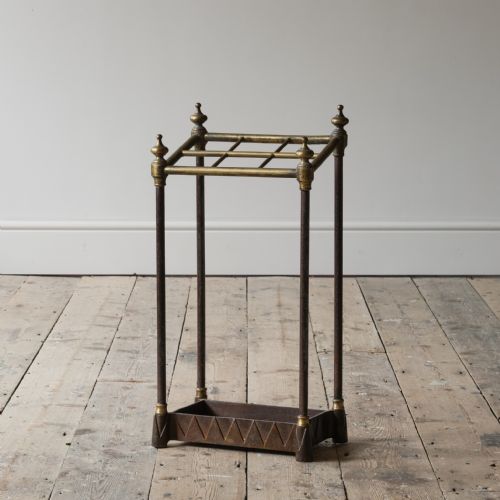
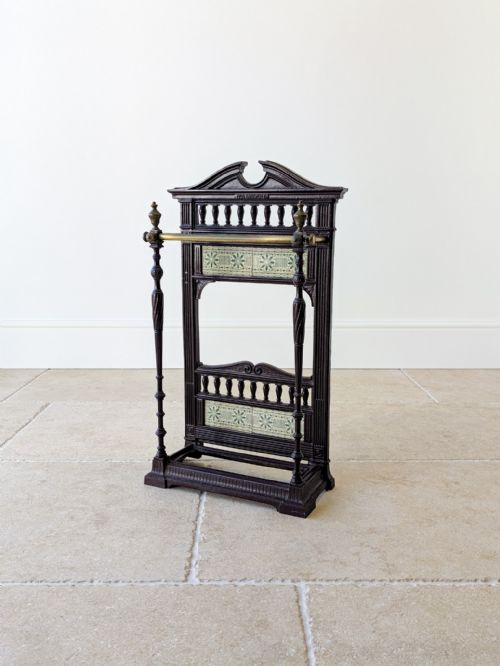
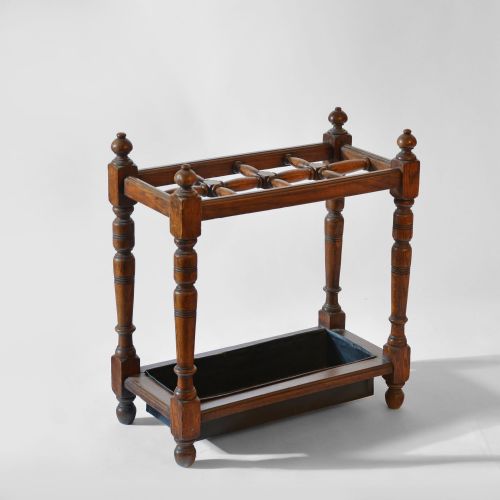
A victorian hallway umbrella rack brings practical order to an entrance through heavy cast iron, bright brass or rich timber.
Victorian Hallway Umbrella Rack
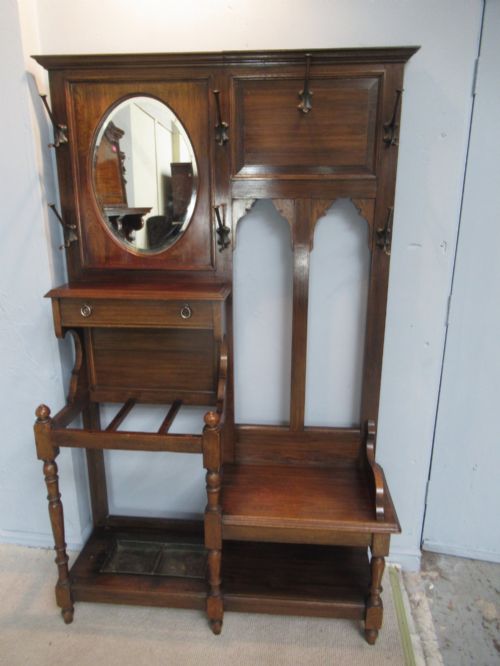
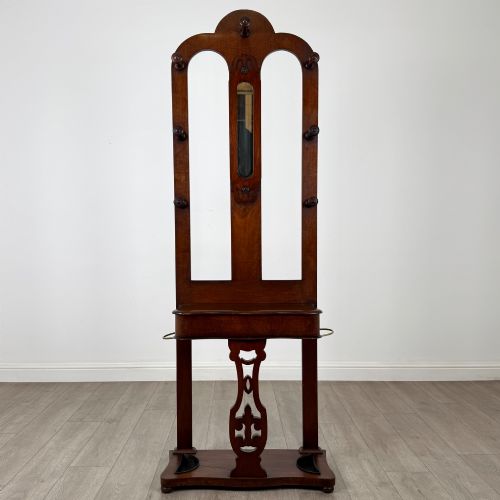
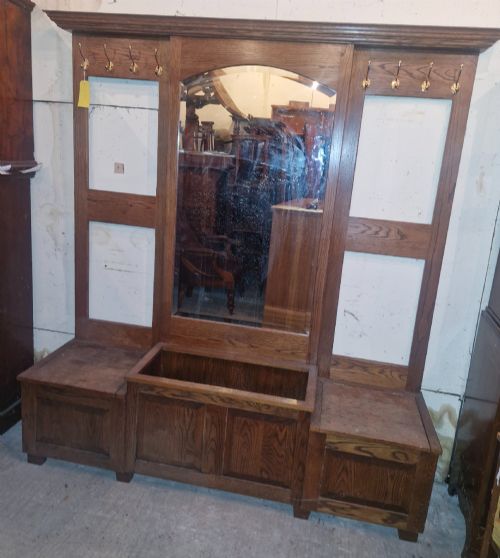
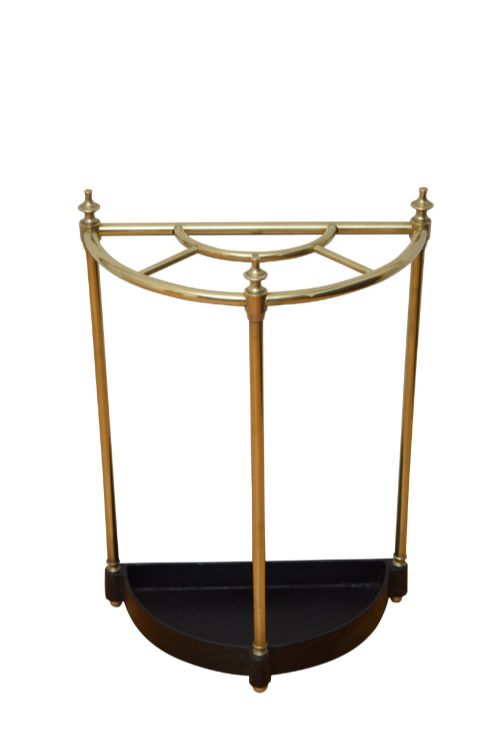
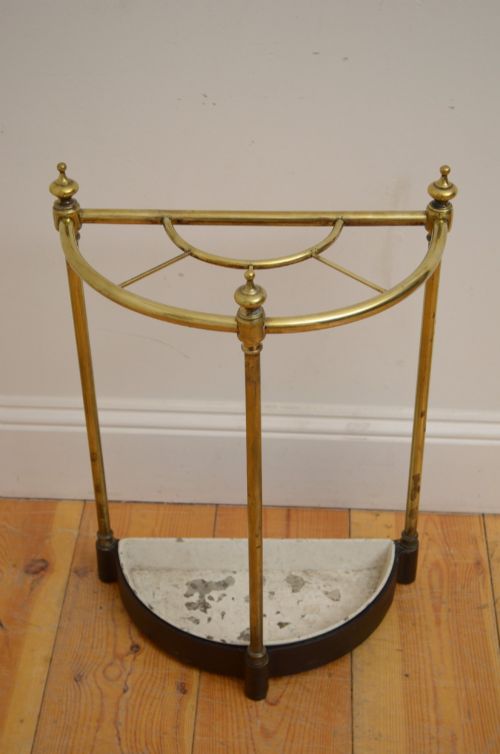
A victorian hallway umbrella rack serves as a designated place for wet walking sticks, canes and umbrellas upon entering a home. The pieces found here range from compact half moon frames designed to hug a wall to larger combined hall furniture incorporating coat hooks and seating.
The materials and styles span the nineteenth and early twentieth centuries, drawing heavily on Victorian and Edwardian domestic design. Oak, mahogany, pine and bamboo appear alongside heavy metals, reflecting the varied requirements of period hallways.
Materials and Construction
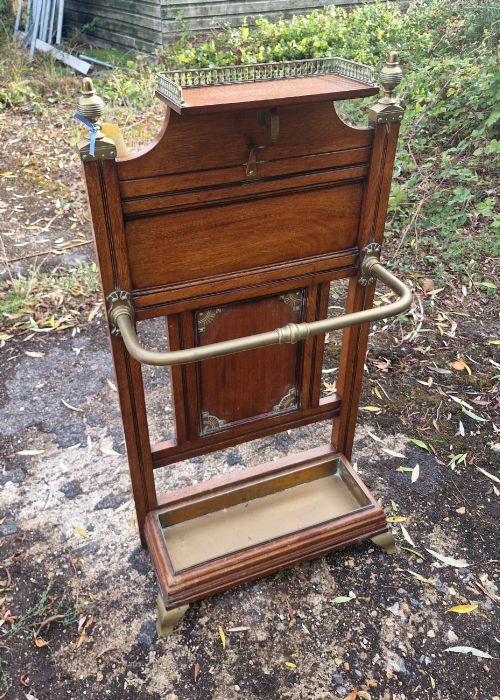
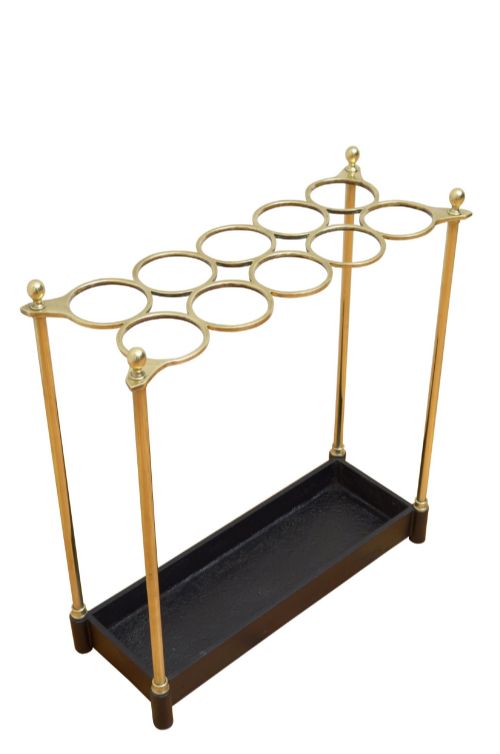
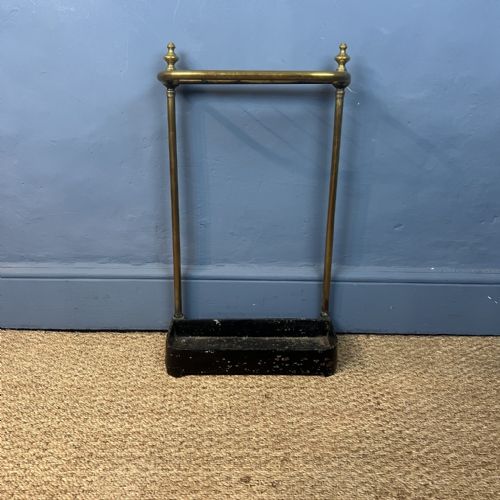
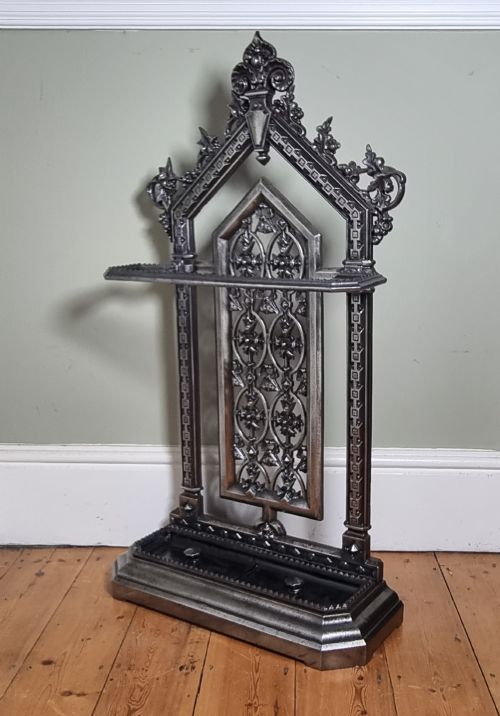
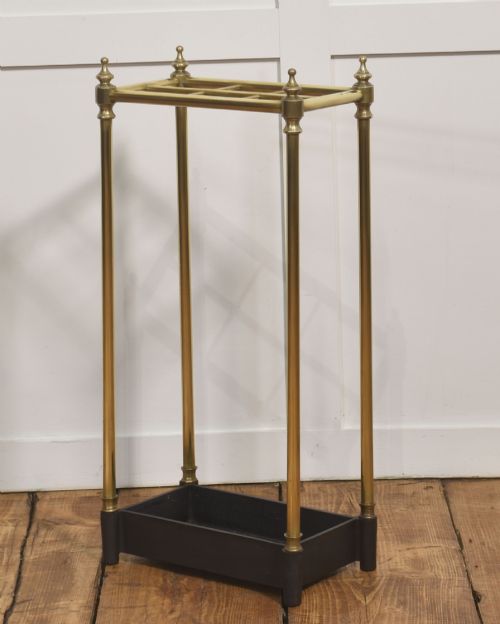
Cast iron and brass provide the structural integrity and damp resistance needed for holding wet items, often paired with removable drip trays at the base. Foundries shaped iron into intricate pierced patterns or figurative designs, while brass was worked into tubular frames and decorative finials.
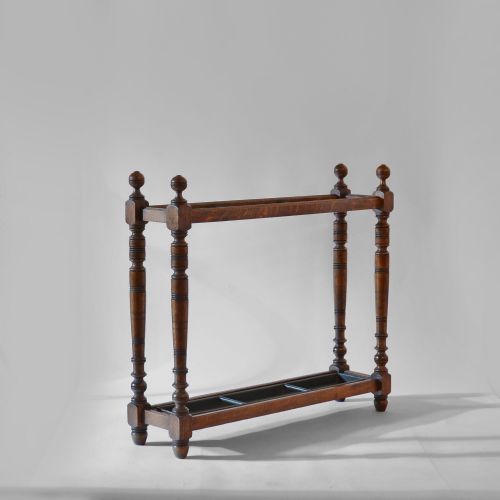
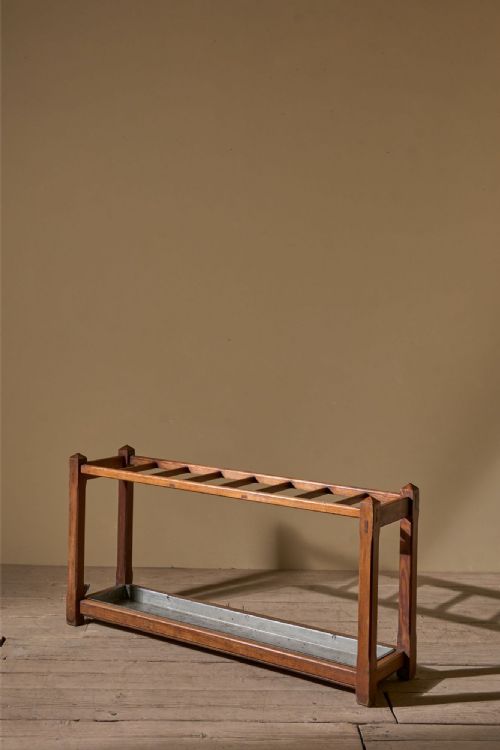
Woodworking traditions utilise oak, mahogany and bentwood for freestanding and wall hugging formats. Steam bent beechwood creates curved frames typical of continental workshops, while solid hardwoods showcase traditional joinery suited to heavy daily use.
Distinctions in Execution
The distinction between standard utility items and finer examples lies in the crispness of casting detail and the selection of timber. Well cast iron exhibits sharp relief in its decorative motifs, whereas lesser examples show softened edges from worn moulds.
Construction methods also separate everyday pieces from superior ones, visible in the thickness of the base trays and the solidity of the joints. Comprehensive assemblies incorporating brass fittings and dedicated drip pans indicate more thoughtful original manufacture.
Coalbrookdale·Thonet
The Victorian Hallway Umbrella Rack Glossary
- Demi lune
- A half moon shape allowing the rack to sit flat against a hallway wall. This profile minimises obstruction in narrow corridors.
- Drip tray
- A metal base pan that catches water running off wet umbrellas. It protects flooring from moisture and staining.
- Bentwood
- Timber shaped by exposure to steam and pressure into smooth curves. This technique creates lightweight yet robust frames.
- Finial
- A decorative ornament finishing the top of a post or upright. Brass balls and pointed terminals frequently top metal frames.
Victorian Hallway Umbrella Rack: Frequently Asked Questions
How do I protect my floor from wet umbrellas?
Most antique umbrella racks include an integrated metal drip tray at the base to catch runoff water. Ensuring this tray is present and sound protects timber or carpet flooring from moisture damage.
For pieces missing their original liners, modern discreet plastic trays can be slipped inside the base frame without altering the appearance of the rack.
Where should I place an umbrella rack?
These pieces belong near the main entrance of a home where coats and outdoor footwear are discarded. Half moon or corner designs suit narrow hallways because they project minimally into the walking space.
Freestanding central stands work better in larger vestibules where they can be viewed from all angles as a decorative furniture item.
How do I tell Victorian from Edwardian stands?
Victorian stands tend to feature heavier, more ornate cast ironwork and darker timbers like mahogany or heavy oak. Their decorative motifs often lean towards Gothic revival or robust classical styling.
Edwardian pieces frequently display lighter construction, including bamboo, bentwood or slender brass tubing, alongside the geometric influences of the Aesthetic Movement.
Can these racks hold walking sticks as well?
They were originally designed to accommodate both umbrellas and walking canes interchangeably. The internal dividers and segmented metal rings keep slim walking sticks upright just as effectively as bulky umbrella handles.
Many period examples explicitly mention walking sticks in their historical description due to the common Victorian habit of carrying canes outdoors.