

Victorian Hallway Chairs
Victorian hallway chairs are sturdy timber seats designed to welcome visitors, bringing period character and practical function to an entrance space.
Victorian Hallway Chairs
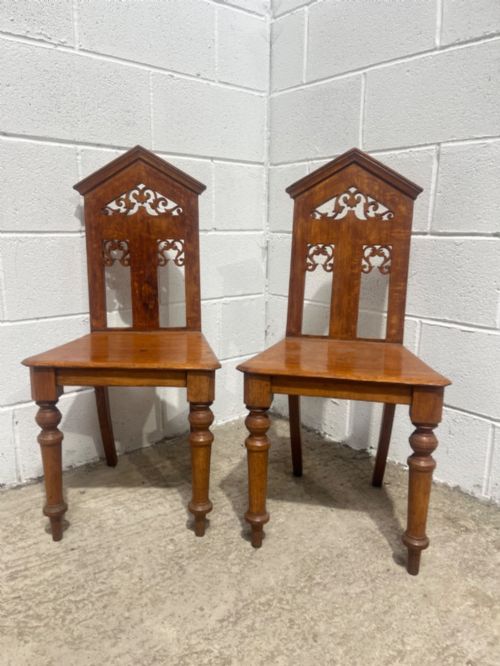
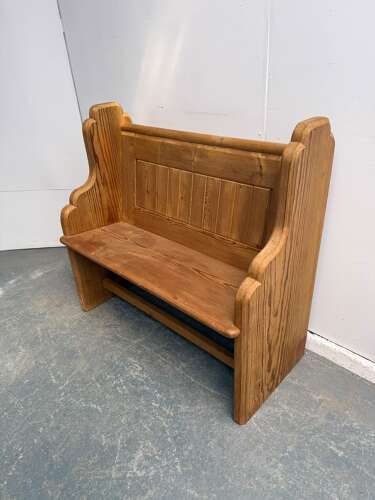
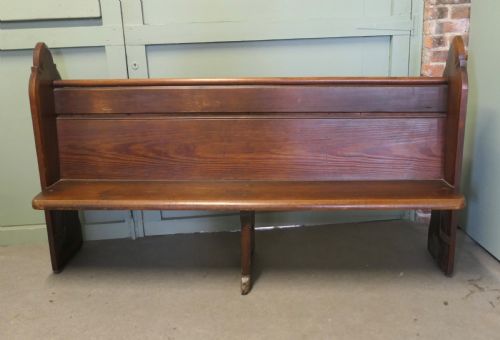
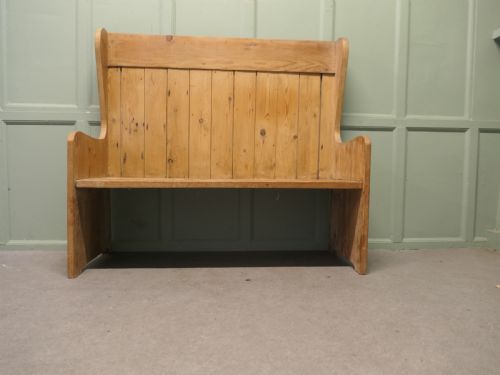
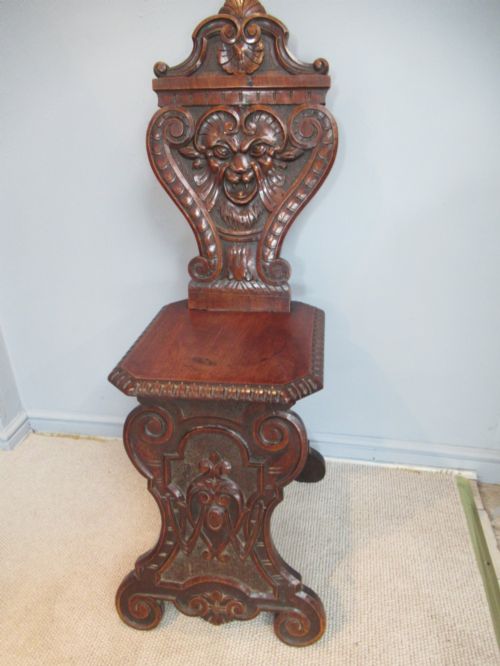
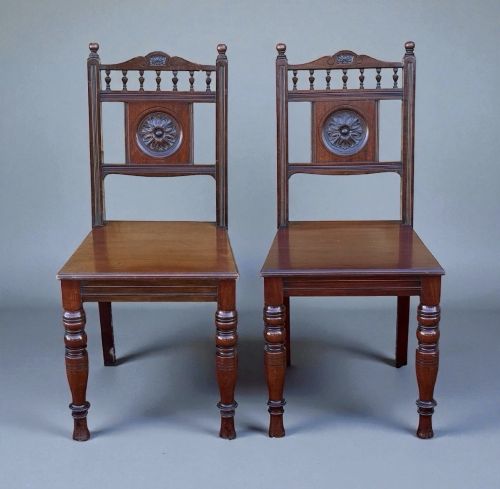
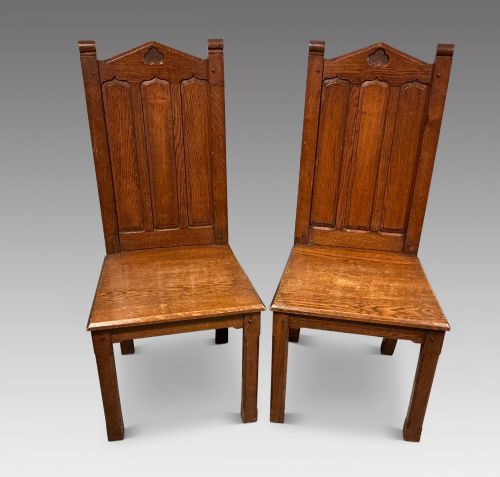
Victorian hallway chairs encompass a varied group of timber seating designed primarily for reception spaces, passageways and entrance halls. The selection includes upright side chairs, architectural settles with storage boxes, church pews, and occasional benches spanning the nineteenth century.
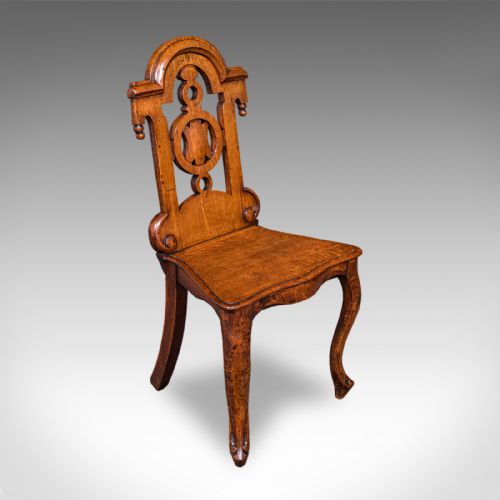
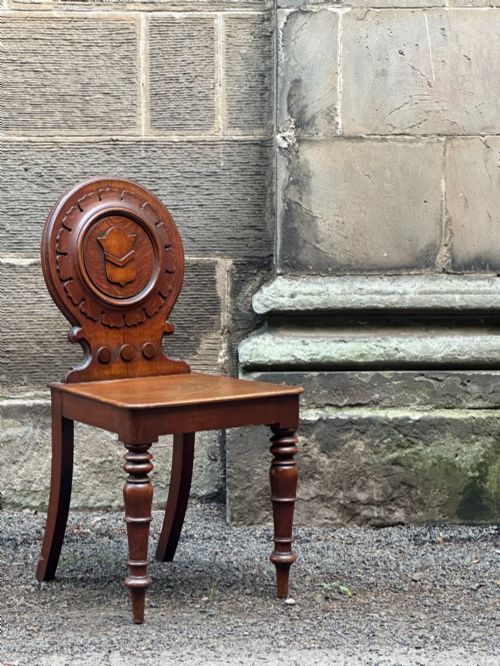
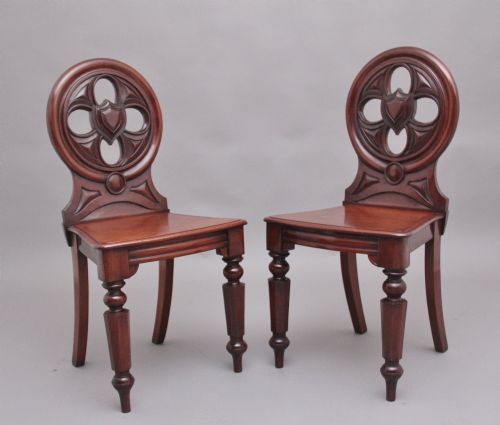
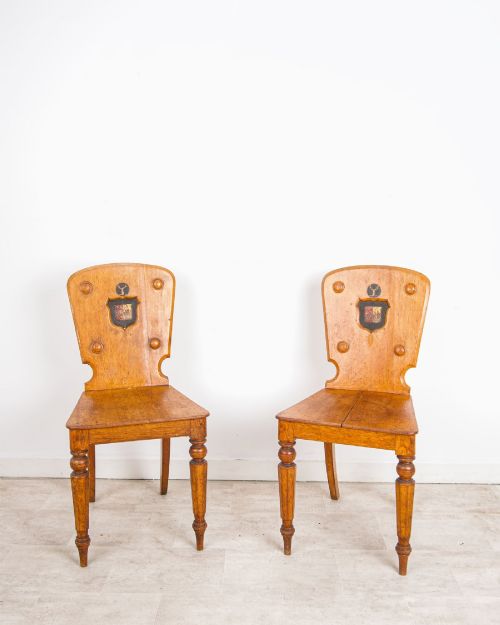
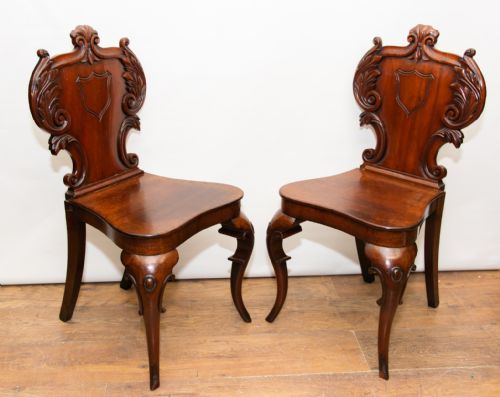
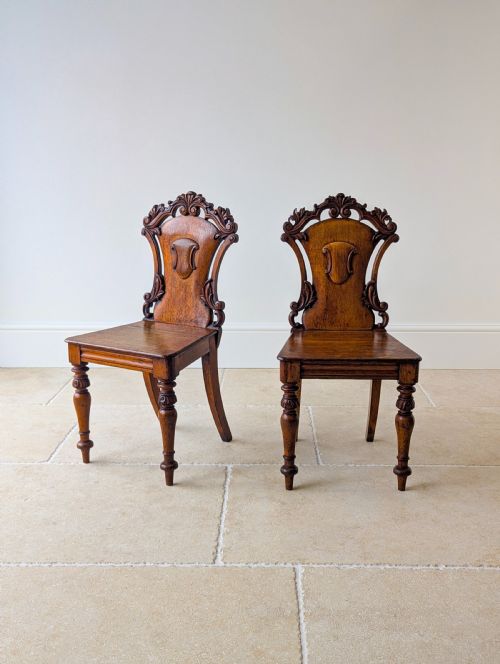
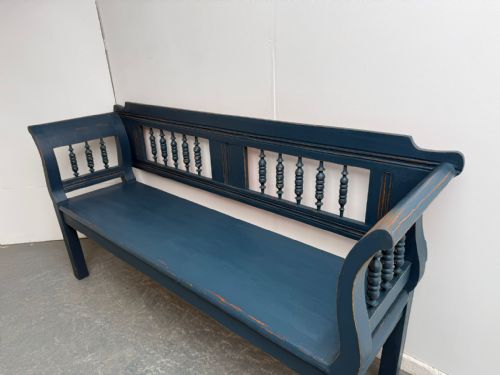
Oak and mahogany dominate the offerings, frequently showing carved details such as heraldic shield backs and Gothic motifs. Alongside formal single seats, buyers encounter rustic farmhouse pine benches and painted continental seating.
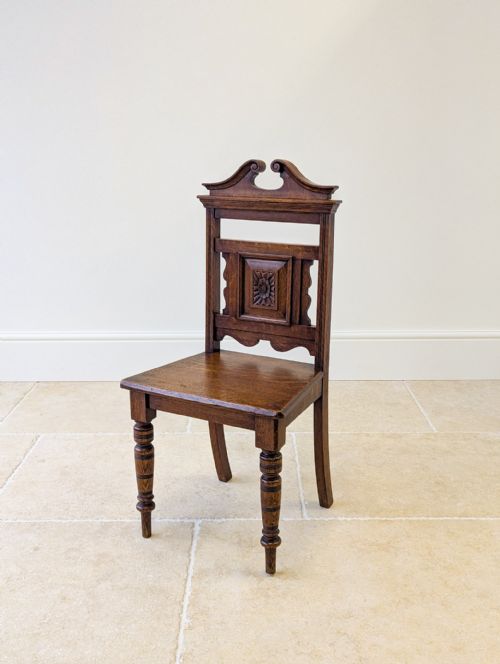
The most common forms on this page are sturdy oak and mahogany side chairs originating from the Victorian period, often featuring solid timber seats and carved backrests intended to impress guests upon arrival.
What varies in quality
The standard of carving determines much of the distinction between ordinary utility seating and finer examples. Crisp, deeply incised detail on hardwood backrests elevates a piece, whereas flat or mechanical tooling indicates simpler production.
Selection of timber figure and the integrity of the original construction heavily influence overall merit. Pieces retaining their dense, heavy hardwoods and uncompromised structural joints stand above those weakened by dry timber or clumsy repairs over the decades.
Some nineteenth-century church pews spent decades in country pubs before retiring to quiet domestic hallways.
Holland & Sons
The Victorian Hallway Chairs Glossary
- Hall chair
- An upright timber seat placed in an entranceway, typically constructed without arms so visitors in formal attire could sit comfortably. These pieces frequently display carved family crests or decorative back panels.
- Settle
- A high-backed wooden bench featuring solid sides designed to block cold drafts from doorways. Many examples incorporate a box compartment beneath the seat for storing household items.
- Gothic Revival
- An architectural and decorative style drawing inspiration from medieval design. This aesthetic appears on furniture through pointed arches, trefoils and heavy carved tracery.
- Pew
- A long wooden bench historically found in churches, adapted for domestic hallways or reception rooms. They utilise robust timbers like pine and oak.
- Pitch pine
- A resinous North American pine species utilised for nineteenth-century benches and church pews. It offers durability and a distinct grain pattern.
Victorian Hallway Chairs: Frequently Asked Questions
Where were hallway chairs placed?
These chairs stood in entrance halls, vestibules and passageways where guests were received before entering the main rooms of a house. Their upright posture encouraged brief seating rather than extended lounging.
Larger entrance spaces accommodated benches, settles with storage boxes, or church pews alongside pairs of matching side chairs.
How do you date a Victorian hall chair?
Dating relies on examining the timber species, construction methods, and stylistic cues such as Gothic Revival motifs or Aesthetic movement lines. Mid-century pieces often display crisp hand-carved heraldic backs, while later examples shift toward simpler Arts and Crafts influences.
Makers' marks or stamps, when present, provide a direct link to specific workshops and production decades.
Are these chairs comfortable for daily use?
Original nineteenth-century hall chairs prioritise architectural presence and sturdy construction over soft cushioning, as they were intended for short periods of waiting. Solid timber seats and upright wooden backrests encourage an upright posture.
Placing them in modern hallways preserves their historic character while providing a practical surface for putting on shoes.