
Victorian Hallmarked Silver
Victorian hallmarked silver brings together the precision of nineteenth-century assay offices and the weight of solid sterling silver in functional domestic and personal objects.
Victorian Hallmarked Silver
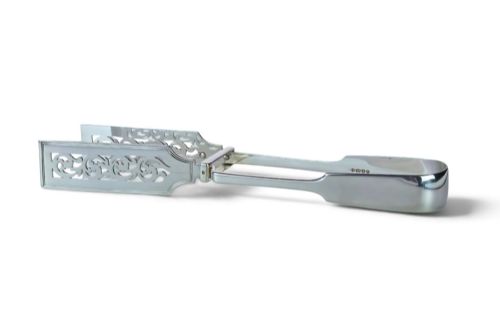
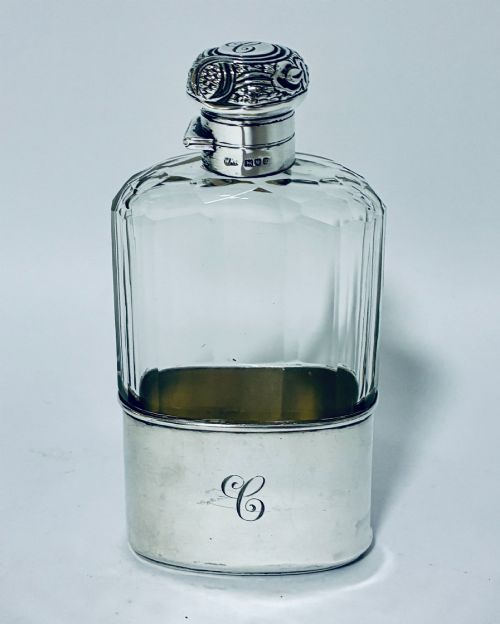
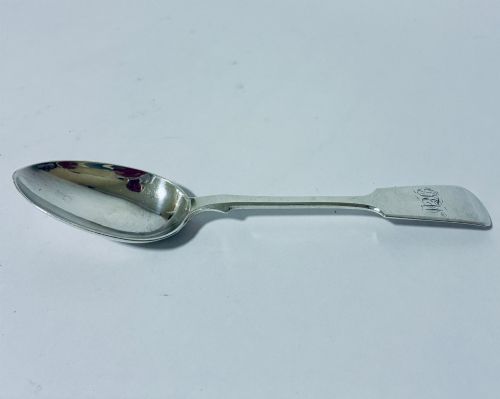
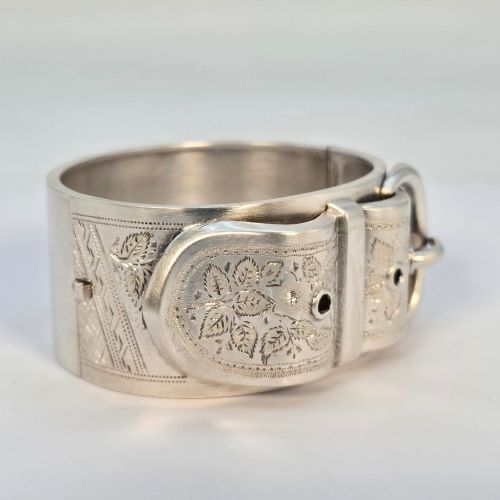
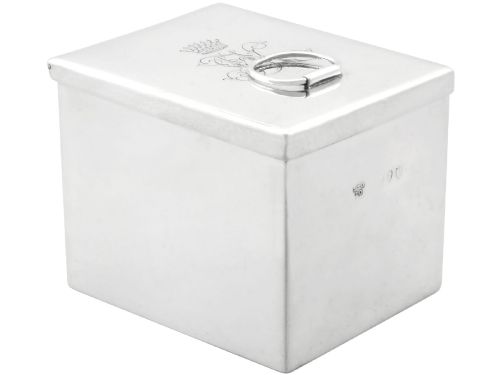
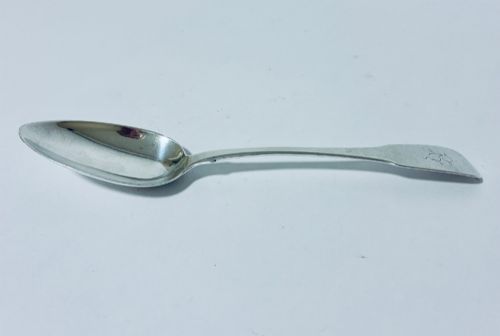
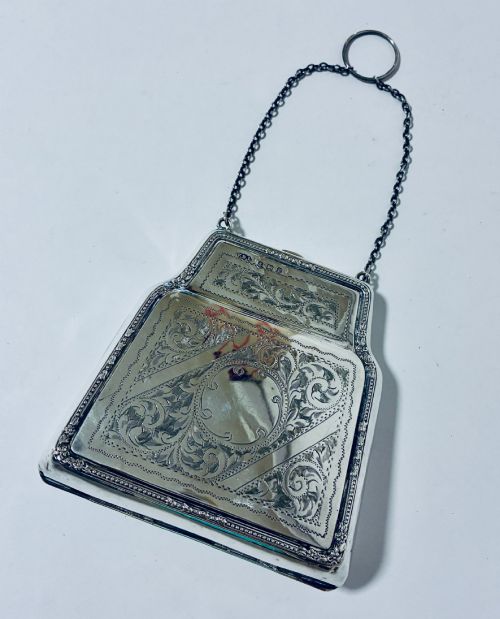
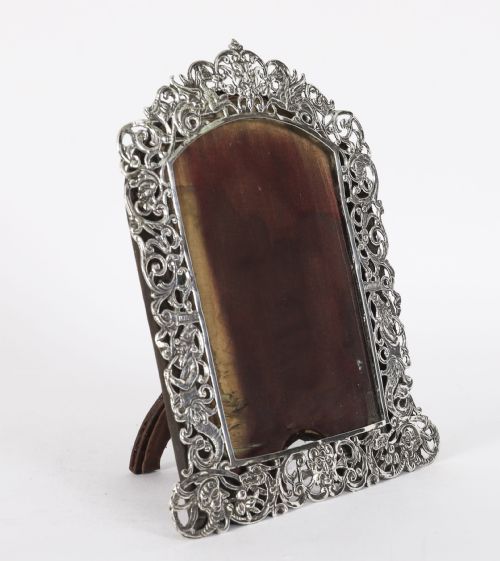
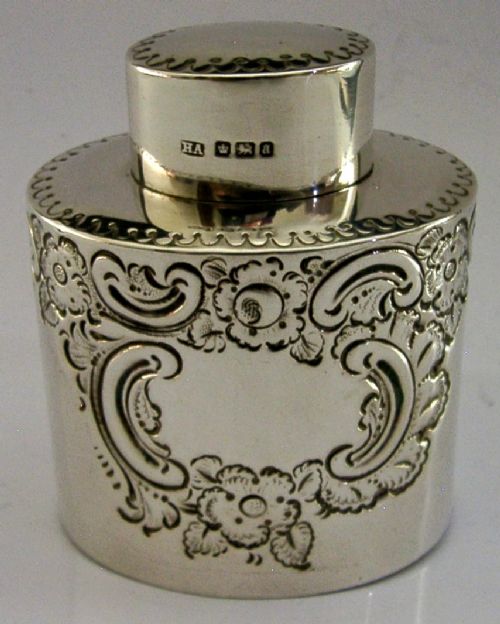
When you examine victorian hallmarked silver on this page, you encounter items designed for personal adornment, grooming, and dining tables. The selection spans chatelaines, scent bottles, tea caddies, photo frames, and flatware produced across the nineteenth century.
The most frequent examples originate from provincial and major English assay centres, bearing date letters and maker's marks that anchor each piece to a specific decade.
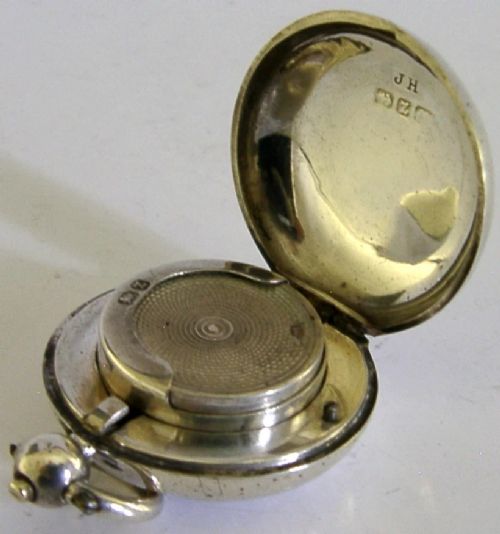
Objects range from small utilitarian vesta cases and napkin rings to substantial bowls, candlesticks, and decorative boxes.
Materials and Construction Techniques
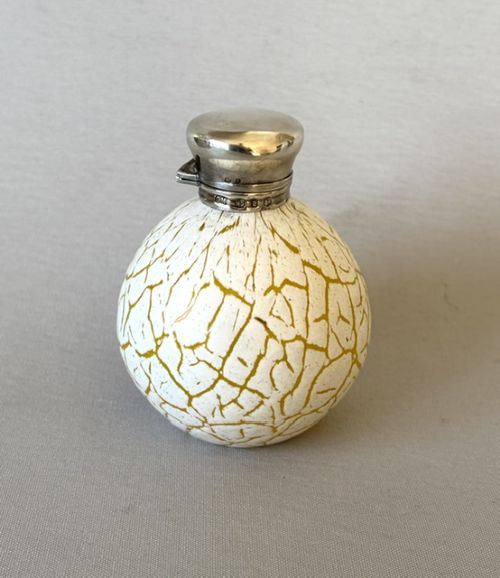
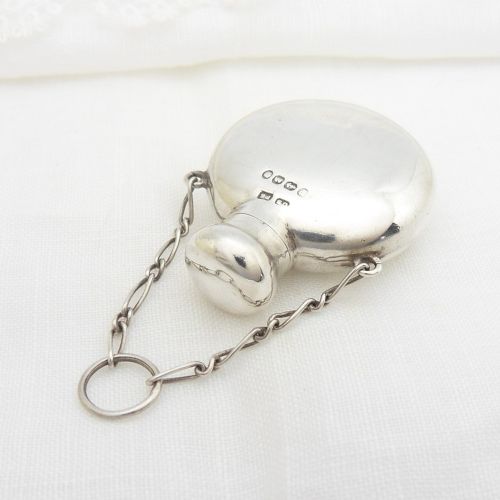
Makers utilised sterling silver alongside secondary materials such as crackle glass, wood, velvet, silk, and enamel to create texture and contrast in scent bottles, boxes, and frames.
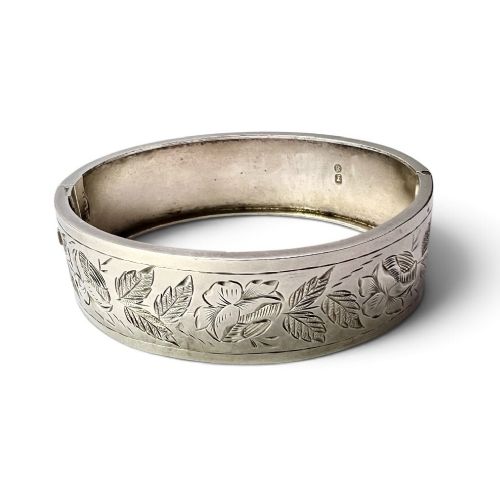
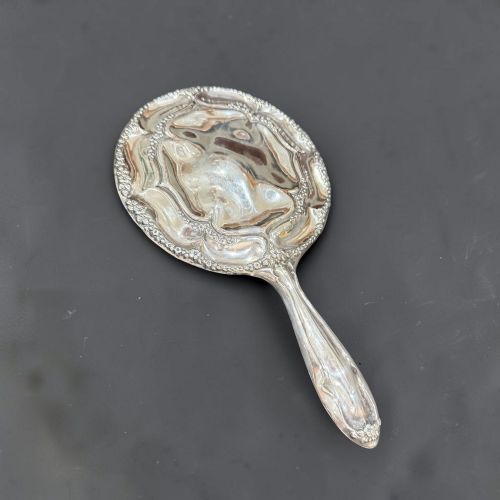
Techniques combined traditional silversmithing methods like raising and casting with detailed hand engraving, repoussé, and chasing to produce floral motifs, classical revivals, and rococo scrollwork.
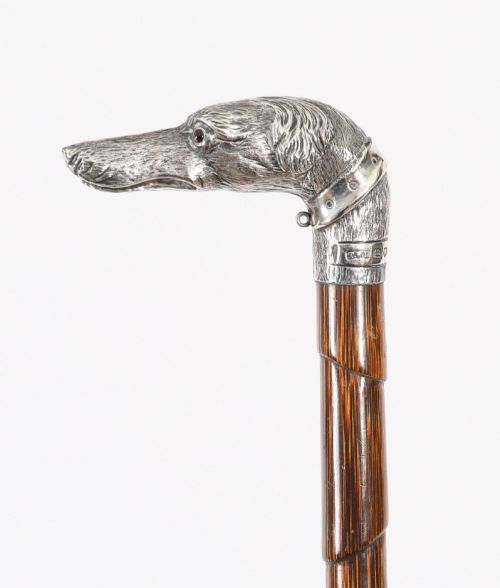
A greyhound head carved into a walking stick handle looks back at you with unblinking vigilance.
Distinctions in Quality and Execution
Quality rests upon the crispness of the hallmark stamps, the depth and clarity of hand-chased ornamentation, and the structural integrity of hinges on items like vesta cases and tea caddies.
Superior pieces display careful attention to interior finishes, secure mounts on glass and wooden bodies, and substantial gauge silver that resists denting during daily handling.
William Comyns & Sons·Saunders & Shepherd·Martin Hall & Co·Howard James Birmingham·EV Pledge & Son·Rosenthal Jacob & Co
The Victorian Hallmarked Silver Glossary
- Hallmark
- Official marks stamped on precious metals to guarantee standard of purity, originating from the Assay Office. These symbols typically include a maker's mark, standard mark, town mark, and date letter.
- Sterling silver
- An alloy comprising ninety-two point five percent silver and seven point five percent other metals, usually copper, chosen for durability in silverware. This standard remains the baseline for British hallmarked items.
- Repoussé
- A metalworking technique where the artist hammers the silver from the reverse side to form a raised design in relief. Details are subsequently refined from the front using chasing tools.
- Vesta case
- A small pocket container designed for holding matches, fitted with a hinged lid and a striking surface on the base. These cases frequently feature engraved floral or figural motifs.
- Chatelaine
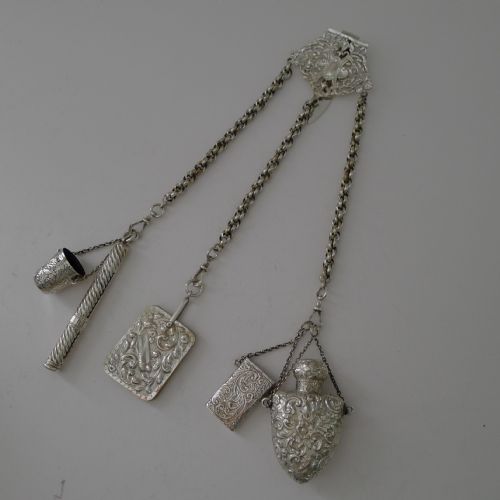
- A decorative belt hook worn from the waist with suspended chains carrying everyday utilitarian items such as scissors, watches, and scent bottles. They served as both practical accessories and status items.
Victorian Hallmarked Silver: Frequently Asked Questions
How do I read date letters on silver?
Assay offices stamped a sequential letter of the alphabet onto each piece to indicate the specific year it was tested and marked. These letters changed style and font with each cycle, requiring reference tables tied to the town mark.
Matching the letter shield shape alongside the assay office symbol, such as the anchor for Birmingham or leopard's head for London, confirms the exact year of manufacture.
What is the difference between sterling and silver gilt?
Sterling silver denotes the standard alloy composition of solid metal used throughout the construction of the item. Silver gilt refers to solid sterling silver that has undergone a process of gold plating on its surface.
This secondary application of gold added a rich interior finish to items like tea caddies, presentation spoons, and dressing table instruments.
How should I clean antique silver?
Gentle washing in warm water with mild soap removes everyday surface dust without harming the metal or softening chased details. Avoid abrasive pastes or harsh chemical dips that strip away the natural patina accumulated over generations.
Soft cotton cloths or specialised silver polishing cloths used sparingly preserve the crispness of the hallmarks and the depth of the engraving.
Were vesta cases carried by men or women?
Both men and women carried vesta cases during the period to hold matches for lighting cigars, cigarettes, or gas lamps. Designs varied from plain pocket versions to ornate models suspended from chatelaines or watch chains.
Smaller examples were tailored for waistcoat pockets, while standing models sat on desks or tables for domestic use.