

Victorian Grand Tour Marble
Victorian grand tour marble pieces are tangible souvenirs of nineteenth-century European travel, bringing classical architecture, mythology, and sculpture directly into the domestic interior.
Victorian Grand Tour Marble
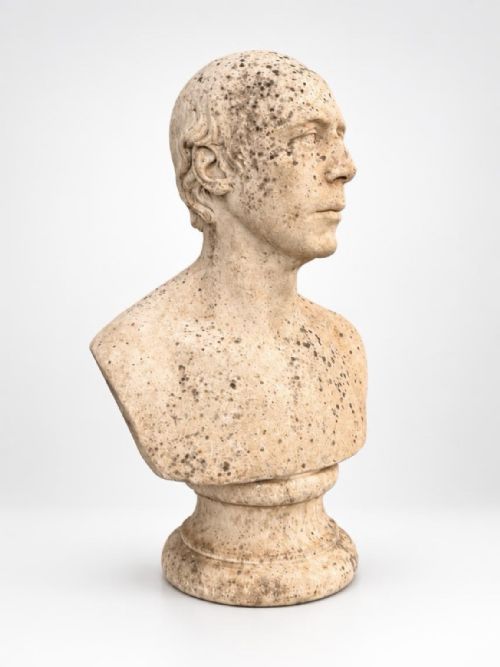
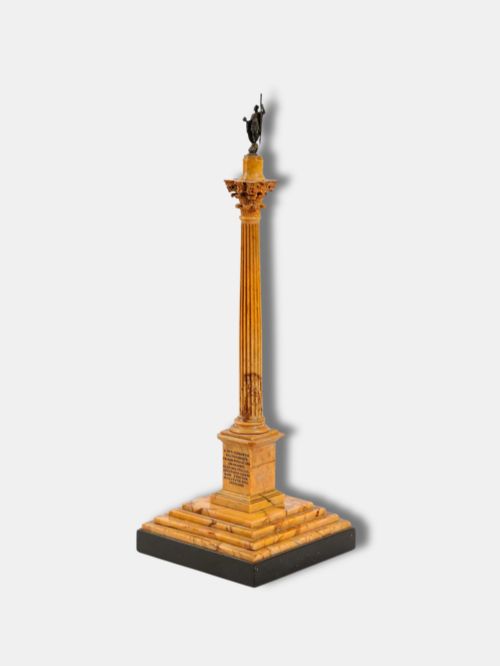
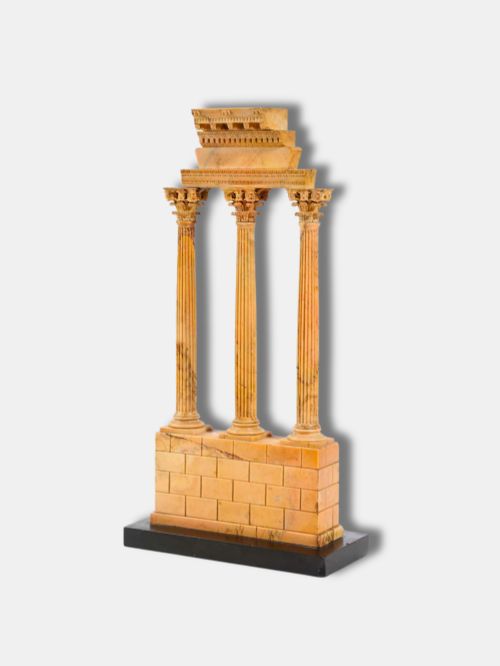
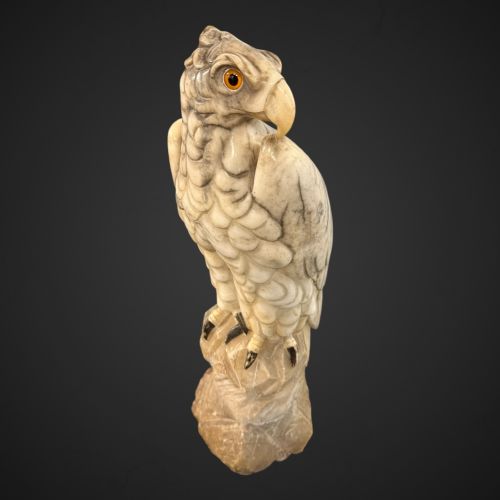
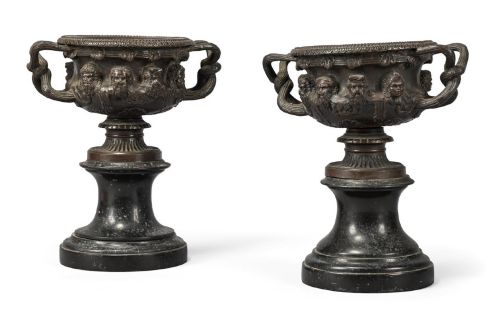
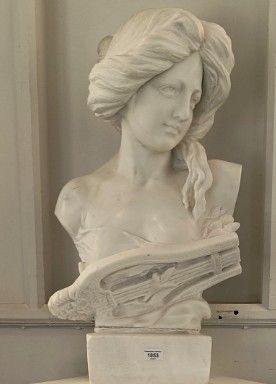
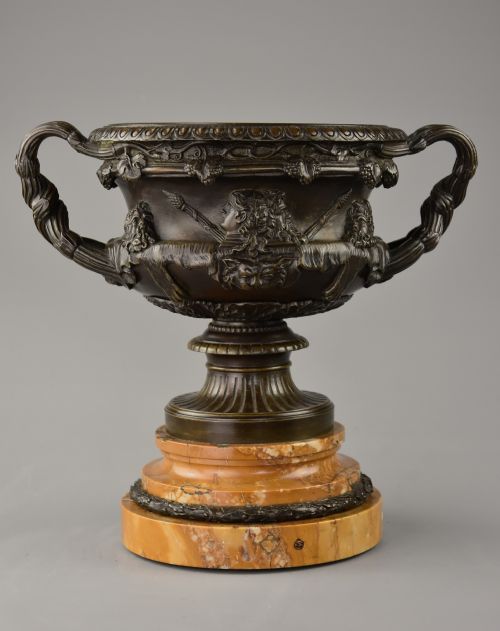
The objects span the nineteenth century, with particular representation from the mid to late decades. Architectural models of columns and temples sit alongside bronze and marble reductions of famous antiquities like the Warwick vase and classical busts.
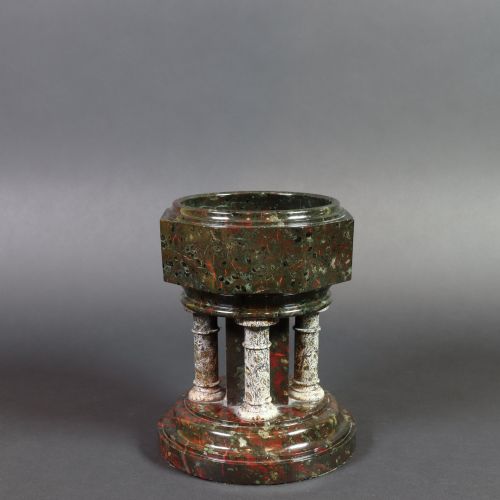
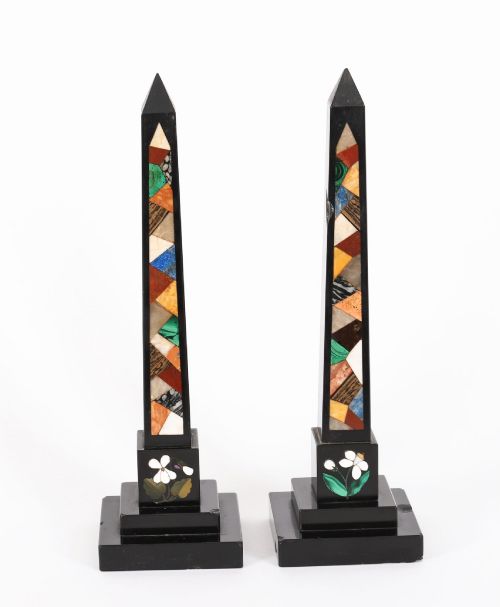
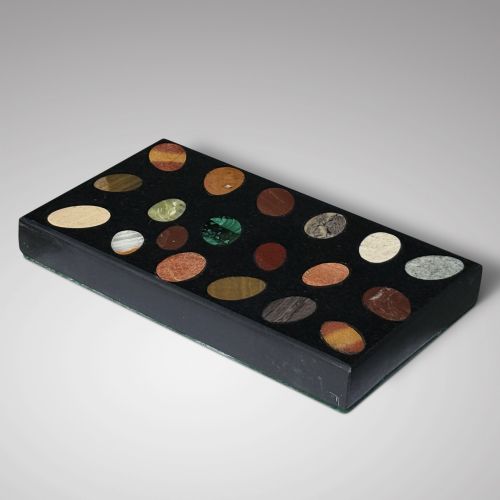
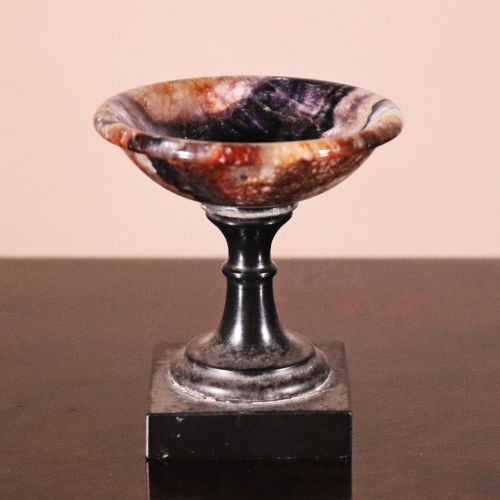
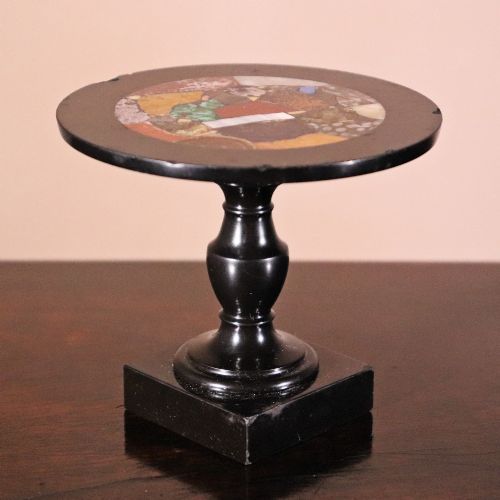
Materials extend beyond standard white marble to include specialised decorative stones such as Giallo Antico, Blue John, and Ashford black marble. Pietra dura and specimen inlays frequently enrich small decorative objects, paperweights, and miniature tables.
How They Were Made
Craftsmen utilised various marbles, bronze, brass, and slate, often combining patinated metals with polished stone bases or plinths. Specimen pieces incorporate multiple coloured stones arranged in geometric or floral pietra dura patterns.
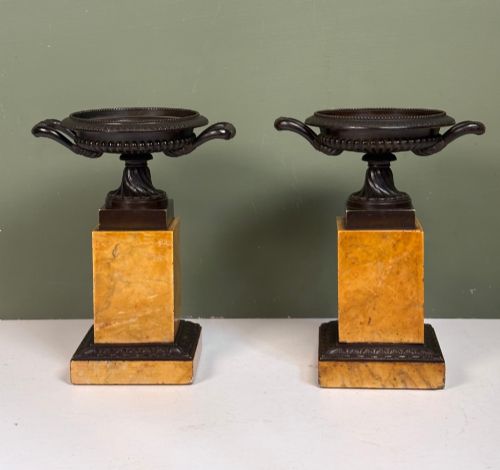
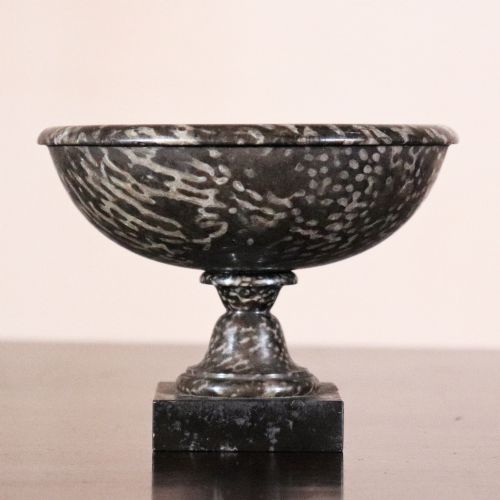
Carving, turning, and casting techniques brought classical forms down to cabinet size, matching architectural precision with sculptural detail. Bronze elements were cast and patinated, then mounted onto marble columns, tazzas, and bases.
Victorian Grand Tour Marble Retail Price Guide 2026
Typical asking prices for victorian grand tour marble among the pieces listed under this phrase on Sellingantiques today, from the lower quarter to the upper quarter. They describe what is for sale here now, not the wider market.
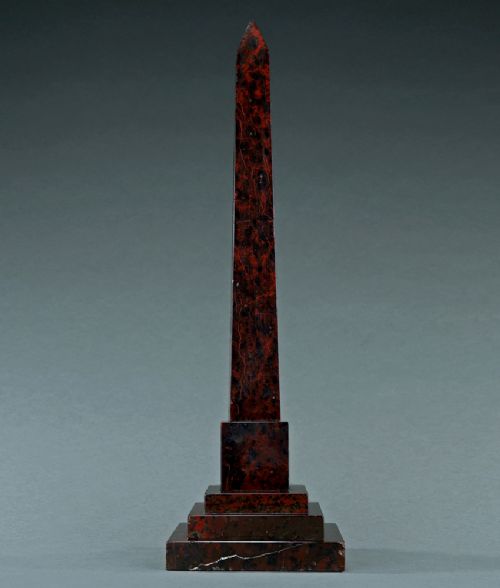
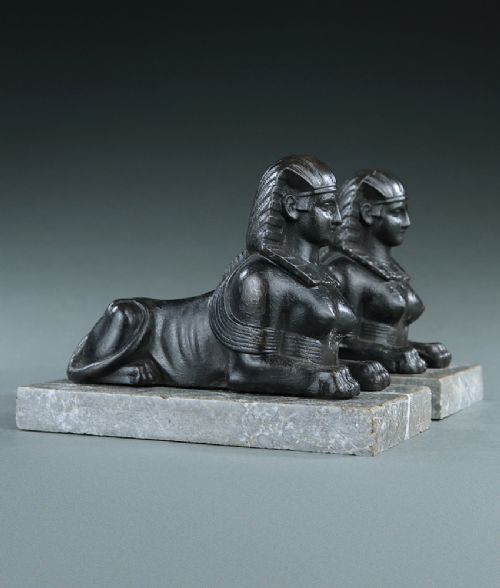
Object forms include Neoclassical busts, Egyptian Revival sphinxes, obelisks, architectural columns, and specimen tables.
What Varies in Quality
The choice of stone elevates certain pieces, particularly those employing uncommon coloured marbles, Blue John, or detailed lava cameos. Weight, structural balance, and the harmony between metal mounts and stone bases determine the overall success of the object.
The Victorian Grand Tour Marble Glossary
- Grand Tour
- A traditional trip through Europe, chiefly Italy, undertaken by upper-class young men and tourists to study the arts and classical antiquity. Souvenirs purchased along the way formed the basis of these collections.
- Pietra dura
- An artistic technique of inlaying cut and fitted polished coloured stones to create pictures or geometric designs. This meticulous mosaic work frequently appears on nineteenth-century tabletops and paperweights.
- Obelisk
- A tall, four-sided, narrow tapering monument which ends in a pyramid-like shape at the top. Miniature versions in marble and black marble served as popular ornamental desk objects.
- Tazza
- An ornate shallow cup or vase set on a pedestal and base. These decorative vessels were frequently cast in bronze and mounted on contrasting marble plinths.
Victorian Grand Tour Marble: Frequently Asked Questions
How were these marble items used originally?
Owners displayed architectural models, obelisks, and bronze sculptures on libraries, desks, and mantelpieces as conversation pieces. Smaller items like paperweights and inkstands served practical desk functions while celebrating classical aesthetics.
They functioned as tangible reminders of educational journeys and demonstrated the owner's refined taste in art and history.
What is Ashford black marble?
Ashford black marble is a fine-grained, dark limestone from Derbyshire that takes a high polish and provides a contrasting background for inlaid stones. It was frequently used for obelisks, thermometres, and miniature tables.
Craftsmen often decorated the deep black surface with colourful pietra dura floral motifs made from native and foreign mineral specimens.
How do I live with grand tour pieces?
These compact sculptures and architectural models suit tabletops, bookshelves, and desk surfaces where their detailed stonework and patinated bronzes can be examined closely. Pair stone obelisks and tazzas with wooden furniture to highlight the contrasting textures of polished mineral and metal.
Keep them away from direct heat sources and clean gently with a dry or barely damp cloth to protect the antique stone and bronze surfaces.