




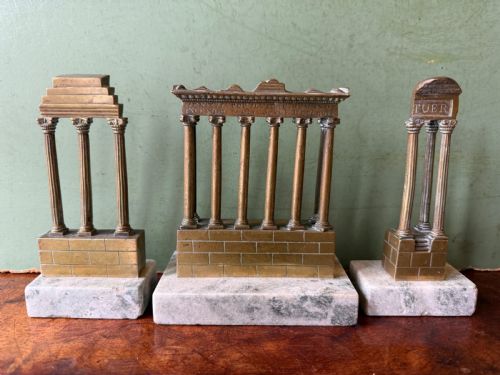


Italian Grand Tour Model
An italian grand tour model brings home the monumental architecture and classical sculpture of ancient Rome and Florence.
Italian Grand Tour Model
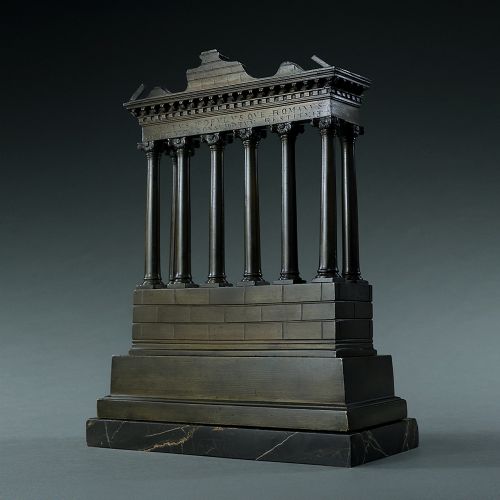
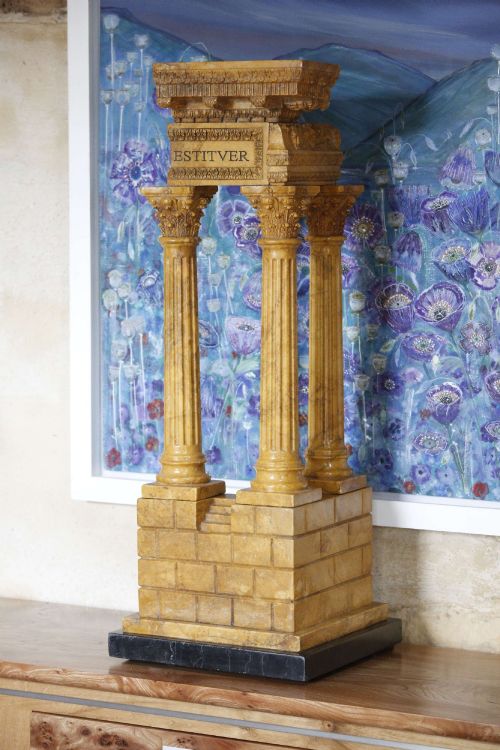
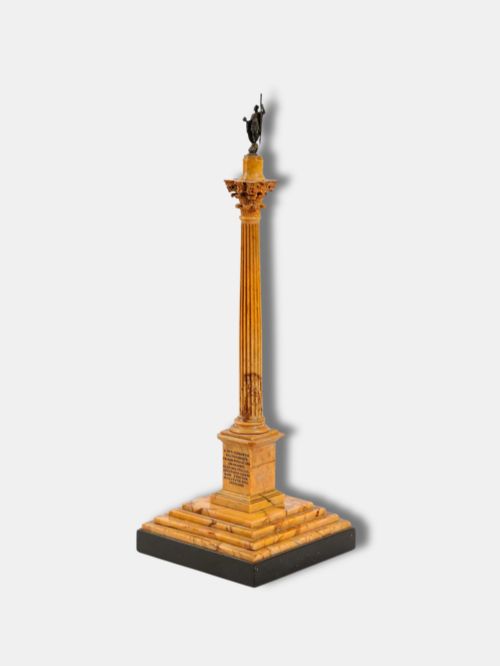
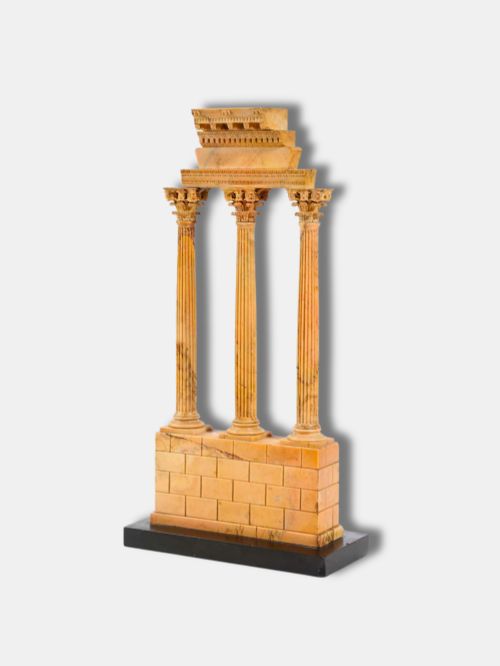
An italian grand tour model represents the architectural ruins, temples, and classical sculptures collected by travellers during their travels across Europe in the nineteenth century. These pieces translate famous Italian sights into compact objects designed for display in private studies and libraries.
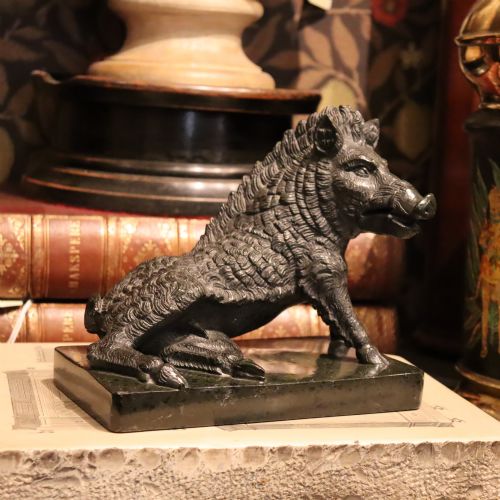
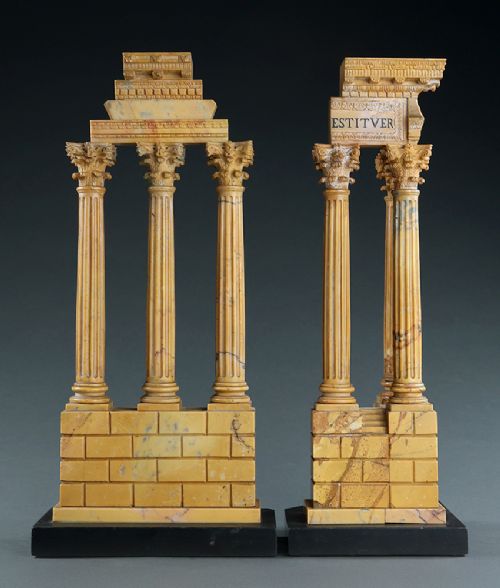
The selection on this page centres on nineteenth century productions, spanning architectural models of Roman forums alongside animal figures and mythological sculptures. Common forms include miniature columns, temples, and carved stone beasts derived from ancient originals.
Buyers encounter both bronze castings and stone carvings, reflecting the varied mediums travellers acquired as souvenirs of their journeys. Architectural models and animal figures predominate, echoing the physical monuments visible to nineteenth century visitors in Italy.
How They Were Made
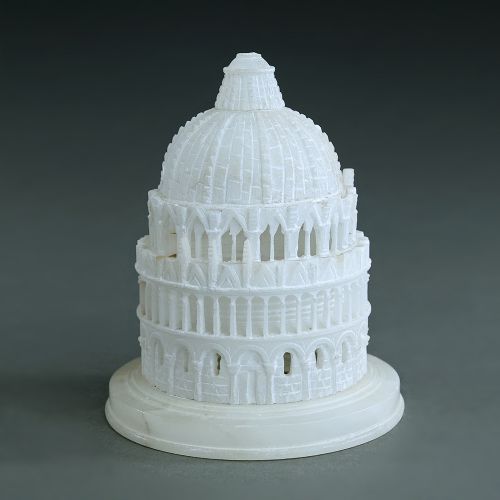
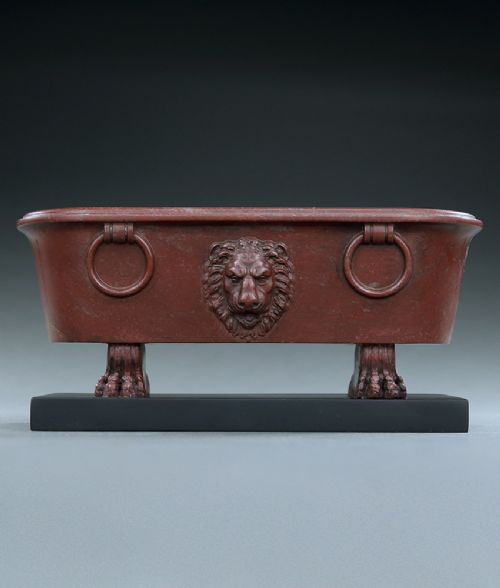
Artisans utilised specific minerals such as alabaster, serpentine, giallo antico, and marmo rosso to carve specimen marbles that replicated the polychromatic stone of ancient ruins. These stone models required meticulous hand polishing to reveal the natural grain and colour variations of the geological material.
Bronze components were produced through casting methods that allowed workshops to capture intricate details on miniature figures, architectural elements, and sculptural replicas. Patination was subsequently applied to the metal surfaces to simulate the aged appearance of excavated antiquities.
Italian Grand Tour Model Retail Price Guide 2026
Typical asking prices for italian grand tour model among the pieces listed under this phrase on Sellingantiques today, from the lower quarter to the upper quarter. They describe what is for sale here now, not the wider market.
Listings feature nineteenth century pieces made from bronze, alabaster, and various specimen marbles including serpentine and giallo antico.
What Varies in Quality
The standard of carving in stone models separates pieces with crisp architectural moulding and precise column fluting from those with softer, less defined edges. Natural stone specimens also differ according to the uniformity of the marble and the complexity of the mineral assemblage selected by the maker.
The Italian Grand Tour Model Glossary
- Giallo Antico Marble
- A yellowish ancient marble quarried in numidia and prized for its warm golden tones. Nineteenth century makers utilised this stone to replicate classical architectural elements.
- Serpentine Marble
- A dark green mineral rock valued for its mottled appearance resembling snakeskin. It frequently appears in nineteenth century carved animal models and architectural bases.
- Marmo Rosso Marble
- A deep red ornamental limestone used in Italian decorative objects. This material allowed makers to recreate the rich polychromy of Roman interiors.
- Alabaster
- A fine grained translucent stone easily shaped into miniature buildings. It offered nineteenth century carvers a workable medium for detailed architectural models.
- Patinated Bronze
- Metal treated with chemical solutions to darken the surface and imitate age. This finish highlights the sculptural details of miniature figures and temple ruins.
Italian Grand Tour Model: Frequently Asked Questions
What is an italian grand tour model?
An italian grand tour model is a miniature souvenir of classical architecture or sculpture purchased by travellers during nineteenth century European journeys.
These decorative objects translate famous Roman and Florentine monuments into display pieces made from stone or bronze.
How were these models used?
Travellers placed these models on desks, tables, and in cabinets as reminders of their cultural education abroad.
They served as conversational display items in nineteenth century libraries and drawing rooms.
What materials are common?
Common materials include various coloured specimen marbles, alabaster, stone, and patinated bronze.
Makers selected these substances to mirror the physical reality of ancient Italian buildings and sculptures.
How do I date these models?
Dating relies on stylistic evidence, material analysis, and the historical context of nineteenth century manufacturing.
Most surviving pieces originate from the central and later decades of the nineteenth century.