




Victorian Gothic Hanging Lantern
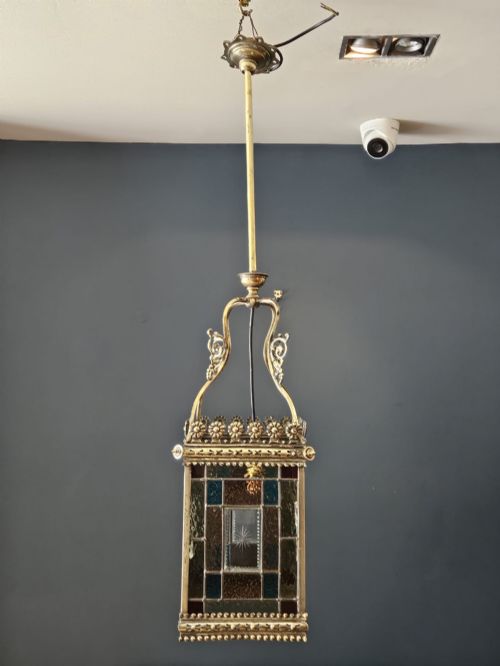
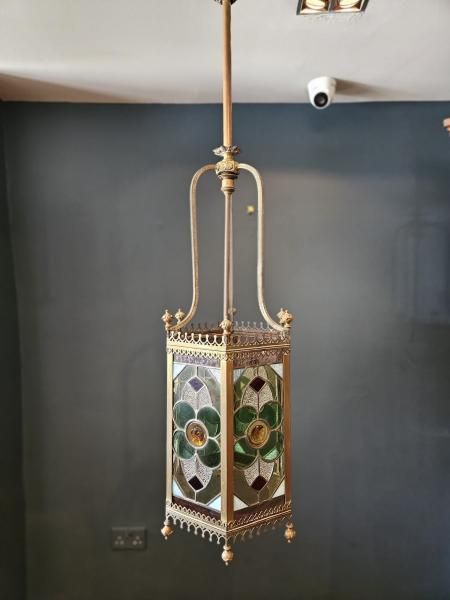
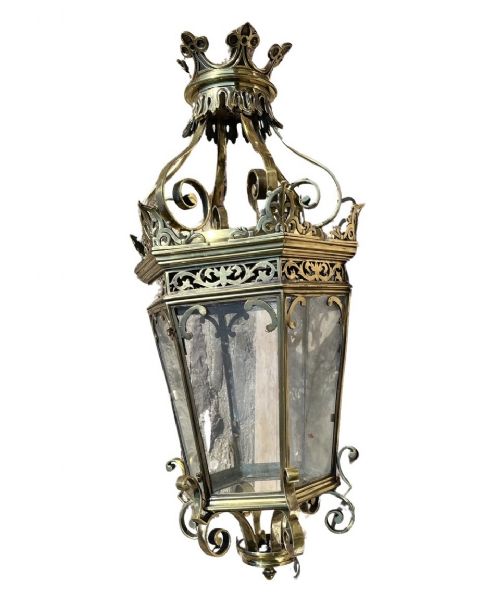
A victorian gothic hanging lantern brings ecclesiastical weight and architectural presence to a hallway, built from brass, leaded glass and wrought iron.
Victorian Gothic Hanging Lantern
A victorian gothic hanging lantern draws directly from medieval architectural motifs, appearing primarily as pendant lights, hall lanterns and ceiling lights within nineteenth-century properties.
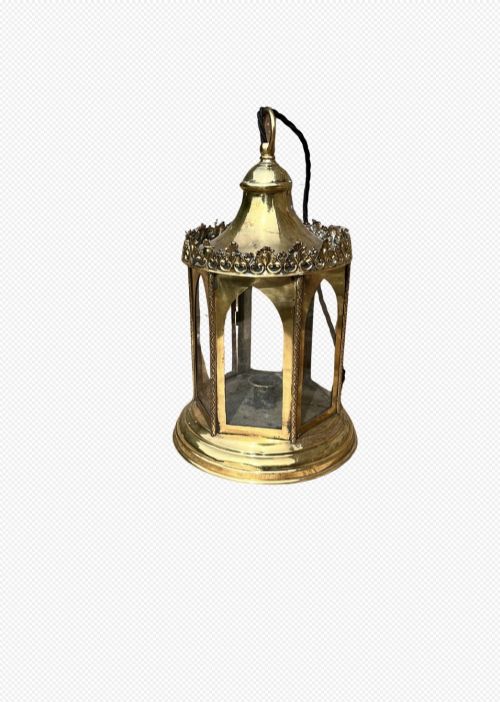
Most examples found here date across the Victorian period, utilising hexagonal or geometric forms designed to hang in porches, halls and stairwells.
The aesthetic merges heavy metal frames in brass, wrought iron or gilt metal with intricate glass panels, echoing the lancet windows and pointed arches of Gothic Revival design.
Materials and construction
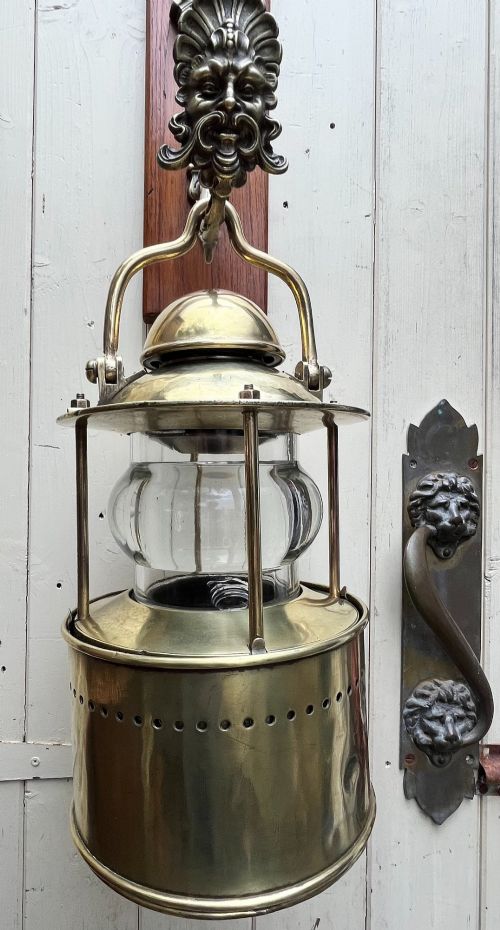
Makers constructed these pieces using robust metal frames of brass, copper and wrought iron to support panels of clear, stained or leaded glass.
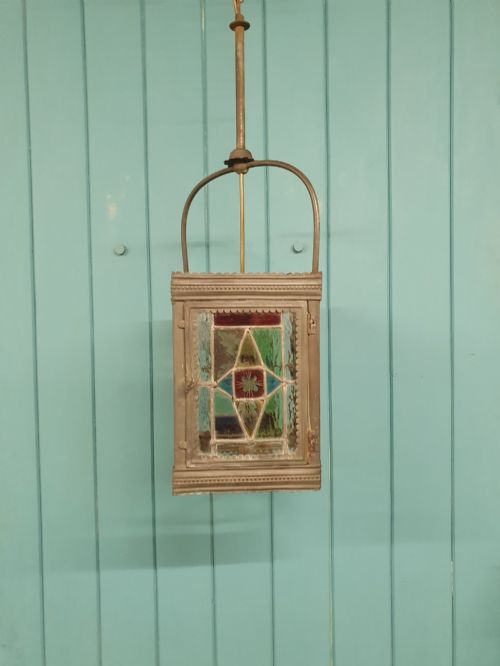
Glazing techniques involved holding individual panes together with lead cames, occasionally incorporating coloured glass, dimpled textures or decorative motifs like shamrocks.
Early versions operated with candles before many were subsequently electrified, retaining hinged doors and ventilation caps designed for soot release.
Victorian Gothic Hanging Lantern Retail Price Guide 2026
Typical asking prices for victorian gothic hanging lantern among the pieces listed under this phrase on Sellingantiques today, from the lower quarter to the upper quarter. They describe what is for sale here now, not the wider market.
Judgements of quality
Quality rests upon the architectural ambition of the metalwork and the precision of the leaded or stained glass assembly.
Examples that demonstrate heavier gauge brass, finely articulated Gothic Revival ornament and original coloured glass sections stand apart from simpler utilitarian pieces.
The Victorian Gothic Hanging Lantern Glossary
- Gothic Revival
- An architectural and decorative style reviving medieval forms. It heavily influences the pointed arches and structural rigidity seen in these lanterns.
- Leaded Glass
- Small panes of glass held together by lead cames. This technique creates geometric patterns and supports coloured or stained glass panels.
- Hexagonal Form
- A six-sided geometric shape frequently utilised for the body of these lanterns. It allows light to project evenly across a hallway or porch.
- Pendant Light
- A light fixture suspended from the ceiling by a chain, cord or rod. Most hanging lanterns function in this exact configuration.
Victorian Gothic Hanging Lantern: Frequently Asked Questions
Where should I hang this lantern?
These pieces suit high-ceilinged entrance halls, corridors or porches where their vertical drop and architectural metalwork create an immediate focal point.
Ensure the scale of the lantern matches the proportions of the room so the drop does not obstruct passage.
Were these originally for candles?
Many nineteenth-century examples began life lit by candles before being adapted for electricity during later decades.
Survival of original ventilation caps and internal burners often points to this earlier method of illumination.
How do I clean the glass panels?
Carefully wipe the glass using a soft cloth and a gentle glass cleaner while supporting the lead cames from behind.
Avoid applying heavy pressure to stained or leaded sections to prevent shifting the delicate metal framework.
Can I use these outdoors?
Certain robust iron and copper variants served as outside porch lights, though interior examples require shelter from harsh weather.
Check the framing and wiring rating of individual pieces before exposing them to damp exterior conditions.