



Traditional Porch Pendant Light
These traditional porch pendant light pieces bring period character to an entrance, forged from brass, bronze, copper and iron.
Traditional Porch Pendant Light
When you search for a traditional porch pendant light, you encounter overhead hanging lanterns designed to illuminate entrances, hallways and vestibules. These fixtures provide functional exterior and threshold lighting while setting a distinct historical tone for a property.
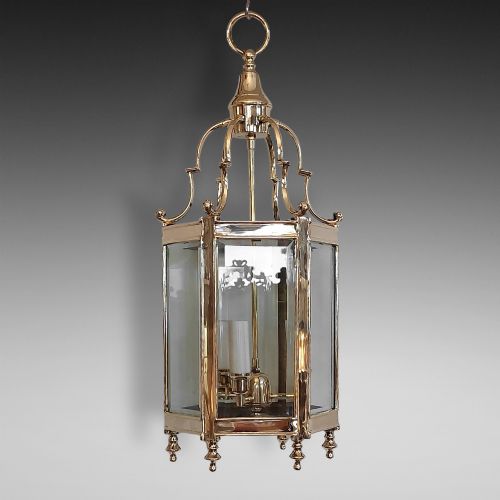
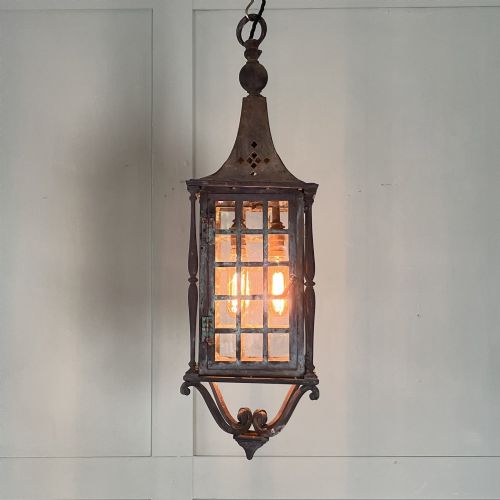
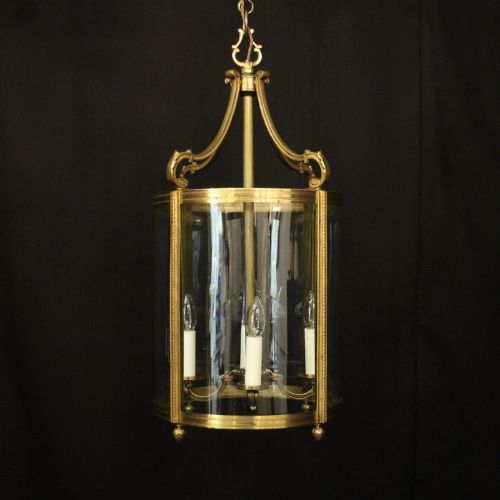
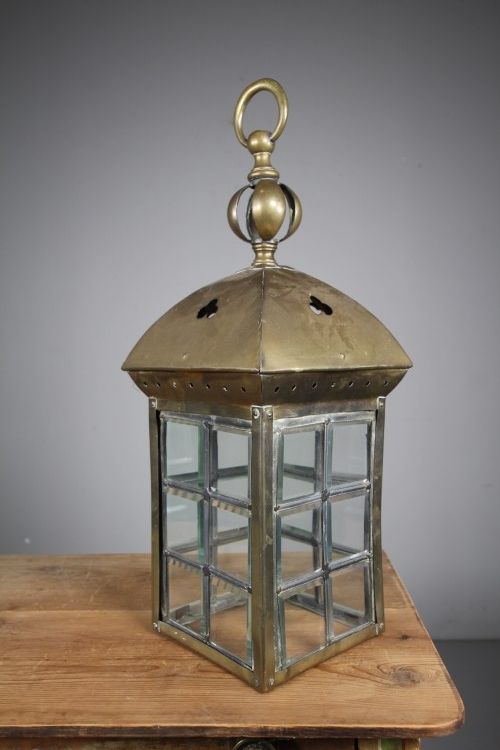
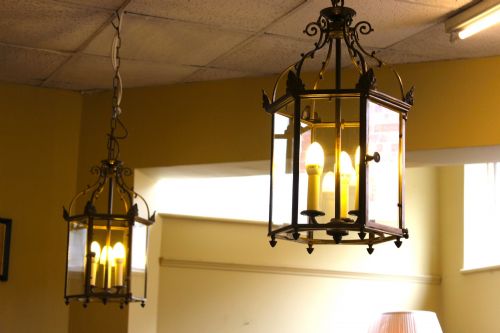
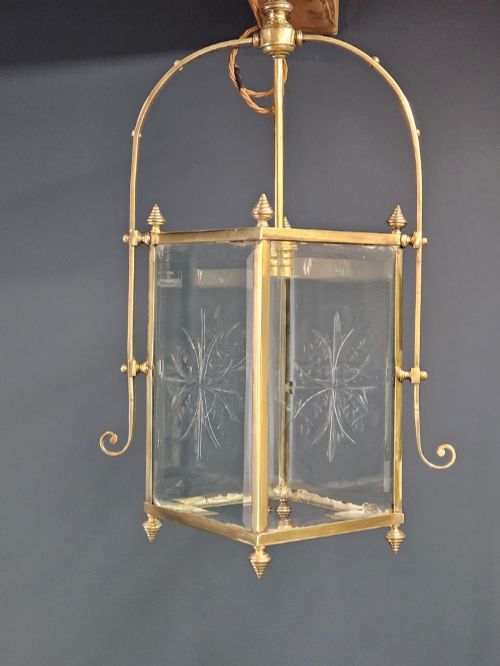
The selections available here lean heavily toward Edwardian brass frames and French hall lanterns from the nineteenth and early twentieth centuries. You frequently meet hexagonal and rectangular glass designs created to withstand external elements whilst maintaining domestic elegance.
Origins span English country house pieces alongside French chateau and Arts and Crafts examples. Forms range from single bulb pendants to multi-light configurations housed in bevelled glass and metal frameworks.
How traditional porch pendant light pieces were made
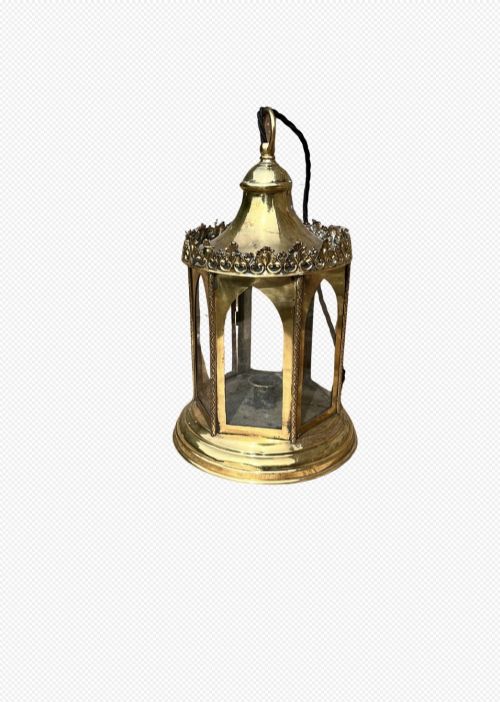
Construction relies on durable metals including brass, wrought iron, bronze and copper, often formed into rigid structural cages. Smiths and metalworkers joined these frames using rivets and solder to support heavy panes of glass.
Glazing typically involves bevelled glass panels secured within metal channels, designed to refract light outward. Surface treatments range from polished brass and gilded bronze to patinated iron and green copper.
Traditional Porch Pendant Light Retail Price Guide 2026
Typical asking prices for traditional porch pendant light among the pieces listed under this phrase on Sellingantiques today, from the lower quarter to the upper quarter. They describe what is for sale here now, not the wider market.
Materials recorded across current inventory include wrought iron, gilt bronze, bevelled glass and solid copper alongside standard brass.
What varies in quality in traditional porch pendant light pieces
Substantial weight in the metal frame and thickness in the glass panels distinguish sturdier examples from lighter utilitarian fixtures. Fine casting detail on bronze and brass components indicates greater care during manufacture.
Original suspension loops, matching ceiling plates and intact bevelled glass panes elevate the integrity of a piece. The refinement of decorative motifs, such as cast shamrocks or gothic tracery, marks the distinction between standard production and superior craftsmanship.
The Traditional Porch Pendant Light Glossary
- Hexagonal lantern
- A hanging light fixture featuring six sides, commonly constructed with brass frames and glass panels. This geometry allows light to disperse evenly across an entrance hall or porch.
- Bevelled glass
- Glass panes possessing angled edges cut and polished to a specific slope. This technique creates prismatic light effects within the lantern.
- Arts and Crafts
- A design movement prioritising traditional craftsmanship and visible construction methods. Pieces from this tradition often utilise hand-beaten copper or iron.
- Gothic Revival
- An architectural and decorative style drawing on medieval forms. Lanterns in this style incorporate pointed arches and heavy tracery.
- Hall lantern
- An enclosed ceiling-hung light fixture designed for narrow transitional spaces. These objects direct illumination downward while protecting the flame or bulb from draughts.
Traditional Porch Pendant Light: Frequently Asked Questions
Where should a traditional porch pendant light be hung?
These lanterns suit covered exterior porches, entrance vestibules and high-ceilinged hallways where overhead suspension is practical. They create a focal point immediately inside or outside the primary doorway.
Ensure adequate clearance below the lowest point of the lantern for foot traffic and door swings. Weather-exposed locations require fixtures specifically rated or sheltered for outdoor conditions.
How do I identify an Edwardian porch pendant light?
Edwardian examples often feature bright brass frames, clean geometric lines and simpler proportions compared to ornate Victorian designs. They frequently adopt hexagonal or square shapes with clear glass panels.
Look for construction methods and patination consistent with the early twentieth century. Maker marks or stamps on the metalwork can occasionally confirm the period.
Were these lanterns originally used outside?
Many large metal lanterns served dual purposes for exterior coaching, porch illumination or interior hall lighting. Robust brass, copper and iron construction allowed them to endure sheltered outdoor environments.
Exterior placement usually resulted in heavier weathering and patination on the metal surfaces. Remnants of brackets and heavy-duty suspension loops often indicate exterior utility.
How are antique pendant lights electrified?
Most antique lanterns arrive wired for modern electrical standards using internal bulb holders fitted discreetly inside the frame. Rewiring involves running modern insulated cable through the original hanging loop or chain.
Qualified electricians should handle the installation to ensure safe connection to domestic power supplies. Historic ventilation holes often accommodate modern wiring without altering the metal structure.