



Victorian Gothic Carved Frame
These pieces of victorian gothic carved frame furniture bring ecclesiastical weight and architectural geometry straight into domestic rooms through deep relief work.
Victorian Gothic Carved Frame
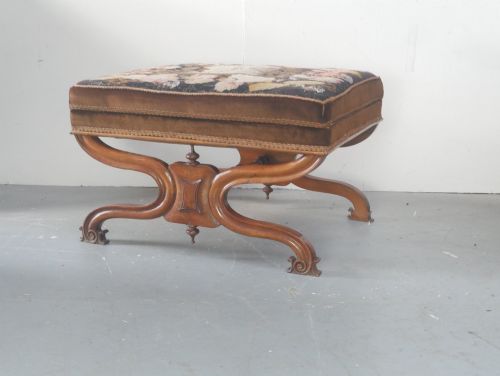
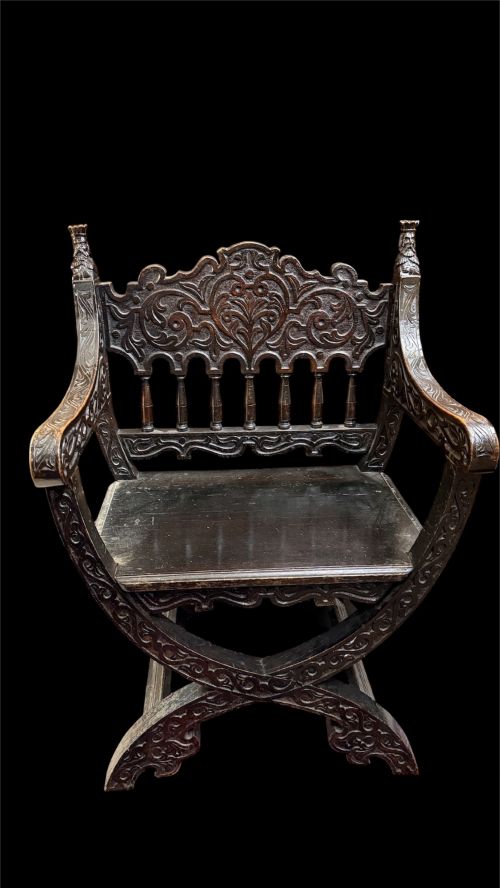
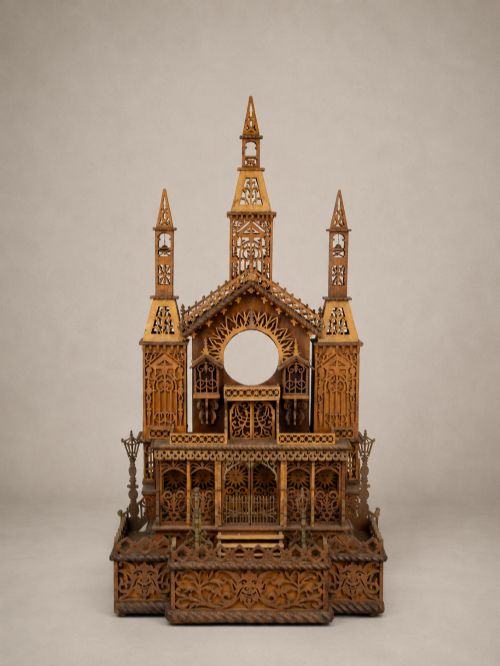
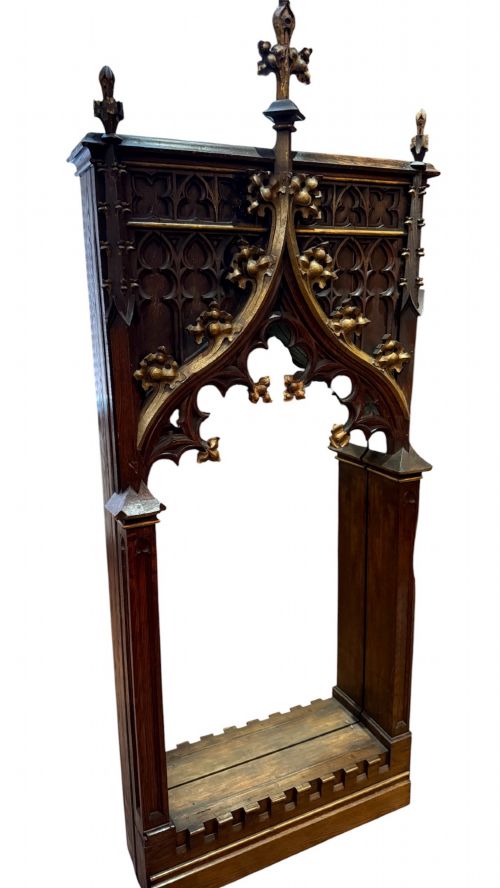
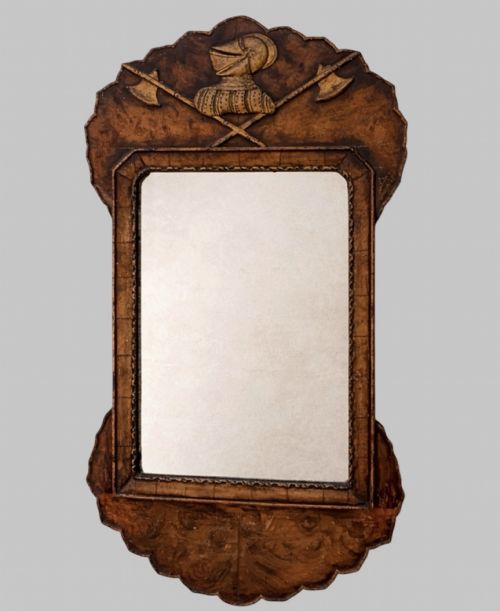
A victorian gothic carved frame appears predominantly across wall mirrors, armchairs, and stools originating from the nineteenth century. These objects draw heavily upon medieval ecclesiastical design, incorporating pointed arches, tracery, and armorial crests.
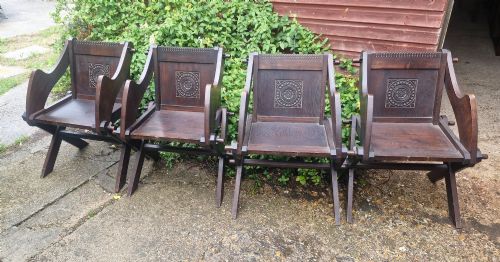
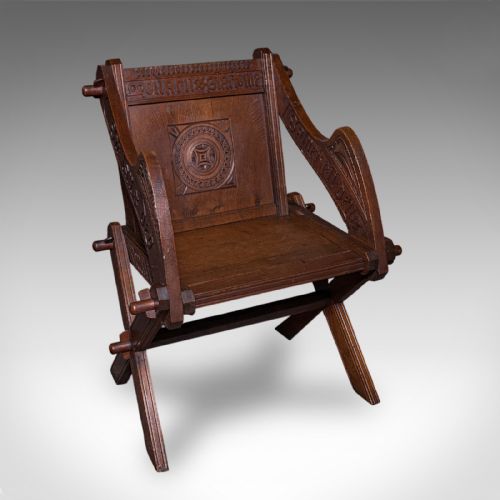
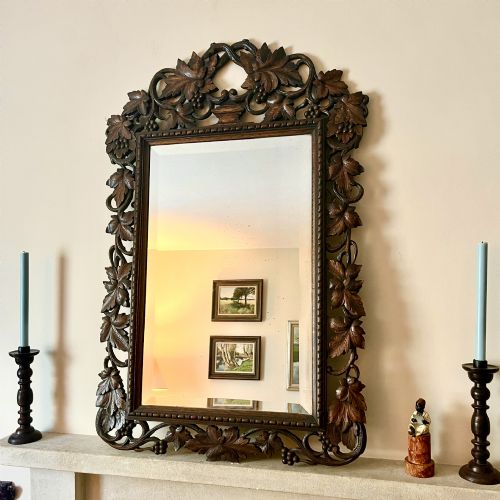
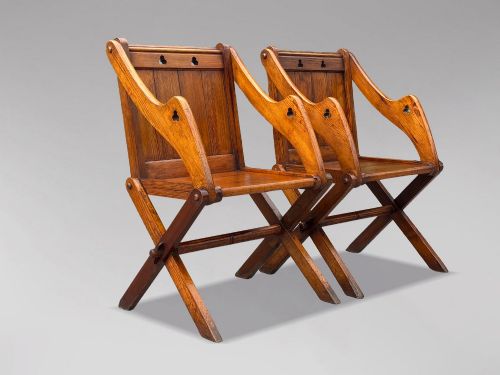
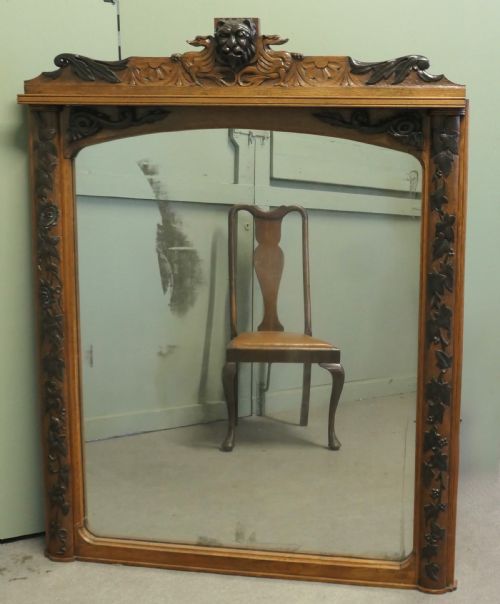
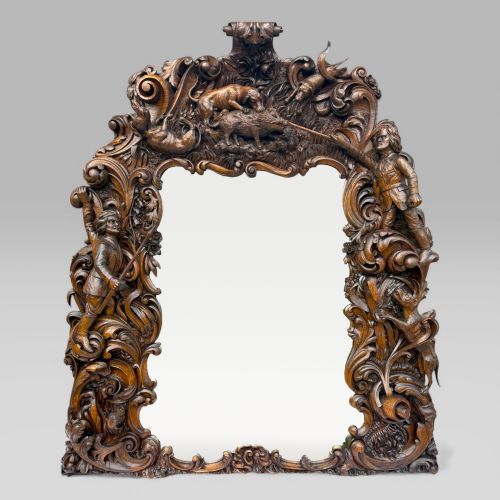
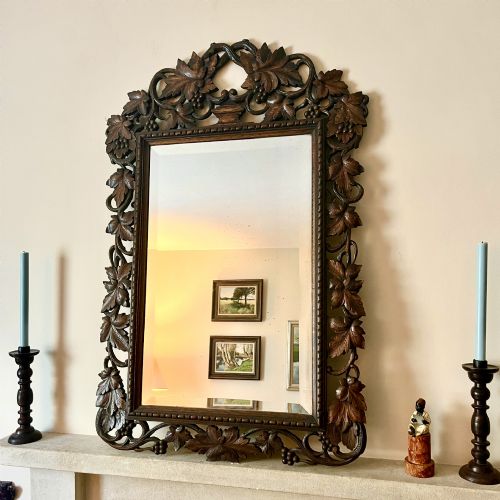
The armchairs frequently take the form of Glastonbury chairs with X-frames and inscribed wooden seats. Wall mirrors dominate the selection, framed in heavy timber with deep bevelling and architectural pediments.
How they were made
Carpenters and cabinet makers utilised solid timber, principally oak alongside walnut, mahogany, and pitch pine. This material choice provided the density required for deep, structural carving without compromising the integrity of joints.
Joinery relied upon traditional mortise and tenon construction to support heavy timber frames and applied tracery. Surfaces received wax polishing or maintained a polished finish to highlight the natural grain of the wood.
Victorian Gothic Carved Frame Retail Price Guide 2026
Typical asking prices for victorian gothic carved frame among the pieces listed under this phrase on Sellingantiques today, from the lower quarter to the upper quarter. They describe what is for sale here now, not the wider market.
Some nineteenth-century makers incorporated actual brass dinner gongs inside carved wooden stands, ensuring dinner was announced with genuine monastic gravity.
What varies in quality
Depth and crispness of the chisel work distinguish standard production from exceptional examples. Skilled carvers achieved sharp undercut foliage and precise geometric tracery that catch the light.
The proportion of the timber and the architectural coherence of the frame determine the visual success of the piece. Well-balanced mouldings and integrated crests reflect a designer adhering closely to revival principles.
The Victorian Gothic Carved Frame Glossary
- Glastonbury chair
- A traditional X-framed wooden armchair with a sloping back and panel seat, often associated with ecclesiastical revival designs. These seats fold or disassemble through interlocking central members.
- Tracery
- Openwork stonework patterning translated into wooden woodwork panels on mirrors and chairs. This element mimics the stonework found in medieval church windows.
- Armorial crest
- A heraldic design carved into the timber frame or surmounting the cresting of a mirror. Such motifs often denote specific family lineages or institutional commissions.
- Overmantle
- A large mirror designed specifically to hang above a fireplace mantelpiece. These frames are typically broader than they are tall to suit the proportions of the chimney breast.
- Ecclesiastical
- Design elements directly borrowed from church architecture and furnishings. This includes pointed arches, quatrefoils, and heavy structural timberwork.
Victorian Gothic Carved Frame: Frequently Asked Questions
How do I care for a carved wooden frame?
Maintain the timber by applying a microcrystalline wax polish twice a year to nourish the grain and protect against dryness. Avoid placing these heavy wooden pieces near direct heat sources or strong sunlight.
Dust the deep relief carvings regularly with a soft bristle brush to prevent particle buildup in the recesses. Take care not to use liquid polishes or silicone sprays that can damage antique polishes.
Were these items made for churches?
While many designs originated from ecclesiastical architecture and monastic furniture, the majority of these pieces were manufactured for domestic Victorian interiors. Wealthy homeowners sought to recreate the solemnity of medieval halls in their own libraries and drawing rooms.
Specific forms like the Glastonbury chair found favour in both vicarages and secular country houses. The heavy architectural detailing served as a deliberate contrast to lighter Regency styles.
How do I identify the wood species?
Examine the grain pattern and colour tone across unpolished areas or underneath the piece. Oak displays prominent medullary rays and an open grain, while walnut presents a darker, richer tone with subtler figuring.
Pitch pine carries distinctive parallel grain lines with resin streaks, common in later nineteenth-century seating. Mahogany offers a dense, reddish-brown appearance with fine, interlocking pores.
Where should I hang a heavy mirror?
Secure these substantial frames directly into wall studs using heavy-duty mirror brackets or concealed french cleats. The considerable weight of the oak or walnut surround demands robust wall fixings rather than standard picture wire.
Ensure the hanging height allows viewers to see their reflection comfortably while displaying the architectural pediment to advantage. Balance the visual mass of the frame against surrounding furniture proportions.