

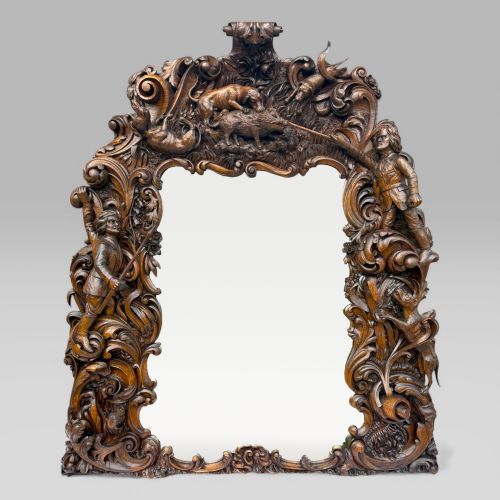
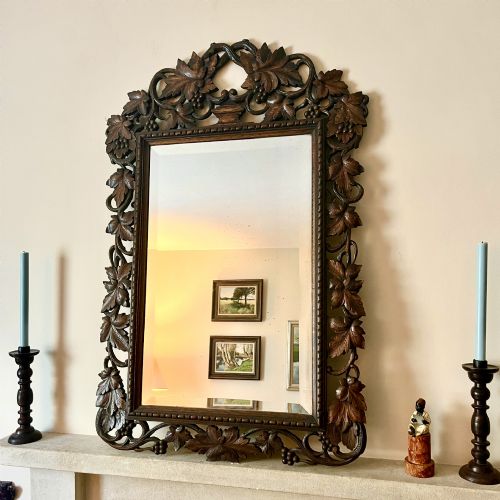


Gothic Overmantel Mirror
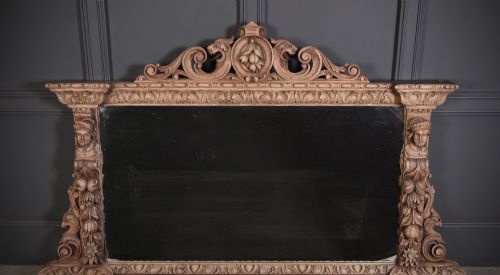
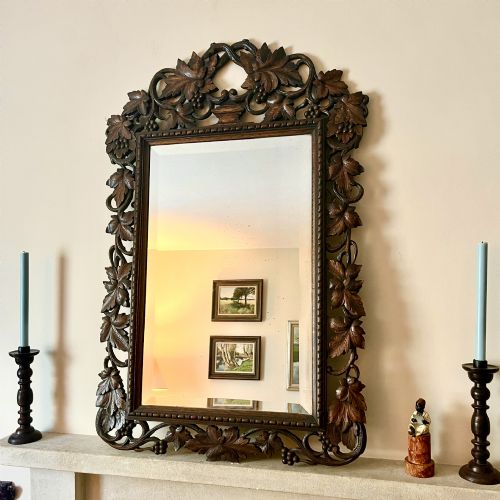
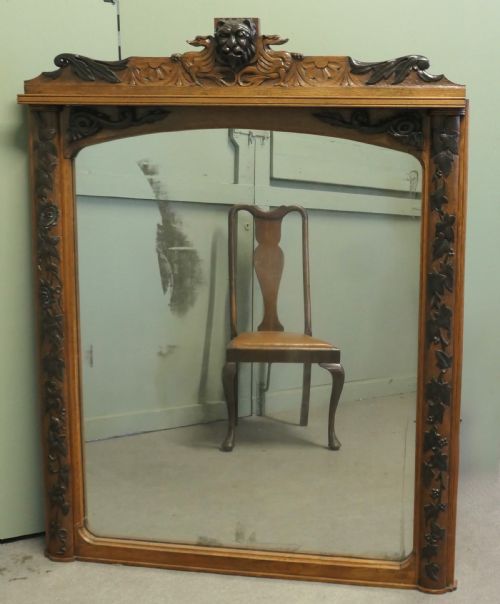
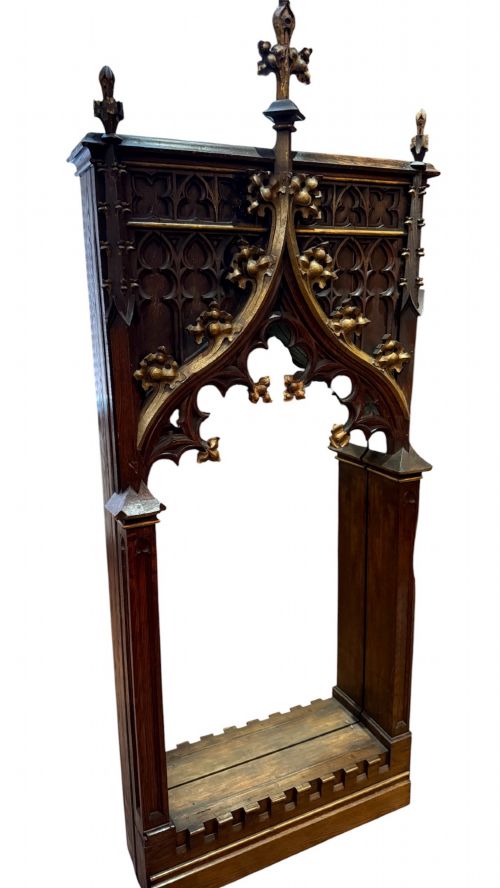
These gothic overmantel mirror examples bring striking architectural presence to a room, combining pointed arches and heavy timber frames for an imposing focal point.
Gothic Overmantel Mirror
A gothic overmantel mirror sits above a fireplace or serves as a substantial wall hanging, defined by architectural framing and vertical proportions. When searching for a gothic overmantel mirror, buyers encounter numerous pieces originating from the nineteenth century, including Victorian interpretations and specific iterations like French Gothic Revival or Arts and Crafts designs.
The dominant material format on this page is carved oak, frequently rendered in large scales suitable for nineteenth-century interiors and hunting lodges. Alongside oak, examples surface in walnut, mahogany, and gilded wood, often incorporating mirror glass and brass hardware.
Stylistic variations range from strict Victorian Gothic and German Historicism to French Gothic examples featuring twin sconces. Many of these pieces date from the 1880s, reflecting a period of intense revivalism in furniture design.
How they were made
Frames are constructed predominantly from solid oak, walnut, or mahogany, shaped through traditional joinery and deep relief carving. Artisans utilised gesso beneath gilded surfaces on giltwood and gilt pieces to create smooth bases for gold leaf application.
Glass plates are set within rebated frames, sometimes accompanied by ebonised details or brass components such as sconces. The construction prioritises heavy timber framing to support large mirror plates, occasionally enhanced by fretwork or architectural tracery.
Gothic Overmantel Mirror Retail Price Guide 2026
Typical asking prices for gothic overmantel mirror among the pieces listed under this phrase on Sellingantiques today, from the lower quarter to the upper quarter. They describe what is for sale here now, not the wider market.
Recorded materials span glass, oak, giltwood, gesso, brass, walnut, and mirror glass across various revival styles.
What varies in quality
The depth and crispness of the wood carving distinguish superior examples from plain framing, particularly in intricate foliage and architectural motifs. Exceptional pieces demonstrate meticulous joinery and well-preserved original gilding or polished timber patination.
The quality of the mirror glass itself and the integrity of the original backing boards influence desirability. Pieces associated with specific movements, such as the Oxford Movement or Gothic Reform, command attention through distinctive design fidelity and provenance.
J H G Elliott Newland Sherborne
The Gothic Overmantel Mirror Glossary
- Overmantel mirror
- A large mirror designed specifically to be hung on the wall directly above a fireplace mantelpiece. They often span the width of the fireplace below.
- Giltwood
- Timber, most commonly soft or hardwood, that has been coated with gold leaf or gold paint. This technique was popular for adding reflective brilliance to formal reception rooms.
- Gesso
- A plaster-like mixture applied to wood frames as a base for gilding or painting. It provides a smooth surface that can be moulded into relief decoration.
- Tryptic
- A mirror composed of three panels, typically with a larger central glass and two narrower flanking sections. This configuration widens the reflected field of view in a room.
Gothic Overmantel Mirror: Frequently Asked Questions
Where should a gothic overmantel mirror be hung?
These large mirrors traditionally anchor the space directly above a fireplace mantelpiece, reflecting light and surrounding architectural details. Their substantial weight requires secure anchoring into solid wall studs or masonry.
Alternatively, they function effectively as standalone wall mirrors in spacious hallways, dining rooms, or libraries. Their vertical orientation draws the eye upward, accentuating ceiling height.
How do I identify a Victorian gothic mirror?
Victorian gothic mirrors display characteristic medieval motifs such as pointed lancet arches, trefoils, chamfered edges, and heavy carved oak frames. They frequently date from the mid to late nineteenth century during the height of the Gothic Revival.
Construction methods, including hand-cut screws, early backing boards, and heavy timber framing, help confirm nineteenth-century origins. Makers sometimes incorporated ebonised details or brass sconces typical of the period.
What is a Gothic Reform mirror?
Gothic Reform mirrors emerge from a nineteenth-century movement advocating for a return to honest craftsmanship and medieval structural principles. These pieces often feature plainer oak surfaces with restrained, geometric carving and ebonised highlights.
Such designs reject excessive ornamentation in favour of robust construction and visible joinery. They align closely with the ideals of the Arts and Crafts movement.
Can these mirrors be cleaned safely?
Dust frames regularly with a soft, dry cloth to prevent dirt accumulation in deep wood carvings. Avoid harsh chemical polishes that can strip original timber patination or damage historic finishes.
Clean mirror glass sparingly using a mild glass cleaner applied to a cloth rather than directly onto the glass. This prevents moisture from seeping behind the silvering or into the wooden rabbet.