

Victorian Gold Pendant Necklace
When you search for a victorian gold pendant necklace, you explore nineteenth-century craftsmanship centred on romantic motifs, glowing gemstones and intricate metalwork.
Victorian Gold Pendant Necklace
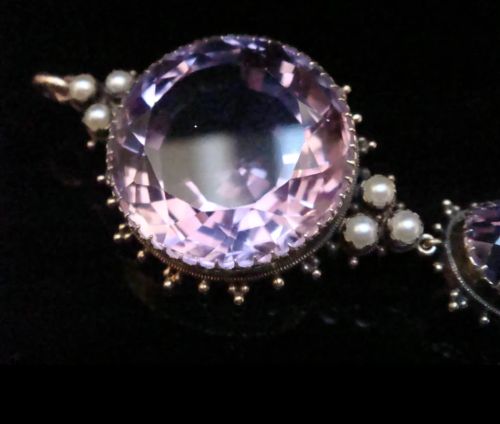
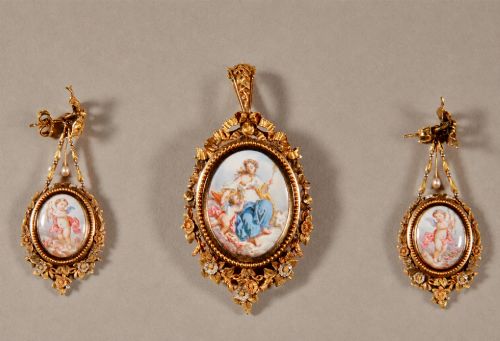
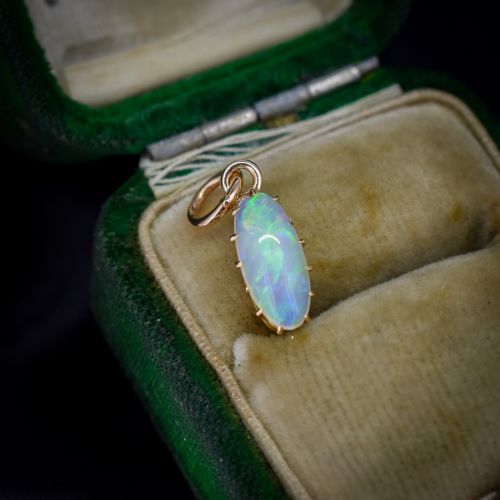
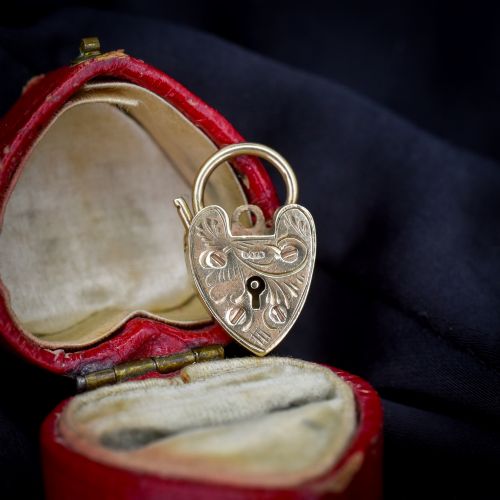
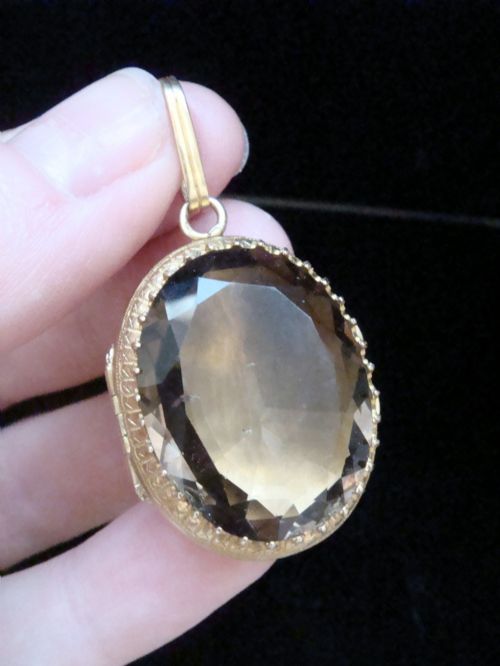
A victorian gold pendant necklace brings together suspended drop ornaments and fine chains created primarily during the nineteenth and early twentieth centuries. These objects range from delicate seed pearl stars and amethyst clusters to elaborate Etruscan Revival lockets and garnet fringes.
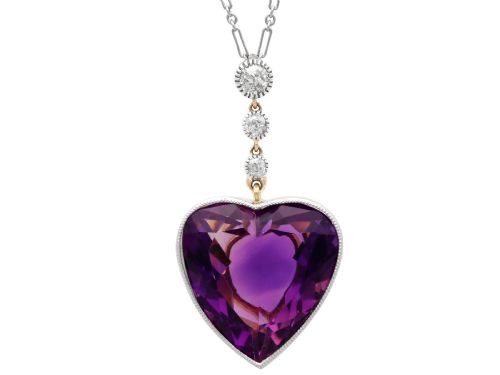
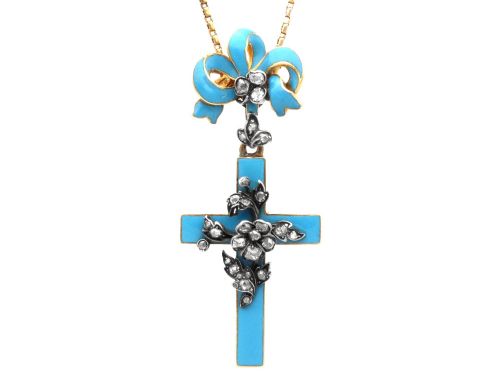
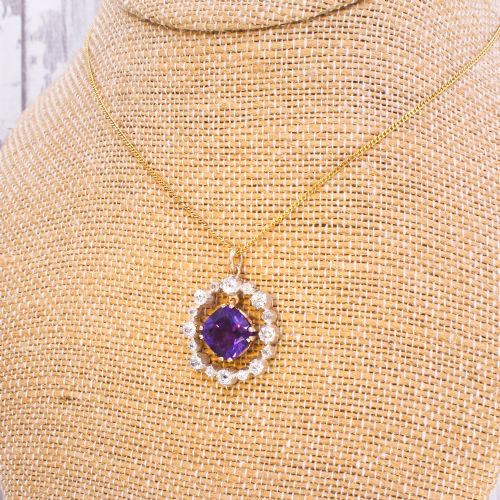
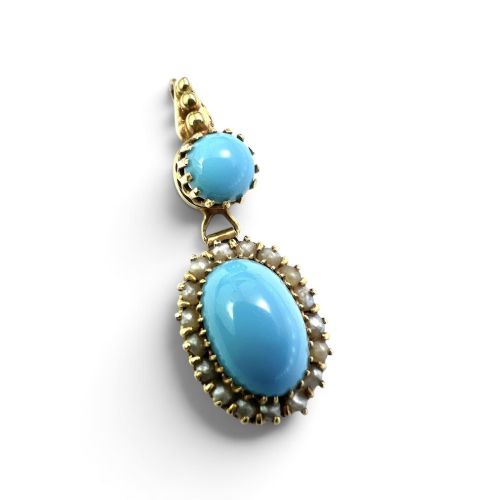
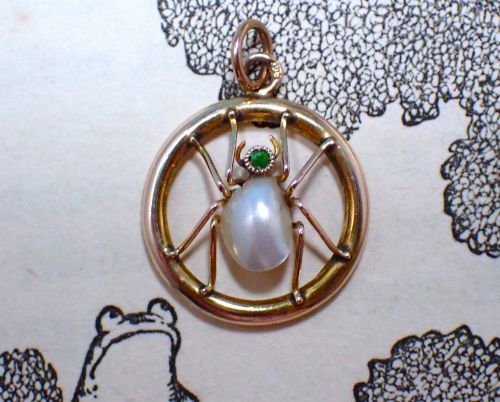
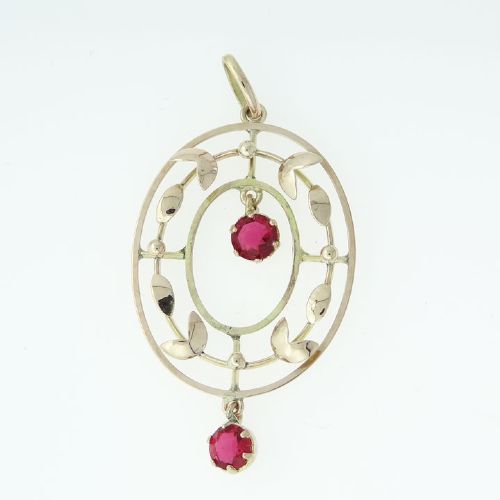
Makers utilised various carats of yellow and rose gold, often pairing them with natural pearls, diamonds, turquoise and coloured glass pastes. The forms span from sentimental hearts and floral halos to whimsical insect charms and classical crosses.
Most examples originate from British and European workshops, reflecting shifting aesthetic movements from high Victorian ornamentation through to Edwardian lightness and Art Nouveau fluidity.
How they were made
Goldsmiths worked primarily in nine-carat, fifteen-carat, and eighteen-carat yellow and rose gold, shaping metal through casting, chasing, and hollow stamping for puffy heart forms. Settings relied on collet work and claw mounts to secure gemstones safely.
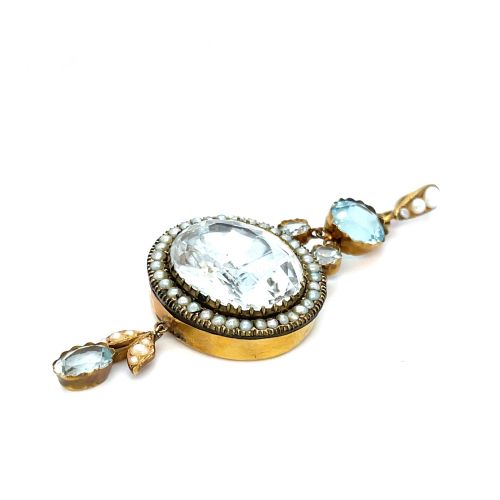
Lapidaries cut garnets, amethysts, aquamarines, and peridots into cabochons or faceted drops, occasionally employing foil backs to intensify colour. Seed pearls were meticulously drilled and threaded or secured onto wire frameworks to form floral sprays and starbursts.
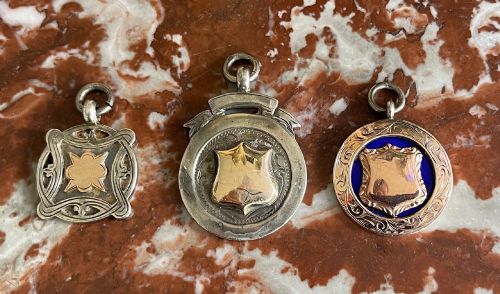
Enamelling techniques, including guilloché and polychrome work, added vibrant colour to lockets and religious medals, while granulation and wirework defined Etruscan Revival styles.
Victorian Gold Pendant Necklace Retail Price Guide 2026
Typical asking prices for victorian gold pendant necklace among the pieces listed under this phrase on Sellingantiques today, from the lower quarter to the upper quarter. They describe what is for sale here now, not the wider market.
Common motifs include celestial stars, coiled serpents, swallows, and enamelled hearts suspended from antique chains.
What varies in quality
The sophistication of the metalwork largely dictates the distinction between standard production and exceptional work. Hand-chased detailing, intricate wirework granulation, and substantial gold weight elevate certain pieces well above simpler stamped designs.
Gemstone selection plays an equally decisive role, where natural pearls, well-matched diamonds, and deeply saturated garnets or amethysts replace lesser paste substitutes and cultured alternatives. The survival of original boxes, matching chains, and undamaged enamel surfaces also enhances overall integrity.
The Victorian Gold Pendant Necklace Glossary
- Etruscan Revival
- A nineteenth-century design style inspired by ancient archaeological discoveries featuring applied wirework and granulation. This aesthetic celebrated classical antiquity through detailed gold manipulation.
- Guilloché
- A decorative technique where a mechanical pattern is engraved into metal beneath translucent enamel. It creates repetitive geometric waves that catch the light.
- Lavaliere
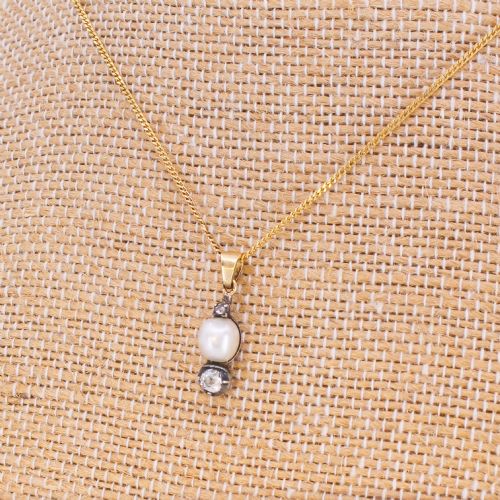
- A pendant necklace featuring a central dangling drop, often suspended below a secondary stone or decorative bail. Popularised during the late nineteenth and early twentieth centuries.
- Paste
- Hand-cut and polished lead glass used to imitate gemstones. High-quality historical paste displays sharp facets and deep refraction.
- Seed Pearl
- Very small natural pearls, often unperforated or half-drilled, clustered together to form floral or celestial motifs. They require delicate mounting techniques.
Victorian Gold Pendant Necklace: Frequently Asked Questions
How do I date a gold pendant necklace?
Dating relies on hallmarks, metal carats, and stylistic cues such as Etruscan Revival granulation or Edwardian lightness. Examining the construction of the clasp and the cut of any gemstones further clarifies the era.
Changes in gold standards, such as the common use of fifteen-carat gold in the nineteenth century versus later nine-carat standards, provide reliable chronological markers alongside surviving original presentation boxes.
Are these necklaces supplied with original chains?
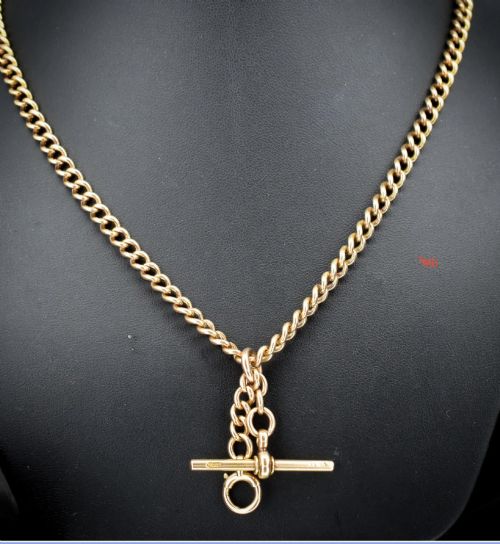
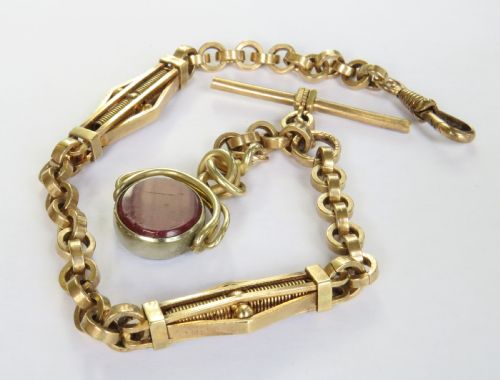
Many pieces retain their original matching chains, such as trombone links, albert chains, or fine cable links equipped with dog clips. Others have been paired with compatible period chains over time.
Examining the wear and gold colour between the pendant and chain helps determine if they have remained together since their initial creation.
Can I wear a victorian pendant every day?
These antique items require mindful wear due to delicate seed pearls, hollow gold stampings, and antique gemstone settings. Removing necklaces before sleeping, swimming, or exercising preserves their structural integrity.
Gentle cleaning with a soft cloth avoids damaging soft organic materials like pearls or fragile foil-backed stones.
What is a holbeinesque pendant?
Holbeinesque pieces draw inspiration from sixteenth-century court jewellery depicted in Hans Holbein portraits. They typically combine colourful enamels, suspended pearls, and rich gemstone clusters in symmetrical architectural designs.
Revived during the Victorian era, these ornate items showcase exceptional multi-material craftsmanship and dramatic drop silhouettes.