
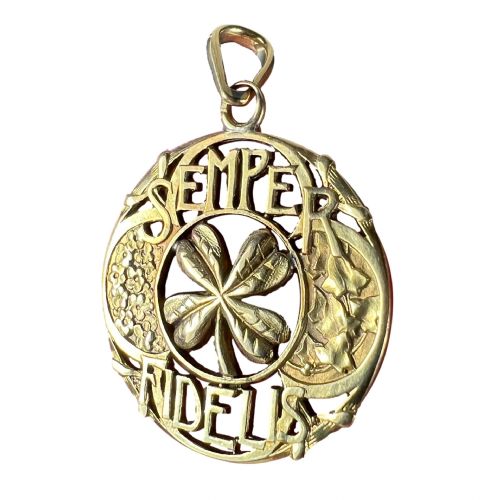


Victorian Gold Medallion
These Victorian gold medallion pieces are personal ornaments and pendants designed to hold portraits, hair, or tokens, offering a tangible connection to the nineteenth century.
Victorian Gold Medallion
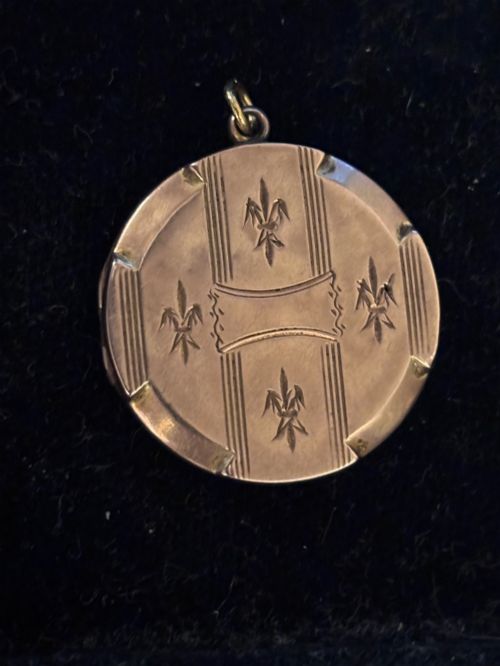
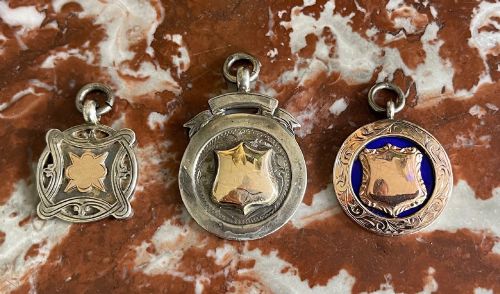
When you search for a victorian gold medallion, you encounter a selection of pendants, lockets, watch fobs, and religious medals predominantly originating from the nineteenth century alongside later periods. The forms include circular lockets, double-sided designs, and figural charms incorporating motifs from French Belle Epoque and Art Nouveau styles.
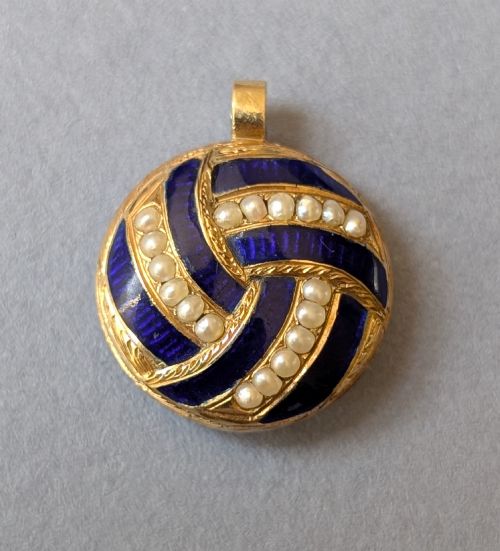
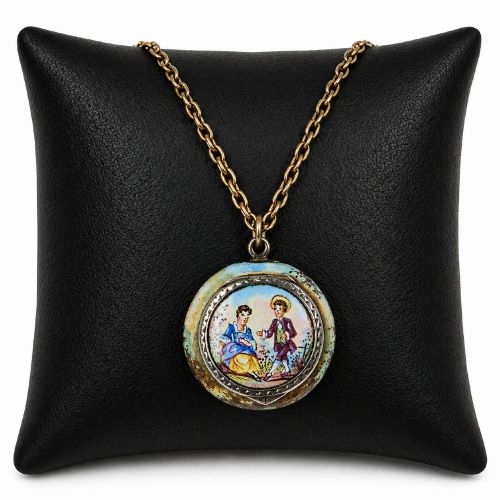
The most common examples on this page are gold pendants and lockets set with pearls or enamel, often featuring engine-turning, portraits, or devotional imagery. Pieces range from straightforward Victorian gold locket designs to French religious medals and Viennese enamel work.
How they were made
The construction relies heavily on high carat gold, such as 15ct and 18K yellow or rose gold, worked into intricate lockets, frames, and charms. Goldsmiths utilised techniques like engine-turning to pattern the metal surfaces.
Enamel and seed pearls frequently adorn the gold structure, alongside glass, diamonds, and porcelain plaques set into the metal mounts. Some items combine carved details with precious metals to create layered relief effects.
The listings span the Victorian era, the 19th century, and the early 20th century, utilising gold, enamel, pearls, and porcelain.
What varies in quality
The distinction between tiers rests upon the fineness of the gold, such as 15ct or 18K versus lower grades, and the complexity of the goldsmith's handwork. Engine-turned patterns that are crisp and deep show superior execution compared to worn or shallow markings.
Quality also depends on the preservation of delicate elements like seed pearls, hand-painted enamel portraits, and double-sided glass panels. Integrated artistic details, such as figurative motifs or micro-mosaics, elevate the standard of the piece.
The Victorian Gold Medallion Glossary
- Locket
- A small ornamental pendant designed to open and enclose a portrait, lock of hair, or miniature memento. These hinged containers were popular throughout the Victorian period.
- Watch fob
- A short strap, ribbon, or chain attached to a pocket watch, often adorned with a small medallion or seal at the end. They frequently feature hallmarks and civic insignia.
- Engine-turned
- A decorative technique involving a machine that cuts precise geometric patterns into metal surfaces. This method creates repeating textured designs across gold lockets and cases.
- Seed pearl
- A very small natural or cultured pearl, often drilled and sewn or set closely together in Victorian jewellery. They are characteristic of romantic and sentimental pendant designs.
- Enamel
- A glassy substance fused to metal through firing to produce coloured decorative surfaces. It appears in vibrant hues on portrait pendants and commemorative medals.
Victorian Gold Medallion: Frequently Asked Questions
What is inside a locket?
These hinged pendants typically contain empty spaces designed to hold small photographs, painted portraits, or locks of hair. Many retain their original glass covers and bezels for securing these personal tokens.
Over time, owners used them to keep family members close to their heart, making the interior contents as significant as the exterior gold work.
How do I date a gold pendant?
Dating relies on examining the gold purity marks, such as 15ct or 18K, stylistic cues like Art Nouveau curves, and construction methods. Hallmarks, when present, provide specific markers for the year and city of origin.
Comparing the decorative motifs, such as French Belle Epoque styling or Victorian neoclassical elements, helps narrow down the decade of production.
Were watch fobs worn daily?
Watch fobs were practical accessories attached to pocket watches carried by men and women in the nineteenth and early twentieth centuries. They hung from waistcoats or belts, serving both a functional and a decorative purpose.
Over years of daily wear, the gold links and attached medals developed patinas that reflect their active history of use.
What is Pietra Dura?
Pietra Dura is an artistic technique involving the inlay of cut and fitted polished coloured stones to form pictures. It appears on Victorian pendants as inlaid floral or scenic plaques set within gold frames.
This meticulous lapidary work required great skill to ensure the stone segments fit seamlessly together without visible gaps.