
Victorian Pearl Gold Pendant
A victorian pearl gold pendant combines soft organic lustre with rich yellow or rose gold, offering timeless charm for everyday wear.
Victorian Pearl Gold Pendant
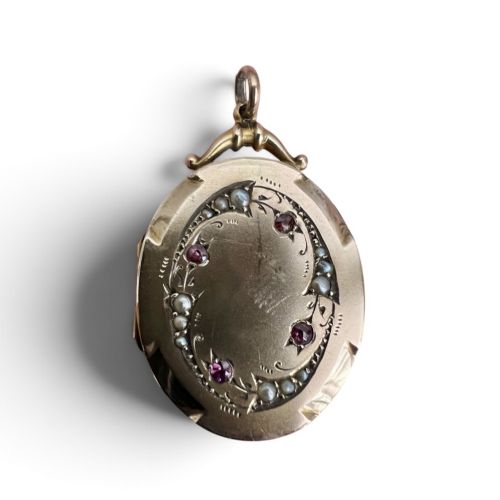
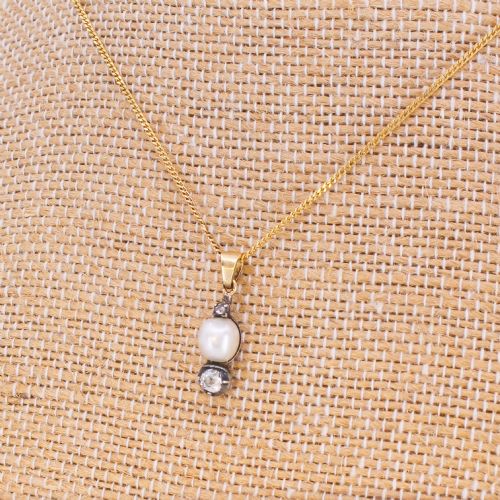
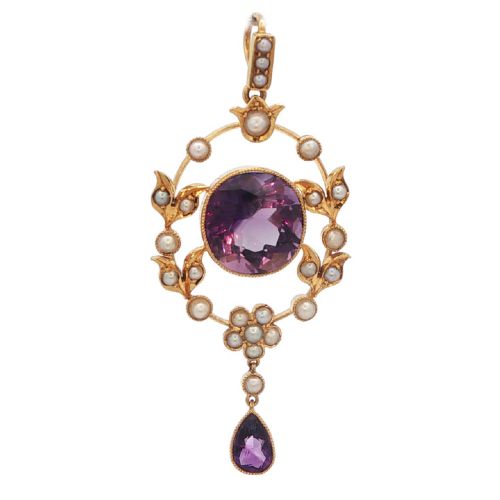
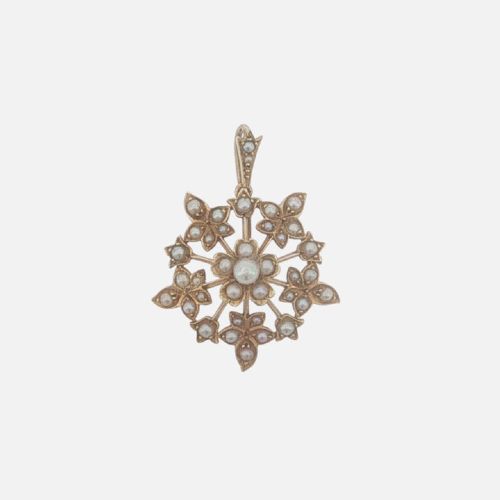
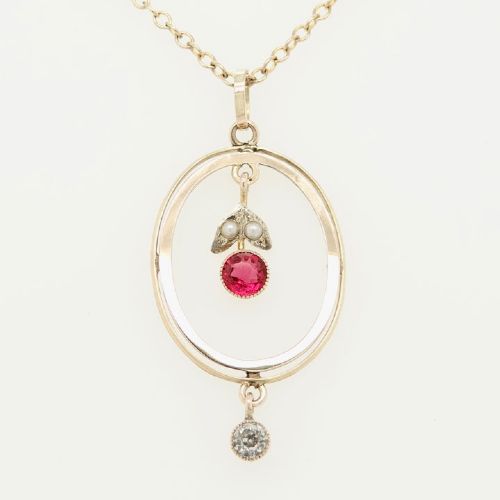
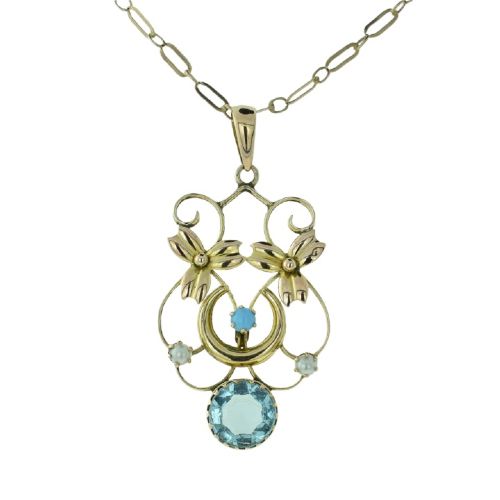
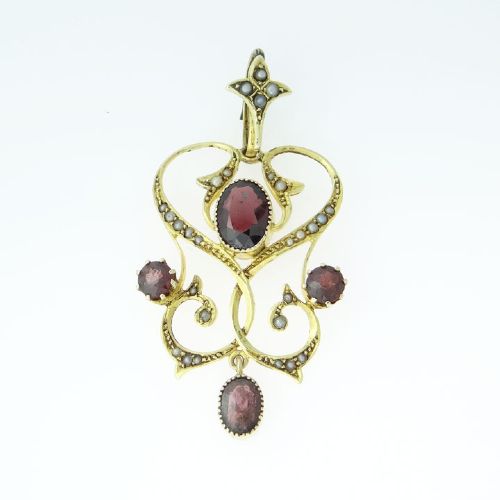
A victorian pearl gold pendant represents a piece of nineteenth-century jewellery where pearls form the central motif or delicate border. Buyers browsing this selection encounter celestial stars, floral clusters, and sentimental heart designs.
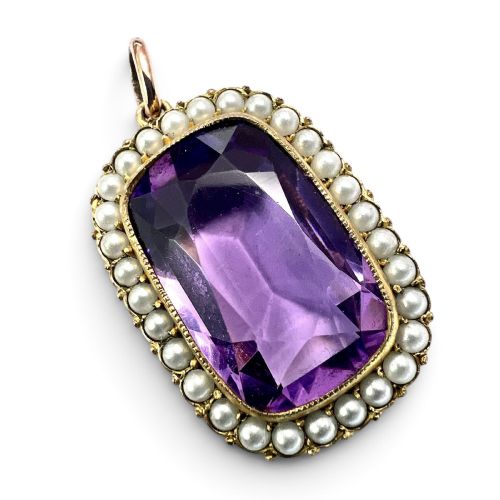
The most common examples on this page utilise nine carat or fifteen carat gold alongside tiny seed pearls. Many of these pieces function as dual-purpose items, equipped with pins to convert easily from necklaces to brooches.
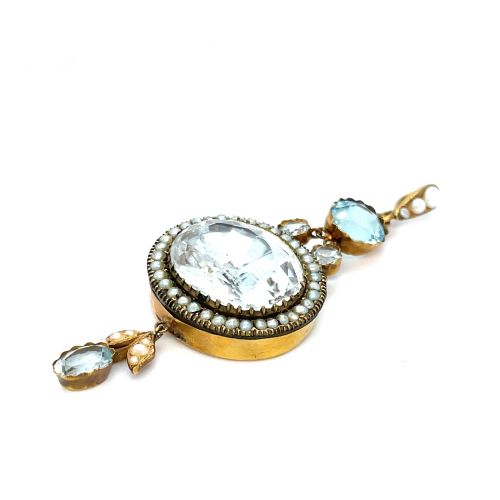
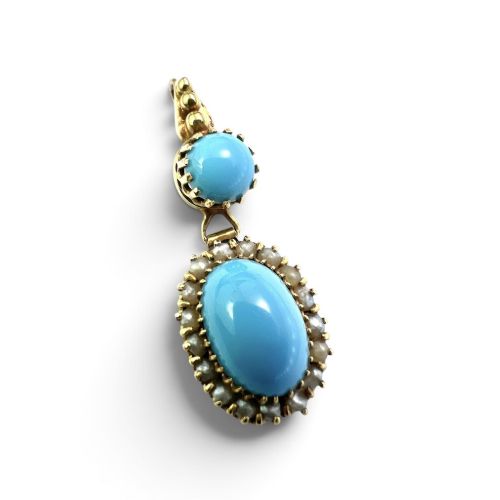
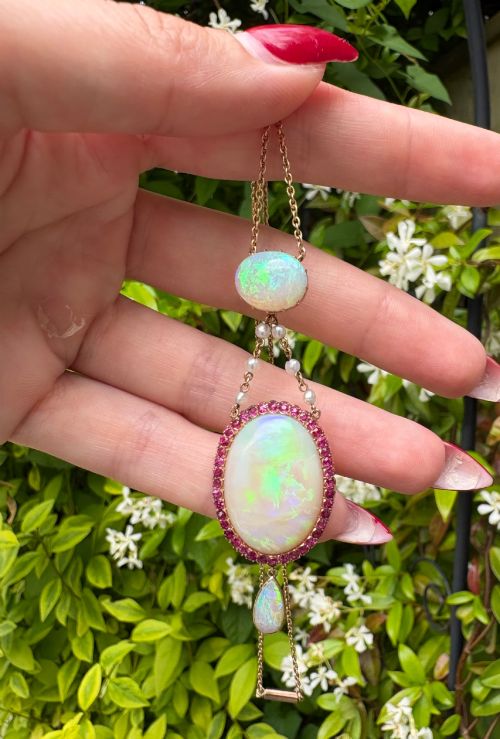
Originating predominantly from the Victorian and Edwardian periods, these pendants frequently incorporate additional gemstones like garnet, amethyst, turquoise, or diamond. Their survival in original condition offers a direct link to the decorative arts of the late nineteenth century.
How They Were Made
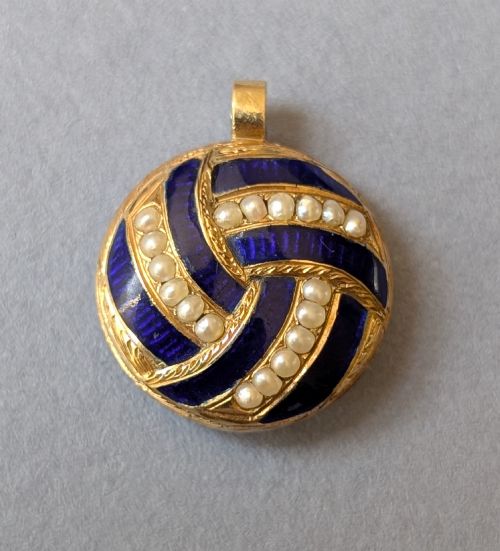
Goldsmiths of the period shaped nine, fifteen, or eighteen carat gold through casting, wirework, and repoussé techniques to form hollow or solid mounts. Seed pearls were meticulously half-drilled and secured onto tiny pegs or bonded with natural adhesives within floral or starburst arrangements.
Enamel work and foil-backed stones often augmented the golden settings, providing rich colour contrast to the white or cream lustre of natural and seed pearls. Master craftsmen integrated hinged locket compartments and delicate foliate mounts using soldering and hand-finishing methods standard to the era.
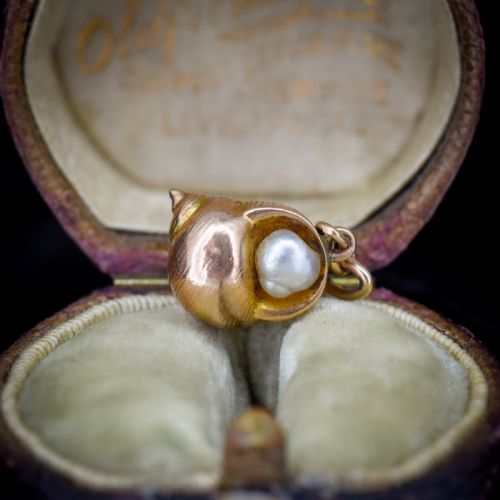
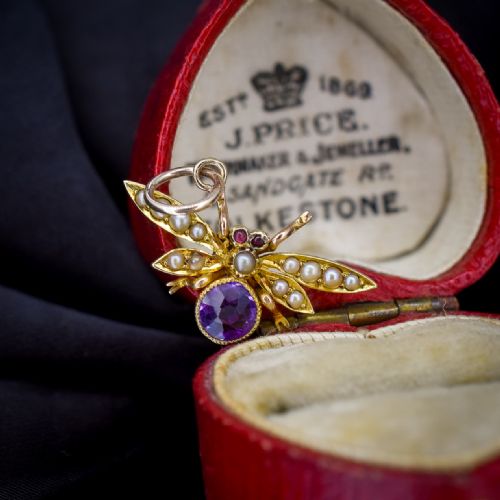
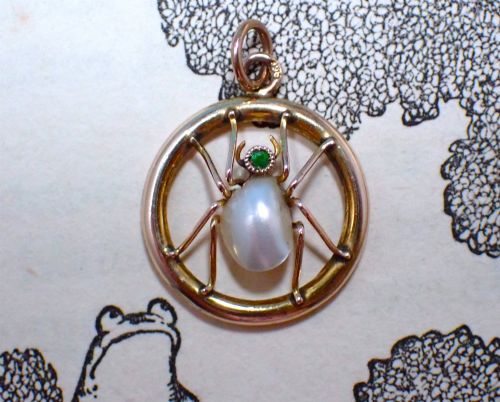
Victorian jewellers transformed humble sea shells and tiny flies into enduring golden treasures using seed pearls.
What Varies in Quality
The distinction between standard production and superior craftsmanship lies in the weight of the gold and the uniformity of the pearls. Higher-end items utilise higher carat gold standards, such as fifteen or eighteen carat, combined with natural pearls possessing strong orient and minimal surface blemishes.
Construction complexity also dictates worth, separating simple stamped components from articulated multi-part assemblies featuring intricate wirework, detailed enamel, and integrated gemstones. Original fitted boxes and intact hallmarks further elevate the standing of a survival from this period.
Murrle Bennett
The Victorian Pearl Gold Pendant Glossary
- Seed pearl
- A very small, naturally occurring pearl, typically under two grains, often used in clusters or floral motifs.
- Holbeinesque
- A Victorian revival style inspired by sixteenth-century German and English Renaissance designs, characterised by heavy geometric goldwork and dangling gemstone drops.
- Lavalier
- A pendant featuring a primary drop suspended from a smaller secondary element or chain, popularised during the late nineteenth and early twentieth centuries.
- Repoussé
- A metalworking technique where the artisan hammers the design from the reverse side to form a raised relief on the front.
Victorian Pearl Gold Pendant: Frequently Asked Questions
Can I wear these pendants daily?
While durable, Victorian gold and pearl items benefit from mindful wear. Removing them before swimming, sleeping, or exercising protects the delicate gold settings and strung elements.
Many period pieces feature hollow constructions or tiny seed pearls that require gentle handling to avoid crushing or displacement.
How do I date a gold pendant?
Dating relies on a combination of stylistic clues, metal purity marks, and construction techniques. The presence of fifteen carat gold typically points to British manufacture between eighteen fifty-four and nineteen thirty-one.
Motifs such as starbursts, crescent moons, and naturalistic insects also help narrow the creation window to specific decades within the Victorian and Edwardian eras.
Are these pearls natural or cultured?
The pearls found in these nineteenth-century pieces are natural saltwater or freshwater pearls, harvested long before commercial cultured pearl farming began in the twentieth century. Each possesses unique organic growth characteristics and varied lustre.
Microscopic examination often reveals the natural nacre layers and minute irregularities that distinguish these antique organic gems from modern cultured alternatives.