

Victorian Gold Fine Jewellery
Victorian gold fine jewellery brings together rich yellow and rose gold settings with diamonds, pearls, and vibrant gemstones for everyday wear.
Victorian Gold Fine Jewellery
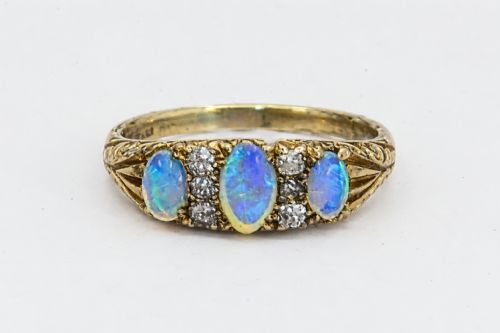
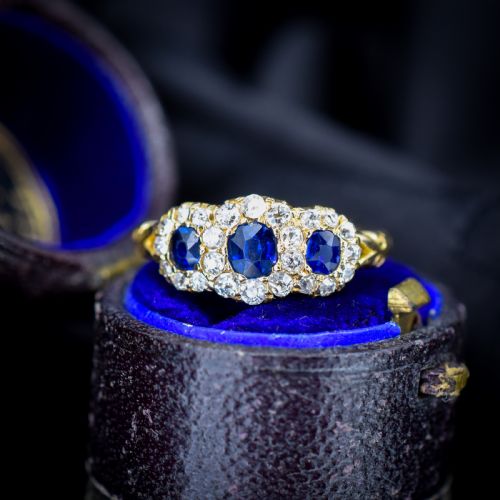
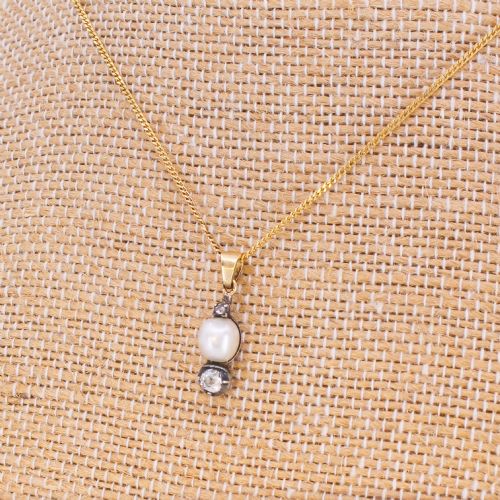
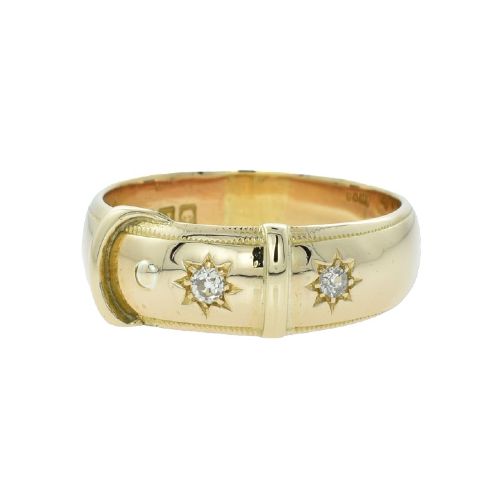
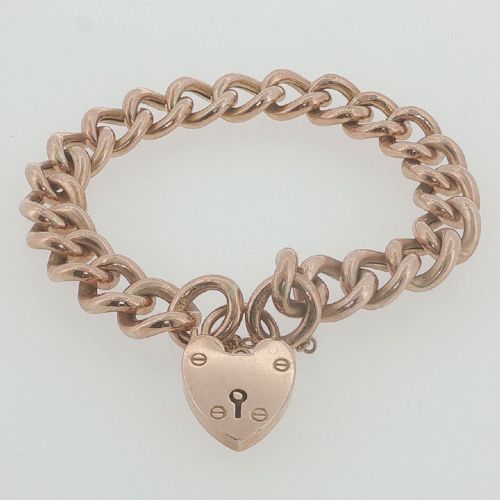
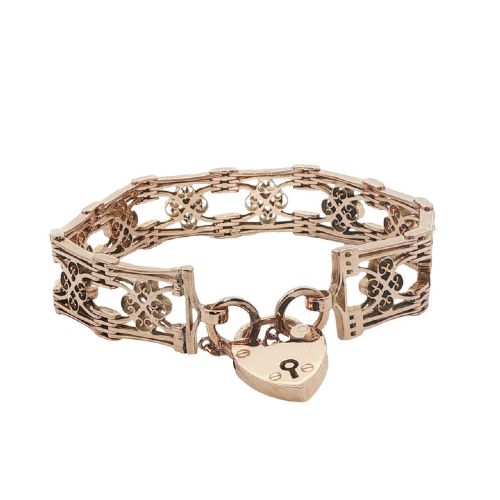
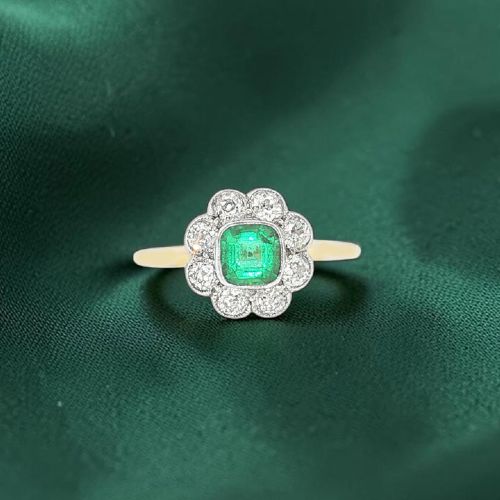
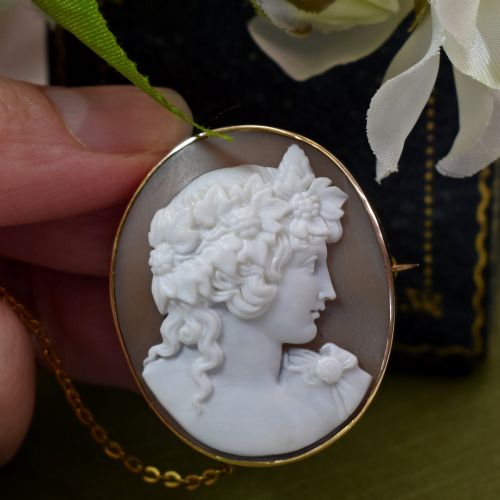
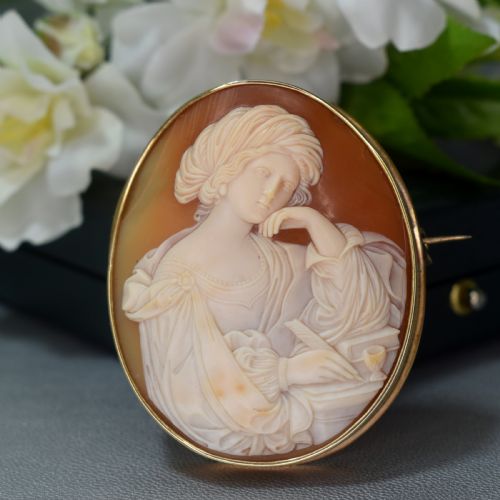
Victorian gold fine jewellery encompasses rings, brooches, earrings, necklaces, and bracelets created during the nineteenth and early twentieth centuries. Pieces range from diamond cluster rings and sapphire trefoils to intricate shell cameo brooches and gate bracelets with heart padlocks.
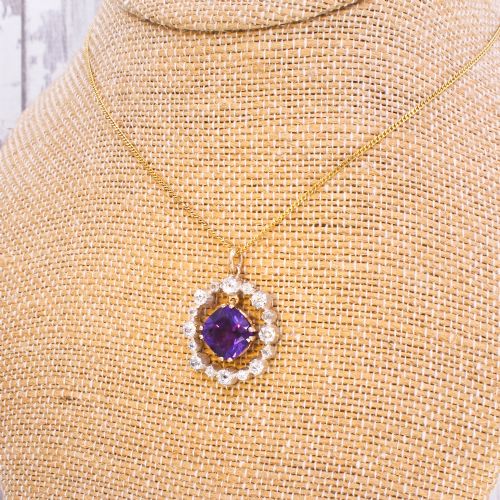
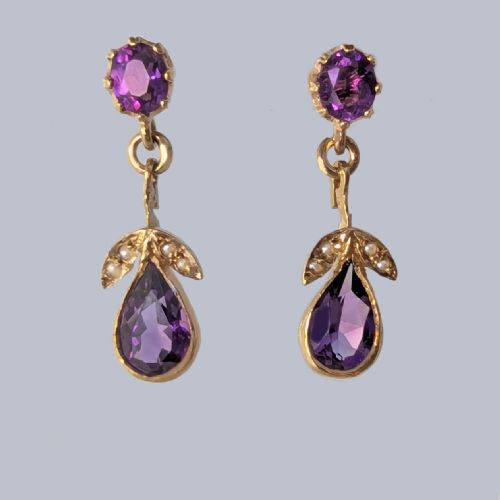
Buyers seeking this phrase encounter a mix of genuine Victorian examples alongside Edwardian and turn-of-the-century pieces sharing the same design language. The selection spans delicate drop earrings set in silver and gold, robust curb link bracelets, and statement pendants featuring natural pearls and amethysts.
Materials and Construction
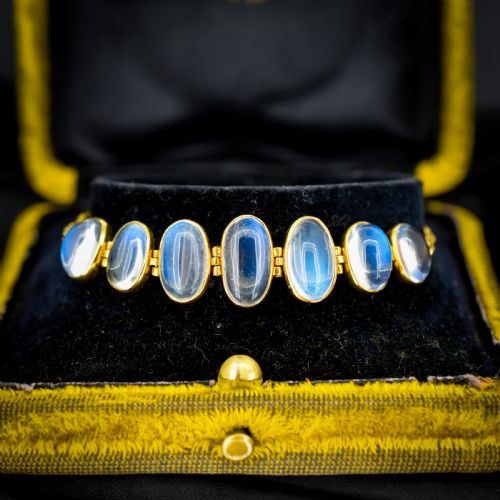
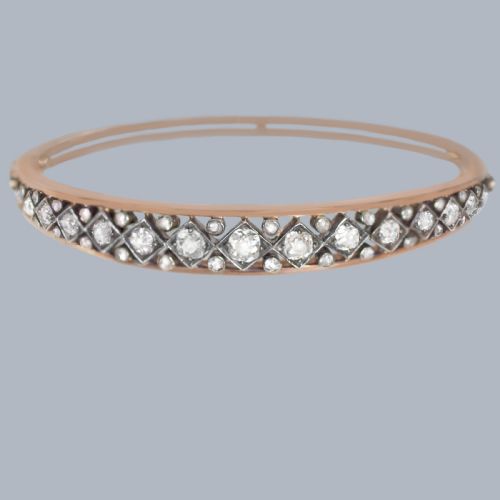
Goldsmiths utilised varying purities including 9ct, 15ct, and 18ct yellow and rose gold, frequently combining gold with silver settings on the face of diamond pieces to enhance the brilliance of old cut stones. Natural pearls, coral, moonstones, and carved shell cameos provide textural contrast against polished metal.
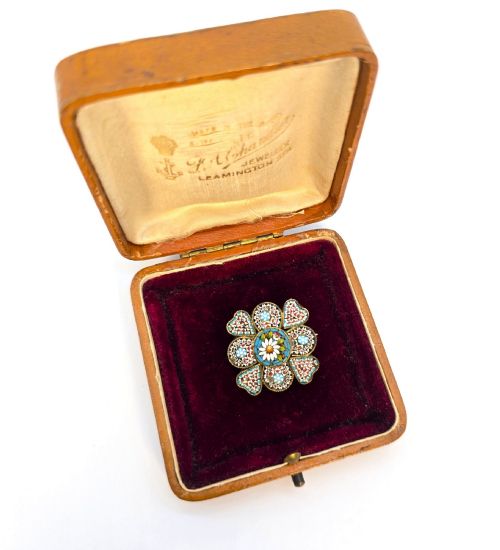
Techniques relied heavily on hand fabrication, incorporating claw settings, flat cut almandine garnets, micro mosaic work, and delicate pierced heart motifs. Components such as hollow hoops and gate links demonstrate period methods for achieving substantial visual weight while remaining comfortable to wear.
Several Victorian brooches double as pendants, offering past wearers a practical two-in-one accessory solution.
Distinctions in Quality
Quality separates pieces by the precision of stone setting and the depth of hand-carved detail in elements such as shell cameos and micro mosaics. Finer examples maintain crisp proportions in foliate mounts and secure original clasps, hinges, or padlocks without distortion from past repairs.
The selection of gemstones dictates the upper tier of the range, visible in unheated natural rubies, well-matched natural pearls, and clean old cut diamonds with correct proportions. Lower tiers often show simplified wirework or minor casting irregularities in mass-produced components.
The Victorian Gold Fine Jewellery Glossary
- Old cut diamond
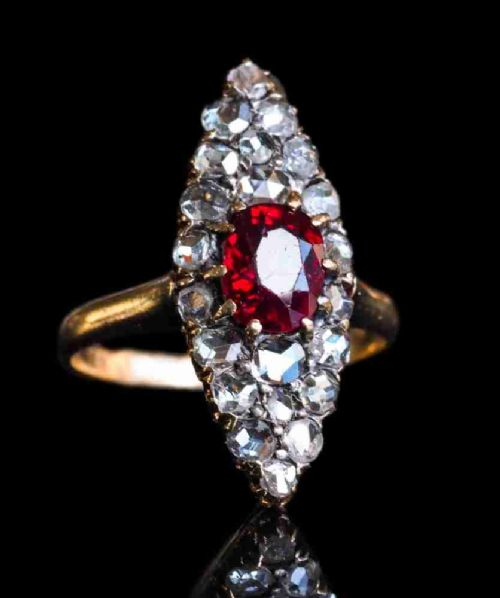
- A hand-faceted diamond shape from the nineteenth century featuring a smaller table, higher crown, and open culet. These stones catch candlelight differently than modern brilliant cuts.
- Navette
- A boat-shaped gemstone setting or ring face that tapers to sharp points at either end. This elongated silhouette sits flat across the finger.
- Giardinetti
- A period design translating to little garden, depicting flowers in a vase or basket using mixed gemstones. These colourful clusters combine rubies, diamonds, and pastes.
- Almandine garnet
- A deep red variety of garnet often cut flat in Victorian jewellery to sit flush within closed-back foil settings. The rich colour deepens under low light.
- Micro mosaic
- Tiny coloured glass tesserae assembled by hand to form pictorial scenes, frequently mounted in brooches and lockets. Each tile is fused together to create detailed imagery.
Victorian Gold Fine Jewellery: Frequently Asked Questions
How do I care for antique gold jewellery?
Clean these pieces gently with a soft brush and warm soapy water, avoiding harsh chemical dips that damage pearls, opals, and foil-backed stones.
Store items individually in soft pouches to prevent softer gold alloys and gemstones from scratching against each other.
Can I wear Victorian rings every day?
Many sturdy 18ct gold rings withstand daily wear, but antique settings with delicate claws or softer gems like opals and pearls require extra care. Remove rings before heavy lifting, gardening, or swimming to protect the structure.
Have a professional jeweller inspect the prongs and band annually to ensure the stones remain secure.
What does gold purity tell me about an item?
British pieces from the nineteenth century frequently utilise 9ct, 15ct, and 18ct gold, reflecting the specific legal standards of the period before 15ct was replaced by 9ct and 14ct in later decades. Higher karat values offer a richer yellow tone and greater resistance to tarnishing.
Maker marks and hallmarks help confirm the exact metal purity and assay office origin.