







Victorian Glass Stems
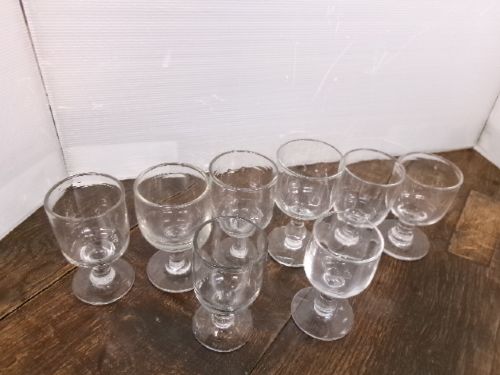
These Victorian glass stems bring together colourful wine glasses, rummers and footed bowls crafted across the nineteenth century.
Victorian Glass Stems
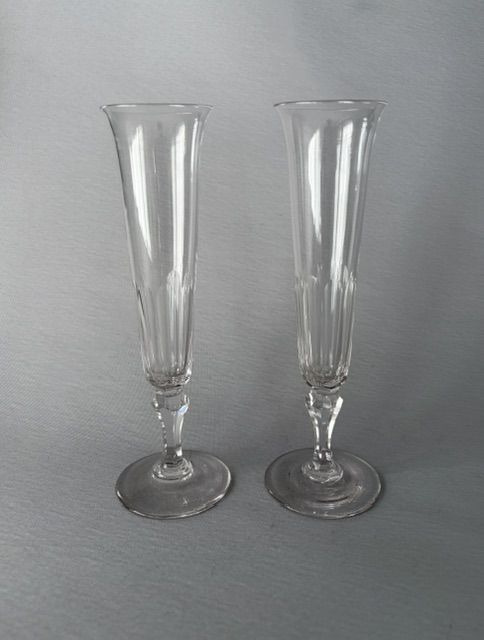
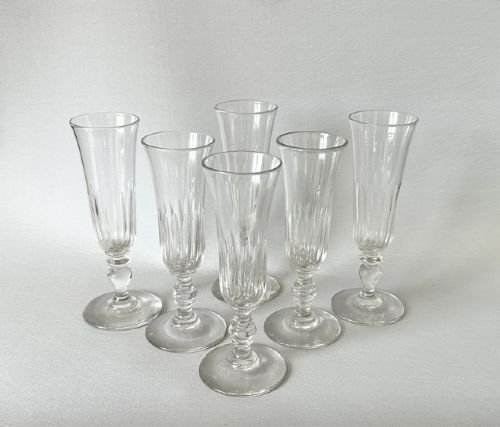
Victorian glass stems encompass a diverse selection of drinking vessels and decorative table pieces, ranging from heavy rummers and wine glasses to tall champagne flutes and pedestal bowls. The pieces date predominantly from the nineteenth century, including specific decades such as the eighteen-fifties, eighties and nineties alongside Georgian survivals.
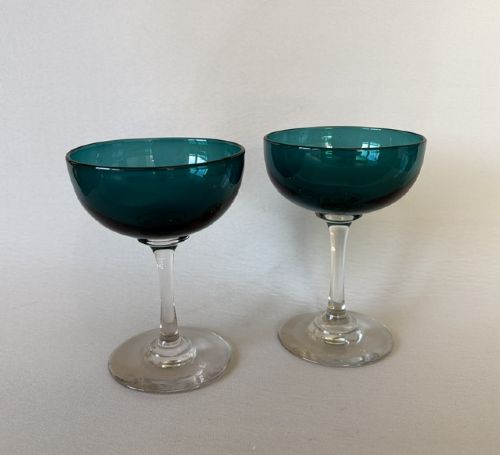
Buyers frequently encounter matched sets of wine glasses and individual rummers, often formed in distinctive hues like cranberry, emerald green, aqua and amber. Many examples incorporate specialised stem forms, including baluster, bobbin, hollow and facet-cut profiles that elevate the bowl above the foot.
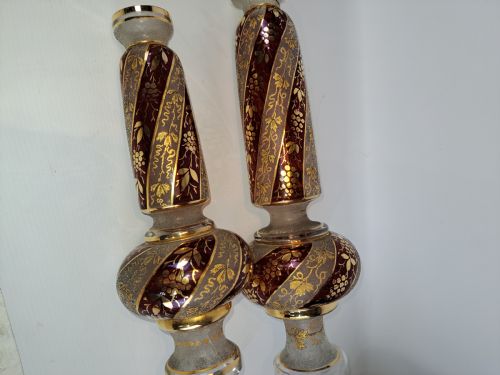
Originating from English, Bohemian, Italian and Biedermeier workshops, these items reflect the shifting design influences of the era, from early ribbed utility pieces to elaborately engraved and gilded crystal.
Materials and technique
Makers utilised clear lead crystal and coloured glass, shaping molten metal through hand-blowing techniques into moulds or onto pontil irons. The addition of metallic oxides produced rich tones of ruby cranberry, deep green and amber.
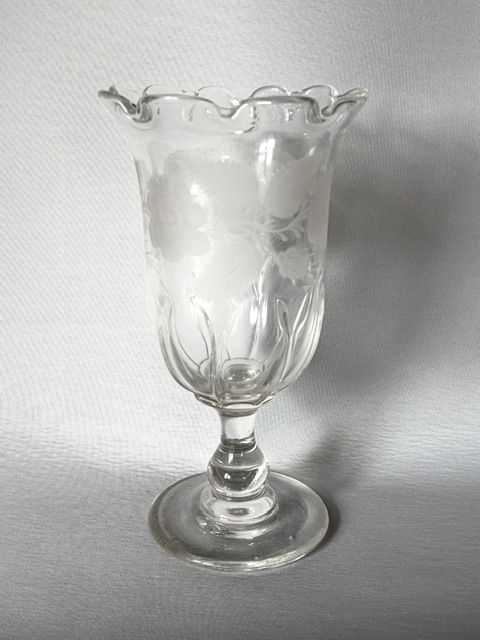
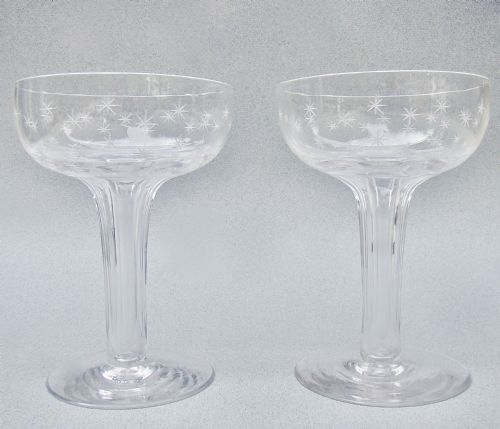
Artisans decorated the cooled surfaces utilising wheels for intaglio engraving, star-etching, facet cutting and frosted finishes. Gilding was occasionally applied to highlight rims and bowls, while applied brass elements appear on specific lighting fixtures.
Victorian Glass Stems Retail Price Guide 2026
Typical asking prices for victorian glass stems among the pieces listed under this phrase on Sellingantiques today, from the lower quarter to the upper quarter. They describe what is for sale here now, not the wider market.
Object forms span wine glasses, rummers, champagne flutes, ewers, custard cups and centrepiece bowls created across English, Italian and Bohemian origins.
Gradations of quality
The standard of production relies heavily on the crispness of the cutting and the depth of the wheel engraving across the bowl and stem. Superior examples display precise geometric facets and finely detailed intaglio motifs rather than soft, shallow impressions.
Weight and balance dictate the distinction between everyday utility vessels and fine display tablewares. Heavier lead crystal sets and masterfully proportioned hollow or baluster stems demonstrate superior material density and artisanal control.
Moser Bohemian
The Victorian Glass Stems Glossary
- Rummer
- A large, wide-bowled drinking glass designed for ale, wine or punch during the eighteenth and nineteenth centuries. These sturdy vessels typically sit on a short, thick stem and a broad foot.
- Intaglio
- A technique where designs are carved into the surface of the glass rather than raised above it. This method produces crisp, sunken linear patterns when viewed under light.
- Pontil mark
- The rough scar left on the base of a hand-blown glass object where the pontil rod was snapped off after shaping. Its presence confirms traditional manufacture before modern grinding became standard.
- Baluster stem
- A central support column shaped like an architectural baluster, featuring swelling curves and knops. This traditional form adds visual weight and stability to tall drinking vessels.
Victorian Glass Stems: Frequently Asked Questions
How were these glasses used?
Victorian households utilised these stemmed glasses for serving wine, champagne, cordials and ale during formal dining and social gatherings.
Larger rummers and pedestal bowls functioned as central table elements for dining or dessert courses, while smaller cups held custards or liqueurs.
How do I live with antique glassware?
Displaying these coloured glass pieces on open shelving or within cabinets allows natural light to accentuate the rich cranberry and green tones.
Hand washing in tepid water with mild soap ensures the preservation of delicate hand-blown stems and engraved surfaces over time.
How do I tell periods apart?
Early nineteenth-century examples often feature heavier lead crystal with simple ribbed or thick baluster stems and plain round feet.
Later Victorian pieces from the eighteen-eighties and nineties frequently incorporate vibrant coloured glass, intricate star-etching, facet cutting and slender hollow stems.