





Antique Ruby Glass Lighting
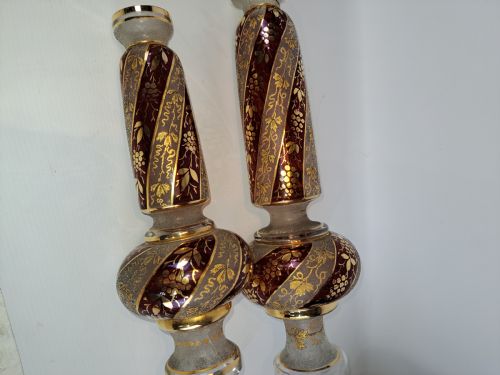
Antique ruby glass lighting brings rich crimson colour and warm illumination to a room, spanning Mantel Lustres, oil lamps and chandeliers.
Antique Ruby Glass Lighting
When buyers search for antique ruby glass lighting, they seek functional and decorative pieces fashioned from deep red glass, often combined with brass or crystal. The selection encountered on this page includes Victorian mantel lustres, oil lamps, ceiling pendants and chandeliers dating from the eighteenth to the early twentieth century.
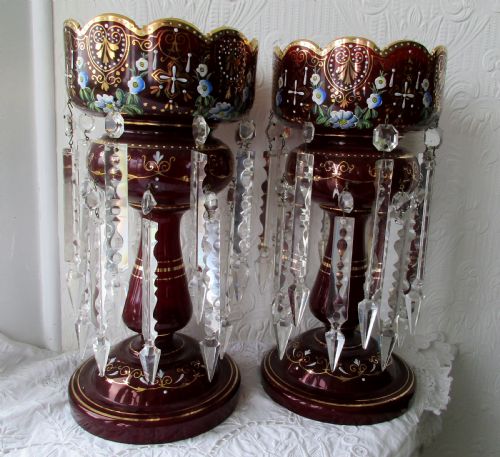
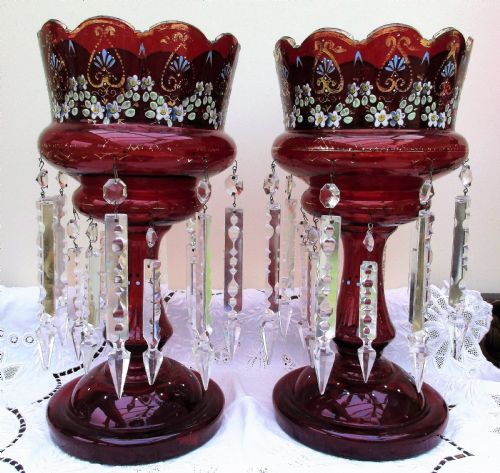
Mantel lustres and oil lamps dominate the offerings, originating predominantly from English, French and Bohemian workshops. These items combine the saturated tone of ruby glass with cut crystal drops, enamel decoration or gilt accents suited to period interiors.
How They Were Made
Glassmakers created ruby glass by adding gold chloride or copper to the molten batch, producing rich red hues that were frequently cased or flashed over clear glass. Artisans then shaped these vessels by hand before employing wheel-cutting, acid-etching or hand-gilding to articulate surface patterns.
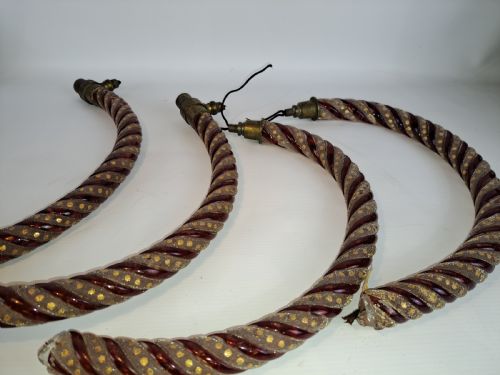
Mountings and structural components rely heavily on cast brass, silver plating and gilt metal work to secure the glass bodies. Chandeliers and pendant lamps integrate cut crystal drops and components fixed securely to metal frames.
Antique Ruby Glass Lighting Retail Price Guide 2026
Typical asking prices for ruby glass lighting among the pieces listed under this phrase on Sellingantiques today, from the lower quarter to the upper quarter. They describe what is for sale here now, not the wider market.
Some oil peg lamps feature hunting themes, bringing woodland scenes right onto the mantelpiece.
What Varies in Quality
Depth and saturation of the red glass set the baseline for visual impact, alongside the precision of hand-cut facets and gilding. Pieces featuring intricate etchings or original crystal prisms demonstrate superior craftsmanship compared to plain or heavily worn examples.
The integrity of the metal mounts, whether brass, silver-plated or gilt, dictates the overall refinement of a piece. Original matching components across pairs of lustres or chandeliers elevate the standard significantly.
The Antique Ruby Glass Lighting Glossary
- Ruby Glass
- A deep red decorative glass produced by introducing gold or copper compounds into the melt. It appears widely in Victorian and Bohemian lighting.
- Mantel Lustre
- A decorative ornamental vase hung with cut crystal prisms designed to catch the light. They sit on fireplace mantels alongside matching pairs.
- Cranberry Glass
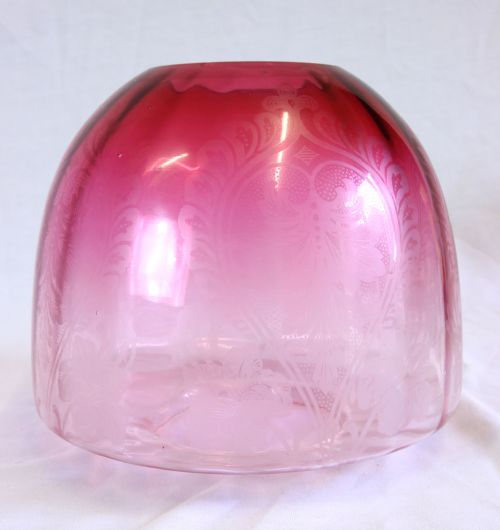
- A lighter pinkish-red glass variant often utilised for smaller lamp shades and lustres. The colour tone tends towards a translucent pink-red.
- Flash Glass
- A technique where a thin layer of ruby glass is fused over a clear glass body. Artisans cut through the top layer to reveal clear glass underneath.
- Oil Peg Lamp
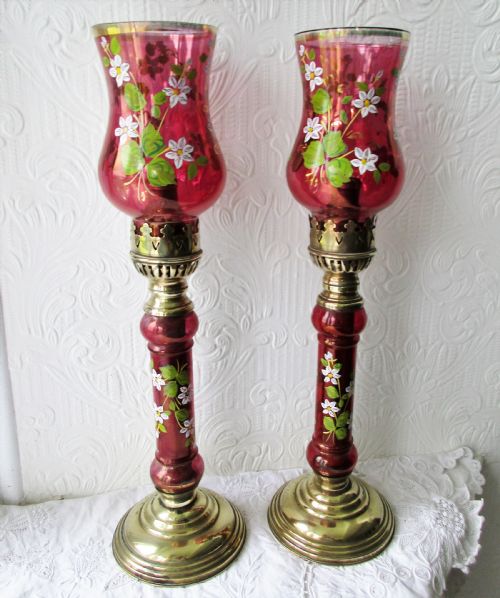
- A removable font of ruby glass designed to drop into a separate candlestick or holder. These units frequently feature hand-painted or etched motifs.
Antique Ruby Glass Lighting: Frequently Asked Questions
How do I clean antique ruby glass?
Wash the glass gently in lukewarm water using mild soap, avoiding harsh abrasives that might damage surface gilding or enamel decoration.
Dry each piece thoroughly with a soft lint-free cloth to maintain the polished finish on both the glass and any attached brass components.
Can these oil lamps be electrified?
Many period oil lamps and wall-mounted fixtures have already been converted to electricity for modern domestic use.
When converting a lamp, ensure the wiring passes through the existing channels without altering the structural integrity of the antique glass.
What is the difference between ruby and cranberry glass?
Ruby glass exhibits a deep, saturated crimson tone achieved through specific metallic oxide recipes in the glass furnace.
Cranberry glass displays a softer, pinker hue that tends to be lighter in body and translucent across smaller decorative lamp shades.