




Victorian Glass Sign
A victorian glass sign brings authentic commercial character into a room, offering striking trade graphics and rich period craftsmanship.
Victorian Glass Sign
A victorian glass sign is a piece of commercial or architectural history, originally made to advertise shops, public houses, and dispensaries. Buyers seeking one are typically drawn to the bold lettering and authentic period patination that elevates contemporary interiors.
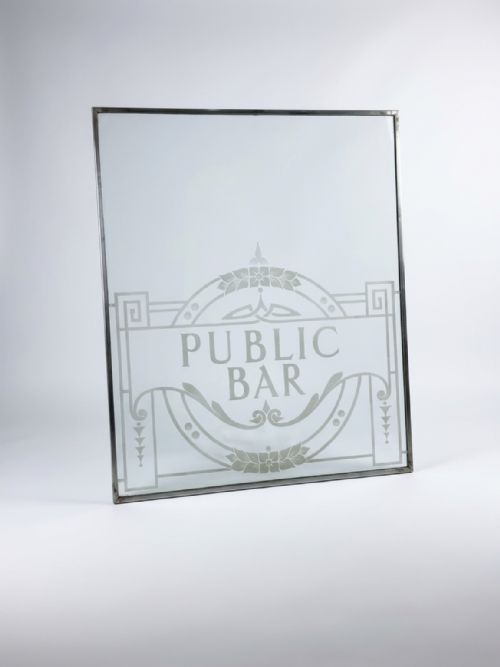
The pieces appearing on this page span from the mid nineteenth century through to the edwardian era and beyond. They include etched pub windows, reverse glass painted panels, and advertising mirrors designed for trade premises.
Trade signs and shop windows form the most prominent grouping among these selections. Many incorporate glass panels mounted within original wooden frames, oak surrounds, or brass fittings.
Materials and construction methods
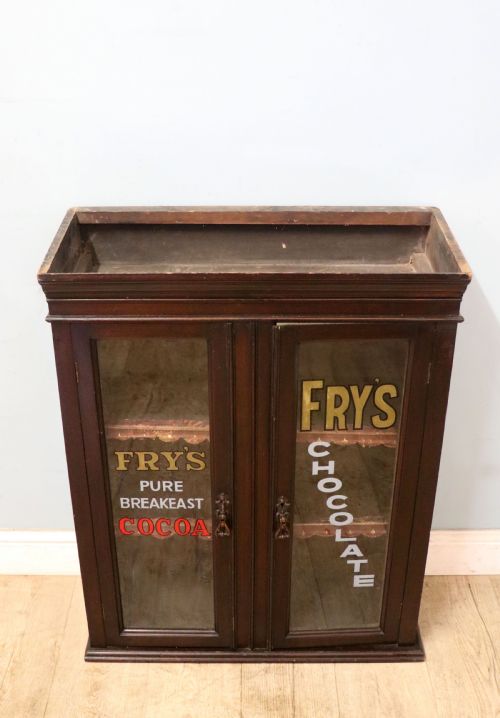
These items rely on glass combined with paint, enamel, and brass framing. Makers utilised reverse painting techniques to protect the pigment behind the glass face, ensuring durability in busy commercial environments.
Etched glass panels achieve their distinctive opaque designs through acid treatment or sandblasting. Timber surrounds in oak, mahogany, and walnut frequently house these panels, providing sturdy structural support for wall mounting.
Some signs display wonderfully blunt historical trades like snob and optometry alongside cheerful cocoa advertisements.
Factors of quality and execution
The superiority of a piece rests upon the crispness of the sign writing and the complexity of the glass work. Master signwriters achieved exceptional precision in lettering and pictorial detail, distinguishing fine commercial art from standard production.
Preservation of the original surface plays a major role in the overall standard. Examples retaining their untouched painted finish and early frames command greater appreciation than those with extensive later overpainting.
The Victorian Glass Sign Glossary
- Reverse glass painting
- A technique where the artist paints the image on the back of the glass panel so that it is viewed correctly from the front. This method protects the pigments from damage and gives a glossy finish.
- Etched glass
- Glass treated with acid or abrasives to eat away the surface and create opaque designs. This process was widely used for pub windows and privacy screens.
- Trade sign
- A board or panel displayed outside or inside a shop to advertise goods and services. These items served a purely commercial function before becoming decorative objects.
- Advertisement mirror
- A looking glass incorporating commercial lettering or brand imagery for businesses. They combined utility with promotional display in nineteenth century premises.
Victorian Glass Sign: Frequently Asked Questions
Where were these signs displayed originally?
Commercial premises such as public houses, pharmacies, and tobacconists mounted these panels in windows or above doorways to attract passing trade. They formed an essential part of nineteenth century streetscapes.
Interior spaces also accommodated smaller mirrors and plaques behind counters or in private members rooms. Their durable construction suited the bustling atmosphere of Victorian retail environments.
How do I hang a heavy glass sign?
Secure wall mounting requires fixing directly into structural studs or masonry using appropriate brackets that support the combined weight of the glass and wooden frame. Professional framing assessment ensures the internal panel remains stable.
Distributing the load evenly prevents stress fractures across the glass surface. Heavy pieces benefit from professional installation to guarantee security.
How should I clean antique glass?
Gentle dusting with a dry microfiber cloth removes surface particles safely without disturbing fragile painted or gilded surfaces. Moisture should be kept away from unsealed wooden edges and the reverse of painted panels.
Harsh chemical cleaners must be avoided entirely because they dissolve historical pigments and varnishes. Professional conservation cleaning is recommended for delicate reverse painted items.
Are these signs waterproof?
Original pieces were designed for indoor commercial use or protected window placement rather than exposure to harsh outdoor weather. Moisture can seep behind reverse painted glass and cause the pigments to flake.
Exhibiting them inside dry living spaces protects the fragile materials from deterioration. Weathered architectural salvage pieces tolerate sheltered outdoor display better than delicate interior mirrors.