

Victorian Glass Shade
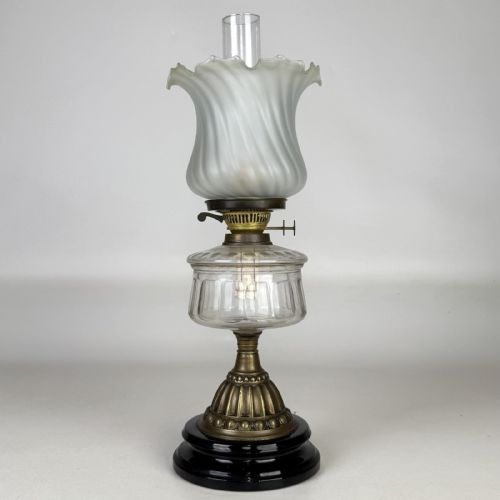
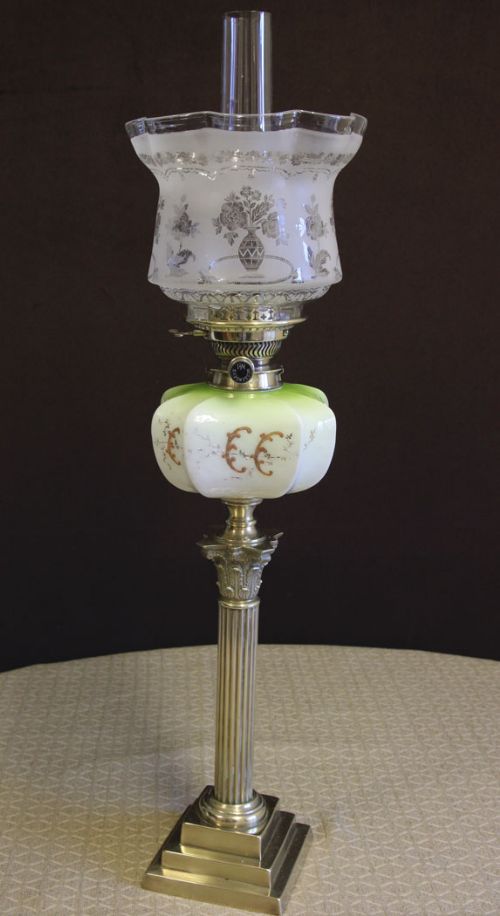
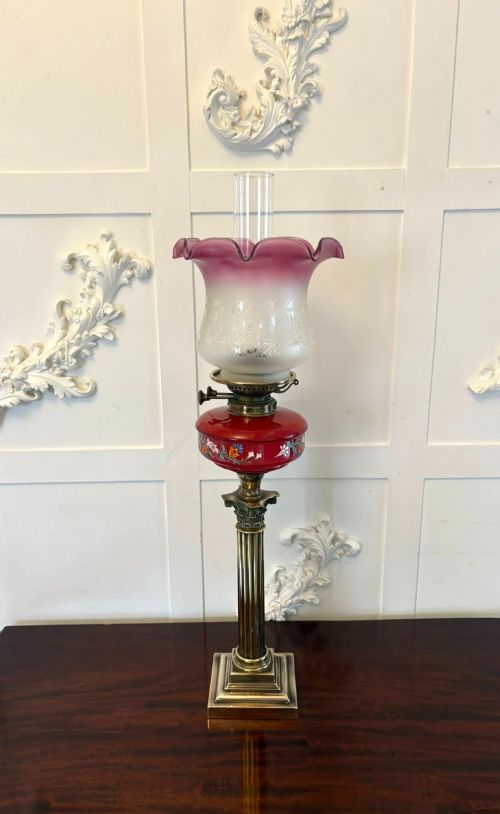
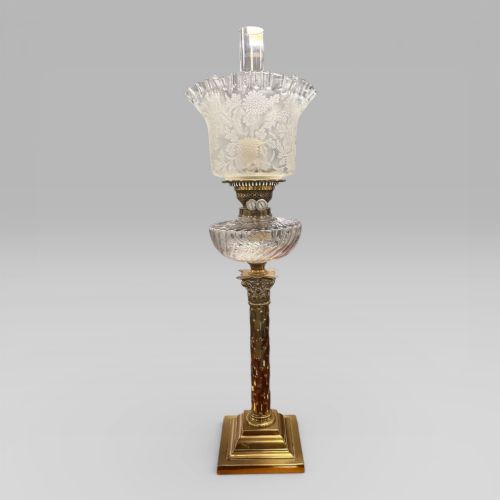
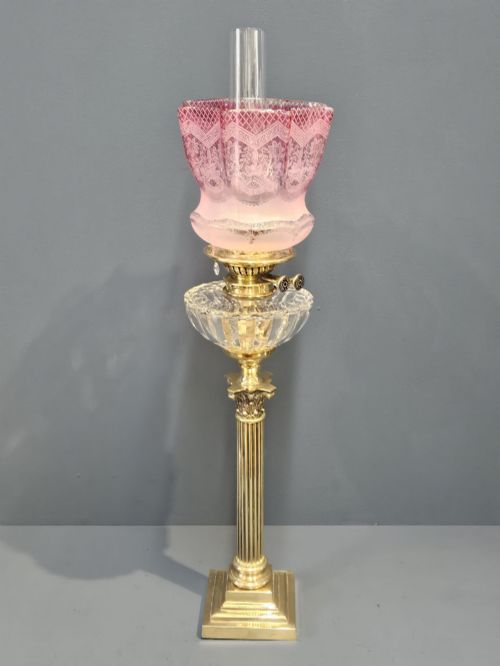
These Victorian glass shade examples bring distinct colour and diffusing form to period lighting, pairing blown and pressed glass with heavy brass mounts.
Victorian Glass Shade
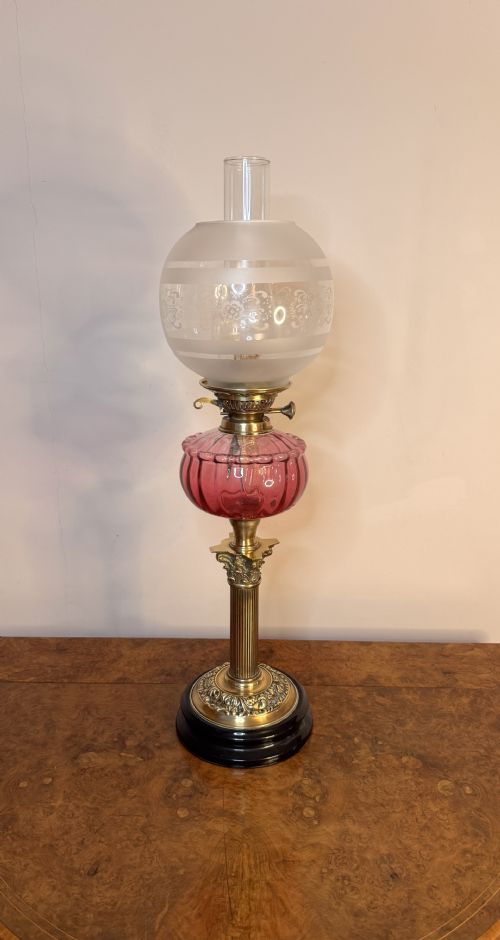
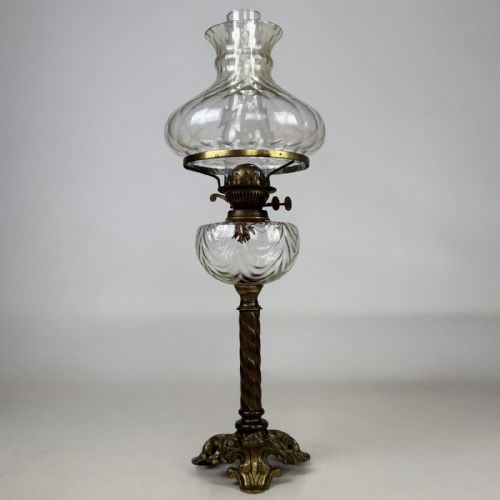
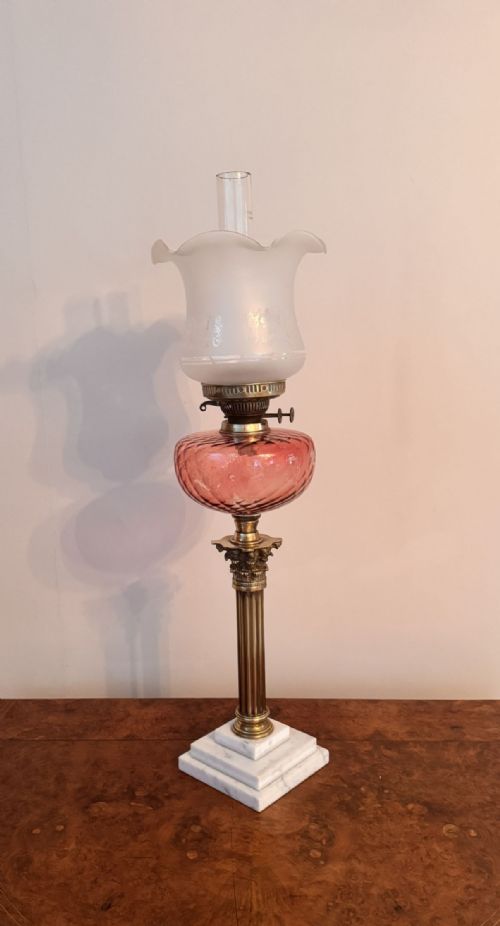
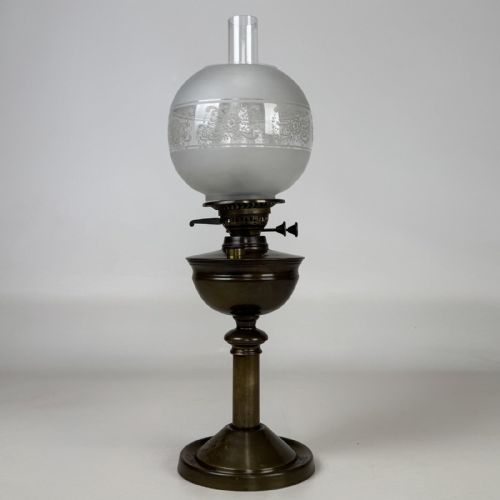
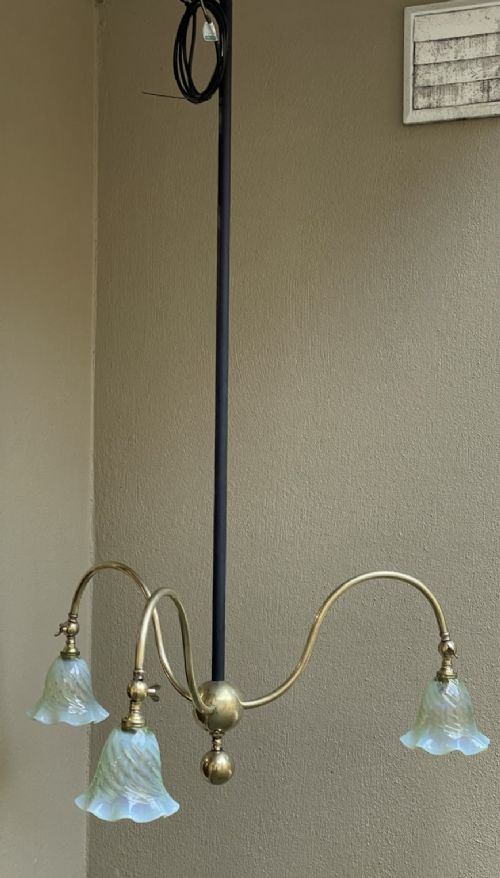
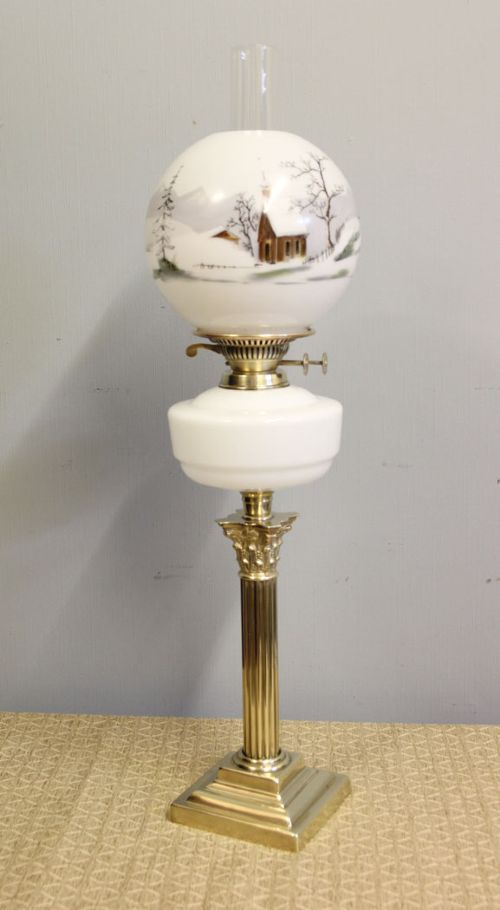
A victorian glass shade typically caps a period oil lamp, gasolier or ceiling light, designed to soften and direct illumination. You encounter these shades mounted on brass columns, Corinthian shafts, and ceramic bases originating from the nineteenth century.
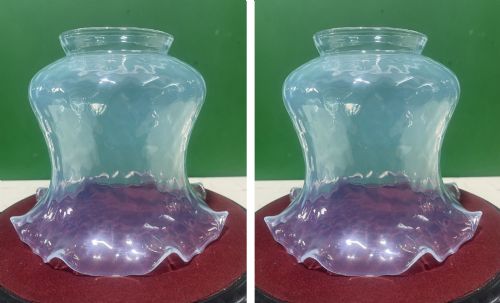
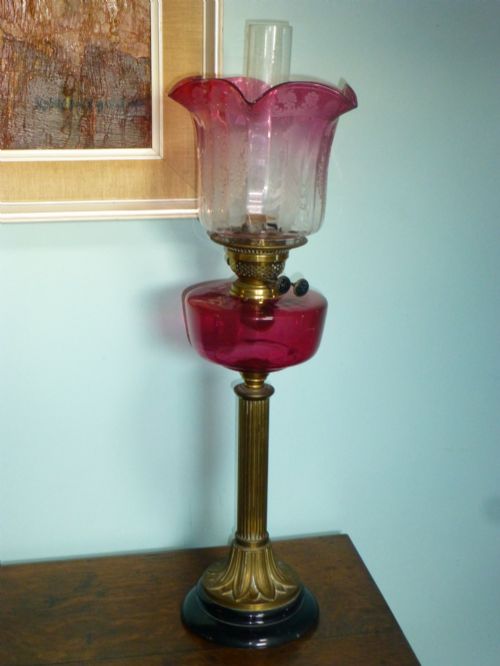
Most pieces date from the Victorian and Edwardian eras, utilising materials such as cranberry, frosted, opaline, and satin glass. They serve both as replacement globes and as core components of complete antique table and hanging lamps.
Materials and Working Methods
Glassmakers utilised free-blowing, mould-blowing, and casing techniques to achieve rich coloration and layered opacity. Cranberry glass achieved its deep red tone through the addition of gold chloride to the molten batch, whilst satin glass received an acid-etched finish.
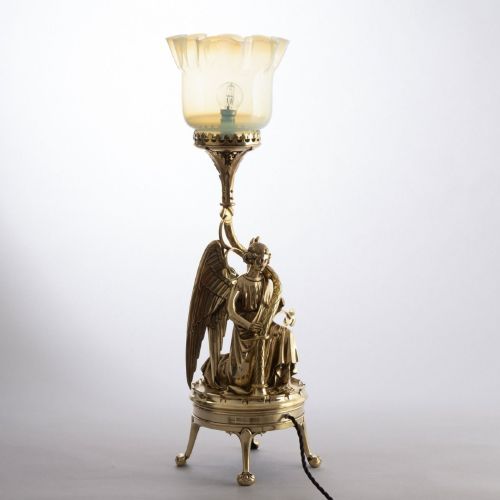
Moulded decoration, hand-painting, and etching appeared frequently on tulip and globe shades. Brass collars and mounts were turned, cast, and threaded to secure the glass securely to oil lamp fonts and gas fittings.
Victorian Glass Shade Retail Price Guide 2026
Typical asking prices for victorian glass shade among the pieces listed under this phrase on Sellingantiques today, from the lower quarter to the upper quarter. They describe what is for sale here now, not the wider market.
Some Victorian reading lamps feature twin angled arms designed to keep the oil font safely away from the reader's book.
Assessing Craftsmanship and Finish
Superior examples display balanced wall thickness, crisp mould seams, and finely executed hand-painted enamel details. The depth of colour in cranberry and opaline pieces indicates precise temperature control during the cooling process.
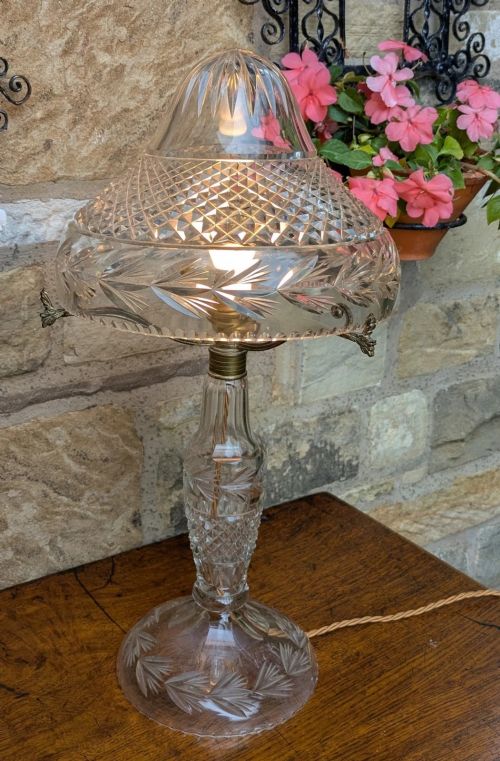
Fit and finish at the collar distinguish finer productions. Smooth ground rims, even frosted textures, and sharp cut-glass facets separate standard utilitarian shades from pieces intended for high-end domestic lighting.
The Victorian Glass Shade Glossary
- Cranberry Glass
- A transparent red glass created by adding gold to the molten batch. It is frequently seen in Victorian oil lamp shades and mantel lustres.
- Opaline Glass
- A semi-translucent white glass that diffuses light softly. It appears widely on Edwardian and Victorian gasoliers.
- Duplex Burner
- A twin-wick mechanism requiring a specific shade gallery width. These burners generated brighter illumination in late nineteenth-century lamps.
- Satin Glass
- Glass treated with hydrofluoric acid to produce a velvety, non-reflective surface texture. This finish gained popularity towards the end of the nineteenth century.
- Stourbridge Glass
- Ware produced in the West Midlands glass-making centre. This region was renowned for high-quality coloured and cased glass shades.
Victorian Glass Shade: Frequently Asked Questions
What fits my antique lamp shade holder?
Measure the fitter rim diameter precisely where the glass inserts into the brass gallery ring. Nineteenth-century shades came in specific sizing increments to match standard duplex and slip burners.
Check whether your burner uses a screw fitter or a plain gallery rim with thumb screws. Matching this physical seating ensures the shade sits level without wobbling.
How do I clean antique glass shades?
Wash the glass gently in lukewarm water using a mild, non-abrasive detergent. Avoid submerging painted or gilded surfaces for extended periods to protect the delicate decoration.
Dry the shade thoroughly with a soft lint-free cloth. Take care around hand-painted enamel and frosted areas, which can retain moisture or scratch easily.
How do I identify cranberry glass?
True cranberry glass displays a rich, translucent pinkish-red tone that results from gold content in the melt. When held to the light, the colour remains even without heavy streaks.
Compare the shade against ruby glass, which appears much darker and relies on copper or selenium rather than gold. Victorian examples often show subtle variations from hand-blblowing.
Can I use these shades with modern lighting?
Many antique shades fit standard modern gallery holders if the fitter rim dimensions align correctly. Ensure any electric bulb used emits low heat to protect fragile nineteenth-century glass.
Verify the weight of the shade against your lamp fixture capacity. Heavy cased or cut glass variants require sturdy brass arms to support them safely.