

Victorian Glass Lighting
Victorian glass lighting brings together functional brass and striking coloured or cut glass to illuminate period spaces.
Victorian Glass Lighting
Victorian glass lighting encompasses oil lamps, hanging lanterns, ceiling lights, and table lamps that illuminate period interiors with functional design. When you search for victorian glass lighting, you encounter domestic fixtures designed for practical illumination alongside decorative pieces intended for public and grand residential spaces.
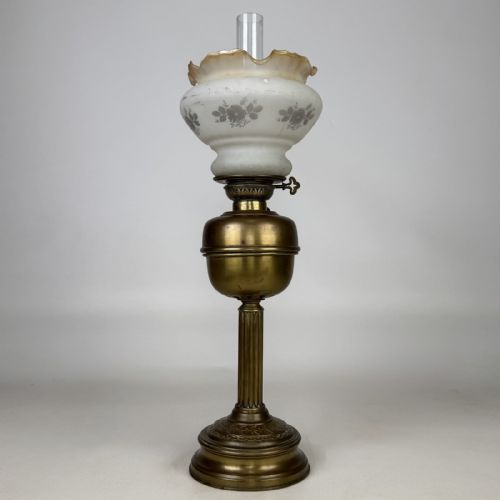
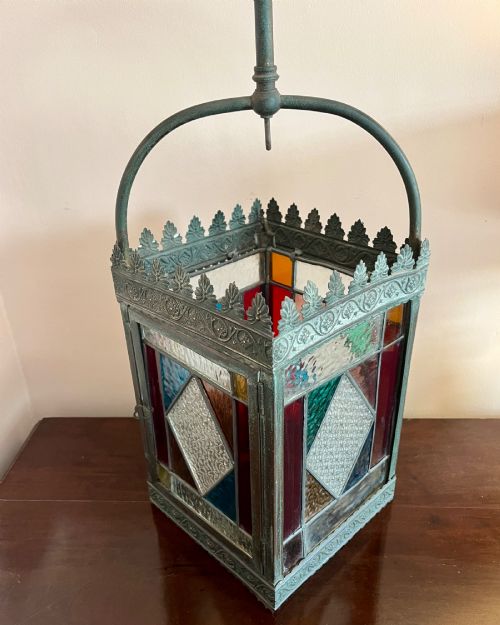
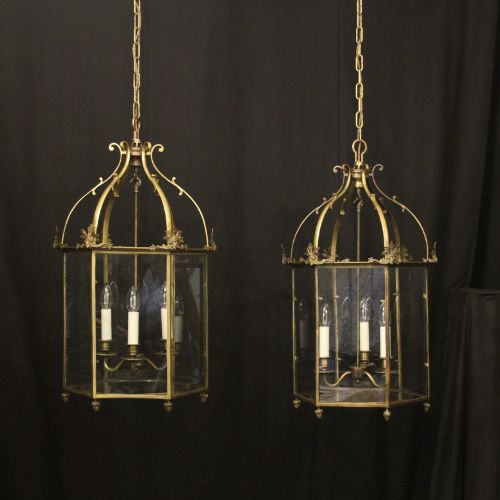
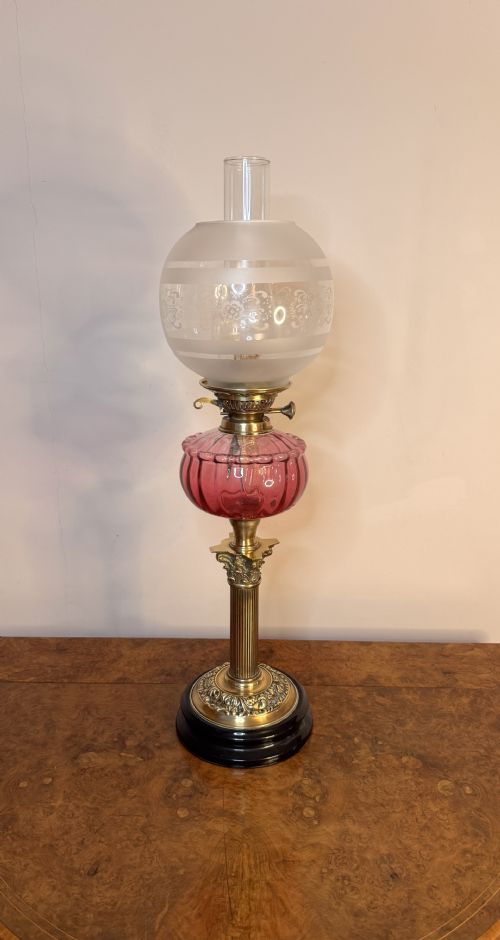
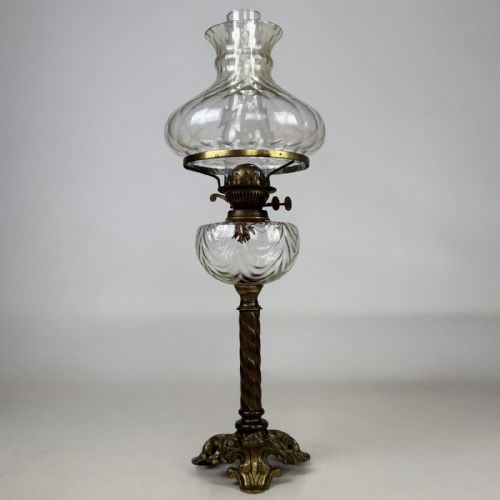
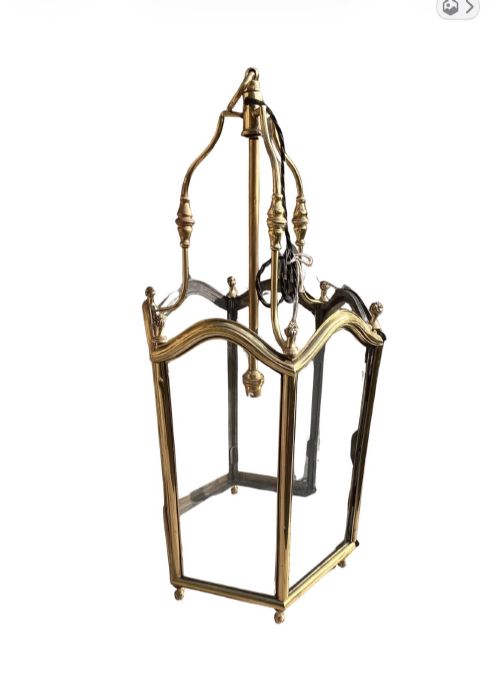
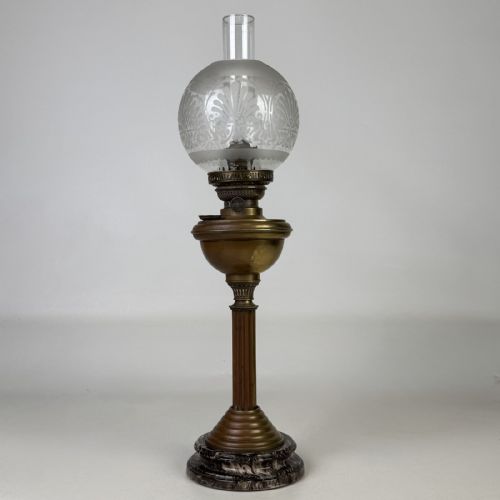
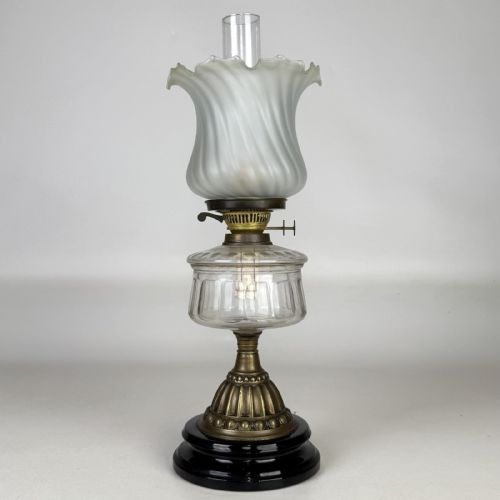
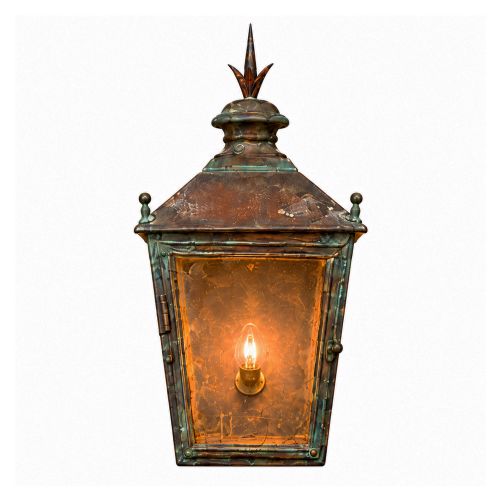
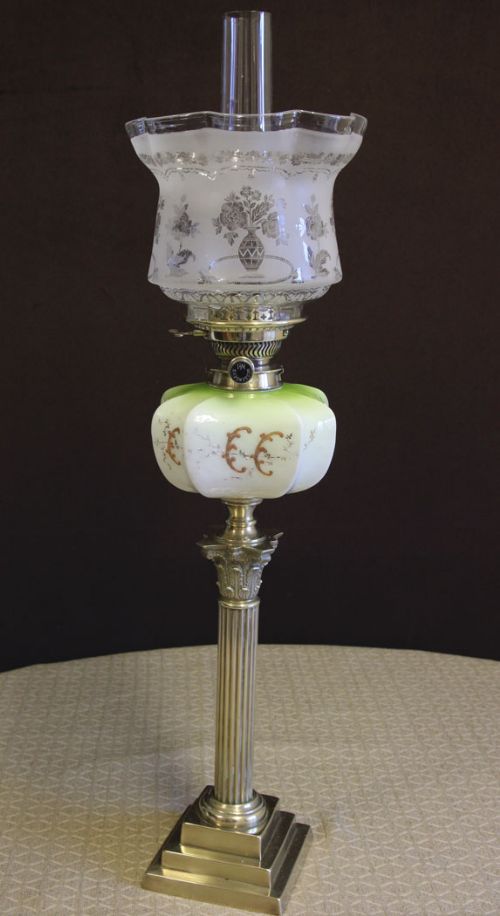
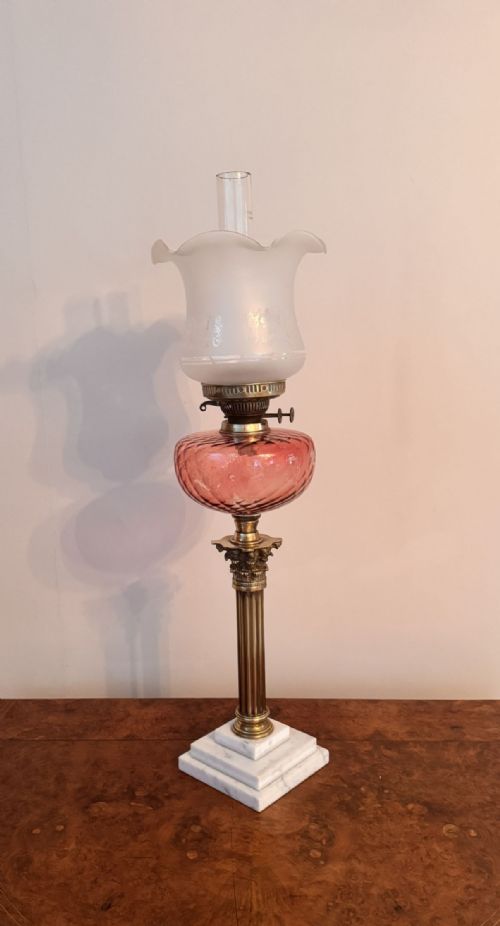
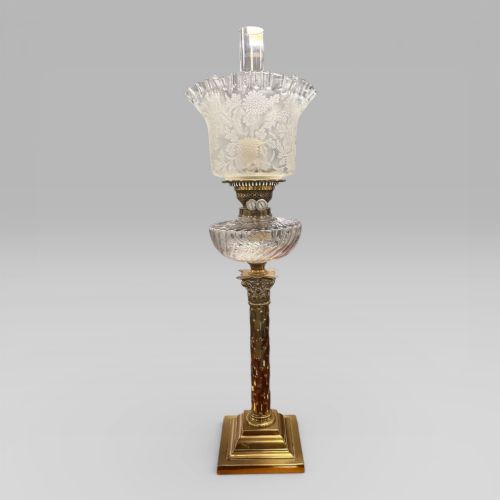
The most common forms on this page include oil lamps featuring brass columns and coloured glass fonts, paired with etched or frosted tulip shades. Hanging lanterns framed in copper or brass also appear frequently, alongside mantel lustres and ceiling lights spanning the nineteenth century and the Edwardian period.
Materials and Construction
Makers utilised heavy brass, copper, and bronze to construct the structural columns, frames, and burners of these lamps and lanterns. These metal foundations provide the rigidity necessary to support heavy glass reservoirs and shades.
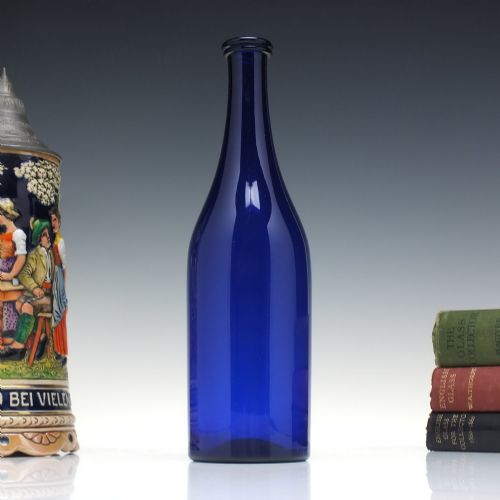
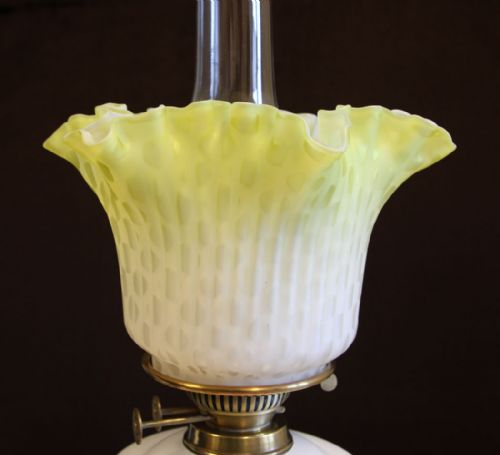
Glass elements combine blown, cut, and moulded techniques, featuring vibrant hues such as cranberry and vaseline alongside opaline and clear crystal. Enamel decoration and etched surface patterns further modify the glass components before assembly.
Victorian Glass Lighting Retail Price Guide 2026
Typical asking prices for victorian glass lighting among the pieces listed under this phrase on Sellingantiques today, from the lower quarter to the upper quarter. They describe what is for sale here now, not the wider market.
One listed lamp shade depicts a painted winter snow scene, ensuring your room stays chilly even in July.
Distinctions in Quality
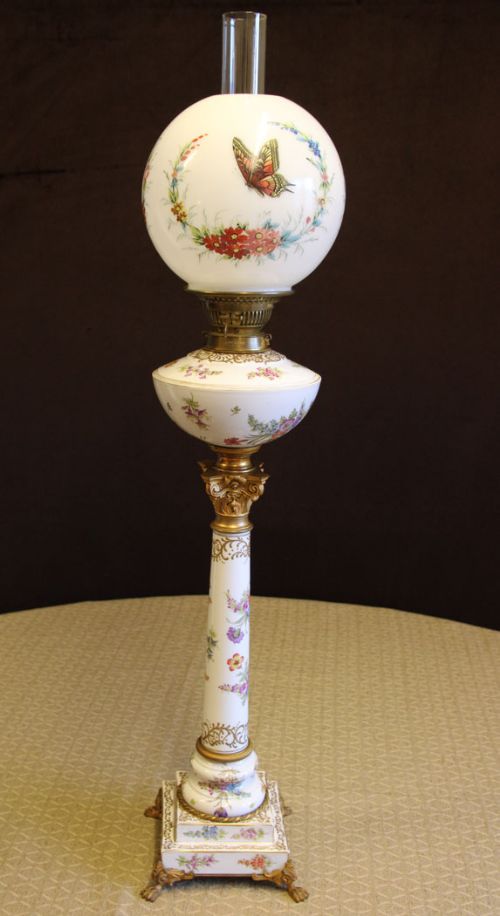
Quality in these lighting pieces rests upon the crispness of the brass casting, particularly in architectural orders like Corinthian columns, and the weight and clarity of the glass. Superior items exhibit hand-finished details, precise cutting on crystal and cranberry fonts, and robust structural framing.
The relationship between the metal mountings and the glass components defines the merit of an individual piece. Finer examples maintain an integrated design where specialised shades, such as botanical or winter scene motifs, match the proportions of the underlying column and burner mechanism.
Osler·Sitzendorf
The Victorian Glass Lighting Glossary
- Cranberry Glass
- A rich red-pink glass coloured with gold chloride during manufacture. It appears frequently in Victorian oil lamp fonts and shades.
- Duplex Burner
- A double-wick burner mechanism used on nineteenth-century oil lamps to provide a brighter illumination. These burners require specific twin-wick setups.
- Mantel Lustre
- A decorative glass vase or pedestal hung with prismatic crystal pendants. They are designed to stand on mantelpieces rather than provide direct illumination.
- Opaline Glass
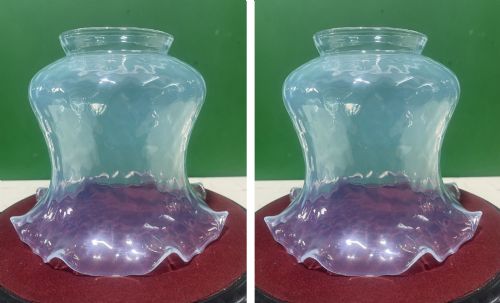
- An opaque white or tinted glass used for lamp shades to diffuse light softly. It occurs commonly on Edwardian and late Victorian fixtures.
Victorian Glass Lighting: Frequently Asked Questions
What is a duplex oil lamp?
A duplex oil lamp uses a twin-wick burner mechanism designed to produce a significantly brighter flame than standard single-wick lamps. These burners usually accommodate larger glass chimneys and shades.
They became popular during the nineteenth century for main living spaces where stronger illumination proved necessary. The mechanical parts often bear maker stamps on the thumbwheels.
Were these lights electrified later?
Many surviving oil lamps and gasoliers have undergone conversion to electricity for modern domestic use. This process typically involves running wiring through the original central column without destroying the burner assembly.
Original oil reservoirs and burners often remain intact above the conversion point to preserve the aesthetic of the period piece.
What distinguishes Edwardian lighting from Victorian?
Edwardian lighting frequently lighter proportions and softer pastel or opaline shades compared to the heavier brass and rich cranberry glass of the mid-Victorian era. Styles from the early twentieth century also incorporate Arts and Crafts and early Art Nouveau influences.
Both periods share a reliance on brass frames and structured glass shades, but Edwardian pieces often favour simplified classical or clean geometric lines.