




Victorian Glass Inkpot
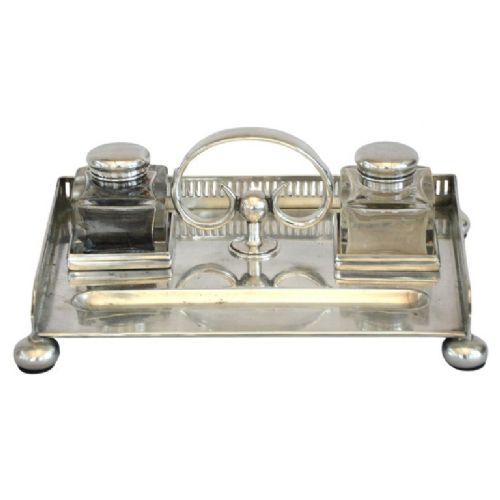
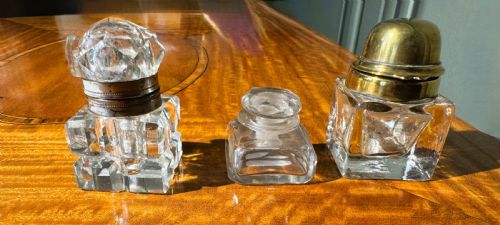
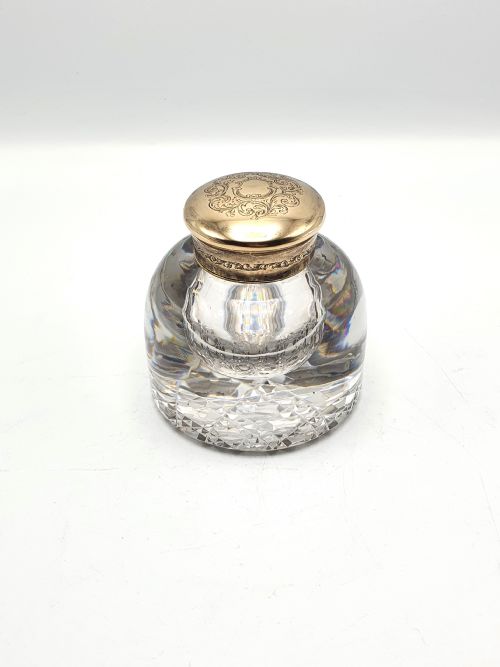
A victorian glass inkpot sits heavy on the desk, offering a sturdy reservoir for the pen and a touch of nineteenth-century weight.
Victorian Glass Inkpot
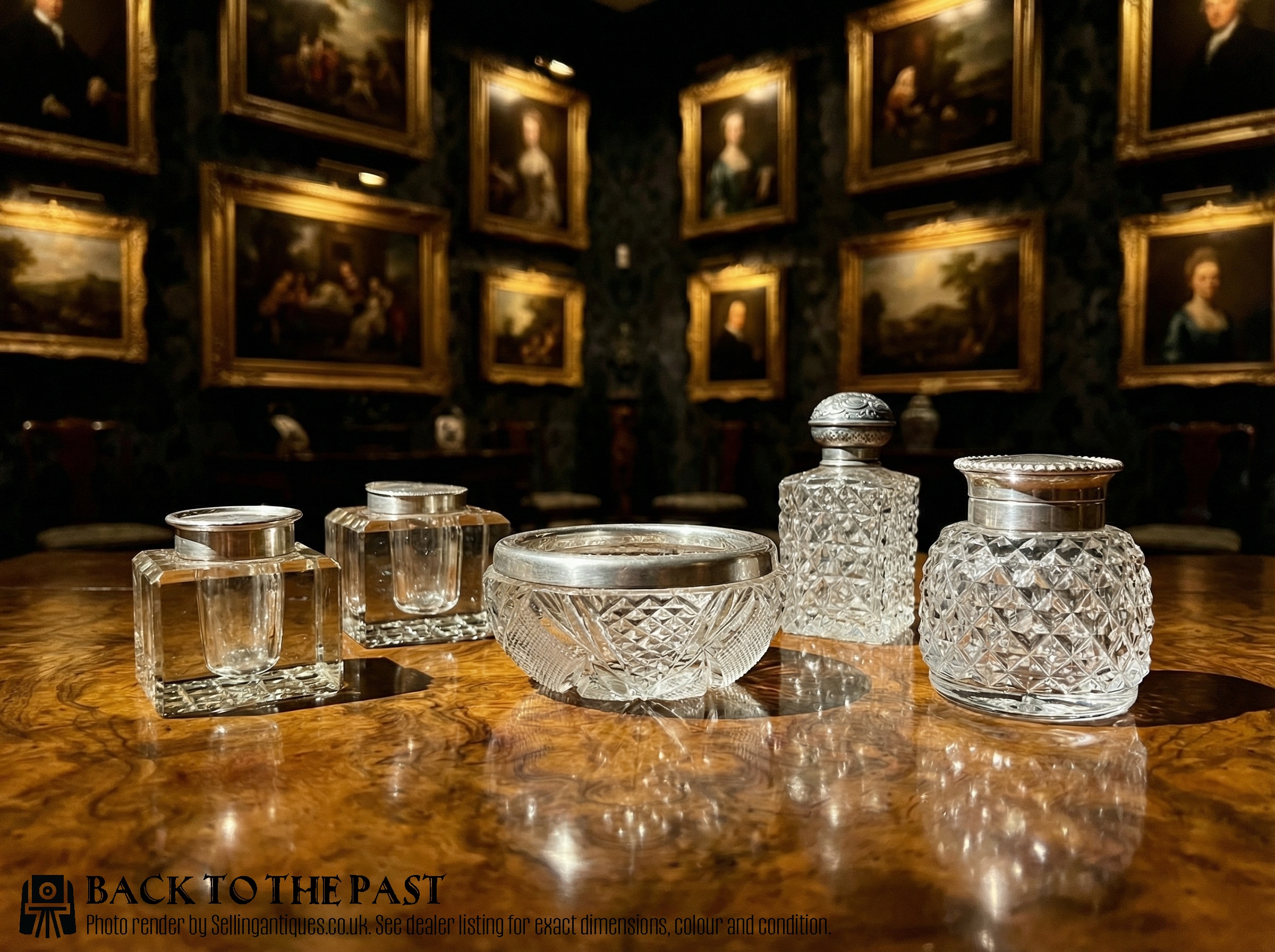
A victorian glass inkpot brings functional desk furniture into the modern study through robust materials and straightforward forms. These pieces serve as practical ink containers or decorative desk accessories designed for daily writing tasks.
The selections available here range from single heavy glass pots to elaborate desk stands fitted with brass or silver mounts. Buyers frequently encounter nineteenth-century examples paired with metal collars, hinged lids, and occasional novelty designs.
Origins stretch across the Victorian and Edwardian periods, encompassing simple glass reservoirs and more complex double inkstands. Each piece reflects the functional requirements of domestic and institutional correspondence before the widespread use of the fountain pen.
Materials and Construction
Makers shaped heavy glass through cutting and moulding techniques to create thick walls capable of withstanding the pressure of steel nibs. Cut glass and crystal provide structural heft, preventing the pot from tipping during use.
Metal components such as brass, silver plate, and sterling silver form secure collars and hinged lids fitted to the glass bodies. Horn and mahogany occasionally appear as supporting bases or novelty elements, combining organic textures with transparent vessels.
Listings feature items spanning from the 1870s through the Edwardian era, incorporating cut glass, silver plate, brass, and horn.
Distinctions in Quality
Quality rests in the clarity of the glass and the weight of the metal mounts rather than surface decoration alone. Thickly cut crystal facets refract light sharply, whilst thin or bubbly glass indicates a more utilitarian production.
The integrity of the metal fittings and the secure fit of the hinged lid determine the standard of the piece. Substantial mounts in brass or silver plate demonstrate a higher grade of manufacture than lightweight stamped alternatives.
The Victorian Glass Inkpot Glossary
- Cut Glass
- Glass shaped and patterned by abrasive wheels, producing sharp facets that catch the light. This technique adds significant weight to the base of an inkpot.
- Inkstand
- A complete desk tray holding one or more inkpots alongside space for pens and stamps. These stands coordinate materials like silver plate and brass with glass vessels.
- Novelty Inkwell
- An inkpot modelled into an entertaining shape, such as an animal or horn. These pieces combine utility with decorative whimsy.
- Sterling Silver
- A silver alloy containing substantial pure metal content, frequently utilised for the collars and lids of better quality desk wares. Hallmarks often stamp the metal for identification.
- Silver Plate
- A base metal layer coated with a thin layer of silver. This technique offered the appearance of solid silver at a reduced cost for desk accessories.
Victorian Glass Inkpot: Frequently Asked Questions
What is a victorian glass inkpot?
A victorian glass inkpot is a heavy glass container designed to hold ink for writing with a dip pen during the nineteenth century. These vessels often feature metal collars and hinged lids to prevent the ink from drying out.
They range from simple standalone glass blocks to elaborate components of larger desk stands and novelty table pieces.
How were these inkpots used?
Writers dipped their steel or quill pens directly into the glass reservoir to load ink before writing on paper. They sat permanently on desks in studies, offices, and dressing rooms.
The heavy glass base prevented the pot from sliding or tipping during the vigorous motion of dipping and writing.
How do I date a glass inkpot?
Dating relies on the style of the metal mounts, the manufacturing technique of the glass, and any accompanying hallmarks on silver or plated parts. Victorian examples typically display heavier glass and specific decorative motifs associated with the nineteenth century.
Later Edwardian and early twentieth-century pieces often show refined mounts and different proportions in the glass cutting.
Can I still use an antique inkpot?
These pieces function adequately for holding modern ink, provided the glass reservoir remains intact and free of cracks. Care should be taken with metal hinges and collars during cleaning to preserve the original material.
Many collectors prefer to display them as desk ornaments rather than putting them back into daily working service.