




Victorian Brass Inkpot
A victorian brass inkpot brings the tactile weight of nineteenth-century correspondence straight to your desk, offering solid metal construction and functional design.
Victorian Brass Inkpot
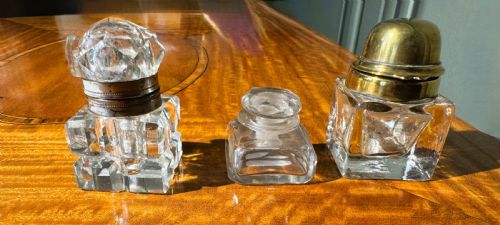
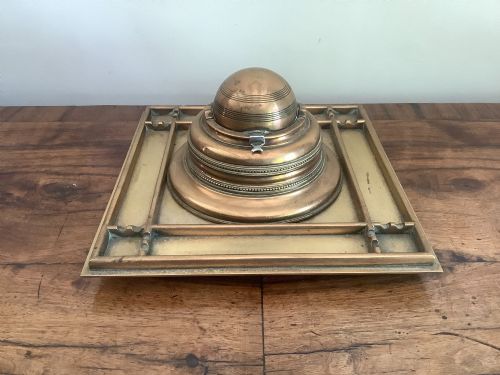
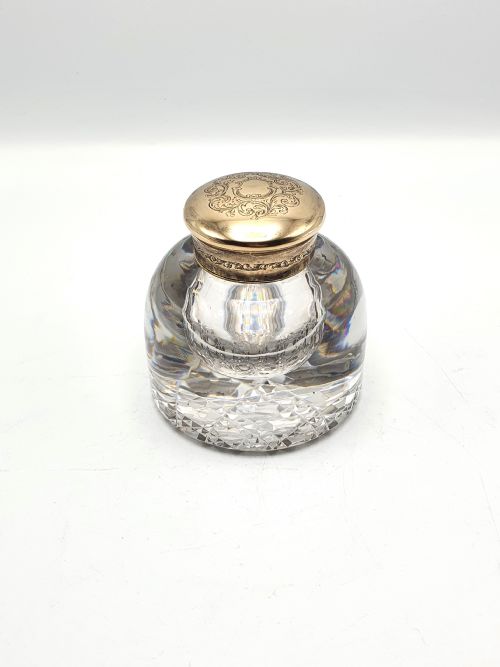
A victorian brass inkpot is a desk accessory designed to hold writing fluid safely during the nineteenth century and into the early twentieth century. These pieces range from simple glass vessels set into brass bases to elaborate sculptural forms including novelty animals, grand tour pieces and multi-piece desk stands.
The versions most commonly met on this page span the Victorian and Edwardian eras, encompassing styles from the Aesthetic Movement and Art Nouveau to French Second Empire and Chinoiserie. They combine metalwork with materials such as cut glass, porcelain, ceramic, and marble.
Makers utilised various configurations, pairing hinged lids with pen rests and matching stands to create functional writing equipment. Whether rendered as a large cut glass pot or an ornate cast bronze stand, each item reflects the domestic and professional writing habits of the period.
How they were made
Makers produced these pieces using traditional foundry methods, casting brass, bronze, and ormolu into ornate shapes and decorative stands. Metal components often received chased detailing or gilding to enhance their visual depth.
Glass elements, including cut glass and crystal liners or pots, were heavy-pressed or hand-blown to fit securely within the metal housings. Ceramic and porcelain components were glazed and painted before being mounted onto the brass bases.
Listings feature materials spanning brass, cut glass, gilt bronze, ceramic, and marble across Victorian and Edwardian periods.
What varies in quality
The standard of a victorian brass inkpot depends largely on the crispness of the metal casting and the precision of the fit between the glass or ceramic insert and its metal mount. Finer examples display sharp, detailed chasing on bronze and brass, whereas simpler items show softer surface textures.
Material combinations also dictate the character of the piece, with heavy cut glass, marble bases, and hand-painted porcelain elevating the work beyond utilitarian brass and standard glass pots. Novelty animal designs rely heavily on sculptural proportions and glass eye details for their overall success.
The Victorian Brass Inkpot Glossary
- Inkstand
- A complete desk tray or stand incorporating one or more inkpots alongside pen rests and sometimes taper sticks. These multi-piece items formed the centrepiece of a nineteenth-century writing desk.
- Ormolu
- Finely ground high-carat gold applied to a bronze base using a mercury amalgamation process, or simply cast brass finished to resemble gold. This finish provides a bright, durable sheen on decorative stands.
- Chasing
- The art of finishing metal by hand with hammers and punches to refine surface details after casting. This technique adds texture and definition to floral motifs and animal pelts.
- Novelty inkwell
- An inkpot modelled into a playful or pictorial shape, such as an animal, bird, or architectural form. These sculptural pieces combined utility with Victorian tabletop amusement.
- Cut glass
- Glass decorated by cutting facets or patterns into the surface using a wheel. It adds weight and sparkle to nineteenth-century ink pots.
Victorian Brass Inkpot: Frequently Asked Questions
What is a victorian brass inkpot?
A victorian brass inkpot is a nineteenth-century desktop container built to hold liquid ink for dip pens. They combine metal bases with glass, ceramic, or porcelain reservoirs.
These accessories served practical writing needs in homes and offices, often coming paired with integrated pen rests or matching desk stands.
How do I date a brass inkpot?
Dating relies on stylistic clues such as Aesthetic Movement geometry, Art Nouveau plant lines, or Victorian ornamentation. Material combinations like gilt bronze and marble also help narrow down the period.
Examining the manufacturing techniques and any registration marks can further clarify whether a piece originates from the Victorian or Edwardian eras.
Were these inkpots used daily?
Yes, these items sat permanently on writing desks for correspondence, journaling, and business administration. The heavy glass or ceramic inserts contained the ink while the metal lids helped prevent rapid evaporation.
Many designs included built-in trays or rests to hold pens when not in use, keeping the desktop tidy.
How should I clean brass inkpots?
Maintenance involves dusting with a soft, dry cloth to preserve any patination accumulated over the decades. Aggressive polishes can remove historic surface character.
Glass and ceramic inserts can be lifted out and washed gently with warm water and mild soap if residue remains inside.