


Victorian Silver Topped Jars
Victorian silver topped jars are essential dressing table and parlour accessories combining cut glass and metalwork, prized for their decorative utility.
Victorian Silver Topped Jars
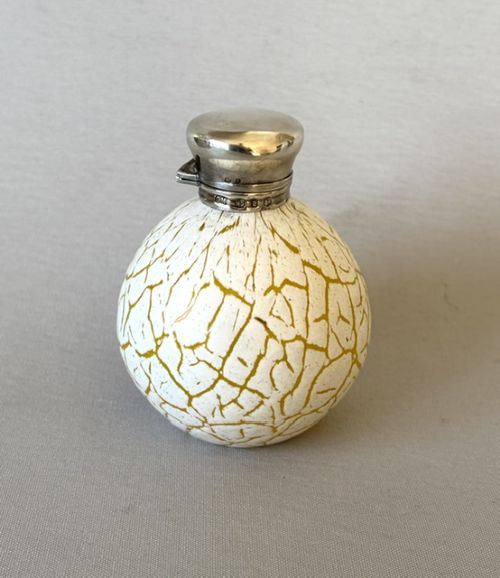
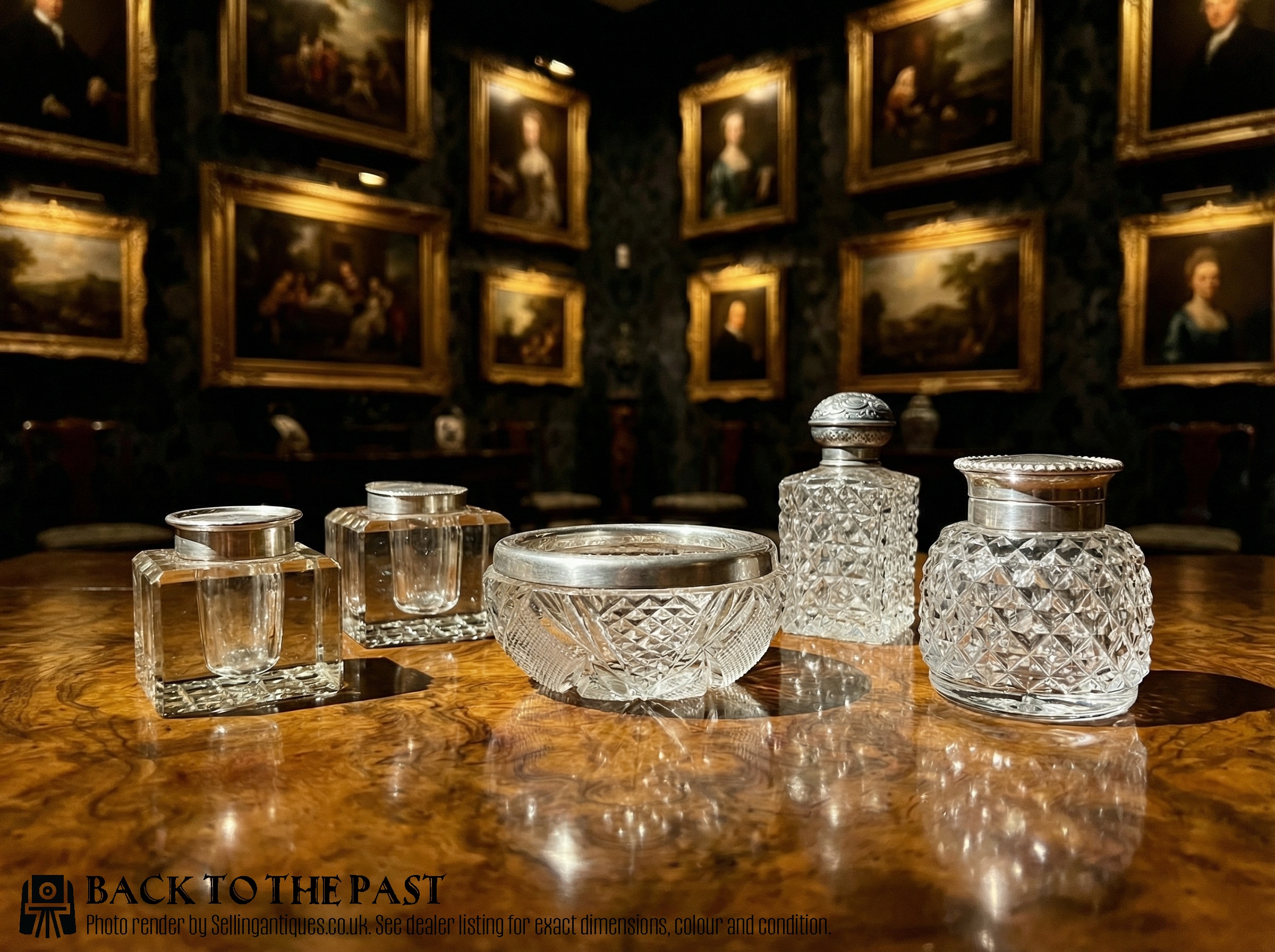
Victorian silver topped jars encompass a diverse group of containers designed for domestic and personal use, ranging from scent bottles and vanity jars to biscuit barrels and dressing table accessories. When searching for victorian silver topped jars, collectors encounter vessels formed from cut crystal, cranberry glass, and ceramic bodies fitted with sterling silver or silver plate covers.
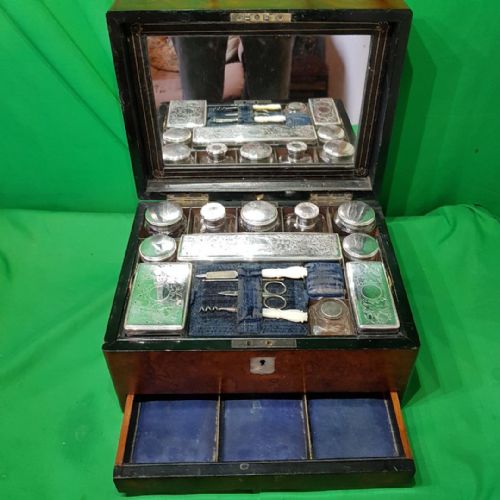
The assortment spans pieces originating through the nineteenth and early twentieth centuries, capturing periods from the Victorian era into the Edwardian decades. Biscuit barrels, scent bottles, and trinket boxes appear frequently alongside larger travelling sets and preserve pots, demonstrating the wide scope of functional containers produced in these years.
How they were made
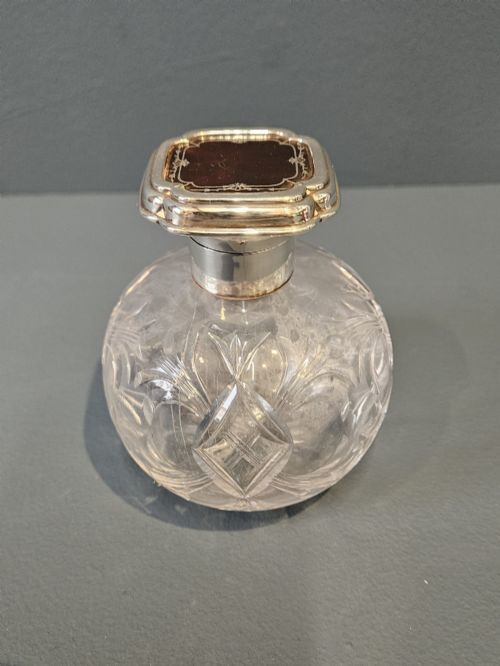
Metal covers and mounts were cast, spun, or engraved, sometimes incorporating tortoise shell, amethyst glass, or specialised locking mechanisms. Hallmarks stamped into the silver elements recorded assay offices and dates, anchoring the manufacture to specific English towns and years.
Some gentleman's cologne bottles featured secret locks, ensuring private access to favourite scents during nineteenth-century travels.
What varies in quality
The calibre of these pieces depends upon the weight and depth of the glass cutting, the clarity of the crystal or richness of the coloured glass, and the substantial nature of the metal mount. Heavier gauge silver and intricate chasing distinguish superior examples from standard production items.
Integration between the glass body and the metal lid dictates visual success, where precise fitting and crisp hallmarks elevate the piece. The inclusion of complex materials like tortoiseshell or specific glass houses such as Clichy marks the upper tiers of the surviving range.
James Dixon and Sons·Walker and Hall·Wedgwood
The Victorian Silver Topped Jars Glossary
- Sterling silver
- A silver alloy containing 92.5 percent pure silver by mass, widely utilised for the hallmarked lids and mounts of these containers.
- Cut crystal
- High-clarity glass cut with deep facets to refract light, frequently forming the bodies of scent bottles and vanity jars.
- Jasperware
- A type of fine stoneware developed with a matte finish, often associated with biscuit barrels and decorative table vessels.
- Cranberry glass
- A rich red-pink transparent glass coloured with gold oxide, popular for Victorian scent bottles and biscuit barrels.
- Biscuit barrel
- A covered ceramic or glass container designed for storing biscuits in the parlour or dining room.
Victorian Silver Topped Jars: Frequently Asked Questions
What were silver topped jars used for?
These vessels served diverse domestic and personal purposes, holding items ranging from biscuits and preserves to perfumes, pins, and cosmetics on dressing tables.
Larger containers functioned as biscuit barrels or sweet bowls in entertaining rooms, whilst smaller variants remained within fitted travelling cases and vanity boxes for daily grooming.
How do I identify a Victorian piece?
Identification relies upon examining the combination of materials, design styles, and stamped hallmarks found on the silver metalwork.
Assay office marks and date letters provide precise manufacturing years, whilst characteristic glass colours like cranberry and deep cut crystal align with nineteenth-century aesthetic preferences.
What is the difference between silver plate and sterling?
Sterling silver denotes a solid alloy meeting strict purity standards, whereas silver plate consists of a base metal coated with a thin layer of silver.
Solid sterling pieces usually bear official hallmarks indicating the purity and assay office, while plated items often display manufacturer marks denoting their specific plating technique.
How should I care for glass and silver?
Preserving these items requires gentle cleaning methods that protect both the delicate glass surfaces and the reactive silver components.
Silver polish must be used sparingly to avoid wearing away thin plating or rubbing crisp hallmarks, and glass bodies benefit from warm soapy water without harsh abrasives.