

Victorian Glass Flask
When you search for a victorian glass flask, you are entering a world of portable luxury and refined personal containers crafted for scent and spirit.
Victorian Glass Flask
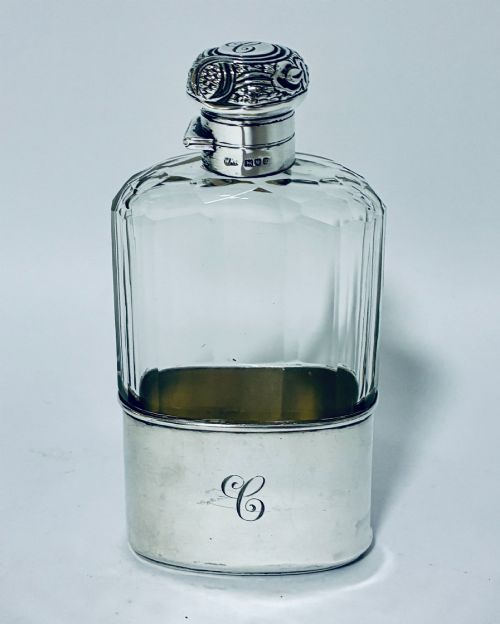
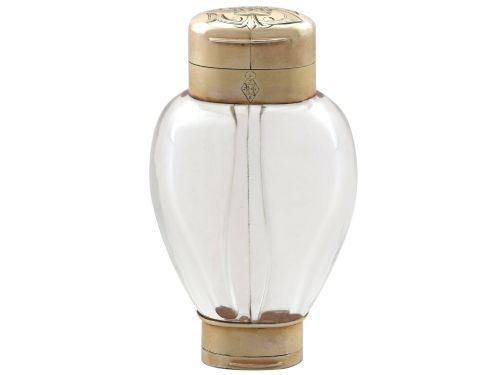
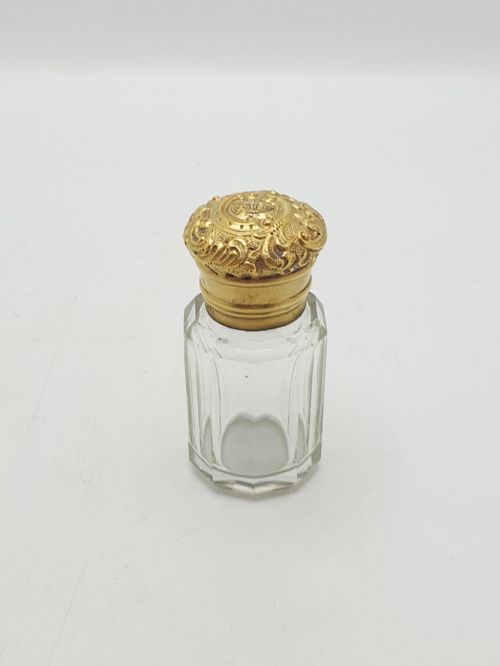
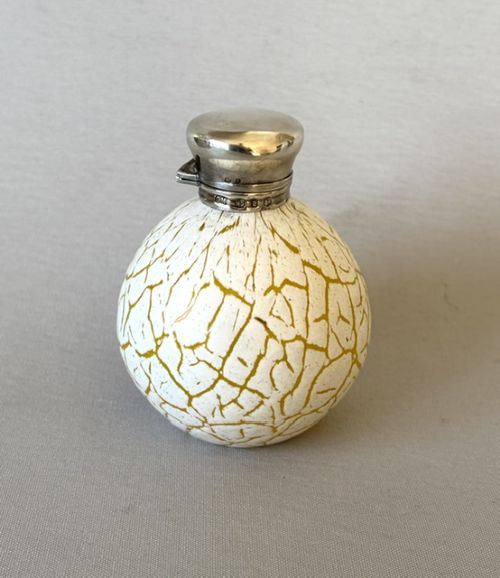
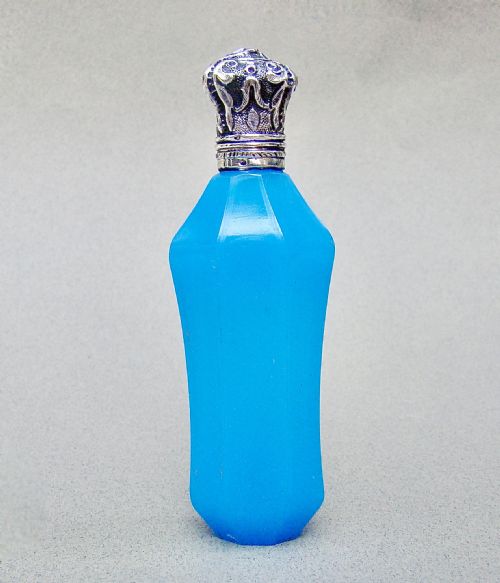
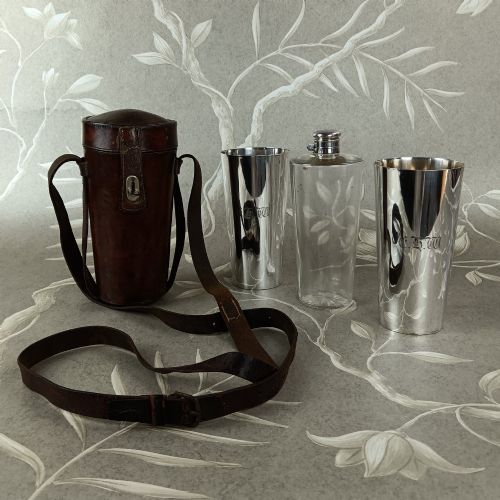
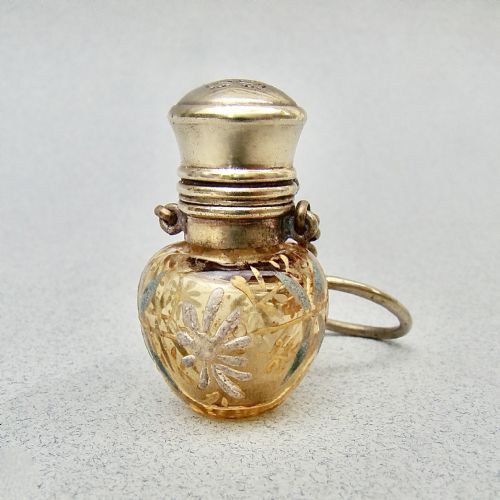
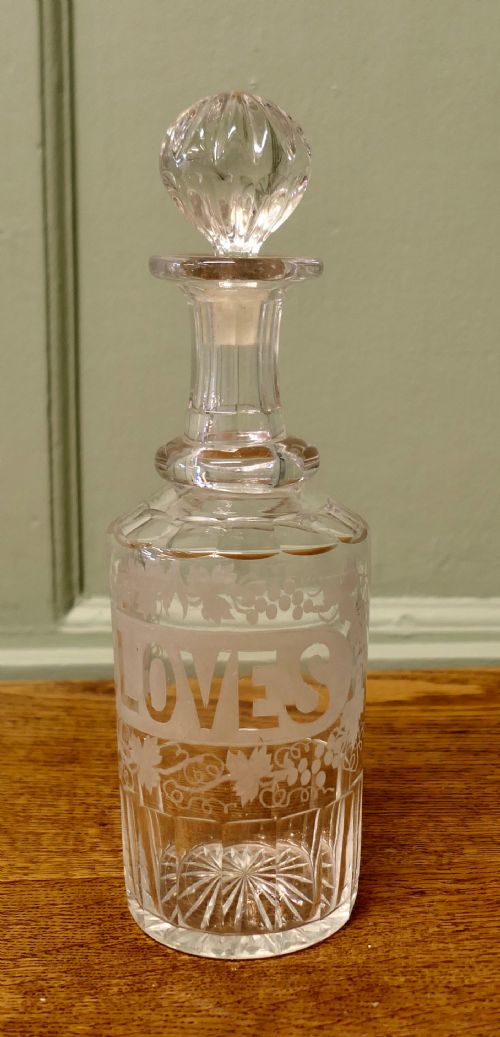
A victorian glass flask encompasses a diverse array of functional vessels, most frequently encountered here as pocket scent bottles, perfume containers, and portable spirit flasks. These pieces range from intimate chatelaine scent bottles suspended from waist chains to substantial spirit sets designed for field campaigns or dining tables.
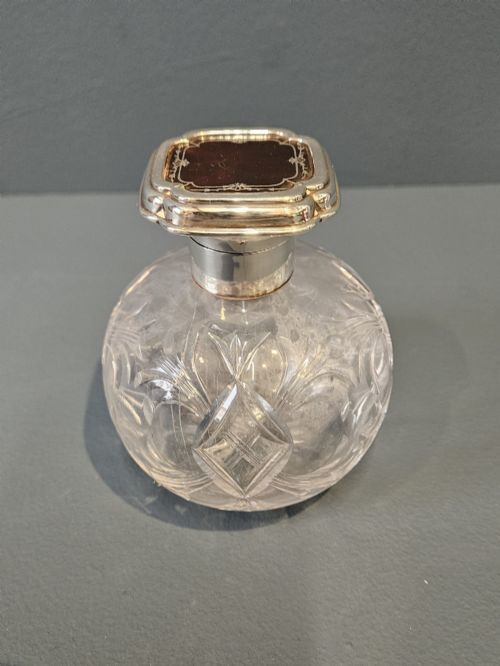
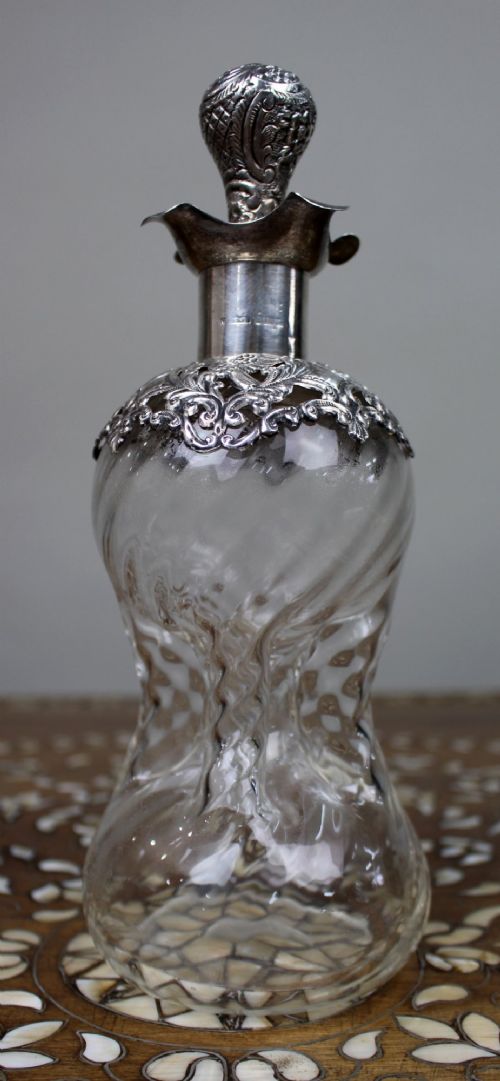
The objects bridge domestic utility and personal adornment, appearing in distinct forms such as torpedo shapes, egg designs, and icicle profiles alongside traditional decanter silhouettes. Many integrate sterling silver, gilt mounts, or leather cases to protect and elevate the glass body.
How they were made
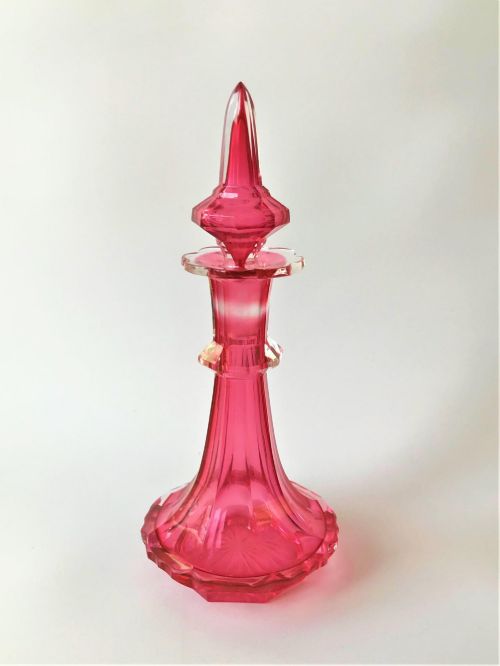
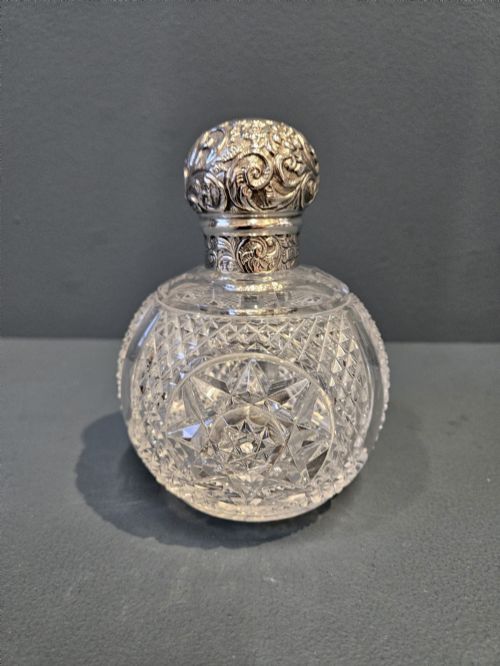
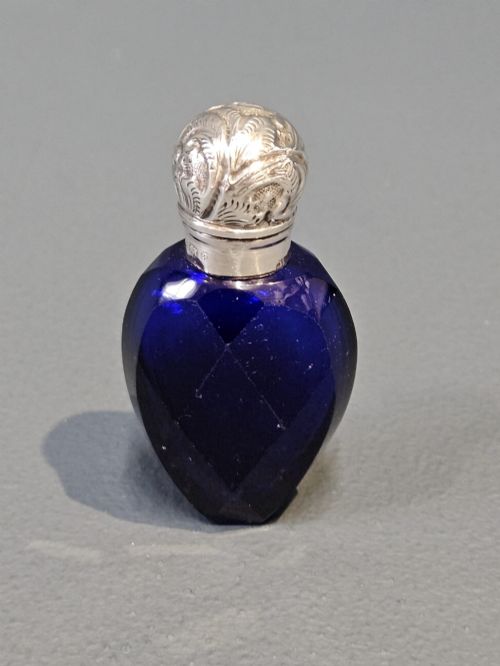
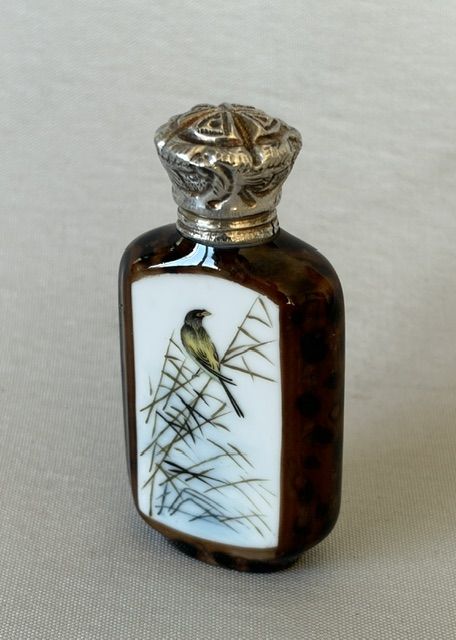
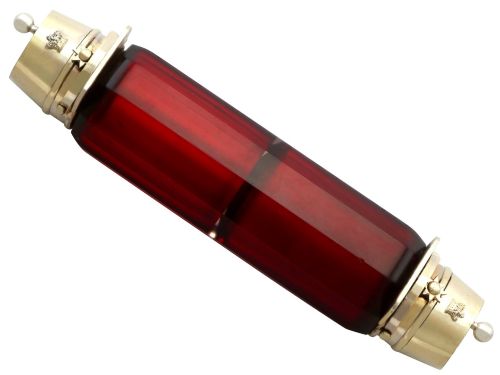
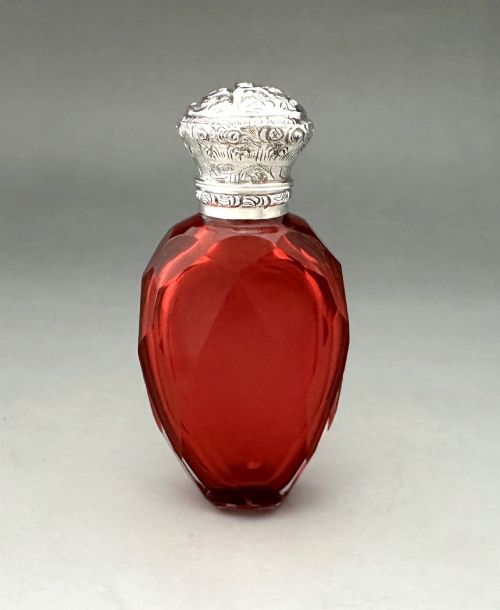
Makers combined blown or moulded glass with worked sterling silver, ormolu, and leather, utilising techniques like wheel-cutting, etching, and enamel painting to decorate the vessels. Coloured glass varieties - including ruby, emerald, cranberry, cobalt, and opaline - were achieved by adding metallic oxides to the molten batch.
Mounts and lids were cast, hammered, or pierced in silver workshops, then fitted with hinged caps or screw tops to ensure secure containment for liquids and perfumes.
Victorian Glass Flask Retail Price Guide 2026
Typical asking prices for victorian glass flask among the pieces listed under this phrase on Sellingantiques today, from the lower quarter to the upper quarter. They describe what is for sale here now, not the wider market.
Materials appearing across current items include sterling silver, cut crystal, enamel, leather, and ormolu mounts.
What varies in quality
The distinction between standard utility items and exceptional pieces rests upon the finesse of the glass manipulation and the weight of the metal mounts. Heavy, crisply faceted cut crystal and deeply saturated coloured glass combined with fully hallmarked sterling silver mounts represent higher manufacturing standards.
Design complexity also elevates a piece, such as hand-painted enamel details, intricate ormolu framing, or integrated drinking cups accompanying spirit flasks.
James Dixon And Sons·Moser Glass·Asprey London·Franchini And Bigaglia
The Victorian Glass Flask Glossary
- Chatelaine
- A decorative belt hook or clasp worn from the waist to which practical household items such as scent bottles and keys were suspended. These wearable accessories were popular throughout the nineteenth century.
- Vinaigrette
- A small ornamental hinge-lidded container holding a sponge soaked in aromatic vinegar. They frequently share form and mounts with scent bottles.
- Opaline glass
- An opaque or translucent glass developed in shades of turquoise, pink, and white, possessing a soft, milky appearance. It gained favour in nineteenth-century French and English vanity wares.
- Decanter
- A vessel used for holding and serving liquids such as wine or spirits. In portable formats, these are often paired with silver caps or leather field cases.
- Ormolu
- Gilded bronze or brass applied as decorative mounts and hardware. It provides a bright metallic contrast to coloured glass bodies.
Victorian Glass Flask: Frequently Asked Questions
What is a Victorian glass flask?
A Victorian glass flask is a portable container made of glass, often mounted in sterling silver, designed for holding perfume, scent, or spirits.
These pieces reflect the personal grooming and travel habits of the nineteenth century, ranging from pocket-sized perfume phials to field campaign spirit bottles.
How were scent bottles used?
Scent bottles held liquid perfumes or aromatic vinegars used to refresh the senses in crowded or unhygienic environments.
Many were small enough to fit inside a pocket, hang from a chatelaine hook at the waist, or sit neatly upon a dressing table.
How do I identify a Victorian piece?
Identification relies on examining the glass colours, cutting styles, and any accompanying metal mounts. Silver components often feature hallmarks that indicate the assay office and year of manufacture.
Stylistic cues such as Aesthetic Movement motifs, cranberry glass, and ormolu mounts also point toward nineteenth-century production.
Can I use these flasks today?
Many of these vessels remain structurally sound and capable of holding liquids, though historic closures require careful handling.
Collectors generally display them as decorative art objects or incorporate them into modern vanity and barware collections.