
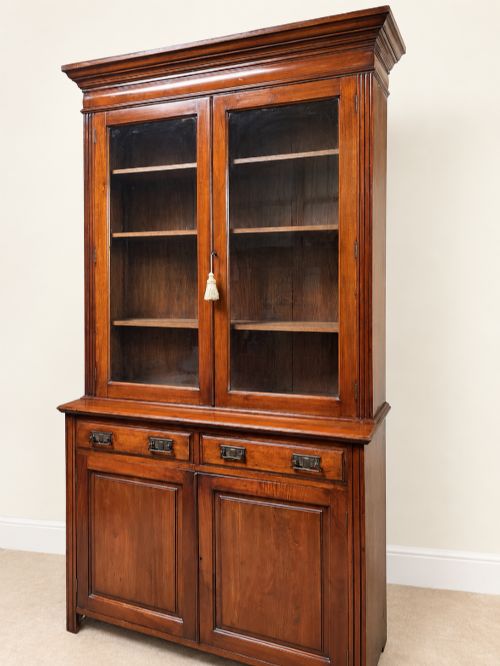
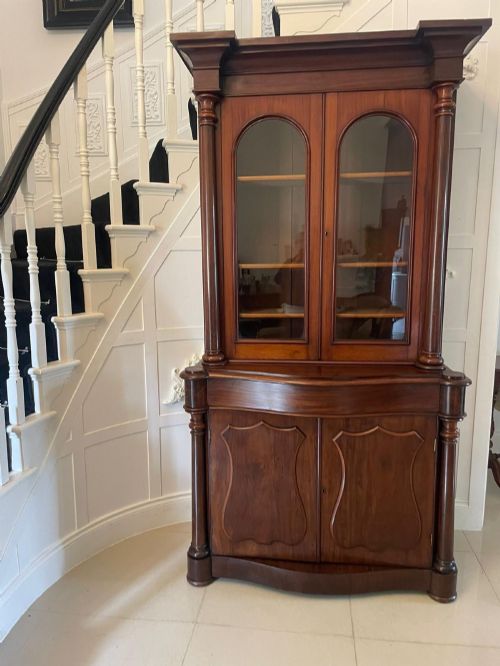
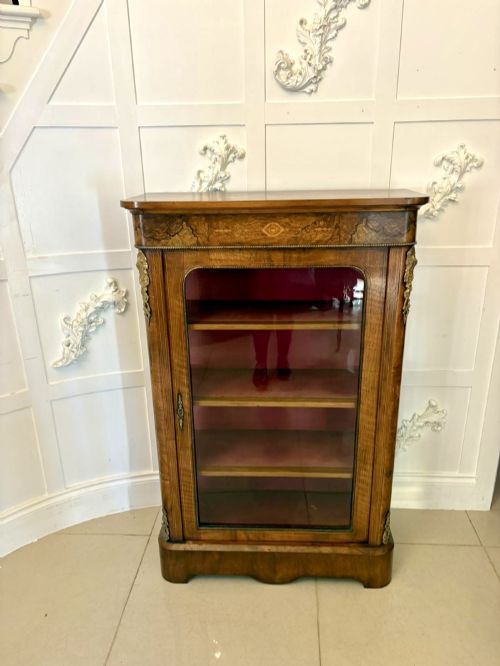
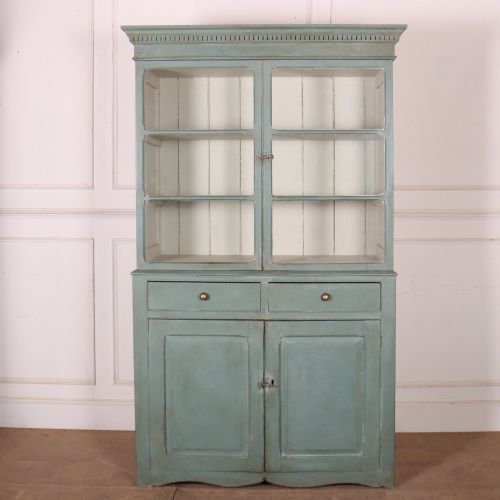
Victorian Glass Door Bookcase
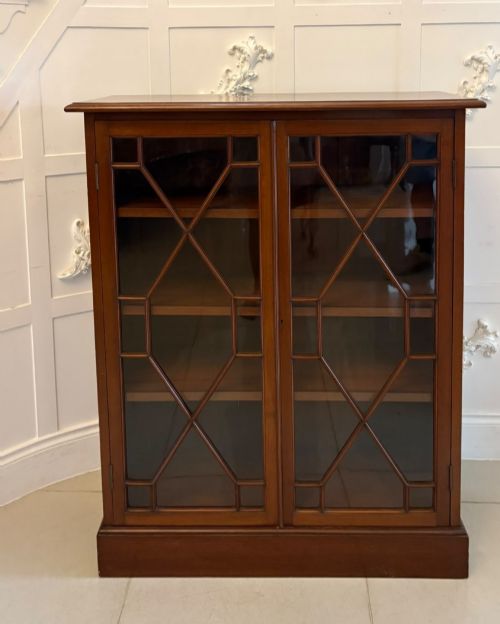
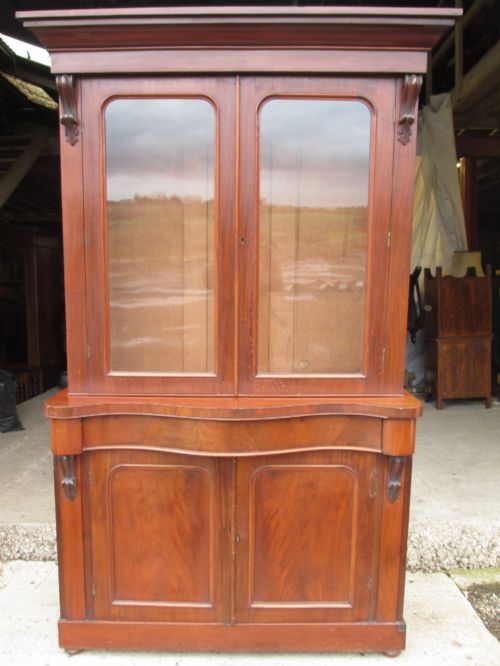
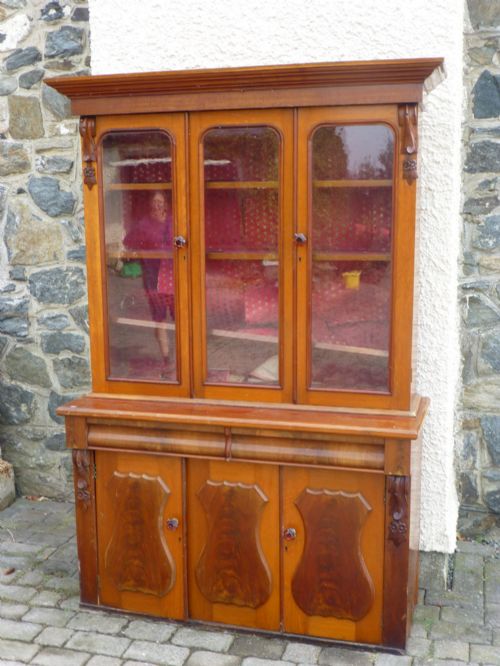
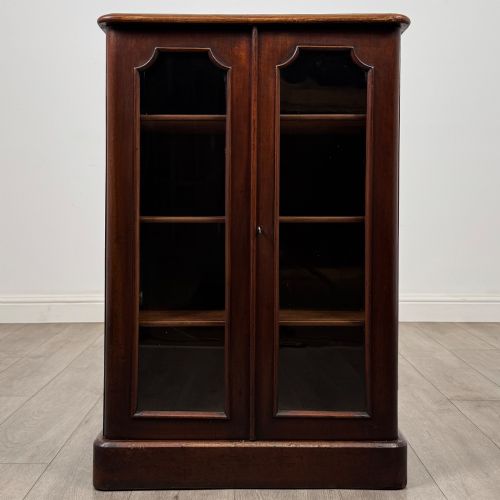
A victorian glass door bookcase is a timber cabinet with transparent panels, built to protect volumes while displaying bindings.
Victorian Glass Door Bookcase
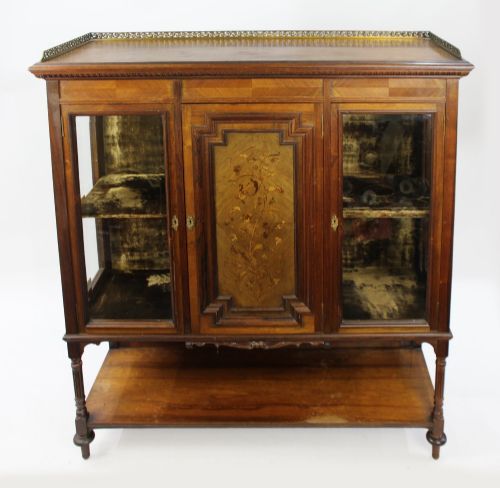
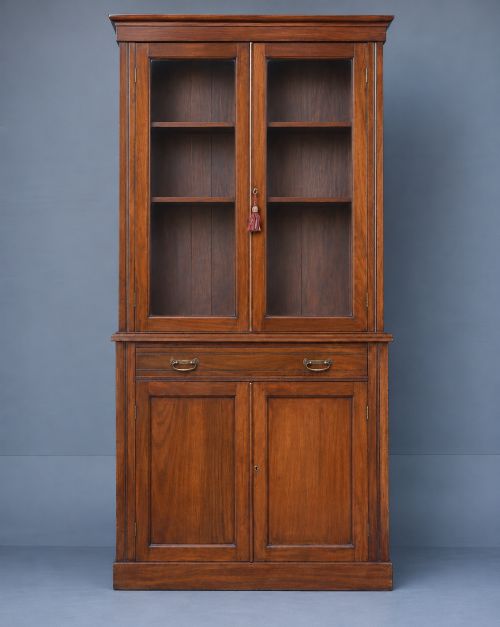
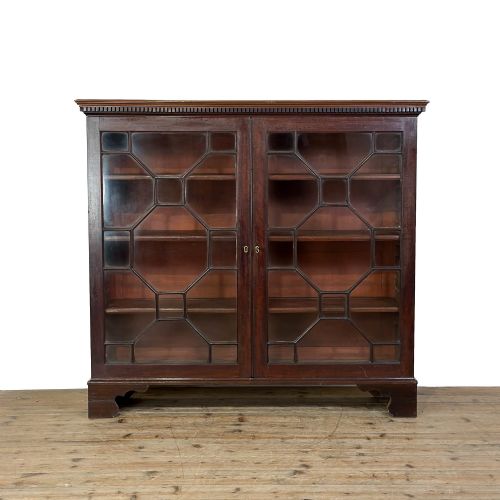
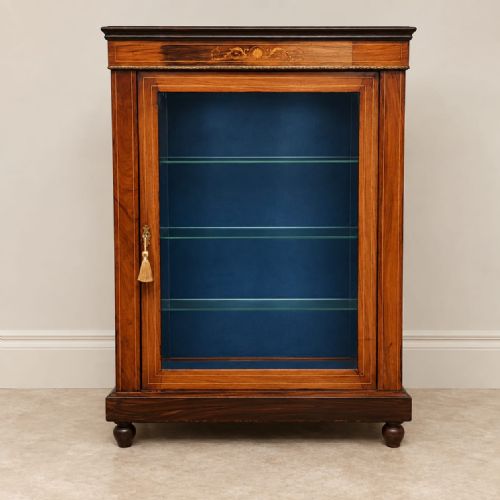
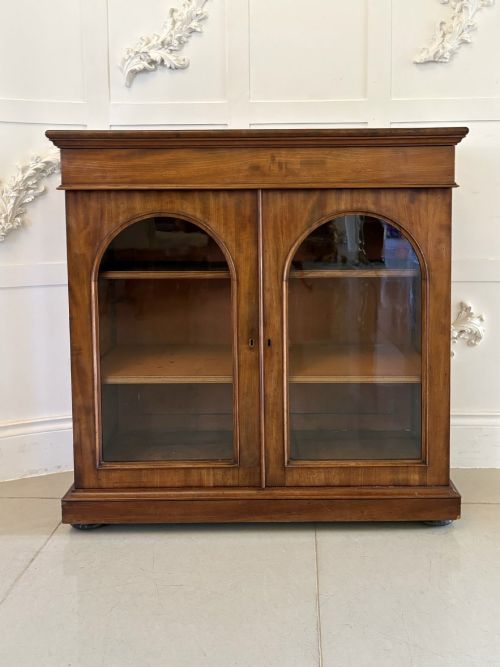
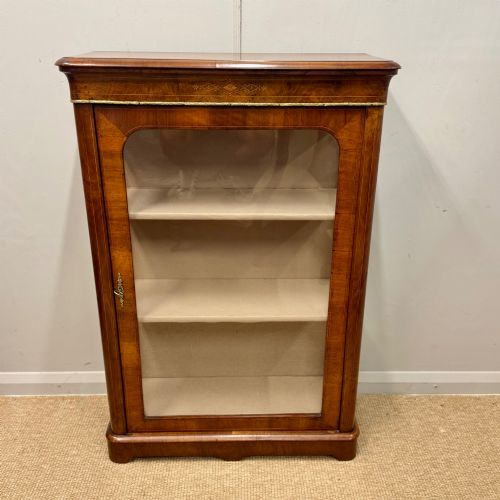
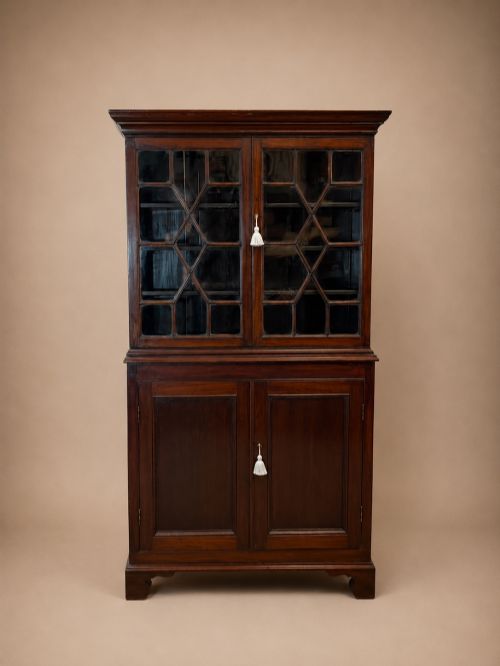
A victorian glass door bookcase bridges the library and the drawing room, taking the form of upright cabinets, multi-door library pieces, and low pier cabinets. The versions most commonly met on this page range from compact walnut display units to large mahogany library bookcases dated between eighteen-fifty and eighteen-eighty.
Makers and regional workshops produced these pieces in varying scales, from grand English country house libraries to Scottish kitchens and Welsh vernacular settings. Alongside formal glazed bookcases, buyers encounter side cabinets, credenzas, and dressers sharing glass-fronted storage.
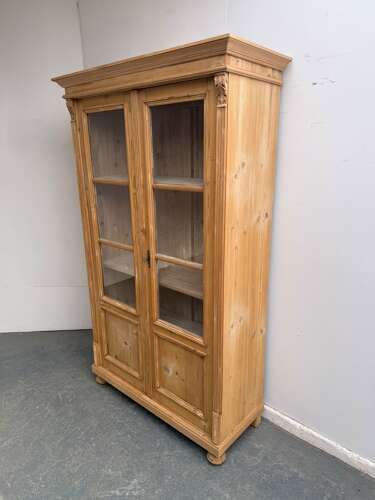
The styles span standard Victorian production, Sheraton and Chippendale revivals, and regional vernacular pieces. Construction encompasses formal architectural proportions alongside simpler pine knockdown cupboards meant for functional domestic use.
How they were made
Cabinet makers utilised dense hardwoods such as mahogany and walnut, frequently applying burr walnut veneers, satinwood, and elaborate inlay in ebony, rosewood, and brass. Pine served for regional vernacular dressers and utility cupboards, often left for waxing or painting.
Glazing techniques employed single panes or astragal bars to secure glass panels within timber doors. Brass mounts, ormolu details, and velvet linings completed the interior presentation of high-status display cabinets and pier furniture.
Several pine cupboards arrive ready for a coat of paint, preserving their chameleon domestic history.
What varies in quality
The distinction between ordinary and exceptional pieces rests upon timber selection and veneer choice. Figure and grain in figured mahogany, burr walnut, and satinwood elevate the visual weight of a cabinet, whereas plain secondary timbers occupy the utilitarian end of the scale.
Refinement of detail marks the upper tier of production, visible in delicate stringing, precise brass inlay, and well-proportioned astragal glazing bars. Structural integrity relies on original cabinet work rather than later adaptation.
Edwards & Roberts
The Victorian Glass Door Bookcase Glossary
- Astragal
- Moulding profiles used to hold glass panes within a door frame. They divide large openings into smaller geometric lights.
- Pier cabinet
- A low freestanding display cabinet designed to sit against a wall space between windows. These pieces frequently feature burr walnut veneers and glass doors.
- Credenza
- A low sideboard or cabinet originating in the nineteenth century for the display of plate and books. Examples in burr walnut often include glazed side compartments.
- Secretaire
- A cabinet incorporating a pull-down writing drawer with fitted pigeonholes above glazed bookcase sections. It combines desk functionality with storage.
Victorian Glass Door Bookcase: Frequently Asked Questions
What is a pier cabinet?
A pier cabinet is a low Victorian display piece built to stand against the narrow wall space between windows. They typically feature single glazed doors and decorative wood veneers.
These cabinets served to display porcelain and small volumes rather than hold large working libraries. Their compact proportions suit smaller reception rooms.
How do I date a Victorian bookcase?
Dating relies on timber choices, revival styles, and construction markers recorded across the nineteenth century. Pieces from eighteen-fifty often display dense figured mahogany and simpler architectural lines.
Later examples from eighteen-eighty frequently introduce satinwood, delicate stringing, and revival influences like Sheraton or Chippendale motifs. Regional pine pieces follow vernacular traditions rather than strict chronological style shifts.
What woods were used?
Cabinet makers relied primarily on mahogany and walnut for formal domestic furniture. Burr walnut veneers and satinwood provided decorative surfaces for high-status drawing room pieces.
Regional workshops utilised oak, ash, and pine for vernacular kitchen dressers and utility bookcases. Exotic woods like ebony and rosewood appeared as contrasting inlay details.
Are shelves adjustable?
Many nineteenth-century glazed bookcases and cabinets incorporate adjustable shelving systems to accommodate varying book sizes. This flexibility allowed libraries to adapt as collections changed.
Simpler vernacular cupboards and older vernacular dressers sometimes feature fixed timber shelving. Inspection of the interior uprights reveals the presence of support ratchets or peg holes.