


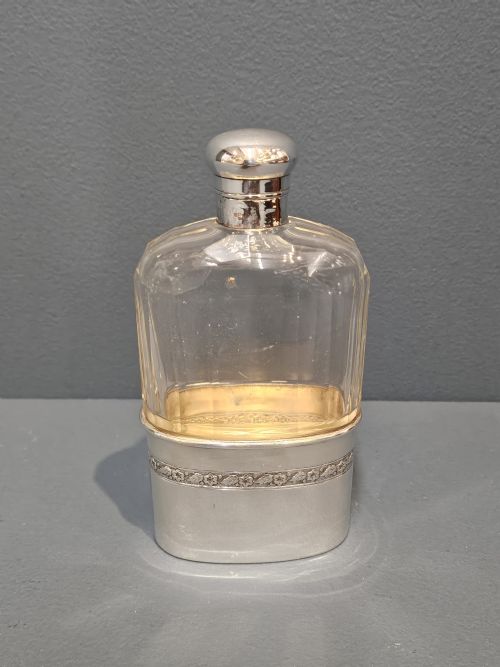


Victorian Glass Decanter Flask
These Victorian glass decanter flask examples combine practical barware utility with period craftsmanship, offering collectors tactile pieces of 19th-century serving history.
Victorian Glass Decanter Flask
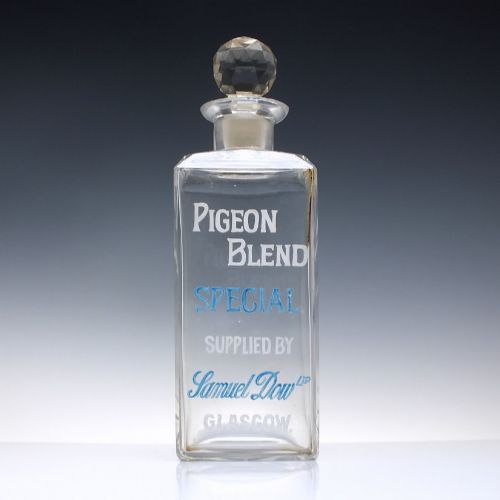
A victorian glass decanter flask bridges the gap between domestic dining service and portable spirit containers, appearing in varied iterations from heavy table decanters to leather-cased travel sets. The pieces you encounter span standard serving bottles to specialised vessels labelled for specific spirits like whisky.
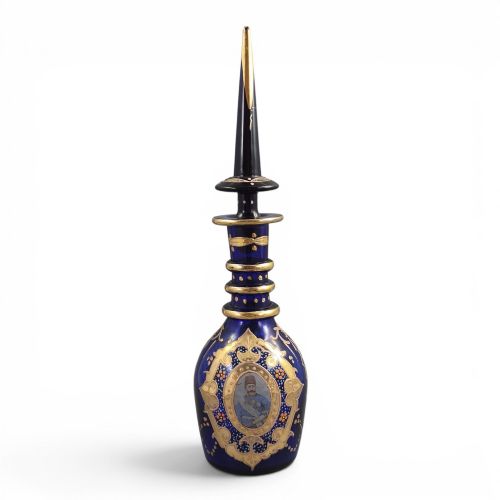
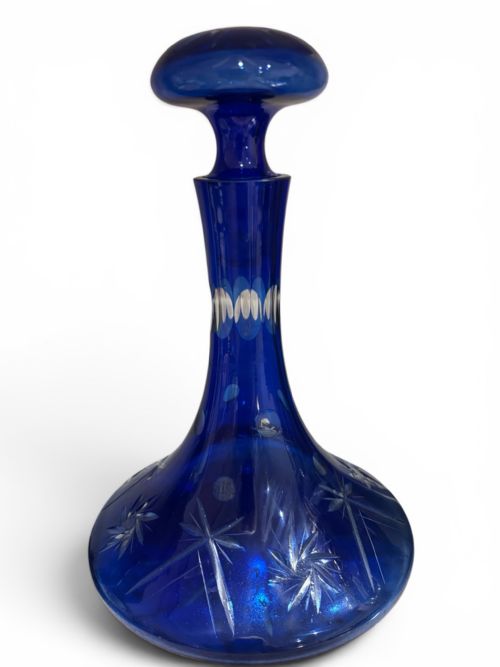
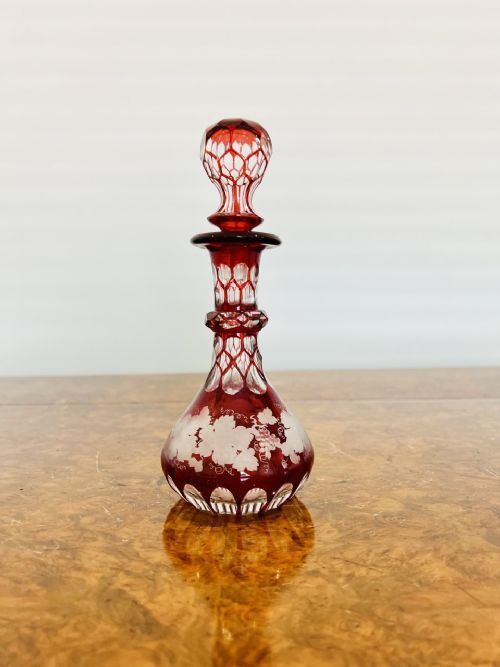
The material range on this page draws heavily from Victorian and Edwardian periods, supplemented by 19th-century Bohemian output designed for export markets. Collectors frequently find clear cut crystal alongside vibrant coloured glass, including deep cobalt and cranberry hues.
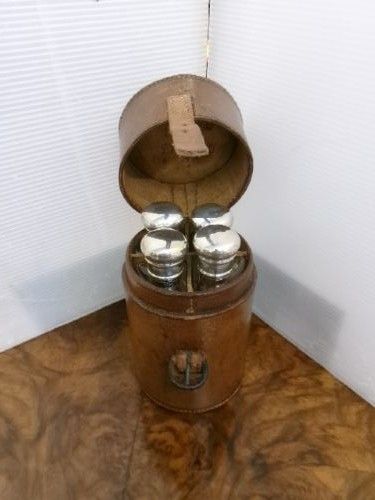
Forms extend beyond standard stoppered bottles into figural animal shapes, hip flasks with silver mounts, and matched sets housed within fitted leather cases. These objects reflect the changing social habits of the nineteenth century, catering to both sideboard display and personal transport.
Materials and construction
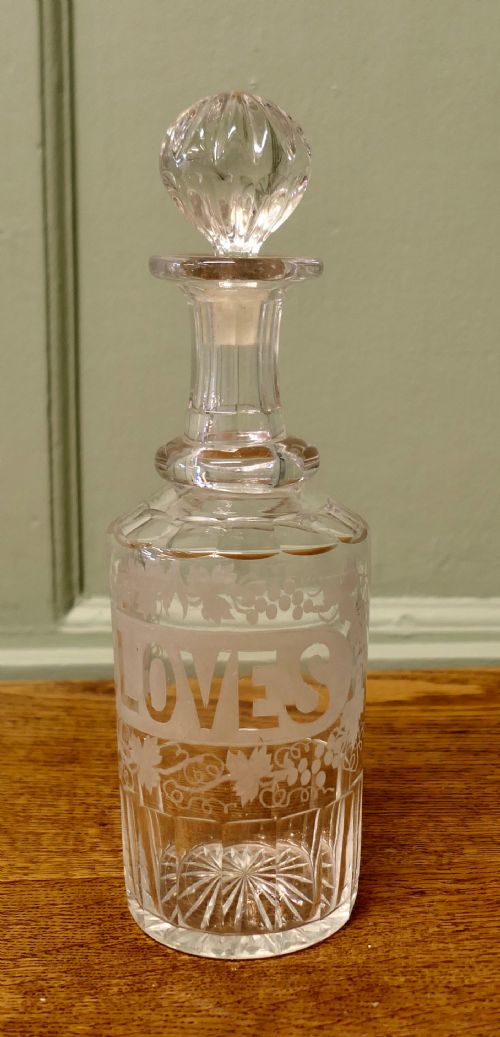
Makers utilised clear glass, cut crystal, and coloured glass as the primary bodies, often shaping them through free-blowing or mould-blowing techniques. Heavy cutting created deep facets that catch the light, while alternative examples rely on smooth surfaces painted with intricate enamel work.
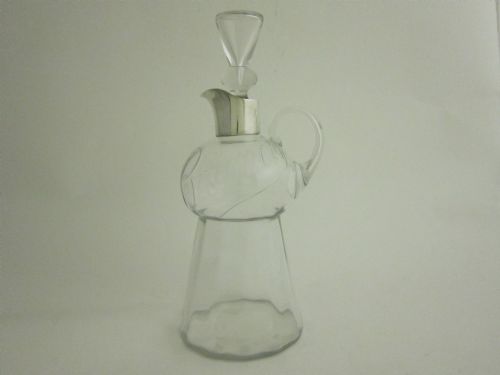
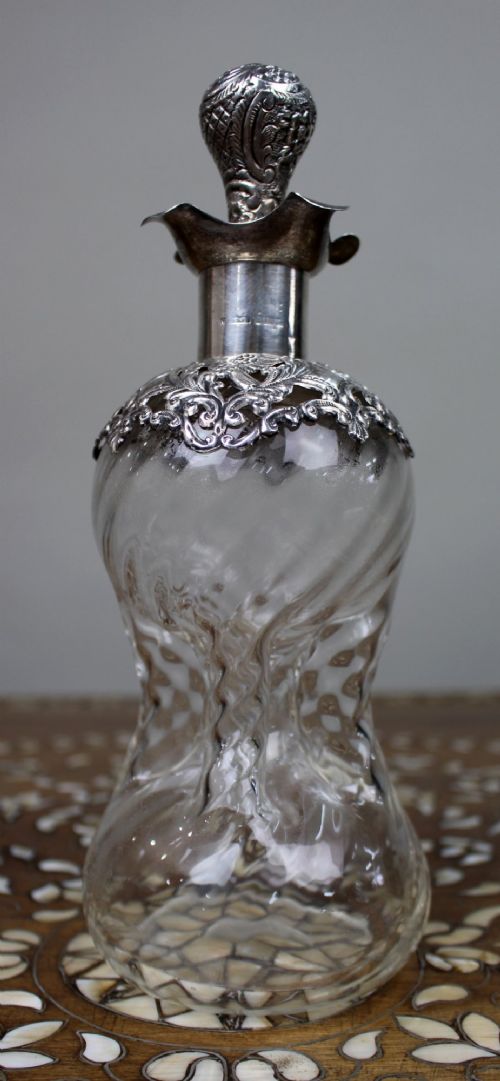
Metal components added structural integrity and functional security, predominantly utilising sterling silver mounts, collars, and hinged tops assayed in Birmingham and London. Leather casework provided protective housing for multi-flask sets intended for travel.
Surface ornamentation varied from acid-etched lettering and floral motifs to Mary Gregory style enamel painting depicting figures. Bronze casing also appears on specialised ecclesiastical or travel vessels from the period.
Keep an eye out for the glass decanter shaped like a dog, proving Victorians loved their pets in crystal form.
Assessing quality and execution
The calibre of a victorian glass decanter flask rests heavily on the crispness of the glass cutting and the weight of the crystal body. Superior examples demonstrate precise faceting, heavy lead crystal construction, and well-balanced proportions without optical distortion.
Metalwork integration dictates upper-tier status, where hallmarked solid silver mounts fit snugly against the glass neck and retain original matching stoppers or caps. Finer decorative pieces feature hand-applied enamel work with distinct pigment saturation rather than faded surface pigment.
The Victorian Glass Decanter Flask Glossary
- Decanter
- A vessel used for holding and serving liquids, typically wine or spirits, fitted with a stopper. These range from heavy table specimens to portable spirit flasks.
- Cut crystal
- Glass containing lead oxide that increases brilliance and weight, shaped using abrasive wheels to cut geometric patterns. This technique yields sharp facets that refract light.
- Sterling silver mount
- A collar, neckband, or hinged lid fashioned from silver of high purity fitted to the glass opening. These mounts often bear hallmarks indicating the assay office and year of manufacture.
- Mary Gregory glass
- Victorian glassware decorated with silhouette enamel painting, usually in white, depicting children in natural settings. The technique is associated with green and cranberry coloured glass bodies.
- Bohemian export
- Glassware produced in the Bohemia region specifically for foreign markets such as the Persian Qajar sphere. These pieces frequently combine vibrant cobalt glass with heavy gilding and enamel work.
Victorian Glass Decanter Flask: Frequently Asked Questions
What is a spirit flask?
A spirit flask is a small, portable container designed to hold liquor for personal consumption while travelling or outdoors. They often featured secure metal screw caps and curved bodies to fit comfortably against a pocket or inside a leather case.
On this page, you will find these flasks paired with silver mounts and occasionally grouped into sets within fitted leather carriers. Their construction prioritised durability alongside aesthetic appeal.
How do I identify Bohemian glass?
Bohemian glass from the nineteenth century is typically recognised through its vibrant colour palette, such as deep cobalt blue or rich cranberry, combined with elaborate enamel painting or heavy gilding. Much of this output was tailored for international export markets, including Persia.
The region was renowned for skilled cutting and ornamentation techniques that differed from standard English domestic production. Pieces often display distinctive decorative motifs inspired by cross-cultural trade.
Were these flasks used for travel?
Yes, many of these vessels were engineered specifically for mobility, evidenced by secure silver-gilt lids and fitted leather travel cases housing multiple bottles. They allowed Victorian travellers to carry their preferred spirits discreetly and securely.
Survival rates for cased sets indicate they were valued possessions meant to withstand the rigours of nineteenth-century transit. The leather cases protected the fragile glass interiors from impact.
What does a silver hallmark tell me?
A silver hallmark stamped onto the mount provides official confirmation of the metal's standard, the assay office where it was tested, and a date letter indicating the exact year of manufacture. Cities like Birmingham and London feature prominently on these pieces.
These marks offer a reliable anchor for dating the entire object when the glass itself lacks a maker's signature. They connect the piece to specific smiths and active registry years in the nineteenth century.