



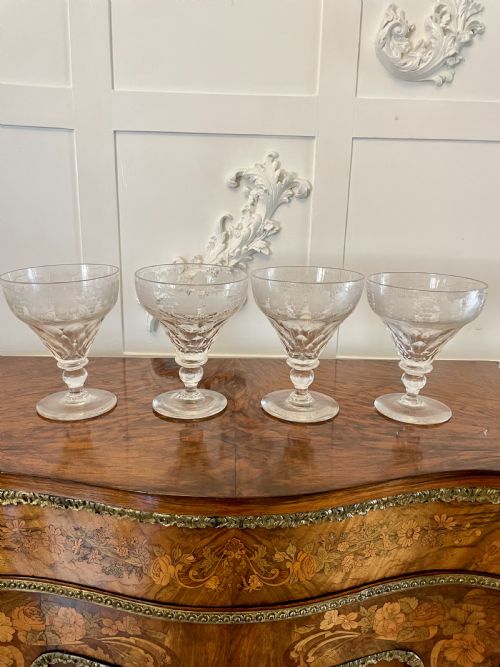
Victorian Glass Coupes
Victorian glass coupes are tactile vessels designed for sparkling wine, bringing genuine period weight and rich optical character to the table.
Victorian Glass Coupes
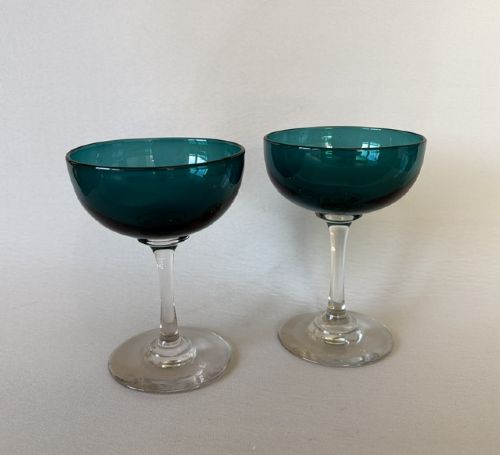
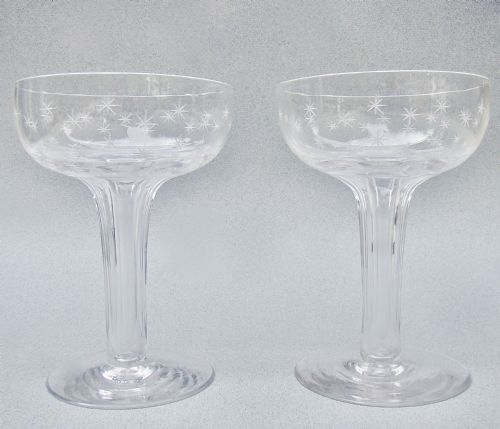
Victorian glass coupes encompass champagne glasses, champagne bowls, and hollow stem vessels intended for formal dining and celebration. These pieces span from the mid-nineteenth century through to the end of the Victorian era, showcasing a variety of robust forms.
The versions most commonly found here are paired sets and larger gatherings of matching glasses rather than single items. English and continental origins appear regularly, ranging from simple cut glass to elaborate coloured overlays.
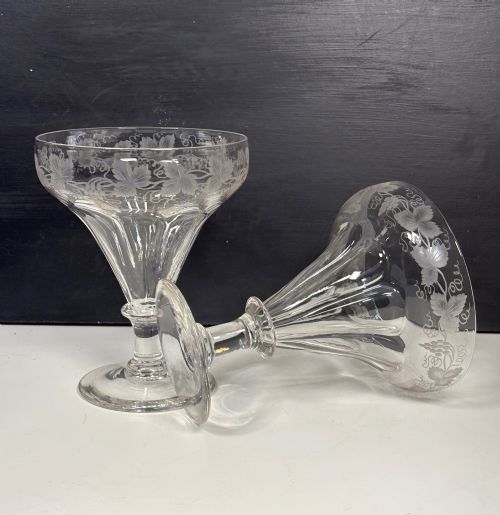
Makers and workshops of the period produced both intimate pairs and extensive dining services suitable for large gatherings. Collectors encounter everything from plain lead crystal to deeply engraved bowls featuring botanical motifs.
How They Were Made
Makers utilised lead crystal and standard glass, applying techniques such as wheel cutting, star-etching, and hand engraving to ornament the surface. The contrast between clear glass and coloured overlays, such as cranberry or red over crystal, required careful thermal manipulation during blowing.
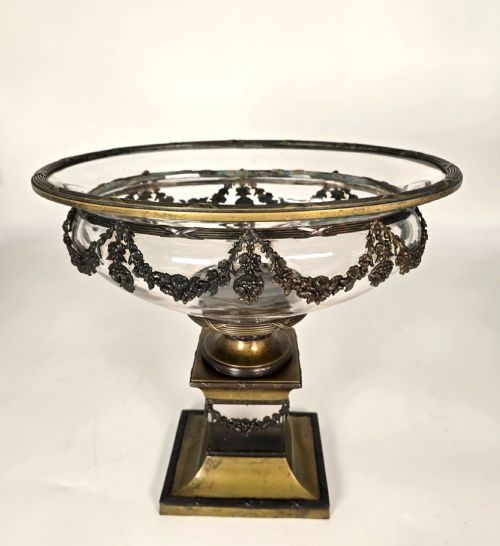
Specialised treatments like gold leaf application, enamel work, and the mounting of bowls in gilt bronze or brass added decorative complexity. Stems were shaped into hollow forms, facet cuts, or textured bark designs before being joined to the foot and bowl.
Victorian Glass Coupes Retail Price Guide 2026
Typical asking prices for victorian glass coupes among the pieces listed under this phrase on Sellingantiques today, from the lower quarter to the upper quarter. They describe what is for sale here now, not the wider market.
Summer garden party services bring a touch of nineteenth-century outdoor hospitality directly to the contemporary dining table.
What Varies in Quality
The depth and clarity of the wheel cutting or engraving separate standard workshop output from exceptional examples. Crispness in the facet cuts along the stem and precision in the floral motifs etched onto the bowl indicate superior handwork.
The consistency of colour saturation within cranberry and red over crystal pieces dictates the visual harmony of a set. Uniformity across larger sets of glasses points to skilled studio production rather than hurried output.
Fritz Heckert
The Victorian Glass Coupes Glossary
- Cranberry glass
- A rich pinkish-red glass produced by adding gold chloride to the molten batch. It gained immense popularity during the nineteenth century for tableware.
- Lead crystal
- Glass containing a significant proportion of lead oxide, which increases brilliance, weight, and the ease of deep cutting. This material rings clearly when struck gently.
- Over crystal
- A technique where a layer of coloured glass is fused over a clear crystal base before being partially cut away. This reveals the clear glass underneath in distinct patterns.
- Star-etched
- A decorative motif wheel-engraved into the glass surface to resemble a multi-pointed star. It frequently appears on mid to late nineteenth-century stemware.
- Hollow stem
- A stem design where the interior channel connects the bowl to the foot. This structural choice alters the weight distribution of the glass.
Victorian Glass Coupes: Frequently Asked Questions
How were Victorian glass coupes used?
These shallow bowls were primarily filled with sparkling wine or champagne during formal Victorian dinners and garden parties. Their wide aperture allowed the bubbles to dissipate quickly, which matched the drinking preferences of the period.
Beyond dining, larger bowls served decorative functions on sideboards or formed part of extensive tableware sets for seasonal entertaining.
Are these glasses suitable for daily use?
Hand washing in warm, soapy water keeps the historic glass and delicate engraving intact. Modern dishwashers subject antique lead crystal to thermal shock and harsh detergents.
Storing them securely on their bases prevents rim chipping. Careful handling ensures these nineteenth-century items survive for future gatherings.
How do I identify a Victorian glass coupe?
Examine the weight and optical clarity of the material, as nineteenth-century lead crystal feels notably heavy in the hand. Pontil marks on the underside of the foot often indicate hand-blown production before mass machine grinding became standard.
Stylistic cues such as heavy facet cutting, cranberry overlays, and botanical hand-engraving point directly to the Victorian period.
Why do some sets look slightly different?
Many surviving sets were produced by hand before strict industrial standardisation, meaning individual glasses display slight variations in height or bowl thickness. Harlequin sets deliberately bring together complementary individual glasses gathered over time.
Such subtle differences confirm the hand-finished nature of nineteenth-century glass manufacturing.