


Victorian Gilt Mantle Glass
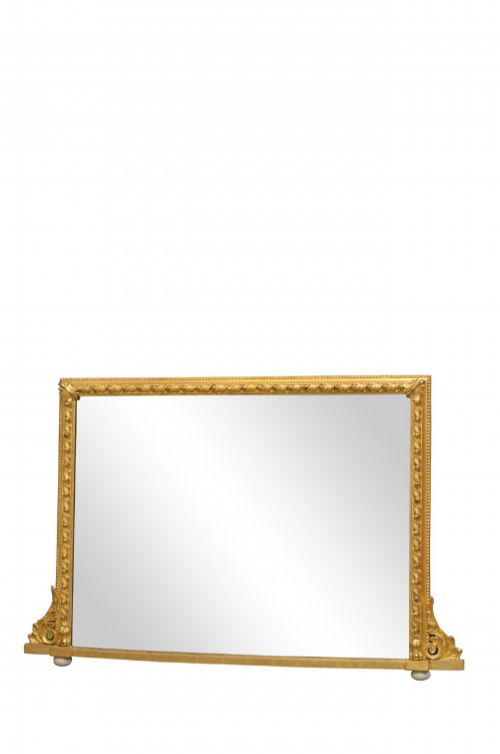
A victorian gilt mantle glass brings height and warmth to a room, reflecting light across heavy frames designed to sit above a fireplace.
Victorian Gilt Mantle Glass
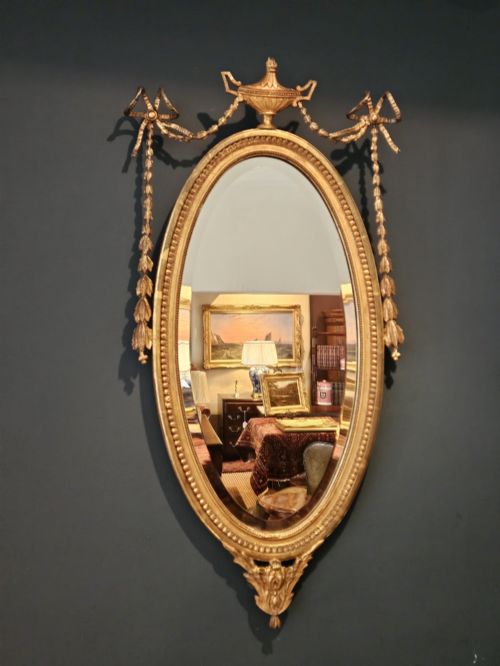
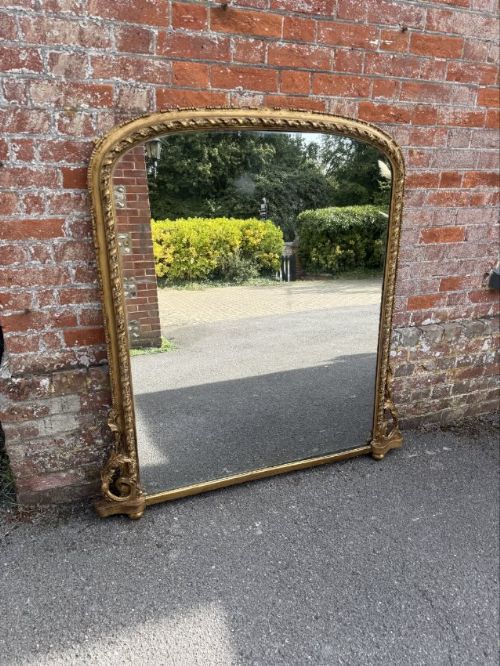
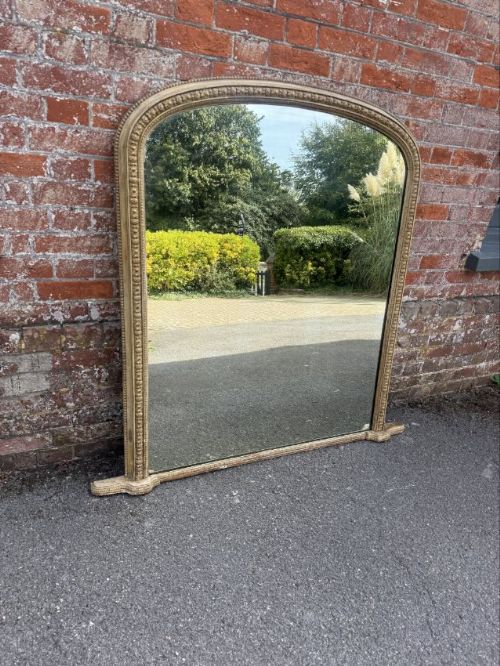
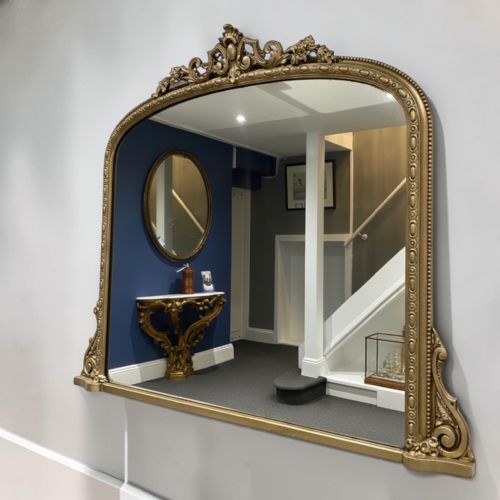
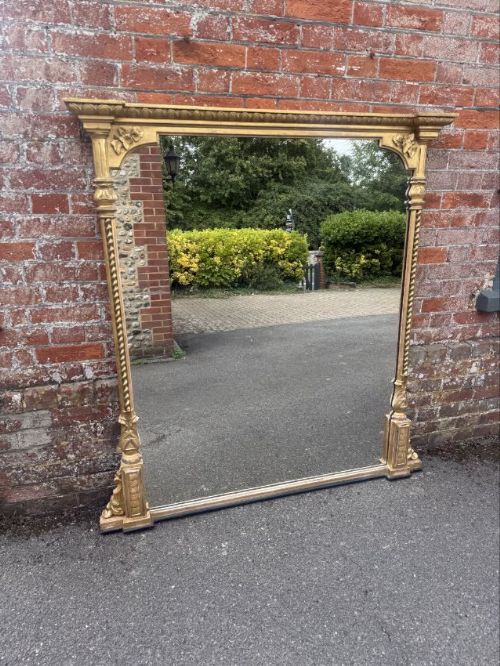
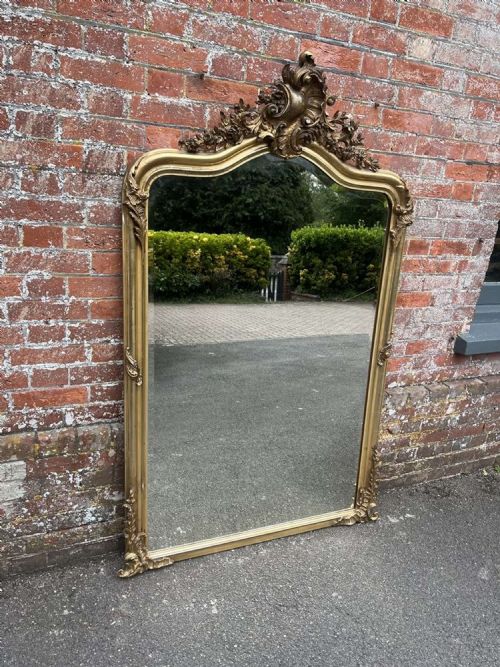
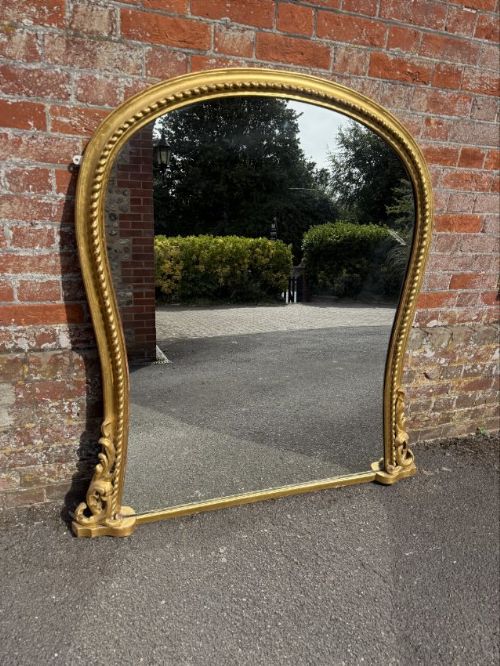
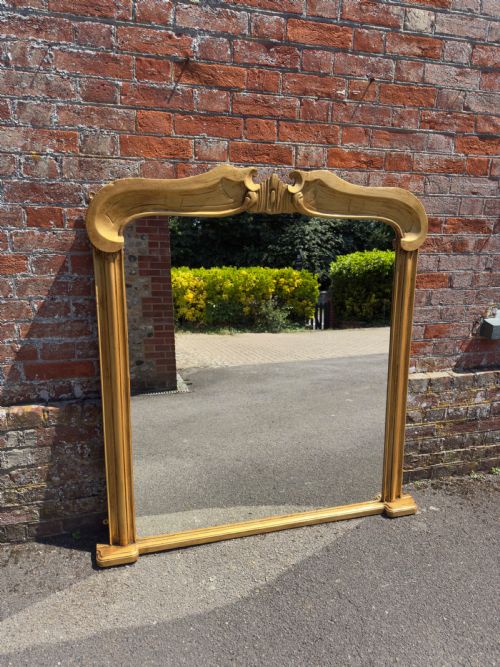
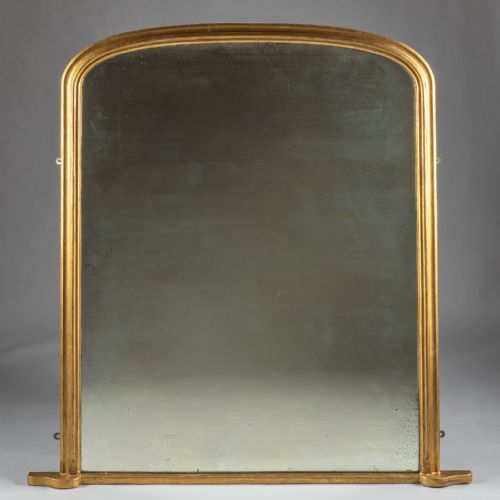
When searching for a victorian gilt mantle glass, collectors encounter large architectural frames designed specifically to anchor the space above a chimney breast. These substantial pieces typically take the form of overmantel mirrors spanning several feet, created to rest securely on a mantle shelf or mount directly to the wall.
The selections available derive largely from the nineteenth century, encompassing English and French regional workshops influenced by Rococo Revival and Regency aesthetics. Pieces display shaped tops, archtops, and rectangular formats embellished with rope twist or ribbed framing.
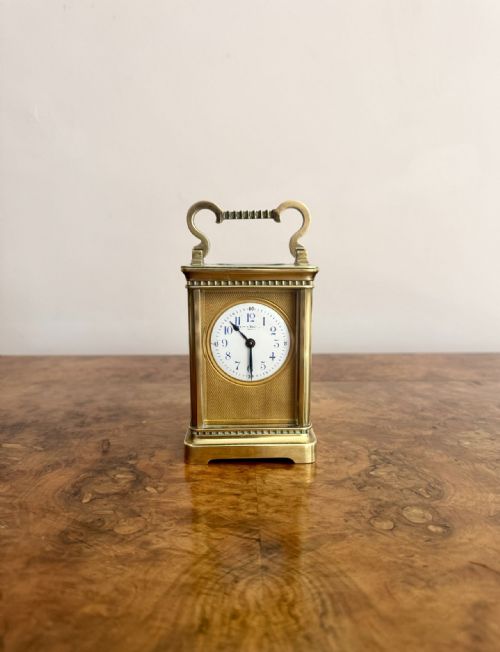
Beyond standard wall mirrors, the category occasionally includes related mantel furniture such as four glass sided bracket clocks and carriage clocks housed in brass cases. The primary focus remains on giltwood and gesso looking glasses intended to dominate a principal reception room.
Materials and Construction
Makers built these frames using carved wood carcasses coated in layers of gesso to build up intricate relief ornaments, floral embossed details, and scrollwork. Gold leaf or parcel gilt was then applied over the prepared surface to create a brilliant reflective finish.
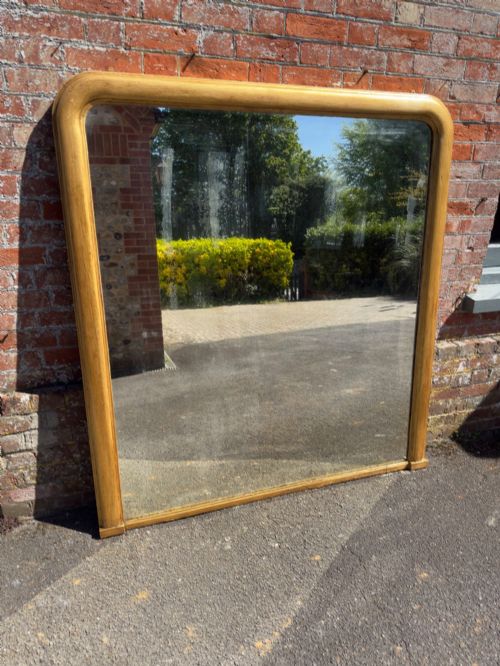
Mirror plates were set into the timber frames, frequently retaining original glass that shows authentic age spots and gentle foxing. Structural support came from robust wooden backs designed to distribute the considerable weight of the glass and heavy frame.
Listings feature 19th-century English and French overmantels constructed from carved wood, gesso, and original glass.
Distinctions in Quality
The distinction between standard production and exceptional work rests on the depth and precision of the carved gesso decoration. Finer examples exhibit crisp, hand-finished rope twist, floral motifs, and scrollwork without the softening of detail often found in lesser press-moulded pieces.
Survival of original elements heavily influences desirability, particularly when frames retain their original mercury glass plates, backboards, and undisturbed gilt surfaces. The harmony of proportions in archtop and shaped top formats separates standard room furnishings from statement pieces.
Ripon
The Victorian Gilt Mantle Glass Glossary
- Gesso
- A plaster-like mixture applied to wood frames to create a smooth surface for gilding and deep relief moulding. It accepts fine tooling before the gold leaf is laid down.
- Giltwood
- Timber that has been coated with gold leaf or liquid gold paint. It provides the signature metallic warmth seen on nineteenth-century looking glasses.
- Overmantel Mirror
- A large mirror specifically proportioned to hang above a fireplace mantel. These pieces traditionally draw light down from windows and amplify the hearth's presence.
- Rococo Revival
- A nineteenth-century design movement favouring asymmetrical curves, naturalistic scrollwork, and floral motifs. This style heavily influenced the sweeping frames of the period.
- Carriage Clock
- A small, portable spring-driven clock designed for travel during the nineteenth century. They often feature brass cases with glass panels revealing the movement inside.
Victorian Gilt Mantle Glass: Frequently Asked Questions
How do I mount a heavy overmantel mirror safely?
These substantial frames require fixing directly into wall studs or masonry using heavy-duty brackets suited to the weight of wood and glass. Many historical pieces were intended to rest partially on the mantel shelf while anchored above to prevent tipping.
Professional installation is recommended for very large archtop and rectangular formats to distribute the load evenly across the wall structure.
Why do some mirror plates look cloudy?
Age causes the silvering behind the glass to oxidise, producing dark spots, minor hazing, and gentle foxing across the surface. This chemical ageing is characteristic of original nineteenth-century mercury and silver-backed glass.
Collectors generally value original glass plates for their authenticity, even when the reflection shows the softening effects of time.
Are these mirrors meant to sit on a mantle?
Traditional overmantels were constructed to stand on the wooden shelf of a fireplace, often secured with wall tethering brackets for stability. Their proportions are balanced specifically to bridge the gap between the hearth and the ceiling.
They function equally well hung independently on a main wall as a primary decorative focal point in a high-ceilinged room.
How do I clean a giltwood frame?
Dust accumulated in the deep relief and gesso moulding should be removed gently using a very soft, dry artist's brush. Moisture and modern chemical cleaners must be avoided entirely, as they strip gold leaf and dissolve the underlying gesso.
Preserving the dry, aged surface protects the delicate metallic finish from flaking or rubbing away over time.