
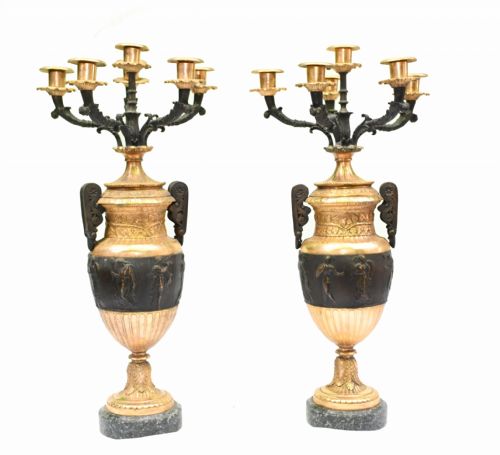


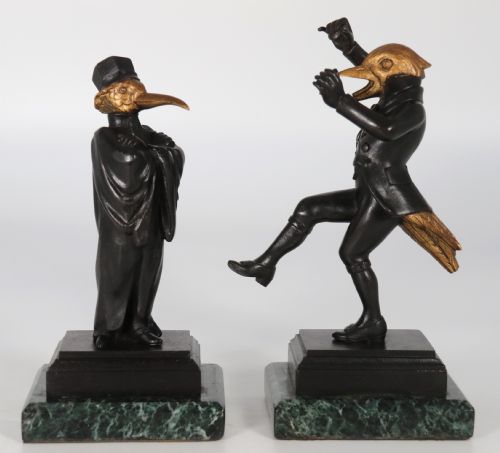


Victorian Gilt Bronze Figure
These pieces capture the enduring metalwork of the nineteenth century, offering striking decorative presence for any interior.
Victorian Gilt Bronze Figure
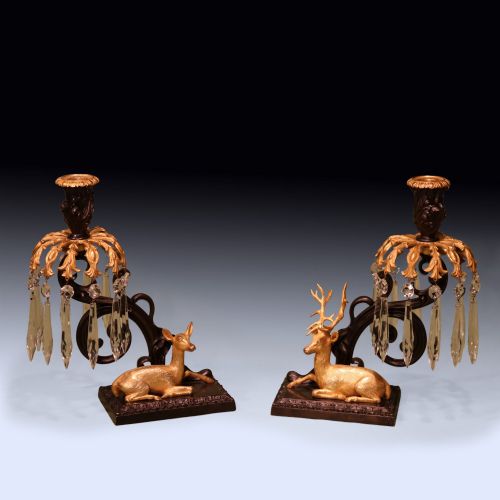
A victorian gilt bronze figure brings together classical subjects, mythological characters, and animal studies cast in alloy and finished with rich gold-toned surfaces. The selections span standalone sculptures, mantel clocks, inkwells, and candelabras produced across the nineteenth century.
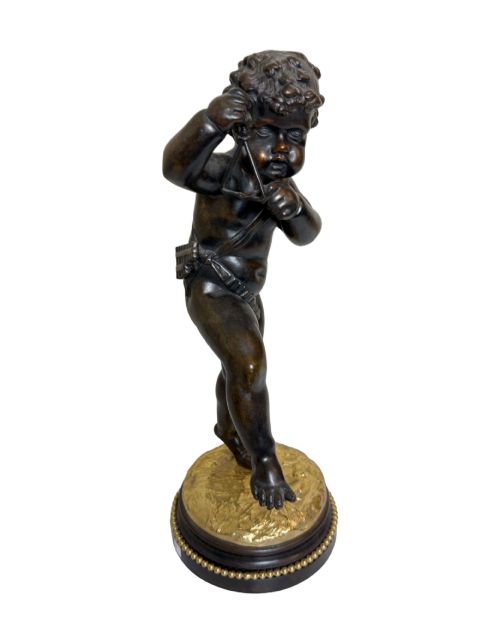
Buyers frequently encounter French mantle clocks, decorative animal groups, and classical figures mounted on marble plinths. The forms vary from theatrical birds and cherubs to grand historical subjects reflecting Neoclassical and Egyptian Revival tastes.
Materials and construction
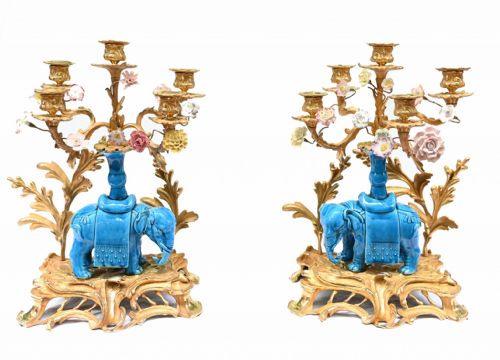
Craftsmen utilised bronze and cast brass, applying mercury gilding or ormolu finishes to create bright metallic sheens across complex surfaces. Many works combine these cast metals with contrasting materials such as marble, onyx, rock crystal, porcelain, and enamel.
The listings feature nineteenth-century objects incorporating marble, onyx, porcelain, and enamel alongside cast bronze.
Assessing quality
The integration of secondary materials, such as heavy marble plinths, malachite inserts, or rock crystal columns, dictates the substantial weight and overall ambition of the piece.
H Risch·Jennings Brothers·Phillipe H. Mourey·Leon Pilet·F Marti·Ernest Rancoulet
The Victorian Gilt Bronze Figure Glossary
- Gilt bronze
- Metal cast into sculptural forms and coated with a layer of gold. This finish protects the underlying alloy and creates a brilliant decorative sheen.
- Ormolu
- Finely ground gold applied in a mercury amalgam to bronze. It yields a distinctive warm yellow lustre typical of French decorative objects.
- Grand Tour
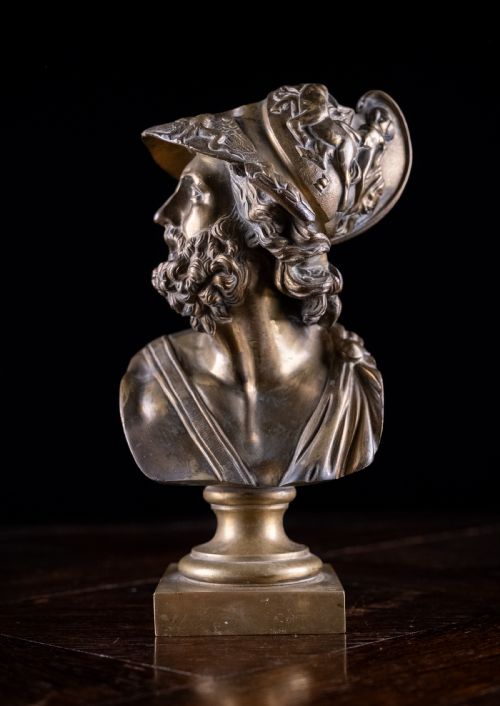
- Souvenirs purchased by travellers in the nineteenth century, frequently replicating classical antiquities in bronze. These pieces celebrated ancient Greek and Roman art.
- Chasing
- The manual tool-work applied to a metal casting to refine textures and lines. It highlights the definition of hair, clothing, and muscle structure.
Victorian Gilt Bronze Figure: Frequently Asked Questions
How do I clean gilt bronze?
Dust gently with a soft dry brush to remove particles without disturbing the metallic surface. Avoid using chemical cleaners or abrasive cloths that can strip the gold finish.
Moisture can harm older ormolu and mixed media mounts, so keep pieces in dry environments away from direct heat sources.
What is the difference between bronze and gilt metal?
Bronze is a durable copper alloy specifically cast for sculptural work and fine detail. Gilt metal generally refers to brass or baser metal substrates treated with a gold-colored surface coating.
Heavier weight and deeper resonance usually indicate solid bronze construction rather than lighter base metals.
Were these figures meant for desks?
Many smaller figures and sculptural groups served specific functional roles as inkstands, desk accessories, or clock garnitures. Other larger statues were designed purely for mantelpieces or pedestal display.
Desk items combined practical ink wells or pen rests with expressive animal or human figures.
How can I date a piece?
Dating relies on stylistic markers such as Neoclassical or Egyptian Revival motifs, combined with the manufacturing techniques visible on the underside. Signature stamps and clock movement types provide further chronological clues.
Nineteenth-century pieces often feature characteristic foundry marks and hand-chased assembly pins.