
Victorian Gilt Brass Clock
These pieces combine heavy metal frames and polished glass to catch the room's light, bringing a distinct nineteenth-century presence to any mantel or desk.
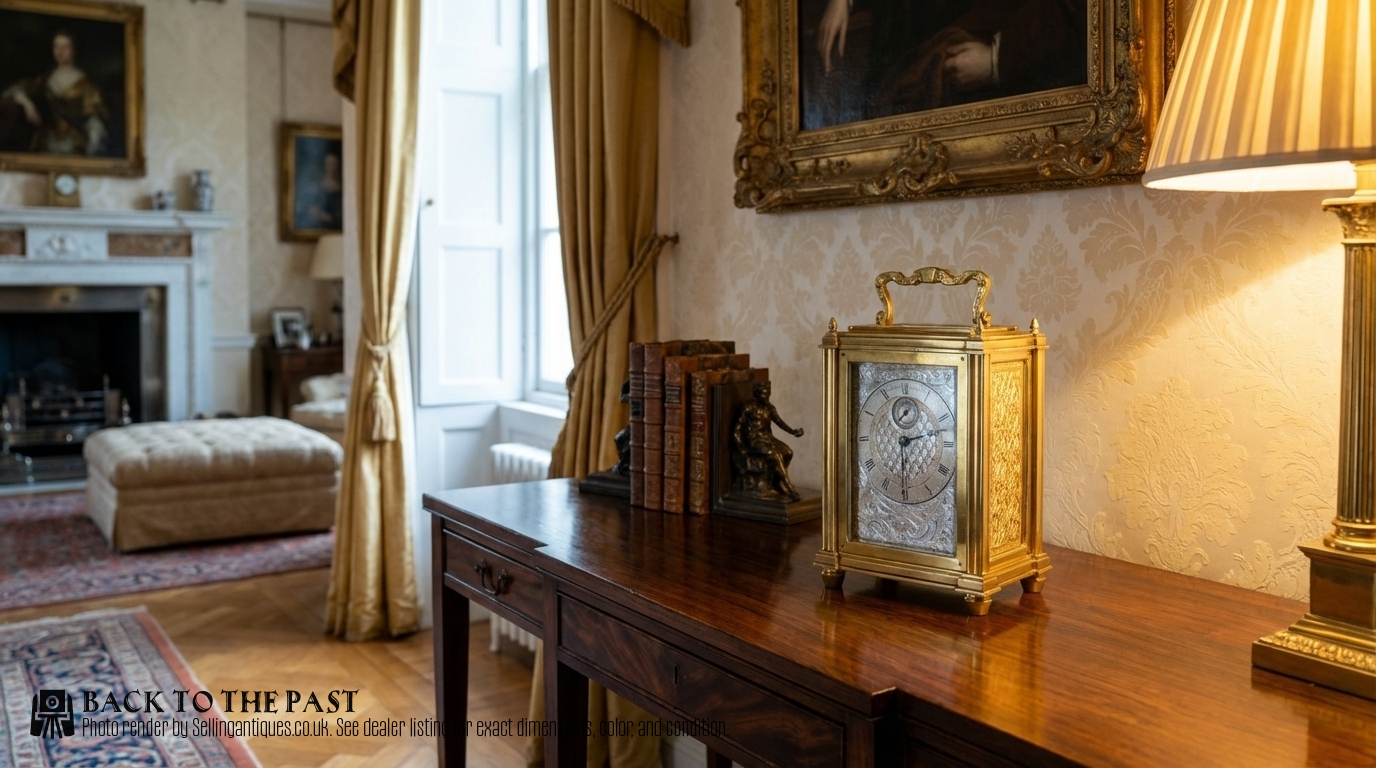
Victorian Gilt Brass Clock
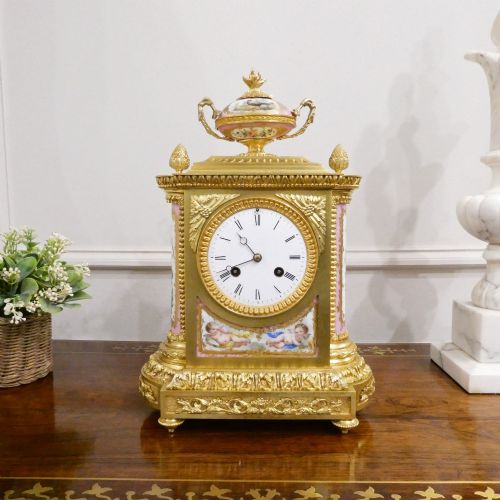
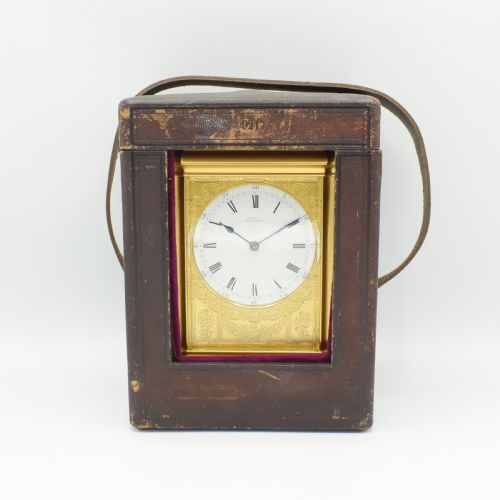
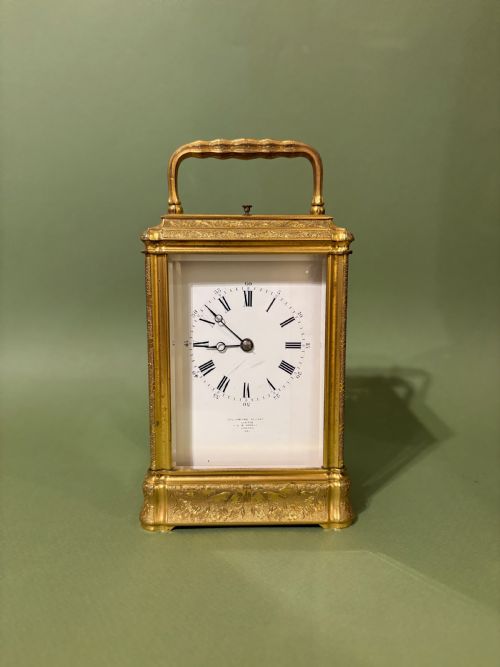
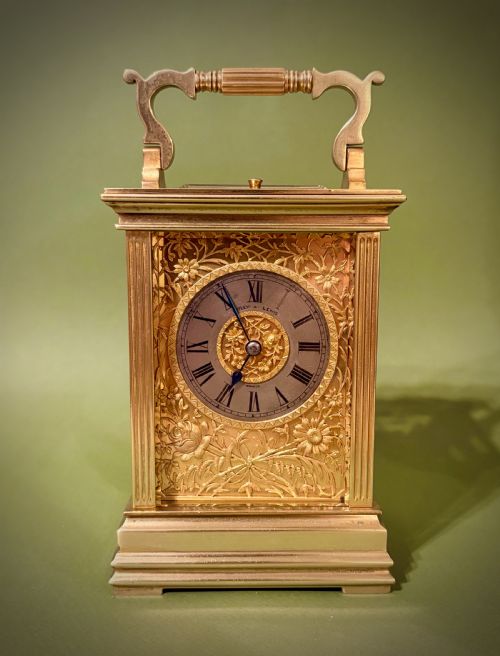
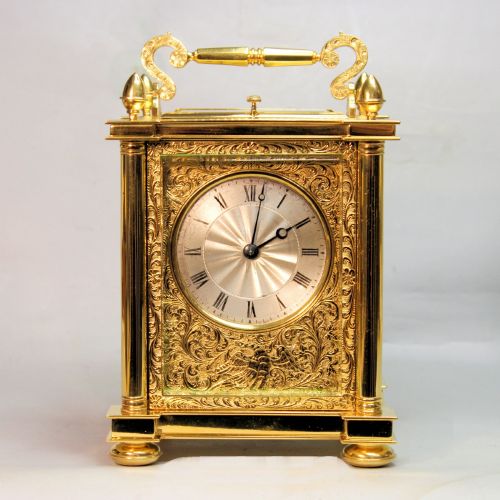
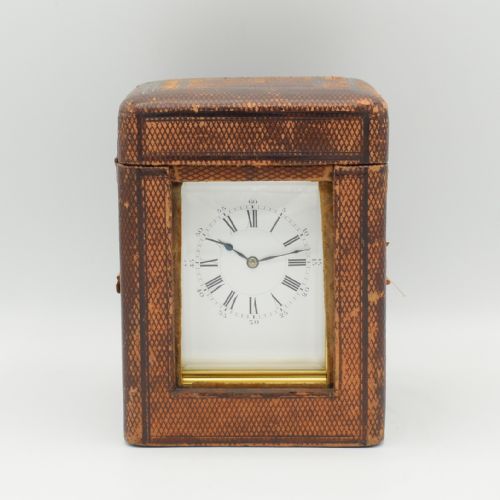
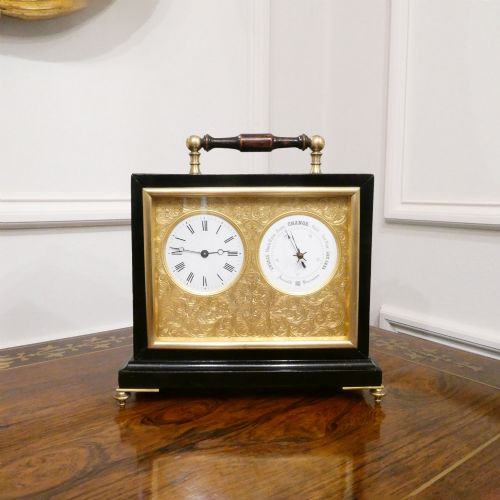
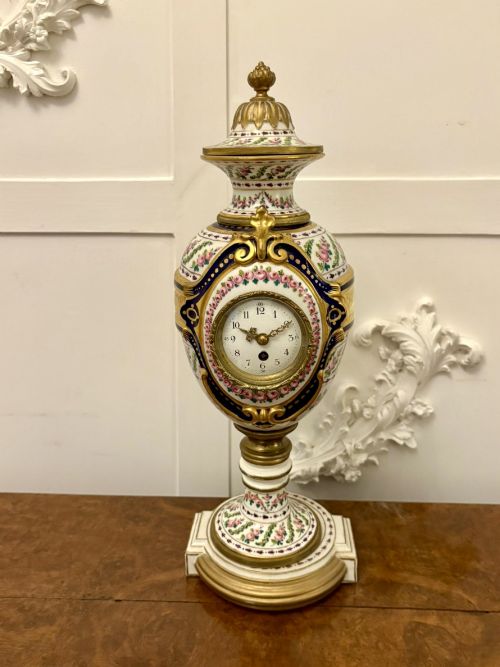
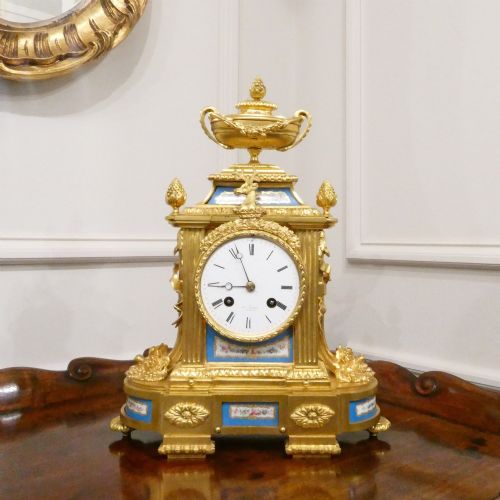
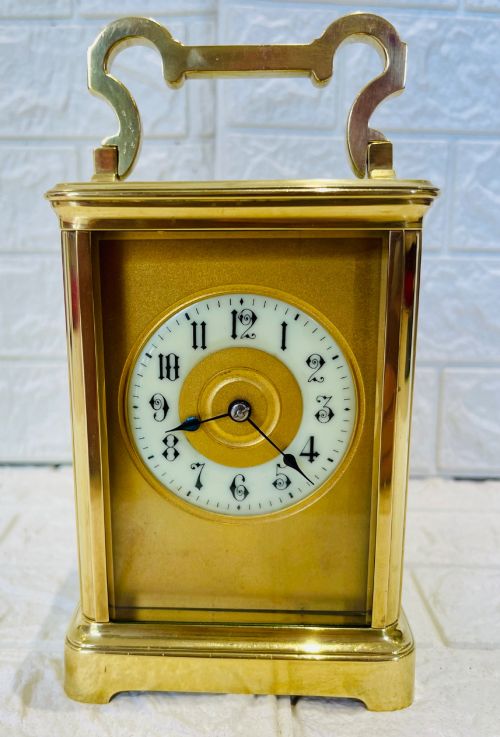
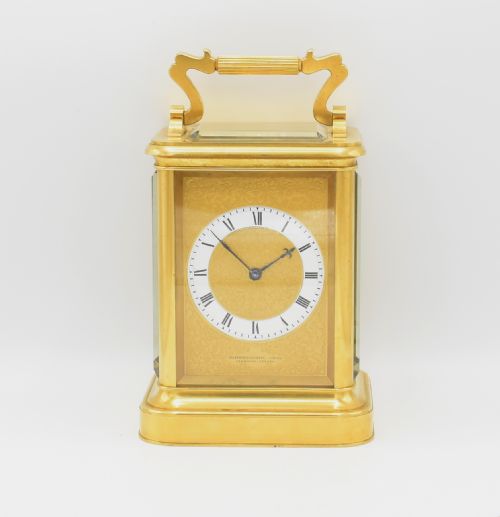
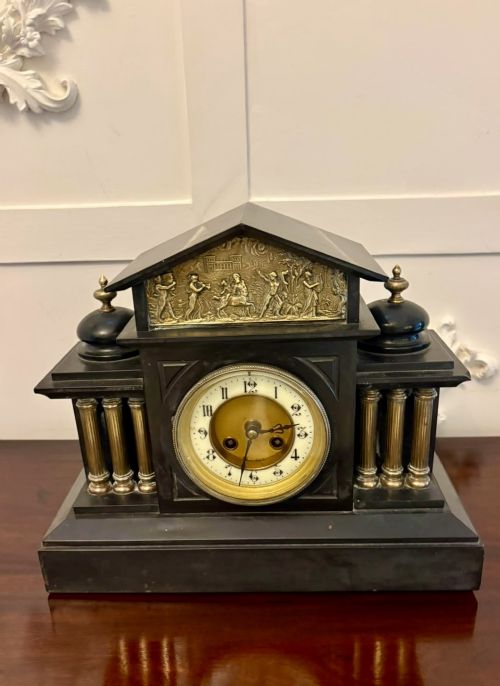
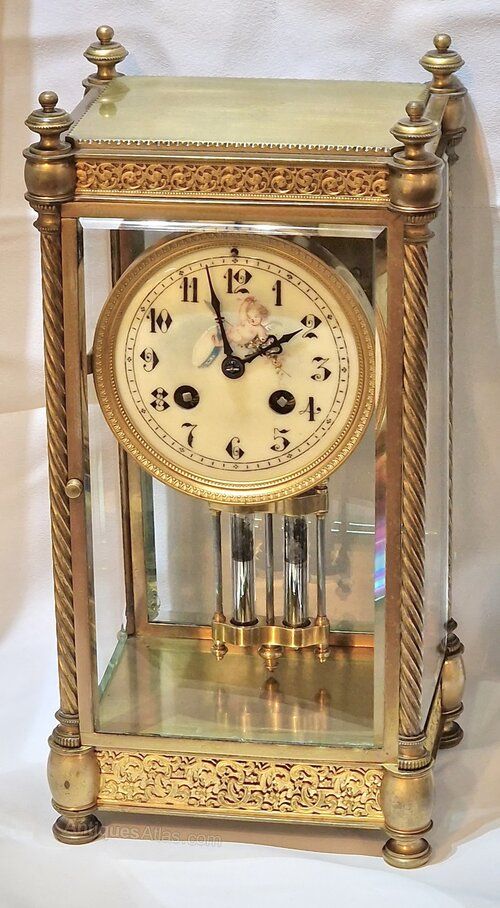
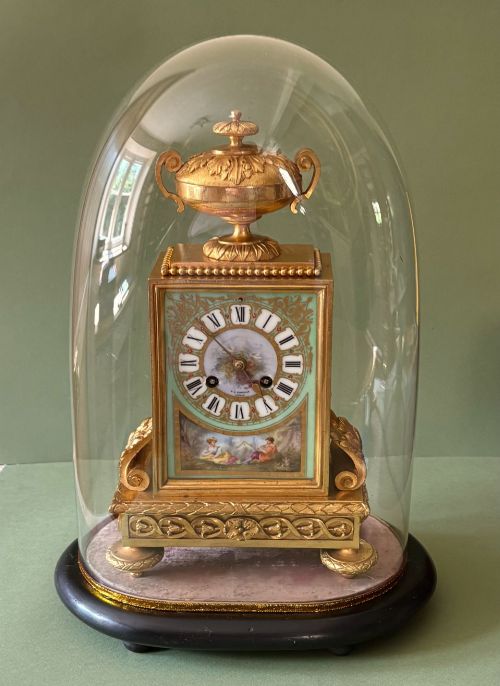
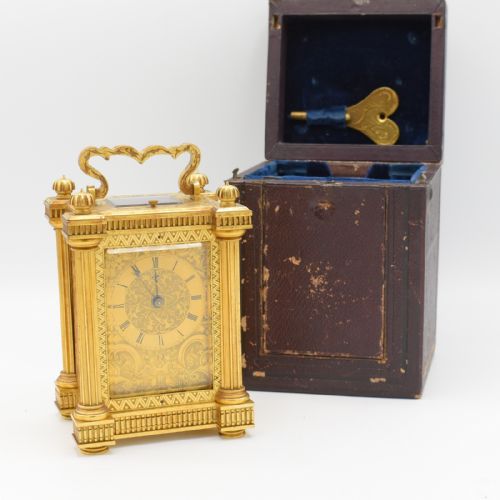
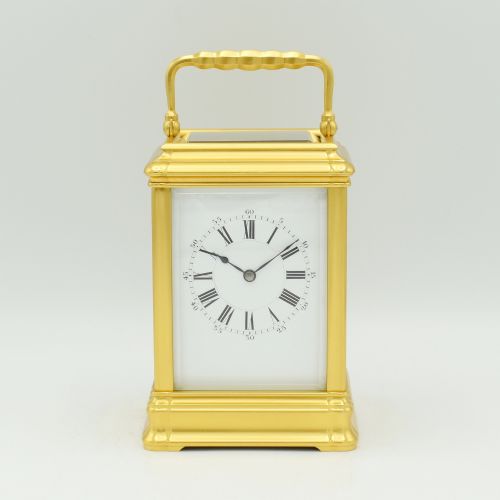
A victorian gilt brass clock is typically encountered as a heavy mantel timepiece or a portable carriage clock produced during the nineteenth century. These objects frequently display French or British origins, taking the form of architectural housings, four glass cases, or ornate garniture sets flanked by matching ornaments.
The materials span polished brass, gilded bronze, and ormolu combined with enamel dials, porcelain panels, and bevelled glass. Makers housed mechanical movements within these decorative metal chassis, producing items designed for both domestic utility and formal display.
Construction and Materials
Workshops formed the structural cases using cast brass or bronze, then applied gold gilding by hand or through mercury amalgamation to achieve a luminous surface finish. Movement plates, gear trains, and escapements required meticulous metalcutting by specialist horologists.
Dials and decorative panels often utilised vitreous enamel fired onto copper plates, or hand-painted porcelain featuring floral motifs and classical scenes. Bevelled glass panels were precision-cut to fit tightly into brass frames, allowing clear views of the internal escapement.
Materials recorded on this page include glass, enamel, brass, gilt bronze, porcelain, ormolu, and leather.
Judgement of Quality
Quality rests primarily on the crispness of the cast brass ornamentation and the depth of the gilding across the metal surface. Heavy, thick-gauge brass frames and fully engraved carriage cases indicate superior workshop standards compared to thinner, stamped metal alternatives.
The complexity of the mechanical movement also determines merit, with repeating mechanisms, multi-train strikes, and signed backplates by noted makers commanding higher regard. Intact enamel dials free from hairline fractures and original matching travel cases preserve the integrity of the piece.
Henri Jacot·Cousens and Whiteside·Henry Marc·Goldsmiths Alliance Ltd·Samuel Marti·Philippes Paris
The Victorian Gilt Brass Clock Glossary
- Gilt brass
- Brass coated with a thin layer of gold leaf or gold wash to provide a rich, permanent metallic shine.
- Carriage clock
- A small, portable spring-driven timepiece fitted with a carrying handle, originally designed for travellers in the nineteenth century.
- Four glass clock
- A mantel clock housed in a brass frame with bevelled glass panels on all four sides, exposing the movement to view.
- Champleve enamel
- A technique where troughs are dug into the metal surface and filled with coloured vitreous enamel before firing and polishing.
- Clock garniture
- A set comprising a central mantel clock accompanied by matching side ornaments such as urns or candelabra.
Victorian Gilt Brass Clock: Frequently Asked Questions
How do I wind a carriage clock?
Insert the matching key into the winding square on the underside or backplate of the movement. Turn the key gently clockwise until firm resistance indicates the mainspring is fully tensioned.
Take care not to overwind the mechanism, as this can strain the internal spring steel. Ensure the clock stands on a completely level surface so the balance wheel beats evenly.
What is a fusee movement?
A fusee is a conical pulley connected to the mainspring by a fine chain or cord. Its purpose is to equalise the declining power of the spring as it unwinds, ensuring the clock maintains consistent timekeeping throughout its run.
This mechanical refinement appears more frequently in British timepieces of the nineteenth century. Winding a fusee model requires steady pressure until the chain reaches its limit.
How should I clean the gilt brass case?
Dust the exterior metalwork regularly using a very soft, dry artist's paintbrush or microfibre cloth. Avoid all liquid polish, abrasive cleaners, or chemical solvents, which will strip away the historical gold gilding.
Preserving the original patina means accepting minor surface dullness accumulated over the decades. Glass panels may be wiped with a damp cloth provided moisture does not enter the movement.
Why does my clock strike the wrong hours?
Many rack-controlled striking mechanisms become out of synchronisation if the hands are moved backwards past the hour. Advance the minute hand slowly forward through the hours, allowing the clock to complete each strike sequence before proceeding.
If the count wheel or rack lever remains misaligned, a professional horologist can adjust the internal gathering pallet. Avoid forcing the hands or tampering with the internal levers.