
Victorian Gilded Mirror Frame
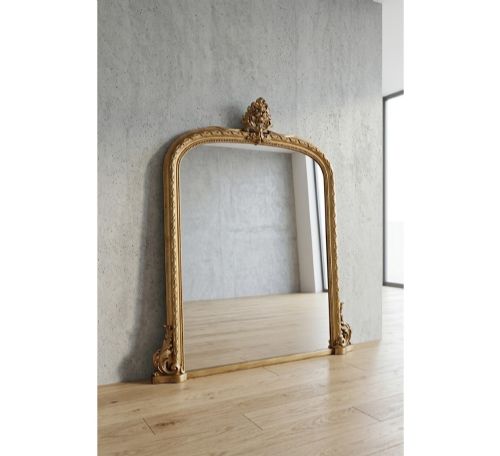
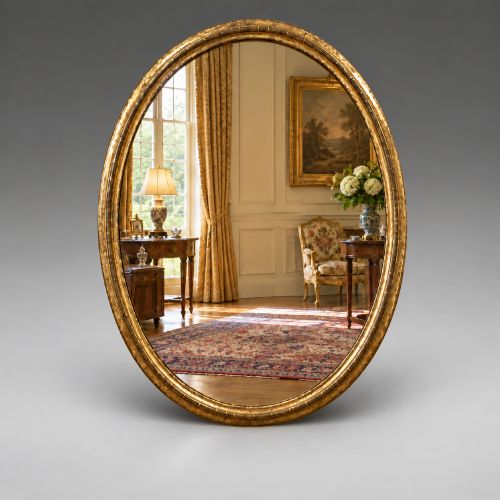
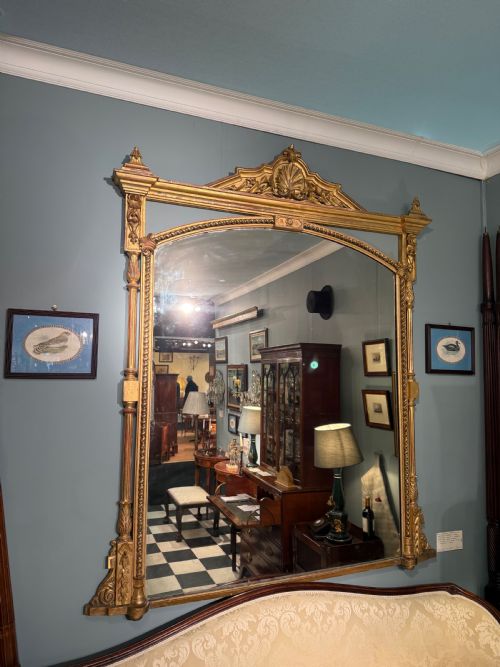
A victorian gilded mirror frame brings warmth and reflection to a room through centuries-old craftsmanship and rich surface detail.
Victorian Gilded Mirror Frame
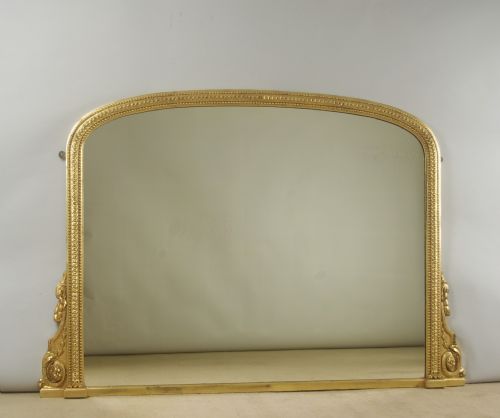
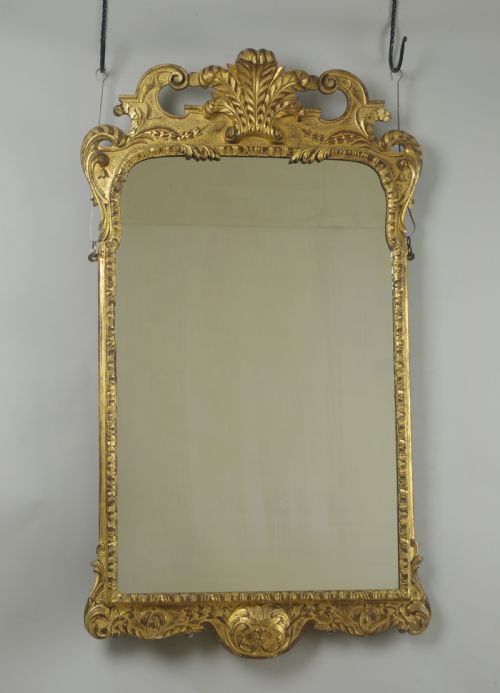
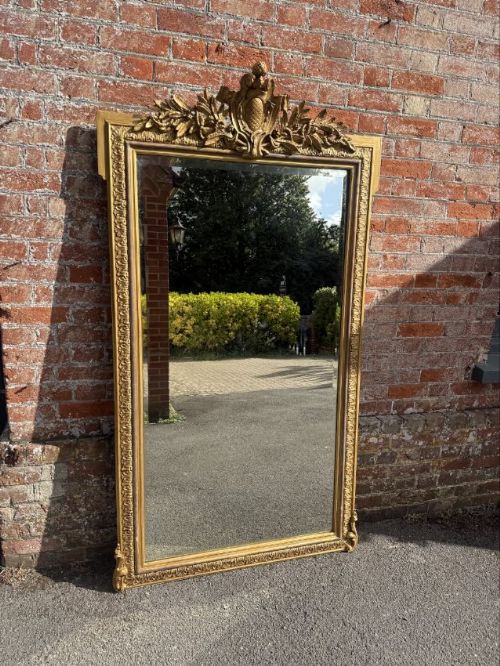
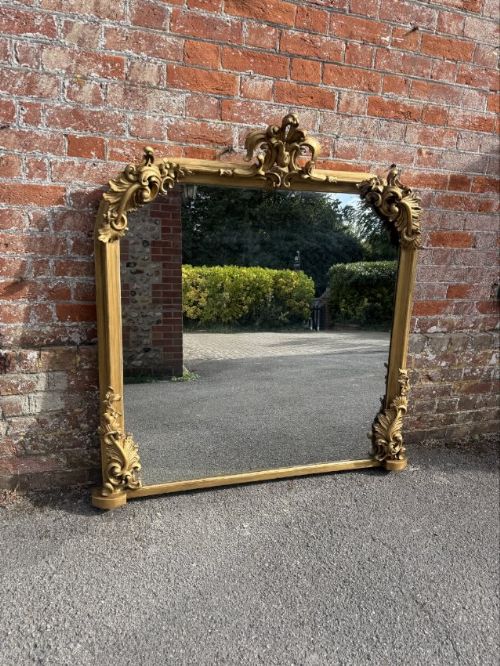
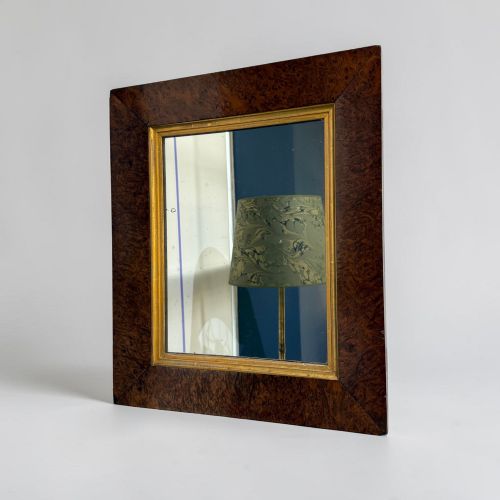
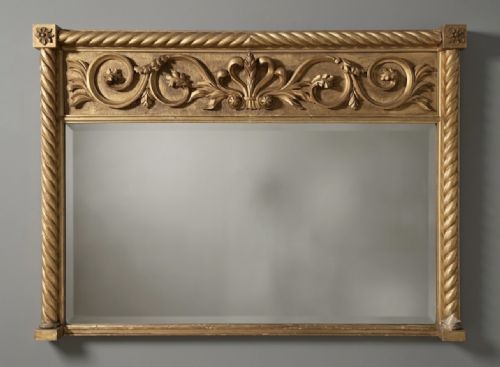
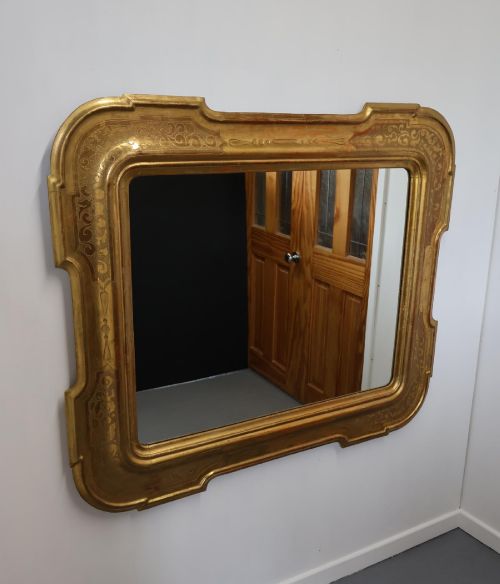
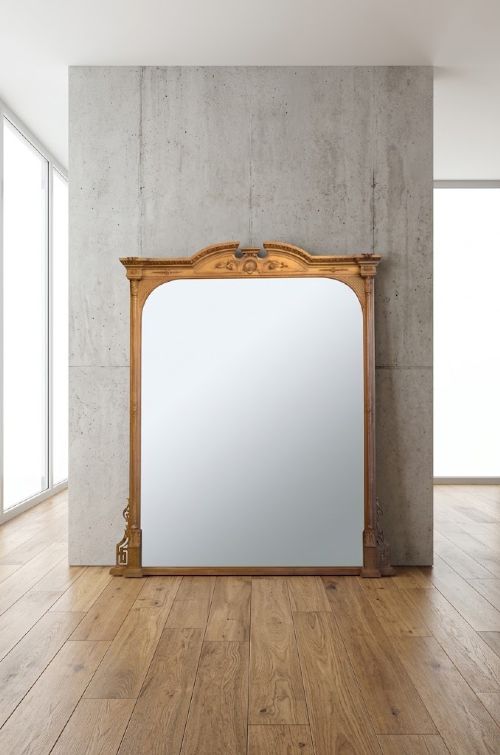
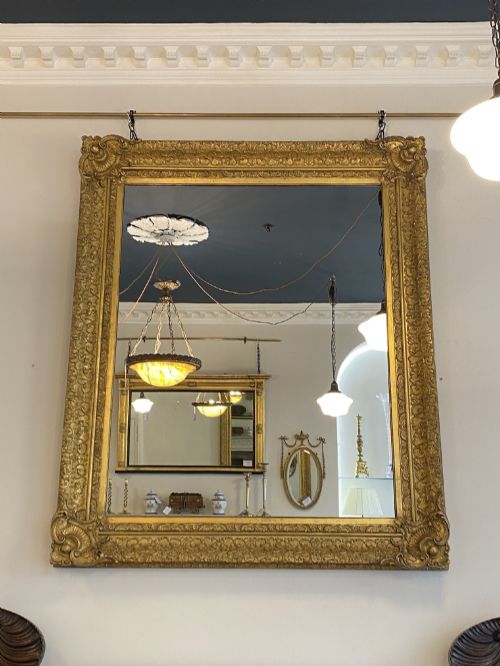
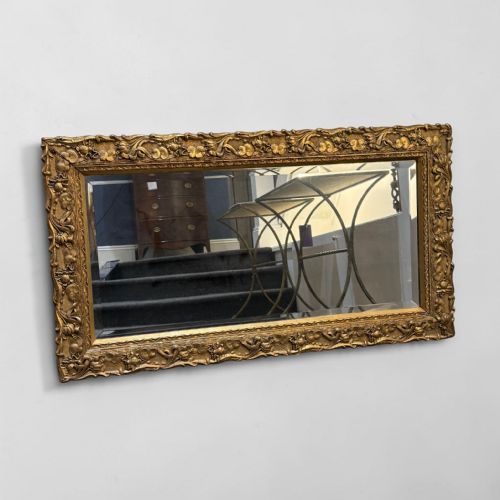
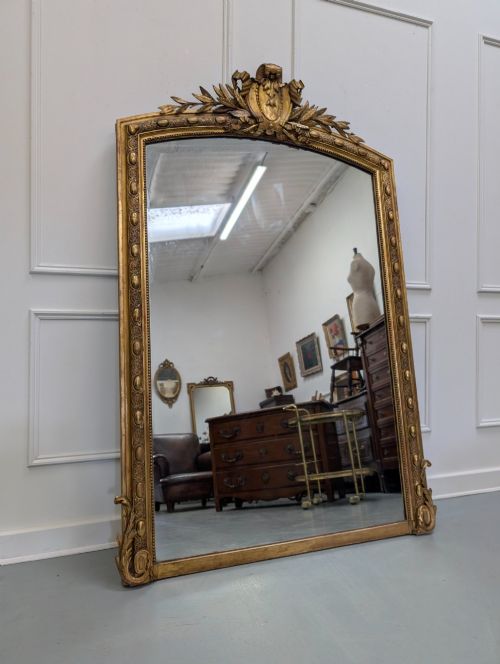
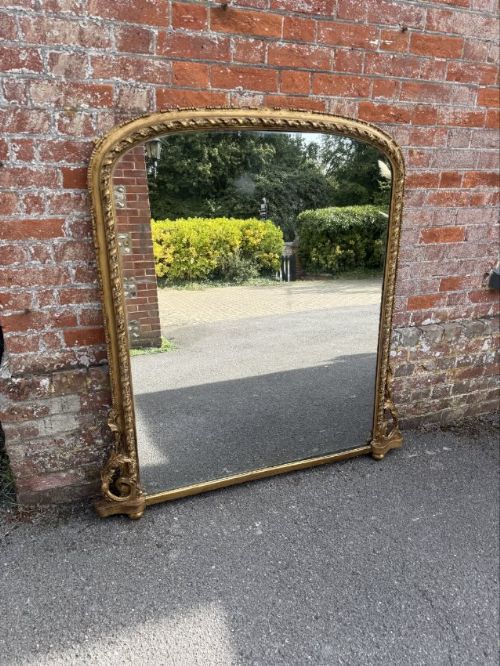
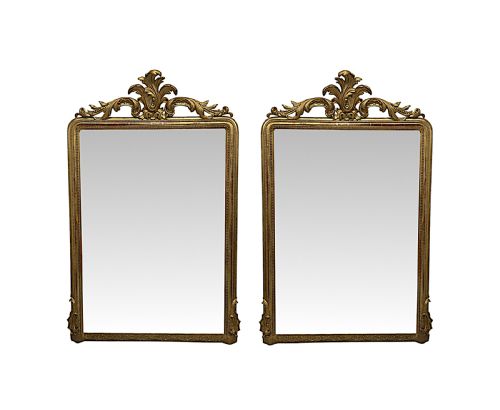
When you search for a victorian gilded mirror frame, you encounter substantial overmantel mirrors, tall pier glasses, and decorative wall pieces designed for nineteenth-century interiors. The most common examples span the decades between eighteen-fifty and nineteen-hundred, frequently displaying arched tops, ornate moulded ornament, and generous proportions intended for domestic display.
Many items derive from English and French workshops, utilising regional decorative preferences such as Rococo Revival curves or Florentine leaf motifs. Formats range from landscape overmantels meant to sit above a fireplace to vertical wall mirrors and decorative picture frames adapted for glass reflection.
Materials and construction methods
Carved wood provides the primary structural carcass for these pieces, often layered with gesso and plaster to build up intricate surface relief before gilding. Artisans applied gold leaf or metallic paint finishes to create the luminous appearance characteristic of the period.
Many mouldings combine solid timber with composition ornament moulded from putty and pressed into shape while pliable. Mirror plates include both bevelled glass and older sheets showing natural foxing and age spots.
Current listings feature pieces spanning the period from eighteen-fifty to nineteen-hundred, utilising giltwood, gesso, composition, and mirror glass.
Factors of quality and execution
The distinction between ordinary production and superior work lies in the depth and sharpness of the hand-carved or moulded ornament. Crisp acanthus leaves, clean ribbing, and well-preserved gilding indicate careful workshop execution.
Structural integrity of the wooden joints and the original condition of the gesso layer heavily influence the character of each piece. Surviving frames retain their weight and rigidity despite decades of hanging.
The Victorian Gilded Mirror Frame Glossary
- Gesso
- A plaster-like mixture applied to wooden frames as a smooth base for gilding. It allows artisans to impress intricate decorative details before applying gold leaf.
- Giltwood
- Timber that has been coated with gold leaf or metallic powder. This technique protects the underlying wood while providing a brilliant reflective surface.
- Overmantel mirror
- A large horizontal looking glass designed specifically to hang above a fireplace mantelpiece. These pieces frequently anchor the decorative scheme of a Victorian parlour.
- Pier glass
- A tall, narrow mirror created to hang on the wall space between windows. They often match console tables and amplify natural light within a room.
- Composition
- A moulded mixture of whiting, resin, and oil pressed into wooden moulds to form decorative reliefs. It offered a cost-effective alternative to deep hand carving.
Victorian Gilded Mirror Frame: Frequently Asked Questions
What causes foxing on old mirror glass?
Foxing appears as dark spots or cloudy patches where the silver backing behind the glass has oxidised over time. Moisture and atmospheric exposure gradually break down the reflective coating.
Many collectors value this natural ageing process as proof of genuine nineteenth-century origin.
How do I clean a gilded frame safely?
Dust the carved surfaces gently with a soft, dry brush to prevent abrasive particles from damaging the delicate gold leaf. Avoid liquid cleaners and chemical solvents entirely.
Moisture can soften the underlying gesso and cause the historic metallic finish to flake away from the wood.
Are these frames made of solid gold?
The metallic finish consists of extremely thin gold leaf applied over a prepared gesso and bole ground. Solid gold would be prohibitively heavy and expensive for architectural wall furnishings.
Wood and composition form the structural core beneath the gilded surface.