
Victorian Garden Seating
Victorian garden seating brings nineteenth-century ironwork and timber into the open air, offering durable outdoor benches and chairs designed to weather the seasons in style.
Victorian Garden Seating
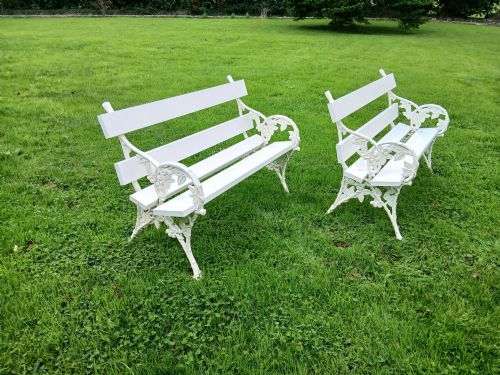
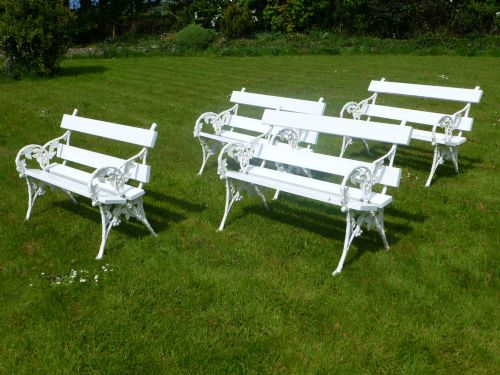
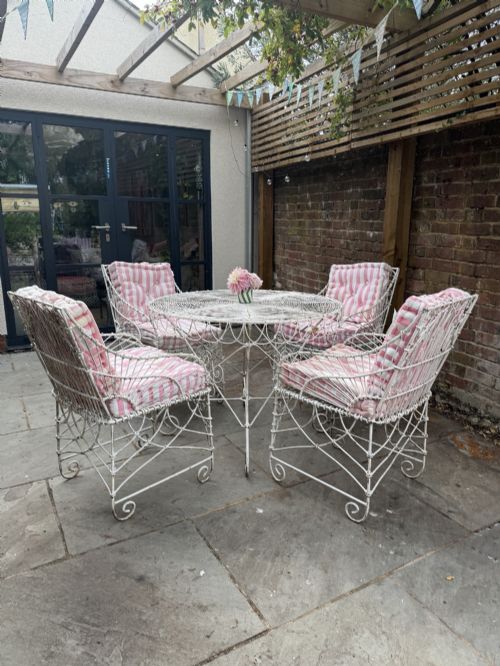
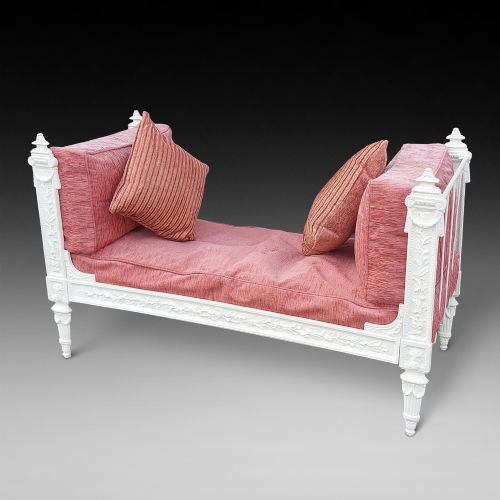
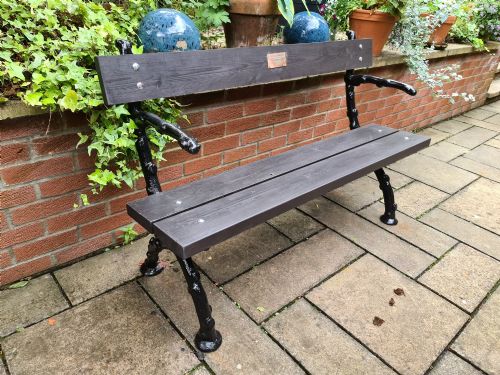
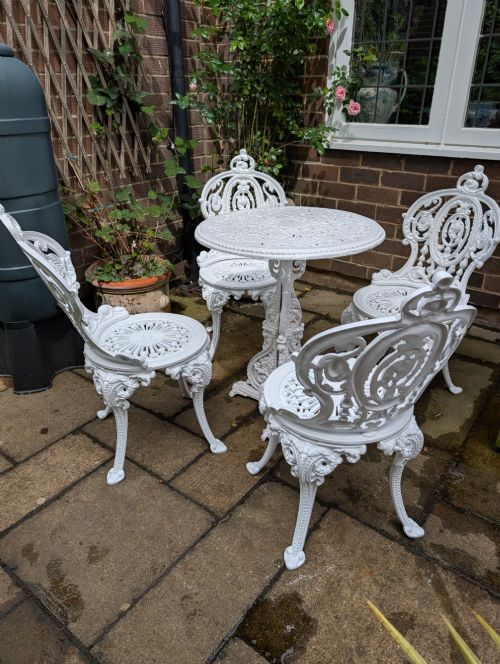
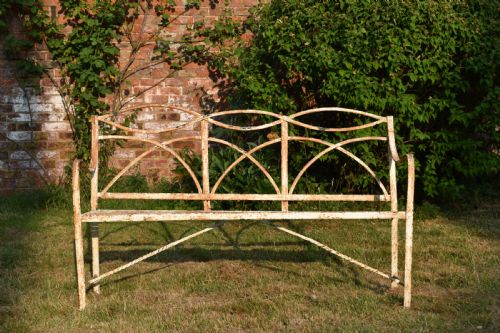
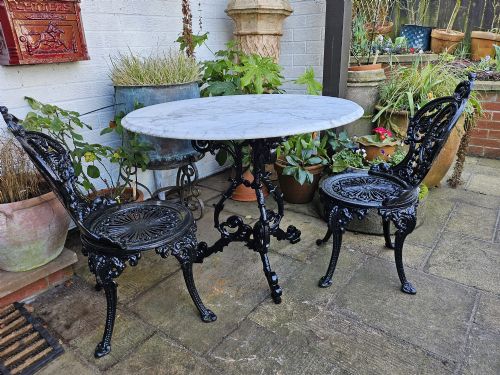
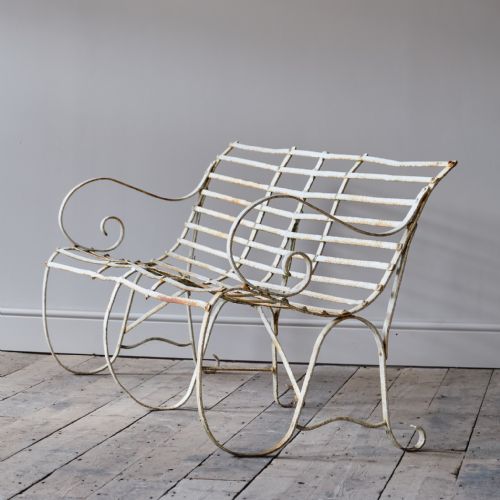
Victorian garden seating encompasses nineteenth-century cast iron, wrought iron, timber and ceramic pieces designed for outdoor spaces. Buyers encountering these pieces will find garden benches, chairs, settees, and dining sets originating from the nineteenth century onward.
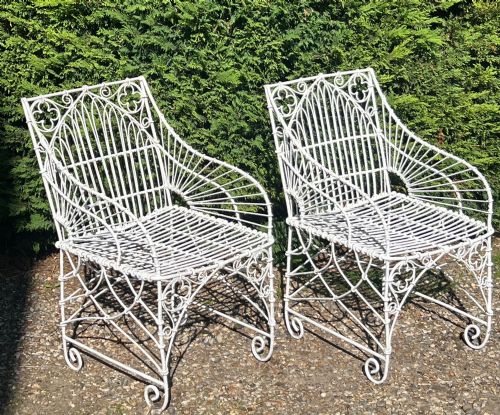
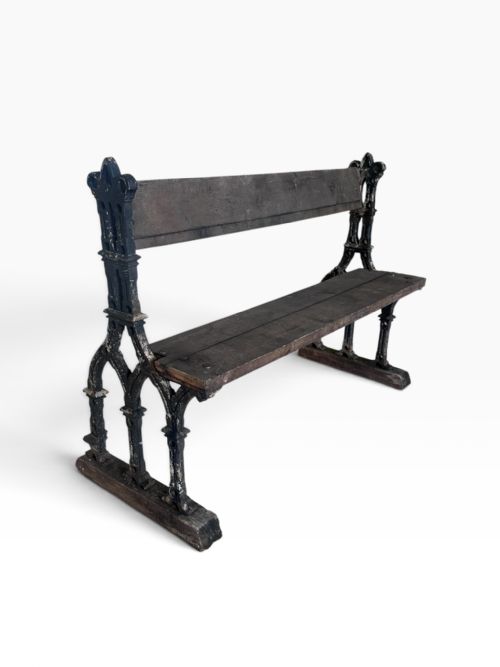
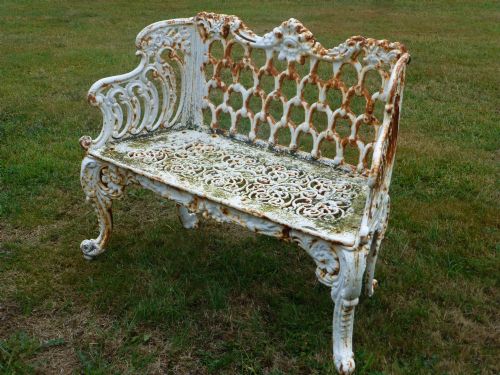
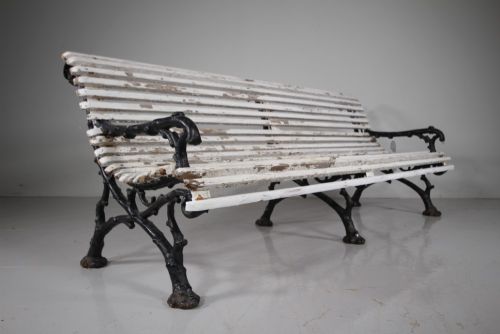
The selections span distinct ornamental traditions, including Gothic Revival, rustic faux bois, wirework arbours, and strapwork patterns. Many pieces showcase intricate botanical motifs like blackberry and leaf designs or shell forms cast directly into metal.
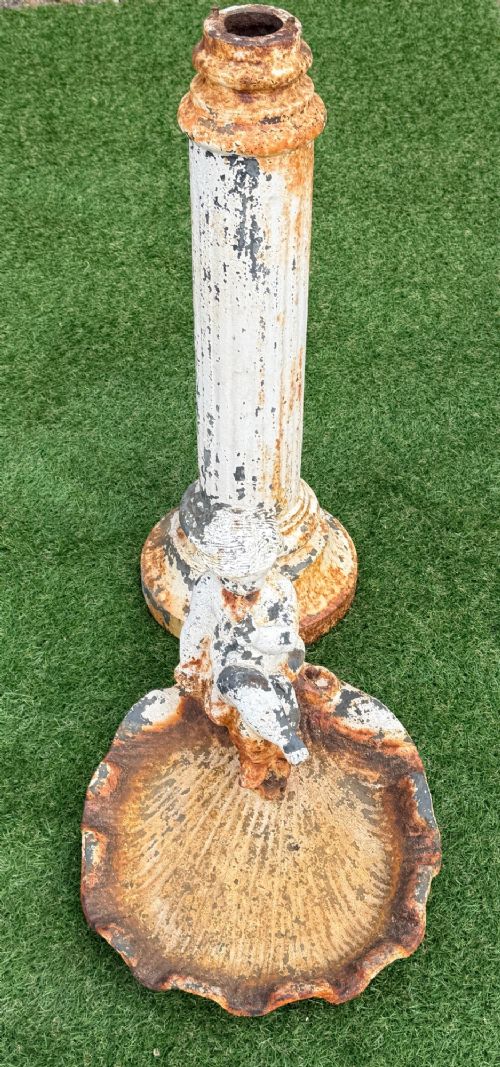
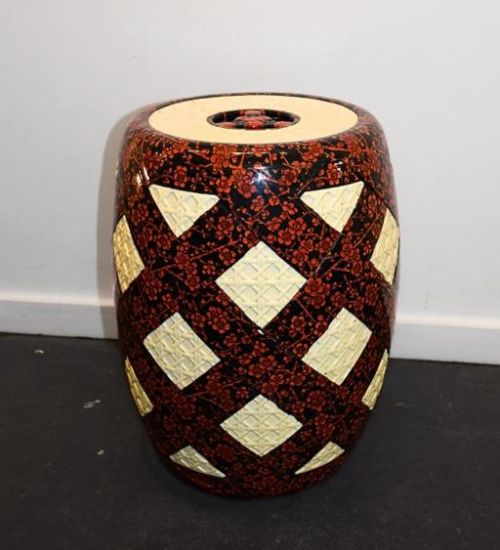
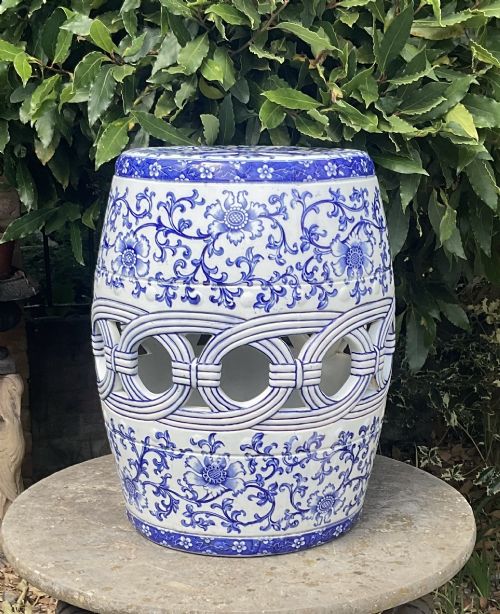
Beyond traditional metalwork, the category includes painted ceramic garden seats and earthenware items such as Minton pieces. These diverse forms provide functional seating while serving as architectural focal points within garden landscapes.
Materials and construction techniques
Manufacturers utilised durable cast iron and wrought iron for structural strength and intricate ornamental detail. Foundries poured molten metal into intricate moulds to produce relief patterns like foliage and scrolling strapwork.
Wood and timber were frequently combined with metal frames to form comfortable slats for seats and backs. Protective layers of paint were applied to shield the iron and wood from outdoor weathering.
Lifesize terracotta dogs stand guard among the garden seating, offering motionless canine company for every visitor.
Craftsmanship and casting precision
Quality rests upon the crispness of the original foundry casting and the depth of relief in ornamental details like leaves or strapwork. Finer examples retain sharp definition in their motifs without smoothing from wear or repeated painting.
Structural integrity depends on the original joining of metal components and the preservation of timber slats. Pieces bearing foundry attributions or distinct design patents represent the higher end of the range.
Falkirk Carron Foundry·Christopher Dresser·Minton·Coalbrookdale
The Victorian Garden Seating Glossary
- Cast iron
- Iron poured into a mould to create rigid ornamental forms. This material defines much of the heavy nineteenth-century garden furniture.
- Faux bois
- A decorative technique mimicking the texture and appearance of natural wood. This style appears frequently on nineteenth-century garden seats.
- Strapwork
- Geometric ornamentation resembling interlaced leather straps or metal bands. It provides structural support and visual rhythm on iron benches.
- Wirework
- Metal rods and wire bent and welded into airy structural forms. This technique created lightweight arbours and plant stands.
- Ceramic garden seat
- A barrel-shaped glazed earthenware seat suitable for outdoor use. These items were often produced by major potteries with blue and white decoration.
Victorian Garden Seating: Frequently Asked Questions
How do I care for cast iron garden benches?
Cast iron garden seating requires regular inspection for rust, particularly where moisture collects on joints and feet. Maintaining a protective coat of exterior paint prevents corrosion.
During harsh winter months, moving timber and iron combinations under shelter preserves the wood. Routine cleaning with mild soap removes dirt without damaging the metal surface.
Can these garden seats stay outside all year?
Most metal garden seating withstands outdoor conditions year-round due to the durability of iron and steel. However, freezing temperatures can damage ceramic pieces or unsealed wooden components.
Protecting vulnerable timber slats and ceramic garden seats during winter extends their functional lifespan. Positioning furniture on paved surfaces rather than soil also prevents moisture absorption from the ground.
How do I identify a Coalbrookdale design?
Coalbrookdale pieces often feature distinctive naturalistic motifs such as ferns, branches, and rustic faux bois textures. Foundry marks or registration numbers stamped into the iron help confirm the origin.
Comparison with documented nineteenth-century foundry catalogues reveals the specific pattern names and casting years. The exceptional crispness of the relief work usually distinguishes these items from later reproductions.
Are ceramic garden seats meant for sitting?
Ceramic and earthenware garden seats function primarily as movable stools or decorative pedestals in garden settings. Their solid construction supports occasional seating.
Placing them on level ground prevents tipping, as ceramic bases lack the flexible give of wood or metal. Users should avoid exposing unglazed pottery to standing water during freezing weather.