

Victorian Garden Painting
These pieces for a victorian garden painting bring nineteenth-century planting and outdoor design to life through period oils and watercolors.
Victorian Garden Painting
A victorian garden painting captures outdoor spaces, flower borders and period horticulture through nineteenth-century oils and watercolors. The listings on this page include framed works depicting scenes such as flower gardens and ladies with parasols alongside tangible garden furnishings.
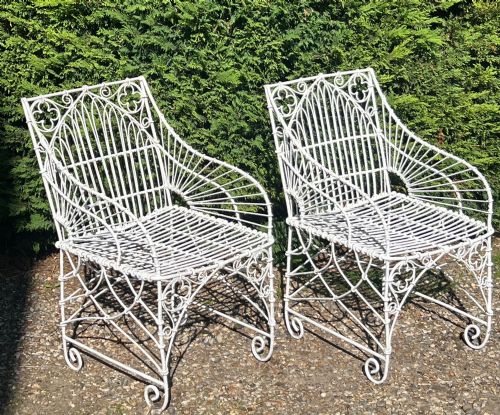
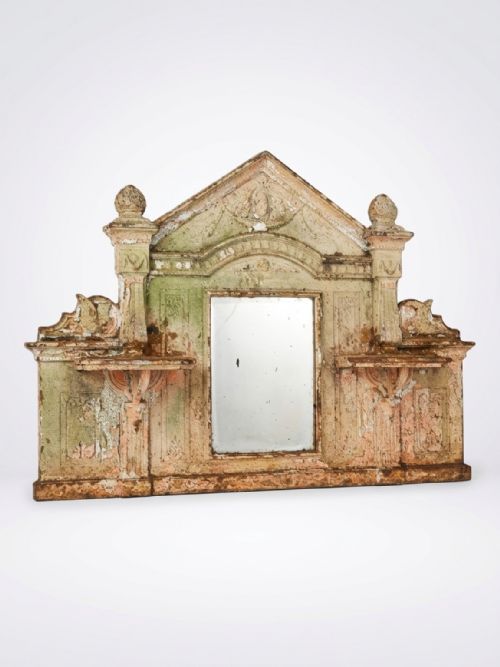
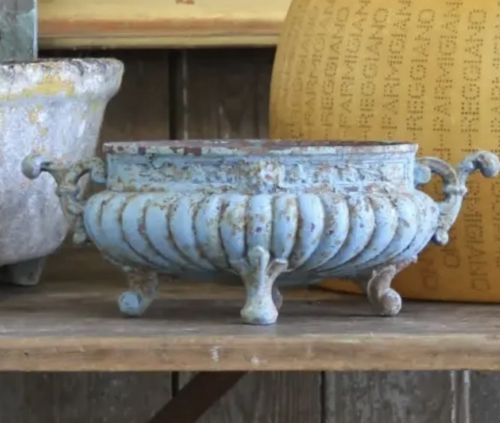
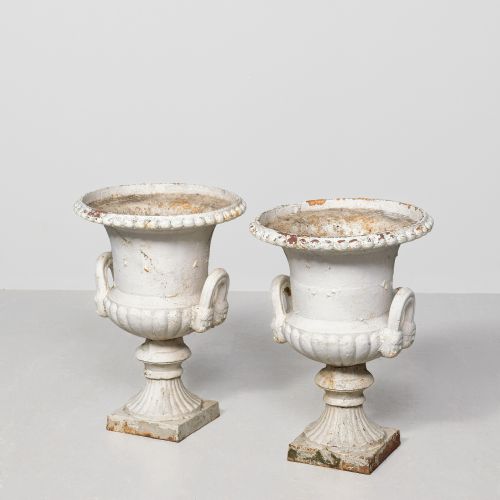
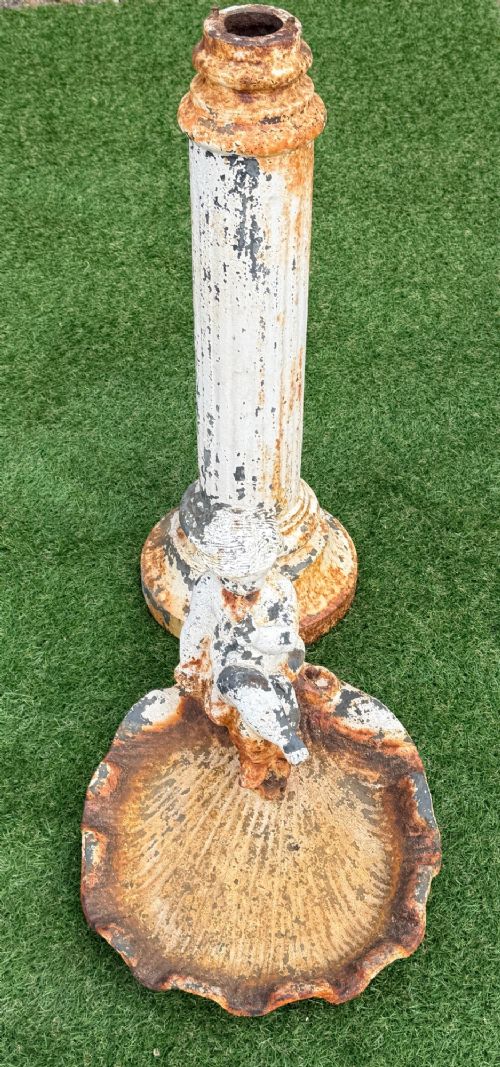
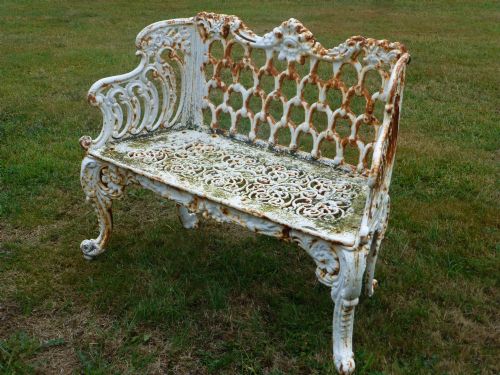
Buyers encounter artworks by named painters like Ernest Arthur Rowe and William Oliver alongside physical nineteenth-century garden furniture and planters. These items span the Victorian era, bringing together actual garden elements and visual records of historical landscapes.
How they were made
Artworks utilise traditional oil paints and watercolours on canvas or paper, capturing natural light and detailed botanical arrangements. Physical garden pieces employ cast iron, wrought iron, terracotta and painted wood, shaped through foundry casting and manual carpentry.
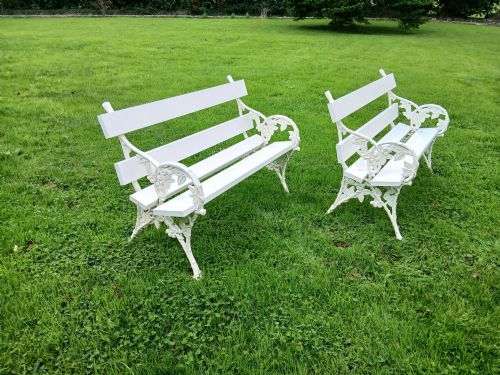
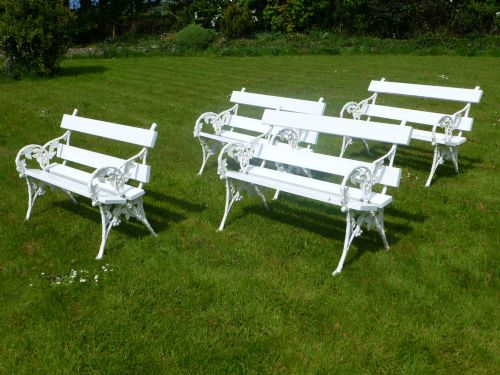
Foundries utilised moulds for intricate plant motifs such as blackberry and leaf patterns, while ironwork required skilled forging and strapwork assembly. Painted finishes protect metal and wood surfaces, preserving both decorative planters and seating.
A Victorian fairground boat ride shares space here with delicate flower paintings and heavy garden urns.
What varies in quality
The sophistication of the design and the clarity of execution separate simpler items from the finest examples. Cast iron pieces display varying degrees of crispness in foliage details, where superior foundry work retains sharp leaf veins and distinct ornamentation.
Paintings differ in brushwork precision and atmospheric depth, distinguishing accomplished artistic composition from standard topographical recording. Original painted surfaces and maker attributions elevate the distinction of surviving pieces.
Dunfermline Clay Company·Falkirk Carron Foundry·Coalbrookdale·Carron Foundry·Minton·Ernest Arthur Rowe·William Oliver
The Victorian Garden Painting Glossary
- Cast iron
- A tough alloy poured into moulds to create decorative garden benches, urns and plant stands. This material allowed nineteenth-century foundries to produce intricate outdoor furniture with elaborate botanical motifs.
- Wrought iron
- Iron heated and hammered into shape by hand, often utilised for plant stands and strapwork benches. It provides sturdy structural integrity alongside delicate scrollwork.
- Terracotta
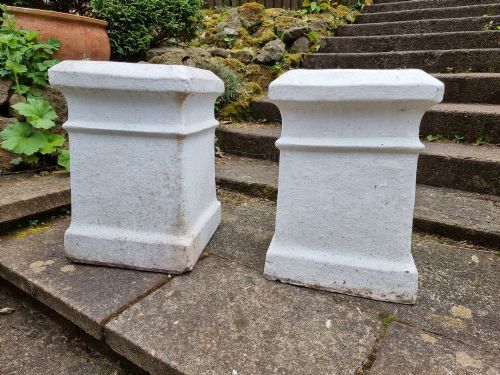
- Fired clay used for garden planters, display columns and chimney pots. This porous material patinates naturally outdoors over decades.
- Campagna urn
- A bell-shaped classical garden vessel on a pedestal, popular during the nineteenth century. These forms draw inspiration from ancient Roman pottery designs.
- Faux bois
- A decorative technique mimicking wooden textures on cast iron or concrete surfaces. Coalbrookdale utilised this style to create benches resembling rustic branches.
Victorian Garden Painting: Frequently Asked Questions
What subjects appear in these paintings?
Artworks depict established flower gardens, botanical studies and figures in outdoor settings from the nineteenth century.
These scenes record period garden design, architecture and planting schemes through contemporary artistic perspectives.
How were cast iron urns used originally?
Foundries produced heavy iron urns and planters to punctuate formal pathways, terraces and lawns in large estates.
They held seasonal floral displays and structural evergreens, adding classical architectural weight to domestic gardens.
Where should I place these iron seats?
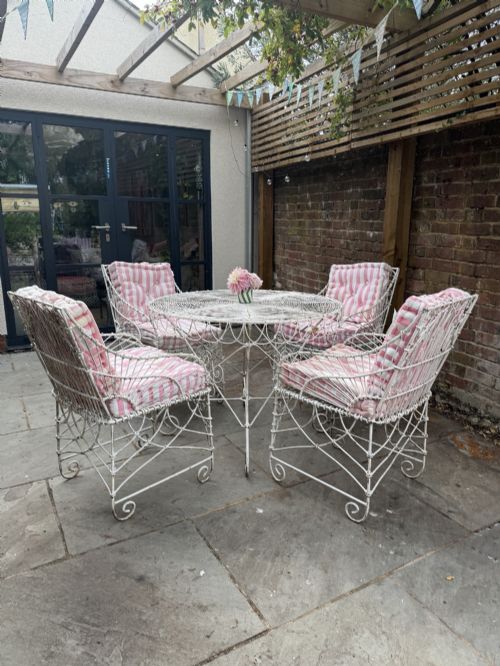
Garden benches and chairs suit sheltered lawn spots, stone patios or covered garden rooms outdoors.
Many collectors also position sturdy cast iron seating indoors within conservatories or large entrance halls.
How do I identify a Victorian foundry piece?
Look for registration marks, characteristic botanical casting patterns and heavier construction typical of nineteenth-century metalwork.
Foundries such as Coalbrookdale and Falkirk utilised specific fern, blackberry and rustic branch motifs.