



Victorian Garden Light
These victorian garden light examples bring genuine outdoor character and period illumination to any grounds.
Victorian Garden Light
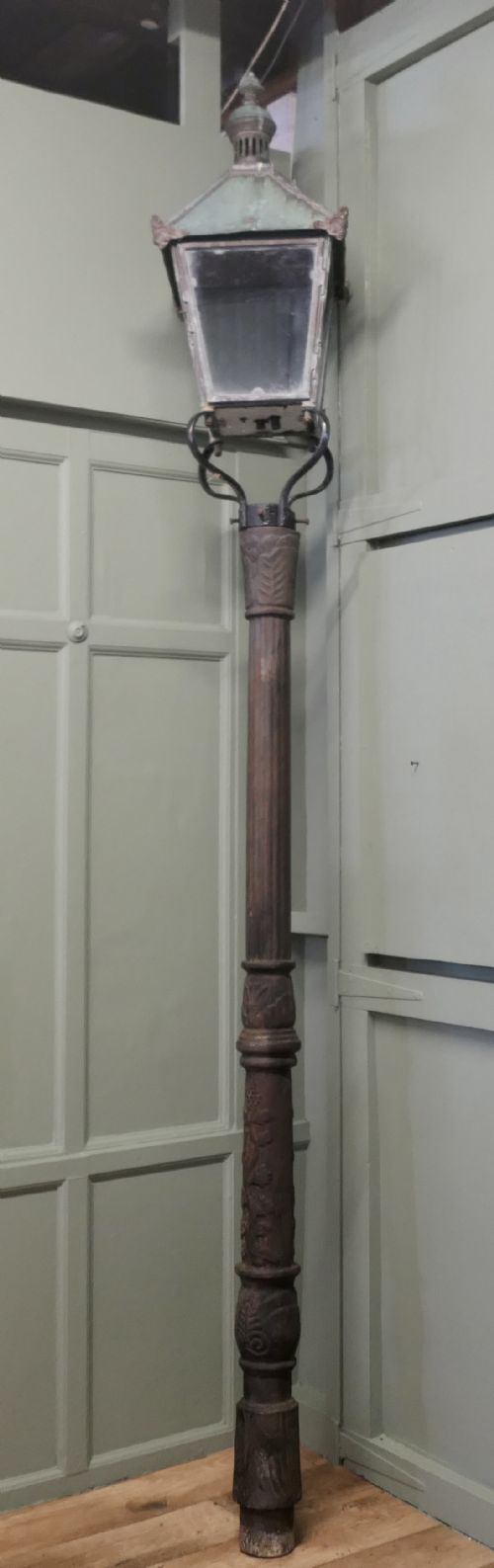
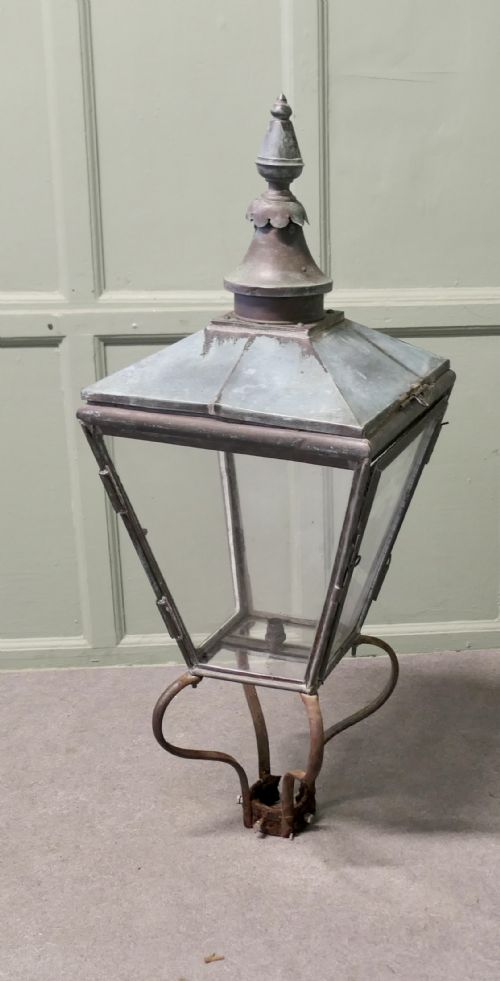
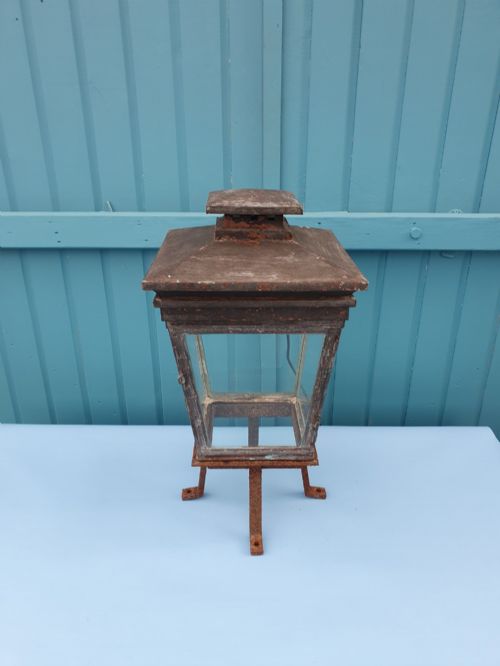
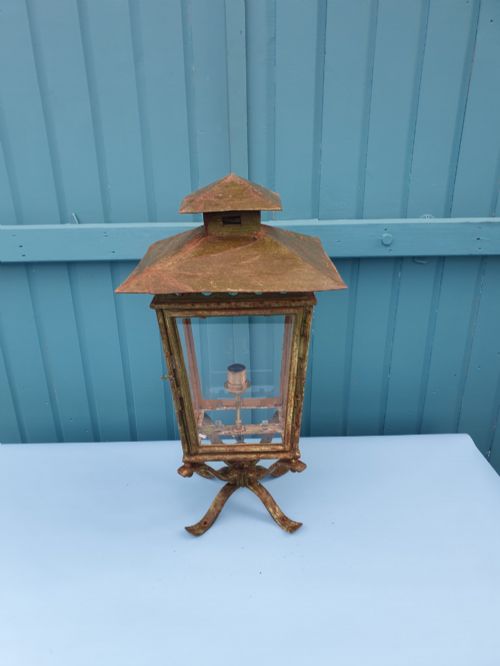
When you search for a victorian garden light, you encounter authentic survivors of nineteenth-century outdoor illumination, from copper street lamps to porch fixtures. These pieces carry the heavy metalwork and glass construction typical of utilitarian lighting designed to withstand the elements.
You are most likely to meet copper lanterns and lamp posts dating from the Victorian period through to the early decades of the twentieth century. Many of these outdoor lanterns were originally converted from gas, retaining the patination and structural heft of municipal and domestic installations.
The selection extends beyond standard hanging and post lighting to include garden cloches and architectural figures holding lamps. Such variations reflect the broad scope of exterior metalwork and ornamentation produced during the nineteenth and early twentieth centuries.
How they were made
Maker construction relies heavily on durable metals, predominantly copper, cast iron, and wrought iron, combined with robust glass panes. These materials were chosen for resilience outdoors, resulting in heavy assemblies designed to endure wind and weather.
Many lanterns and street lamps show the physical evidence of gas conversion, where original burner assemblies were adapted for modern electrical wiring. Painted metal finishes, including black and gold treatments alongside weathered green paint, protect the underlying metal and record decades of exterior exposure.
Victorian Garden Light Retail Price Guide 2026
Typical asking prices for victorian garden light among the pieces listed under this phrase on Sellingantiques today, from the lower quarter to the upper quarter. They describe what is for sale here now, not the wider market.
One listed porch light incorporates shamrocks into its metalwork, proving that Victorian ironmongers enjoyed sneaking a little botanical luck into damp doorways.
What varies in quality
Quality rests in the integrity of the original metalwork and the preservation of authentic surface patination. Pieces that retain their heavy cast iron bases or substantial copper frames demonstrate superior original manufacture compared to lighter subsequent adaptations.
The presence of maker attribution, such as stamped foundry details on street lamps, elevates the standing of a piece. Finer examples display meticulous riveting, intact glazing bars, and well-proportioned swan neck brackets or mounting bases.
Foster And Pullen Bradford·Revo Tipton
The Victorian Garden Light Glossary
- Gas conversion
- The process of altering an antique lighting fixture from gas supply to modern electric wiring. This adaptation is standard for nineteenth-century lanterns found today.
- Swan neck
- A curved metal mounting bracket that extends outward from a wall or lamp post to support a hanging lantern. This profile is common in street and exterior lighting.
- Cloche
- A bell-shaped protective cover utilised in gardens to shield plants from frost. Victorian versions were constructed from heavy cast iron frames holding glass panels.
- Patina
- The surface texture and coloration developed by metal and paint over decades of exposure to the weather. A natural patina confirms age and continuous outdoor use.
Victorian Garden Light: Frequently Asked Questions
How do I wire an old copper lantern?
Most antique lanterns adapted from gas require a qualified electrician to install standard internal lampholders safely.
Rewiring typically involves running modern flex through the existing top vent or base entry without altering the historic exterior structure.
Are these lights suitable for outdoor use?
These fixtures were originally built for exterior installation on streets, porches, and gardens.
Weathered copper and painted iron are naturally suited to exterior environments, though checking the seal around the glass panels helps protect the interior wiring.
How can I date a street lamp?
Dating relies on material construction, form, and any stamped foundry marks or patent details on the metal components.
Nineteenth-century examples frequently feature heavy copper hand-soldering and cast iron elements, whereas later twentieth-century pieces introduce standardised industrial brackets.
What is a garden cloche used for?
Victorian garden cloches served as protective portable greenhouses for nurturing vulnerable plants and seedlings outdoors.
Their heavy cast iron and glass construction allowed maximum sunlight penetration while safeguarding vegetation from wind and frost.