



Victorian Garden Lantern
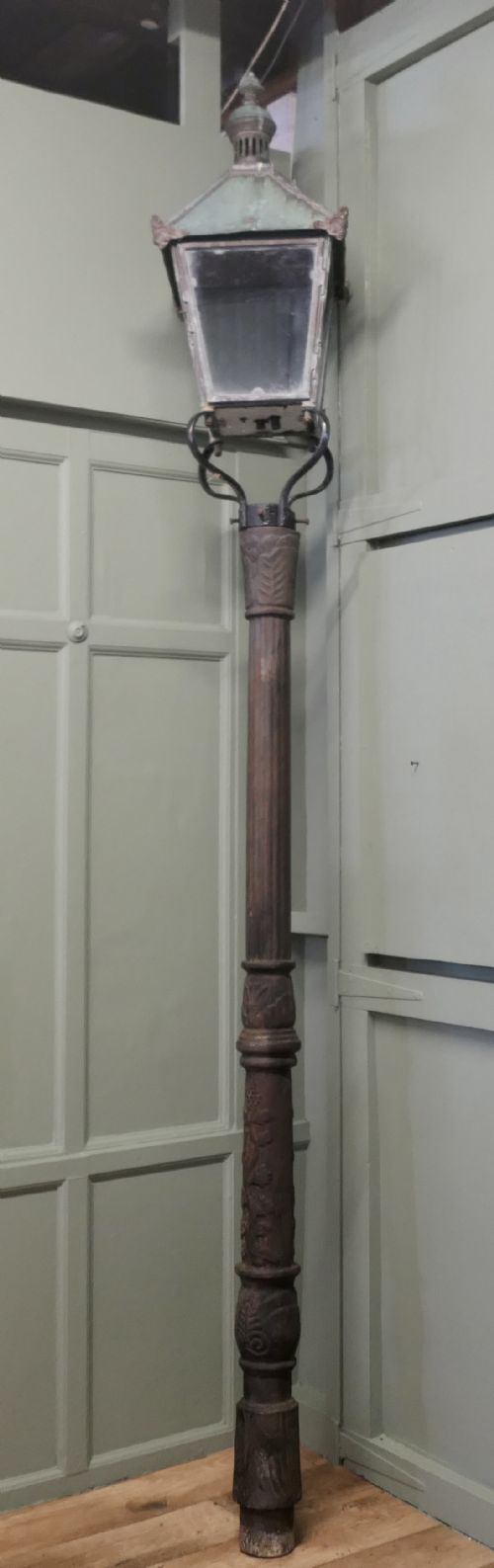
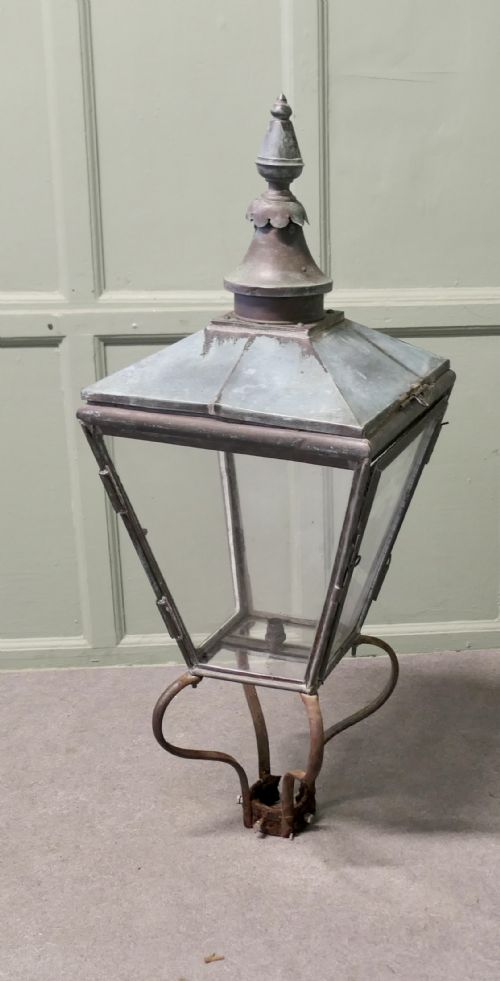
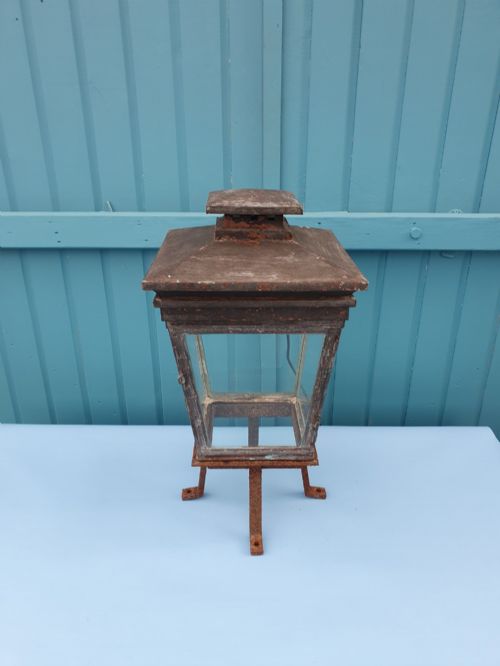
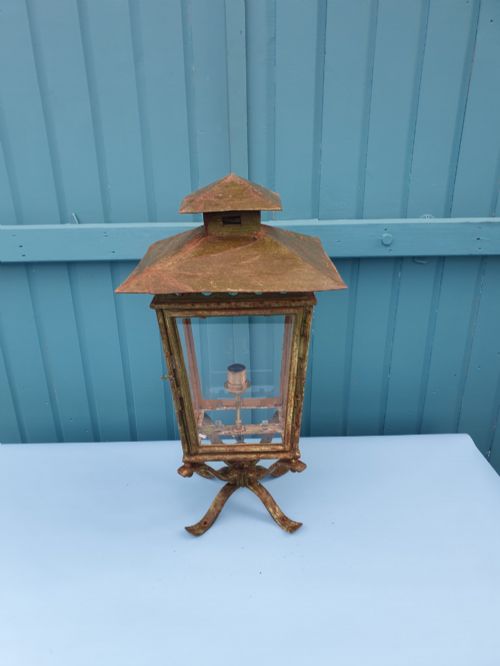
A victorian garden lantern brings enduring character to an exterior space, offering solid copper and iron construction combined with authentic period glass.
Victorian Garden Lantern
A victorian garden lantern encompasses exterior lighting, street lamps, and porch lights originating from the nineteenth century up through the early decades of the twentieth century. Buyers searching for a victorian garden lantern typically encounter copper and iron fixtures, often converted from early gas supplies.
The selection ranges from large copper street lights and hanging lanterns to pairs of lamp posts and garden cloche covers framed in cast iron or copper with quarter inch glass. Forms span simple circular street lamps to decorative pieces featuring shamrocks.
Origins vary across English manufacture, with specific regional makers represented in municipal street lighting and utilitarian garden structures. Industrial styles and Victorian Gothic influences appear alongside standard Victorian designs.
How they were made
Construction relies heavily on durable metals including copper, cast iron, and wrought iron, designed to withstand external elements over generations. Painted metal finishes also occur, providing alternative protection for ironwork.
Glazing typically utilises thick quarter inch glass panels fitted securely within metal frames. Many surviving lanterns show historical adaptation from early gas lighting systems to accommodate modern electrical fittings.
Victorian Garden Lantern Retail Price Guide 2026
Typical asking prices for victorian garden lantern among the pieces listed under this phrase on Sellingantiques today, from the lower quarter to the upper quarter. They describe what is for sale here now, not the wider market.
What varies in quality
Quality rests upon the integrity of the original metalwork and the preservation of the structural frame, whether cast iron, wrought iron, or heavy gauge copper. Examples retaining their original mounting components or matching pairs command distinct architectural interest.
The fineness of detailing, such as decorative shamrock motifs and well-preserved glass panels, separates standard utility lighting from more ambitious civic or domestic installations.
A Foster & Pullen Bradford·Revo Tipton
The Victorian Garden Lantern Glossary
- Gas conversion
- The historical alteration of a lighting fixture originally designed to burn gas so that it can function with modern electricity. This process often involves retaining the original burner housing while updating the internal wiring.
- Cloche
- A protective glass and metal cover originally placed over plants in the garden to shield them from frost. Victorian versions feature robust copper or cast iron frames holding thick glass panes.
- Swan neck
- A curved metal mounting bracket resembling the neck of a swan, commonly used to suspend street lamps and exterior lanterns away from a wall or post.
- Porch light
- An exterior light fixture positioned directly outside a building entrance. These pieces often incorporate decorative metalwork suited to domestic architecture.
Victorian Garden Lantern: Frequently Asked Questions
What is a victorian garden lantern?
A victorian garden lantern is an authentic exterior lighting fixture dating from the nineteenth or early twentieth century, constructed from metals such as copper and iron with glass panels.
These pieces were originally built for streets, porches, or large gardens, often utilising gas before later conversion to electricity.
How were old lanterns powered?
Early outdoor lighting relied on town gas supplies piped directly up lamp posts and wall brackets to internal burners.
Most surviving examples have since been converted to run on electricity while preserving their original external metal and glass housing.
Can these lights go outside?
These fixtures were constructed specifically for exterior use using weather-resistant materials like copper, cast iron, and painted metal.
Proper installation by a qualified electrician ensures they continue to withstand modern outdoor conditions safely.