




Victorian Garden Art
These pieces of victorian garden art span framed watercolours of cottage flowers and wrought iron panels, bringing historic outdoor charm inside.
Victorian Garden Art
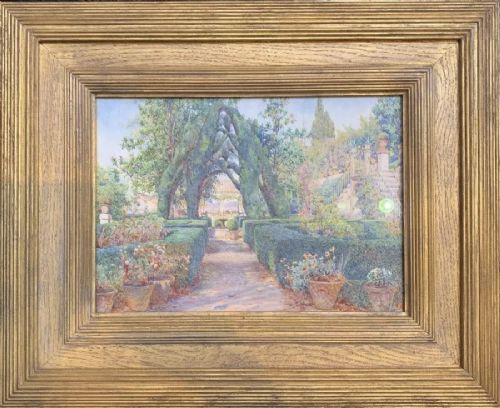
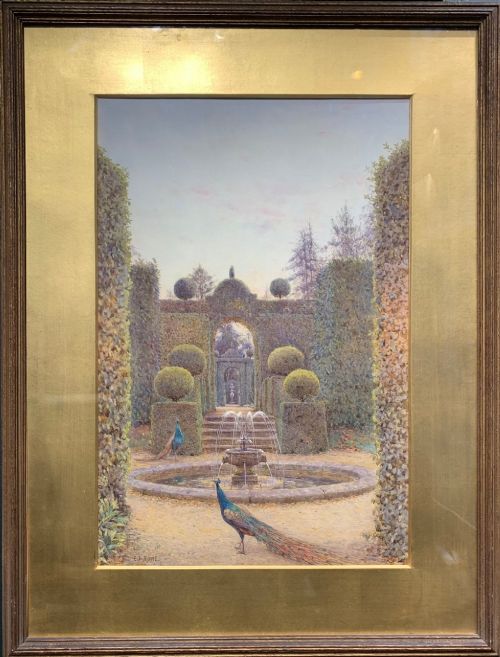
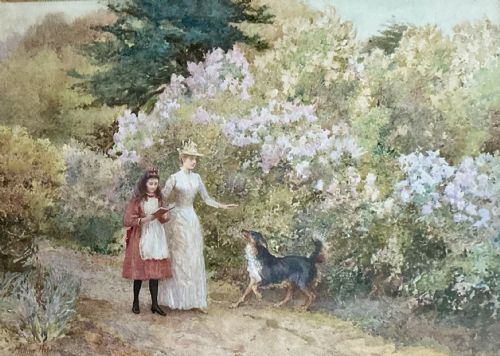
When someone searches for victorian garden art, they encounter a range of framed watercolours, oil paintings, and architectural salvage from the nineteenth and early twentieth centuries. These works depict cottage doorways, walled gardens, and architectural structures like palm houses.
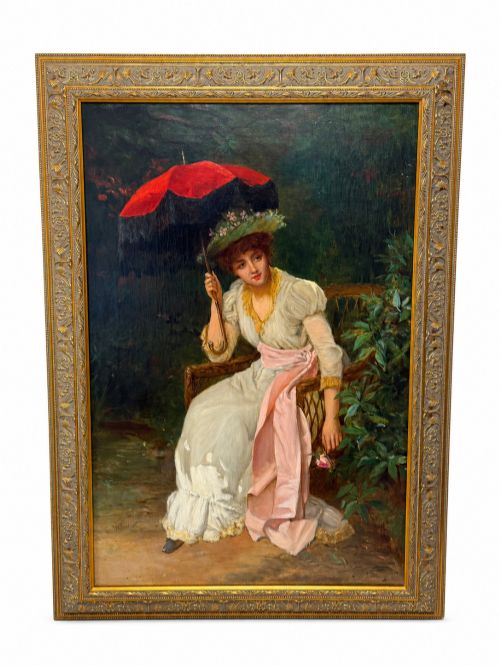
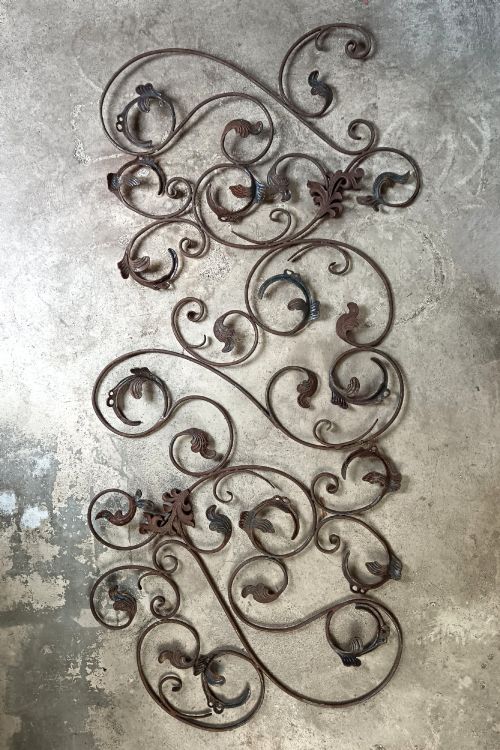
The watercolours and oils capture floral scenes and rural genre moments by named artists, while the salvage items include wrought iron scroll panels and copper weathervanes. Most pieces belong to the nineteenth century and the Edwardian era, reflecting a period of intense artistic interest in cultivated grounds.
Buyers frequently find depictions of specific locations such as Kew Gardens or Welsh castles alongside informal studies of hens, children, and gardeners. The selection bridges fine art painting and structural metalwork used to ornament historical spaces.
How they were made
Artists deployed watercolour pigment on paper or oil on canvas, applying brushwork to build botanical detail and atmospheric light in landscape settings. Mixed media, enamel on plaques, and chrystoleums on convex glass also appear among the visual works.
Metal artefacts rely on traditional blacksmithing techniques, shaping wrought iron into architectural scroll panels and gates. Copper weathervanes demonstrate metalworking skills geared toward exterior display and utility.
Listings feature works from the nineteenth century, 1900, 1910, 1920, and 1930.
What varies in quality
The standard of a painted landscape depends on the artist's ability to render light, shadow, and botanical accuracy within a garden setting. Signed works by established painters display more confident brushwork and composition than anonymous school pieces.
For metalwork and architectural salvage, the complexity of the scrollwork and the weathering of the iron determine the visual weight of the piece. Clean lines in forged panels and well-preserved copper surfaces distinguish finer examples from standard utility items.
Ernest Arthur Rowe·William Oliver·Harry Wanless·Arthur Hopkins·Arturo Orselli·Samuel Sidley·Paul Viry·David Woodlock·Arthur Claude Strachan·Thomas Nicholson Tyndale·John Emms·Lester Sutcliffe·Benjamin D. Sigmund·Walter Dendy Sadler·Edgar Bundy·Edmund Alphonse Andre·Belisario Gioja·William Greaves·Ralph Hedley·Arthur H. Buckland·Karl Feiertag·Minnie Smythe
The Victorian Garden Art Glossary
- Chrystoleum
- A photograph coloured by hand and mounted under convex glass to create a layered picture. They were popular in the nineteenth century for producing vibrant domestic portraits and scenes.
- Architectural salvage
- Building elements and decorative metalwork rescued from older structures for reuse or display. This category includes wrought iron panels, gates, and ceiling roses.
- Watercolour pigment
- Ground colour mixed with a water-soluble binder, applied to paper to create translucent washes. It was the primary medium for many nineteenth-century botanical and landscape artists.
- Weathervane
- A moveable device placed on a roof to show the direction of the wind, often fashioned from copper into animal or figural shapes. Early examples serve as functional folk art.
- Genre oil painting
- A work depicting scenes from everyday life, such as figures outside a cottage or working in a garden. These paintings provide social context through domestic observation.
Victorian Garden Art: Frequently Asked Questions
What subjects appear in these paintings?
The painted works record cottage gardens, floral borders, and portrait subjects posed outdoors near historic houses. Artists also documented specific locations like Kew Gardens and Welsh castles.
Rural genre scenes showing daily activities such as knitting outside a cottage or scything a lawn form another major subject group.
How do I identify a nineteenth-century painting?
Nineteenth-century paintings often feature artist signatures, period frames, and specific material supports like canvas or heavy watercolour paper. Subject matter frequently aligns with Victorian rural interests and architectural recording.
Examine the back of the frame or canvas for labels, inscriptions, and artist stamps that confirm the period.
Are chrystoleums photographs or paintings?
A chrystoleum is a photograph that has been applied to glass, made transparent, and then painstakingly hand-painted from behind. They combine photographic detail with the rich colour of traditional painting.
They are typically housed in period gilt frames with convex glass that magnifies the image.