



Victorian Furniture Marble Top
Victorian furniture marble top pieces combine solid nineteenth-century timber frames with cool stone surfaces designed to endure daily use.
Victorian Furniture Marble Top
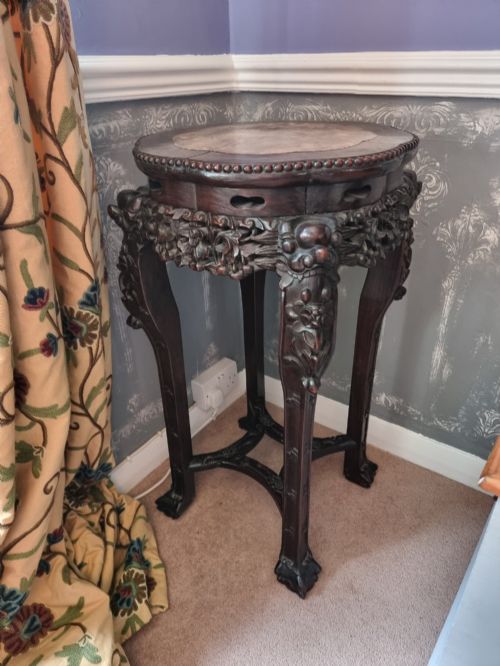
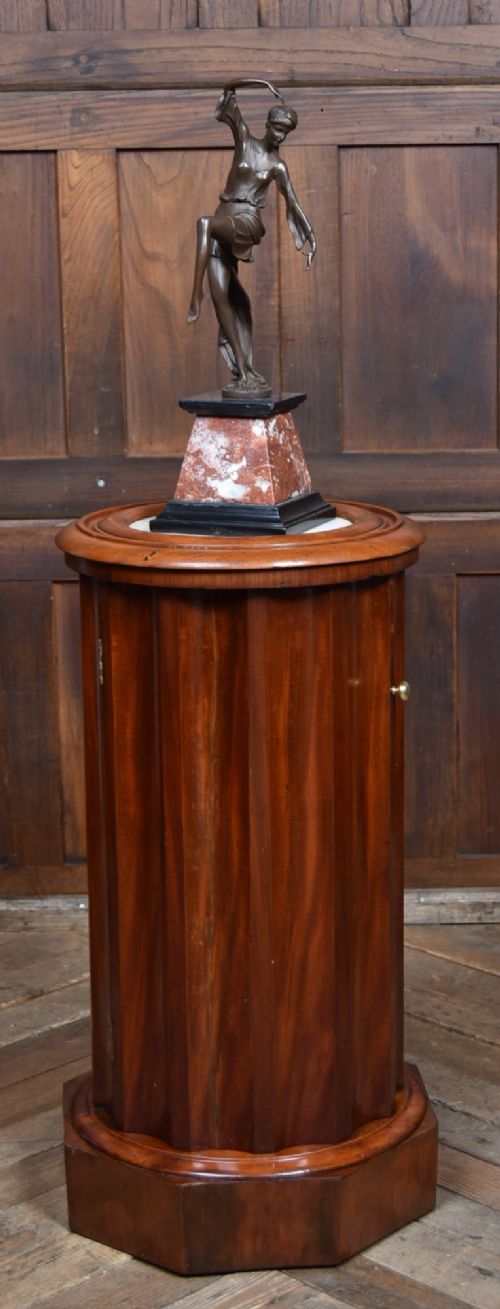
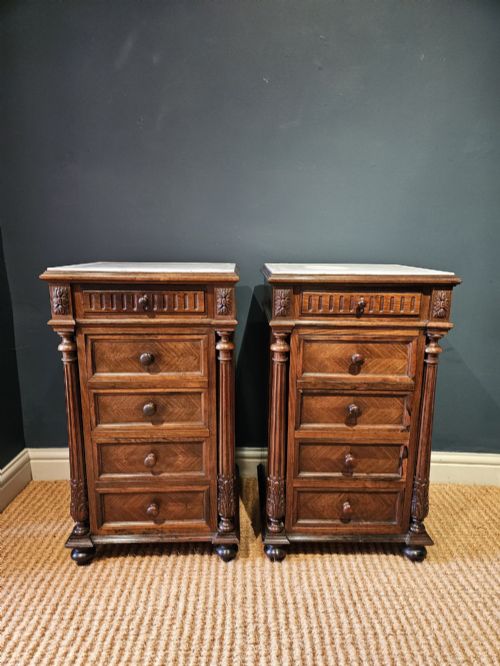
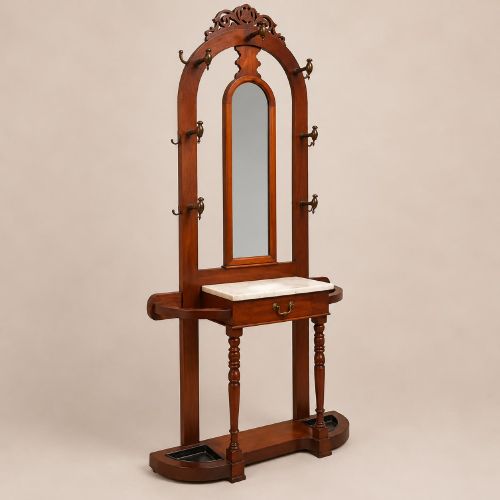
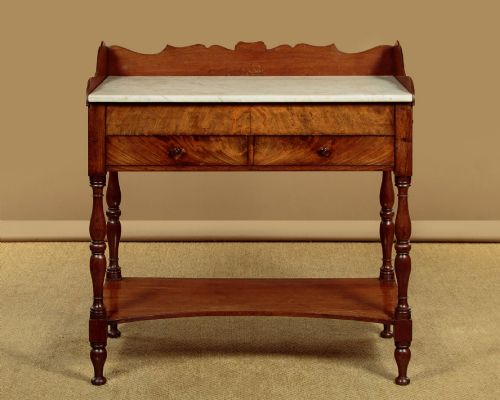
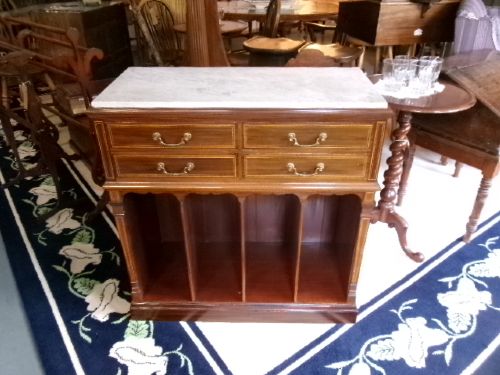
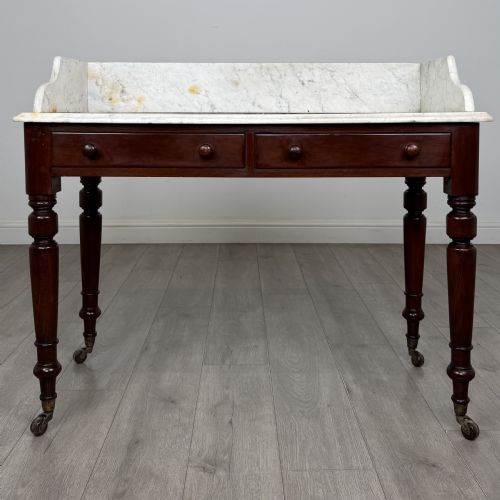
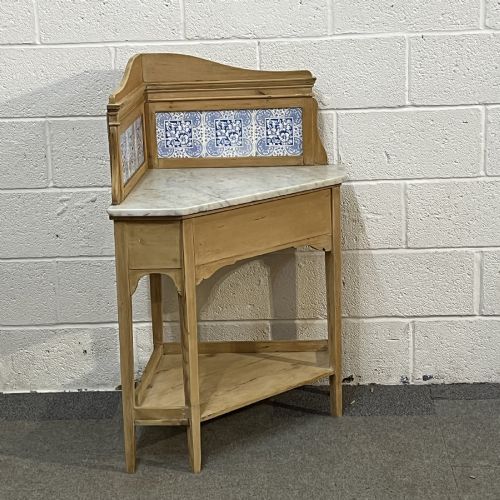
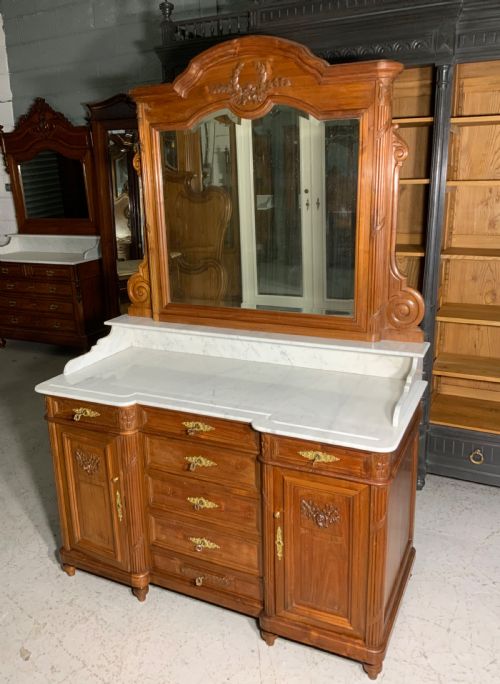
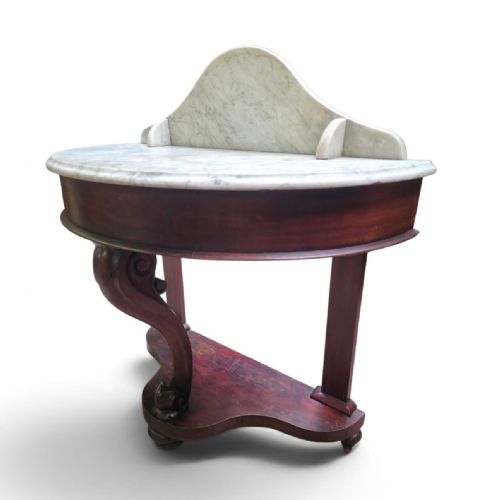
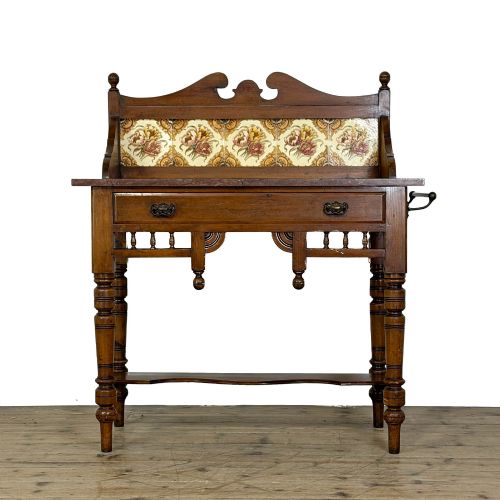
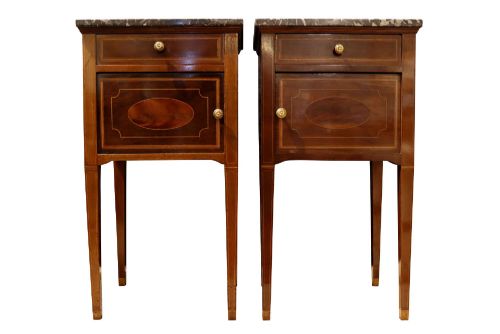
Victorian furniture marble top items encompass practical bedroom and hall furnishings from the nineteenth century, most frequently appearing as washstands, console tables, and cabinets. Washstands dominate the selection, combining timber frames with fitted stone slabs that originally resisted water damage during washing routines.
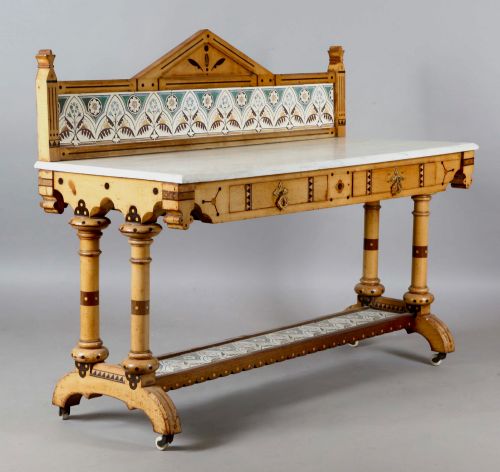
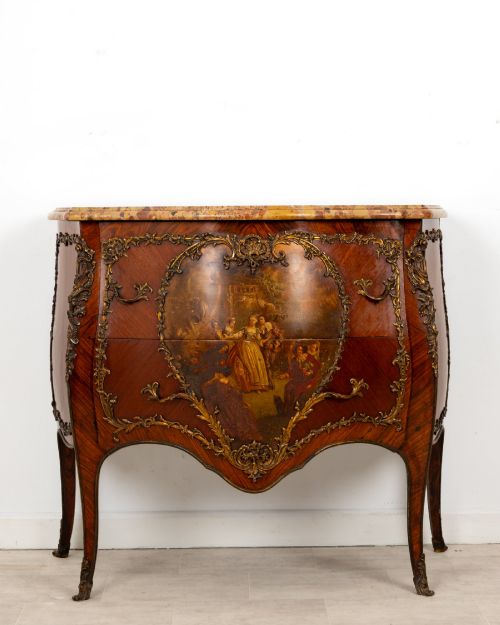
Makers utilised various regional timbers including mahogany, walnut, oak, and pine alongside exotic woods like satinwood and kingwood. Stylistic influences range from straightforward country pine examples to elaborate French Rococo Revival and Aesthetic Movement designs incorporating tiles and brass details.
How they were made
Carpenters joined dense hardwoods like mahogany and walnut using traditional housing joints and dovetails to support heavy stone inserts. Marble slabs were shaped to fit precisely into recessed timber surrounds or secured above ceramic tile splashbacks.
Surface decoration involved hand-applied lacquer, marquetry inlays, and ebonising, occasionally complemented by cast-iron frames or gilt-bronze mounts. Faux-bamboo turning and painted grain finishes appeared on lighter pine and maple pieces mimicking more expensive materials.
Victorian Furniture Marble Top Retail Price Guide 2026
Typical asking prices for victorian furniture marble top among the pieces listed under this phrase on Sellingantiques today, from the lower quarter to the upper quarter. They describe what is for sale here now, not the wider market.
Listings feature Victorian, Edwardian, and 1930s periods, incorporating marble, cast iron, mahogany, walnut, and oak across washstands and bistro sets.
What varies in quality
Quality rests in the selection of materials and the ambition of the joinery rather than mere age. Finely figured burr walnut veneers, intricate satinwood stringing, and heavy cast-iron or gilt-bronze fittings elevate standard utilitarian forms into decorative works.
The density and veining of the marble itself dictate status, with thicker slabs and integrated ceramic tiles showing higher workshop investment. Original hardware, intact cabinet doors, and undisturbed surface patination separate standard regional pieces from London or Paris commissions.
Charles Bevan·Christopher Dresser·Walker & Sons·Blake
The Victorian Furniture Marble Top Glossary
- Washstand
- A chamber or bedroom piece featuring a flat surface for a basin and jug. They frequently incorporate marble tops to prevent water damage.
- Console table
- A wall-mounted or freestanding side table supported by legs or brackets. Versions with marble slabs often served grand entrance halls.
- Commode
- A low decorative chest of drawers or cabinet. French examples often pair kingwood veneers with shaped marble tops.
- Aesthetic Movement
- A late nineteenth-century design style emphasising visual beauty over narrative meaning. Pieces in this manner often feature ebonised surfaces and decorative tiles.
- Pier cabinet
- A narrow display cabinet designed to stand against the wall between windows. These often incorporated mirrored backs and marble shelves.
Victorian Furniture Marble Top: Frequently Asked Questions
What are victorian furniture marble top pieces?
These items are nineteenth-century domestic furnishings built with stone surfaces atop timber or cast-iron bases. They include bedroom washstands, hall cabinets, and console tables.
The stone insertion provided a durable, waterproof workspace for washing or displaying ornaments in period households.
How were washstands used historically?
Washstands served as personal hygiene stations in bedrooms before plumbed bathrooms became standard. Users placed basins, jugs, and soap dishes on the stone surface.
The surrounding tiles and marble protected the wooden framework from splashes during daily washing.
How do you care for marble tops?
Maintenance requires regular dusting with a soft cloth and immediate wiping of liquid spills to prevent staining. Avoid acidic cleaning products that etch the polished stone.
Waxing the surrounding wood keeps the timber nourished without harming the adjacent mineral surface.
How to tell periods apart?
Early examples often utilise solid pine or mahogany with simple turned legs and hand-painted finishes. Later nineteenth-century items introduce denser veneers, brass mounts, and stylistic revivals like Aesthetic or Sheraton influences.
Construction methods shift from hand-cut dovetails toward machine-sawn components by the close of the century.