

Victorian Front Door
A victorian front door provides immediate architectural character, though actual entries on this page consist of brass and cast iron door hardware.
Victorian Front Door
When searching for a victorian front door, buyers typically encounter architectural ironmongery rather than complete structural timber frames.
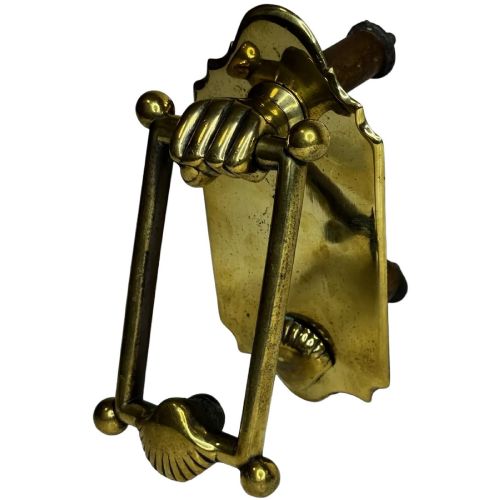
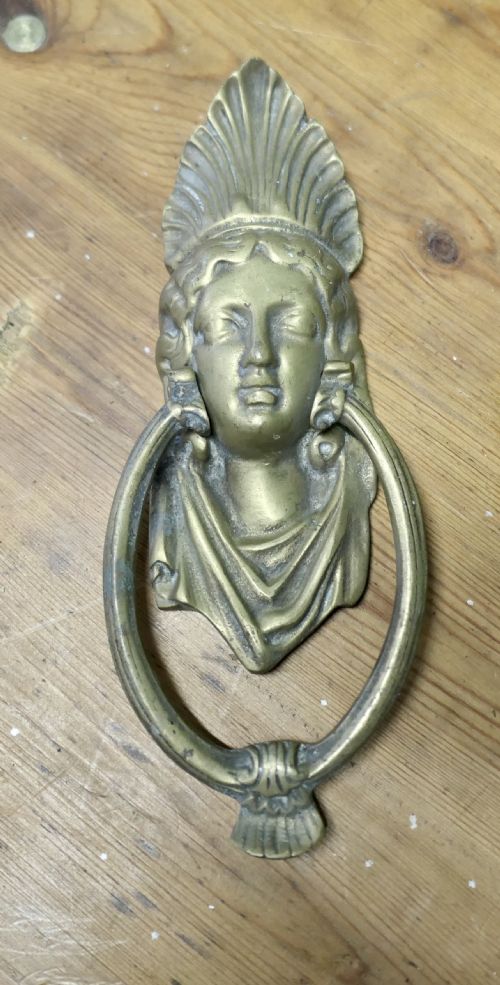
The items present on this page focus on functional entrance furniture, specifically heavy metal door knockers and handles.
These pieces originate primarily from the nineteenth century, reflecting the robust hardware standards of the period.
Materials and construction methods
Items in this category rely predominantly on cast iron and brass, shaped through traditional foundry methods to achieve intricate relief details.
Victorian Front Door Retail Price Guide 2026
Typical asking prices for victorian front door among the pieces listed under this phrase on Sellingantiques today, from the lower quarter to the upper quarter. They describe what is for sale here now, not the wider market.
Listings under this search phrase span brass and cast iron materials originating from nineteenth-century manufacture.
Distinctions in quality
Quality differences emerge in the crispness of the casting and the depth of the sculptural relief, distinguishing standard production hardware from finer examples.
The integrity of the original mounting plates and the weight of the metal determine the overall standard of the hardware.
The Victorian Front Door Glossary
- Brass
- A copper and zinc alloy commonly utilised for period door furniture due to its corrosion resistance and bright golden finish. It develops a rich patina over decades of handling.
- Cast iron
- A strong, heavy iron-carbon alloy poured into moulds to create rigid architectural hardware. This material provides the substantial weight required for heavy entrance knockers.
- Caryatid
- A sculpted female figure serving as an architectural support or decorative element. In door hardware, it often forms the striking handle or striking plate of a knocker.
- Patina
- The natural surface alteration and mellowing accumulated on metal through age and use. Collectors value this unaltered skin as a mark of authenticity.
Victorian Front Door: Frequently Asked Questions
How do I mount an antique door knocker?
Most period knockers attach using traditional threaded bolts or wood screws passed through pre-drilled holes in the timber.
Ensure the internal mechanism or striking plate aligns correctly to protect the door surface from direct impact damage.
What metals were used for nineteenth century knockers?
Foundries predominantly utilised cast iron and solid brass for exterior entrance furniture.
These materials offered the necessary durability and weather resistance for active street-facing installations.
Can these items be used outdoors today?
Original brass and cast iron hardware remains structurally robust enough for contemporary exterior installation.
Regular light maintenance helps preserve the historic metal against modern environmental weathering.
How do I identify a period piece?
Examine the casting quality, fixing methods, and the natural wear patterns visible across the metal surface.
Nineteenth-century items typically display heavier mass and hand-finished details distinct from modern reproductions.